
Explore our advanced vacuum and nano-microporous systems designed to reduce thermal loss in heavy-duty shipping, aeronautics, and industrial smelting networks.
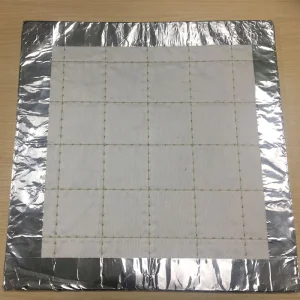
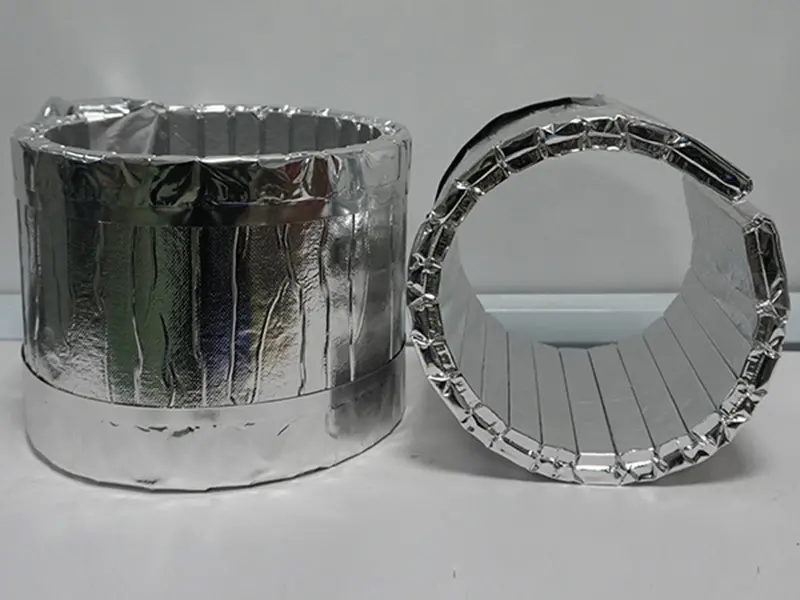
High-flexibility material designed for pipe tracing, exhaust systems, and curved surfaces in maritime engineering.
View Details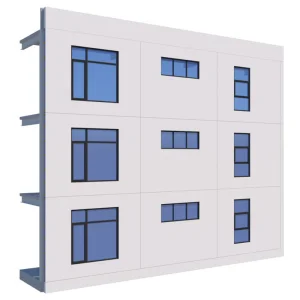
Architectural envelope solutions combining superior VIP cores with durable finishes for structural energy savings.
View Details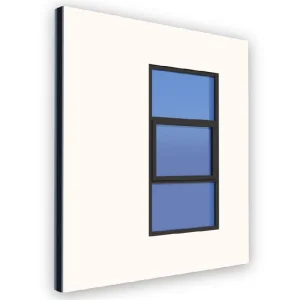
Integrated wall units manufactured to strict German building standards (GEG) for rapid on-site assembly.
View Details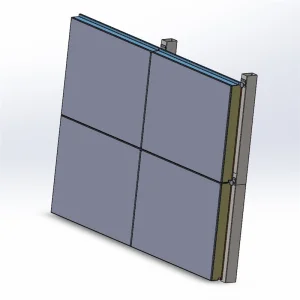
Premium architectural cladding solution delivering exceptional U-values while saving valuable urban footprint.
View DetailsThe Hamburg metropolitan region is at the forefront of Germany’s energy transition (Energiewende). Host to major industrial installations such as the ArcelorMittal steelworks, the Aurubis copper smelters, and Airbus Finkenwerder’s aeronautics facilities, Hamburg demands high-performance materials that align with local decarbonization plans. Heavy industries account for a significant portion of northern Germany's carbon emissions, making energy conservation in high-temperature applications a priority.
Historically, thermal management in metallurgy, chemical processing, and marine boilers relied on mineral wool or thick calcium silicate slabs. While functional, these options struggle to meet the strict space constraints and temperature profiles found in modern facilities. This is where Nano Microporous Panels offer a solution. By limiting heat transfer through three physical paths—solid-state conduction, gaseous convection, and infrared radiation—our silica-based panels provide superior thermal resistance in a thin profile.
In Hamburg's marine shipping sector, managing thermal energy within engines and exhaust manifolds is essential for safety and efficiency. Integrating microporous panels reduces structural weight, increases usable space within hull frames, and lowers surface temperatures on hot machinery, helping operators comply with SOLAS regulations.
Microporous insulation works by trapping air molecules in an engineered structure that is smaller than the mean free path of air (approximately 68 nanometers at standard atmospheric pressure). By utilizing fumed silica particles with diameters between 7 and 20 nanometers, we create a network of pores ranging from 10 to 50 nanometers. This structure restricts gaseous thermal conduction by preventing air molecules from colliding with each other.
| Insulation Material Type | Typical Thermal Conductivity (λ) at 600°C | Required Thickness for ΔT 800°C to 60°C | Density Range (kg/m³) | Space and Weight Impact |
|---|---|---|---|---|
| Nano Microporous Panel | 0.021 - 0.026 W/(m·K) | 50 mm | 220 - 320 | Very Low Space / High Structural Savings |
| Ceramic Fiber Board | 0.120 - 0.150 W/(m·K) | 220 mm | 280 - 360 | High Space / High Weight |
| Calcium Silicate | 0.140 - 0.180 W/(m·K) | 280 mm | 240 - 300 | Very High Space / High Weight |
| Mineral Rock Wool | 0.160 - 0.220 W/(m·K) | 320 mm | 120 - 180 | Unsuitable for constrained spaces |
To address radiative heat transfer, which increases exponentially at temperatures above 400°C, our panels are formulated with specialized opacifiers. These inorganic compounds scatter and reflect infrared radiation, ensuring stable performance up to continuous service limits of 1000°C. For industrial facilities, this translates to reduced energy consumption, thinner furnace linings, and increased internal capacity.

Proprietary Patents & Vacuum Technologies

Peak Temperature Resistance Rating

Global R&D and Production Hubs

Annual High-Performance Insulation Output
About Zerothermo Technology
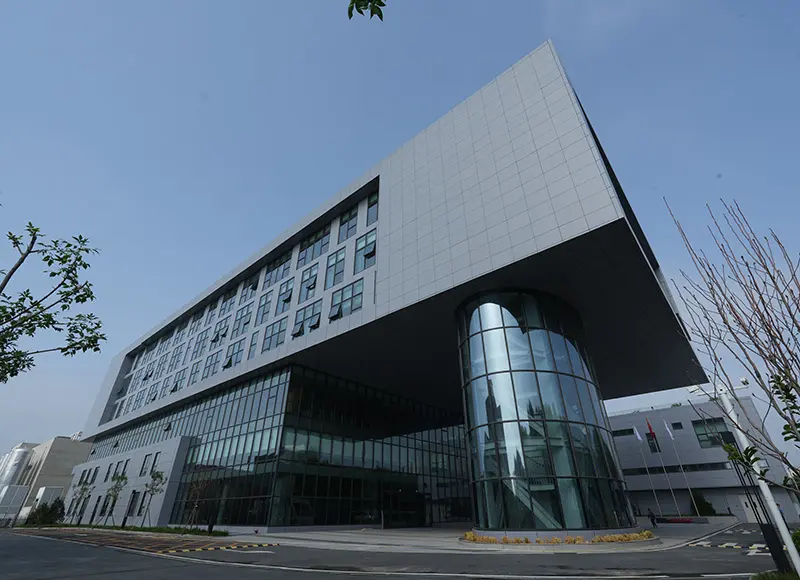
Zerothermo Technology Co., Ltd., a subsidiary of CBVAC Group and a national high-tech enterprise, is headquartered in the Beijing Economic-Technological Development Area with its production base located in Nanchong City, Sichuan Province. This facility stands as one of China’s largest comprehensive production centers for vacuum technology application products.
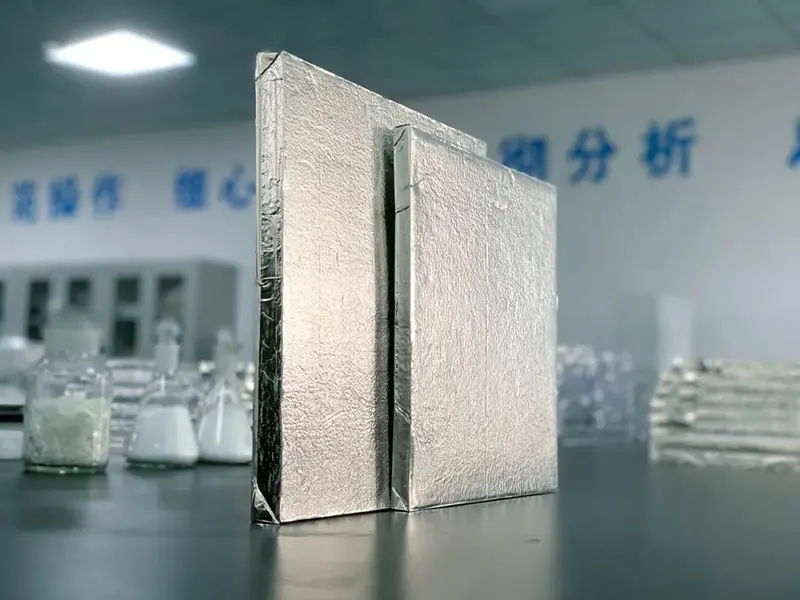
By using CBVAC’s decades of vacuum engineering experience, we develop microporous structures that meet international performance standards. Our manufacturing process integrates precise raw material blending, high-pressure hydraulic compaction, and vacuum bagging to ensure consistent quality for high-temperature and cold-chain applications worldwide.
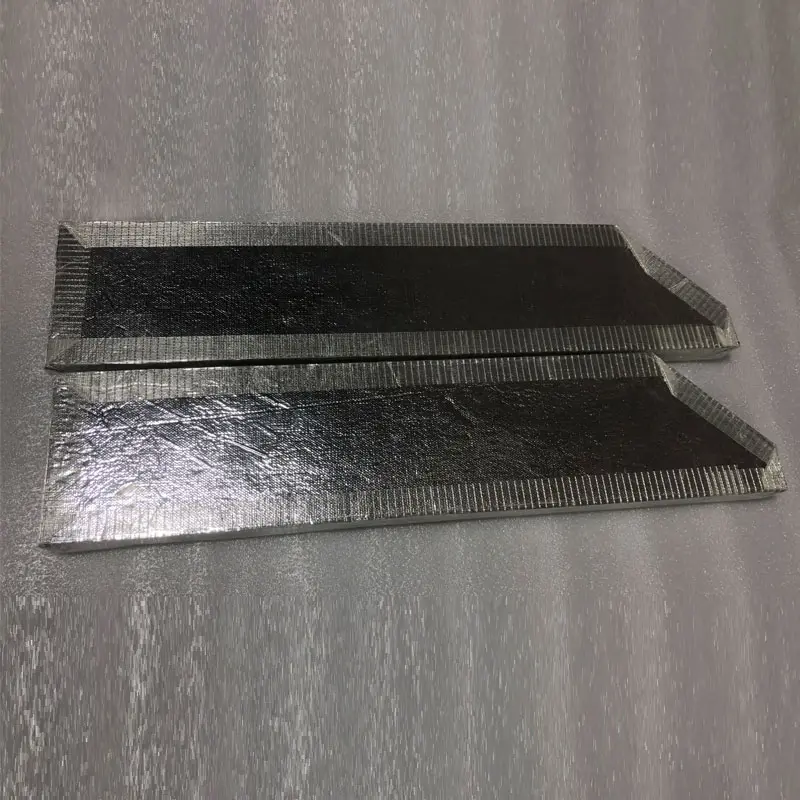
Special sizes beyond standard ANSI/ASME/DIN ranges, customized to client drawings.
Square, oval, and other custom shapes designed for specialized industrial interfaces.
Helium mass spectrometer leak detection processes to verify long-term performance.
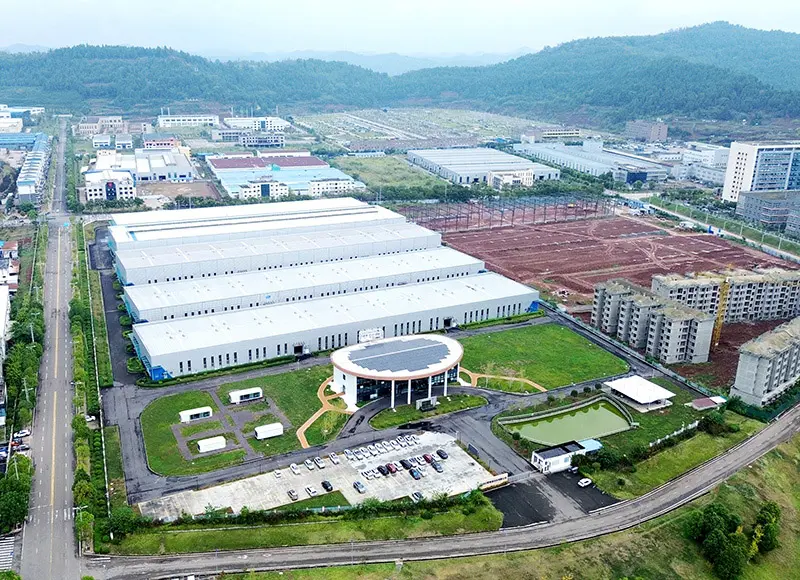

In today's industrial market, lead times and supply chain reliability are critical factors for major projects. Zerothermo Technology addresses these needs by combining raw material sourcing with scalable production capacity in our Sichuan facility. Located near major inland transport arteries, we coordinate direct shipping pipelines from China's industrial zones to the Port of Hamburg (Hafen Hamburg).
Leveraging both China-Europe Freight Trains (arriving at Billwerder Terminal) and marine container shipping via the Yangtze River to Shanghai, arriving in Hamburg in 15 to 32 days.
We maintain raw material reserves and standard-sized panels (600x400mm, 1000x600mm) to expedite shipping for unplanned maintenance windows in northern Germany.
All exports are processed with complete digital documentation, custom tariff clearance codes, and certificates of origin to ensure smooth clearance at the Hamburg border.
From electric vehicle battery enclosures to high-temperature furnace linings, we manufacture panels tailored to specific geometries and thermal profiles.
How Zerothermo Technology delivers consistent performance under extreme conditions.
Our facility operates under ISO 9001 and ISO 14001, conducting quality checks at every step of raw material processing.
We work directly with engineering partners to develop custom profiles and layouts using modern computer-aided design systems.
Our automated pressing and vacuum-sealing lines ensure consistent density and physical dimensions across high-volume production runs.
Direct agreements with global freight carriers enable reliable routing and transit schedules to European transport centers.
Our vacuum insulation and microporous technologies support thermal efficiency across various industries.

Thermal protective packaging for vaccines and temperature-sensitive biologics.

Saves wall thickness in urban developments while meeting strict energy regulations.

Reduces energy usage in industrial furnaces, kilns, and chemical reactors.

Compact thermal insulation for modular cabins, shipping containers, and specialized shelters.
Recent implementations of our high-temperature microporous and vacuum technologies.
Detailed answers to common technical queries from design engineers and project planners.
Microporous panels have a thermal conductivity profile (λ ≤ 0.022 W/m·K at 400°C) that is significantly lower than mineral wool or silicate boards. This allows engineers to achieve equivalent thermal containment using roughly 70-80% less material thickness, saving space inside furnaces and reducing overall structural weight.
For applications such as offshore systems or ship engines in high-humidity areas, we offer panels treated with hydrophobic additives or sealed within moisture-barrier foils. These options prevent water absorption while maintaining thermal performance.
Standard panels can be dispatched quickly from our central stocks. Custom panels requiring unique molds, shapes, or specific encapsulation foils typically take 4 to 6 weeks for production, followed by 3 to 4 weeks of sea freight transit to Hamburg Port.
Yes. Our insulation panels meet EU fire safety regulations (Class A1 non-combustible core options) and environmental standards. We supply technical documentation and performance certificates required for compliance reviews by local authorities in Germany.
Read the latest updates regarding thermal technology developments and global events.
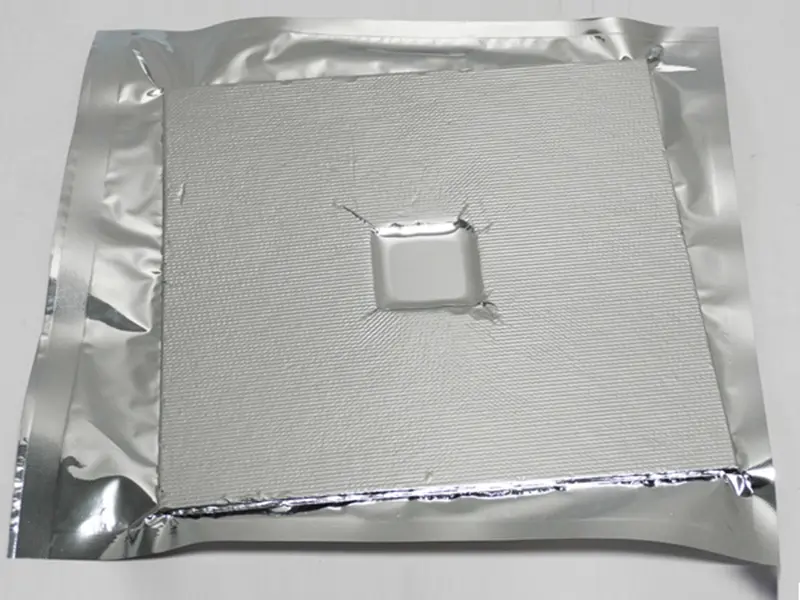
Contact our engineering group to discuss your thermal performance targets, custom dimensional needs, or logistical arrangements for projects in the Hamburg region.






From cold-chain medical containers to high-temperature thermal barriers, discover our full catalog of vacuum and microporous options.
Designed with enhanced compressive strength for floor assemblies and load-bearing thermal applications.
View Details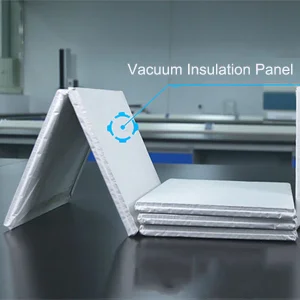
Energy-efficient thermal barrier panels for building envelopes, optimizing indoor climate control.
View Details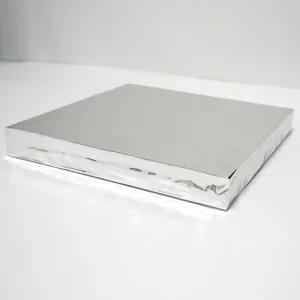
Specially manufactured fumed silica cores for metallurgical kilns and furnace backing systems.
View Details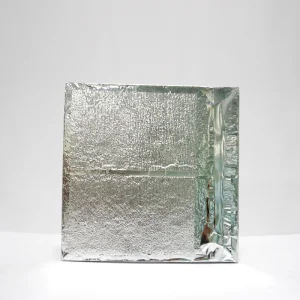
High-efficiency VIP panel designed to maintain precise temperatures in refrigerated logistics containers.
View Details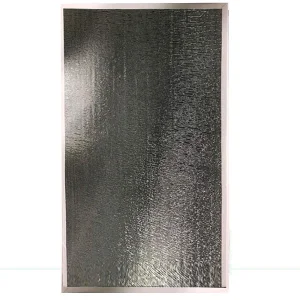
Tailor-made large insulation boards designed for long-haul shipping containers and temperature-regulated logistics.
View Details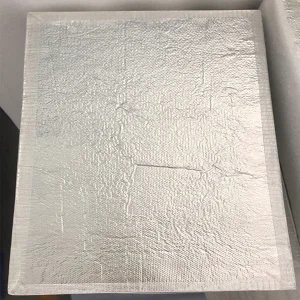
Enhanced protection barrier against moisture ingress and physical wear in demanding environments.
View Details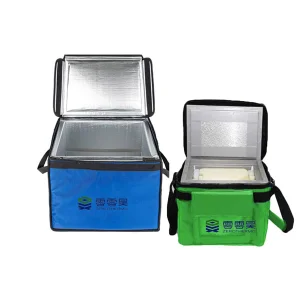
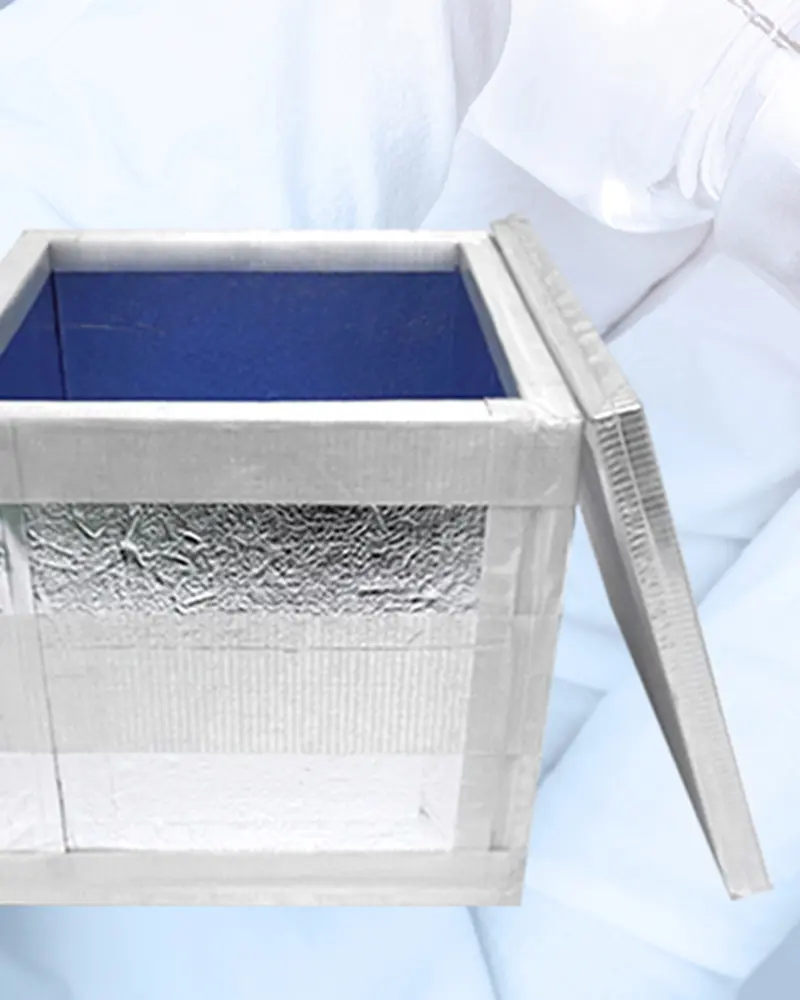
High-efficiency thermal shipper box with integrated VIP panels for global cold chain logistics.
View Details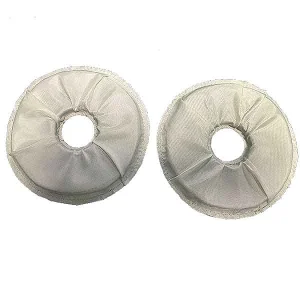
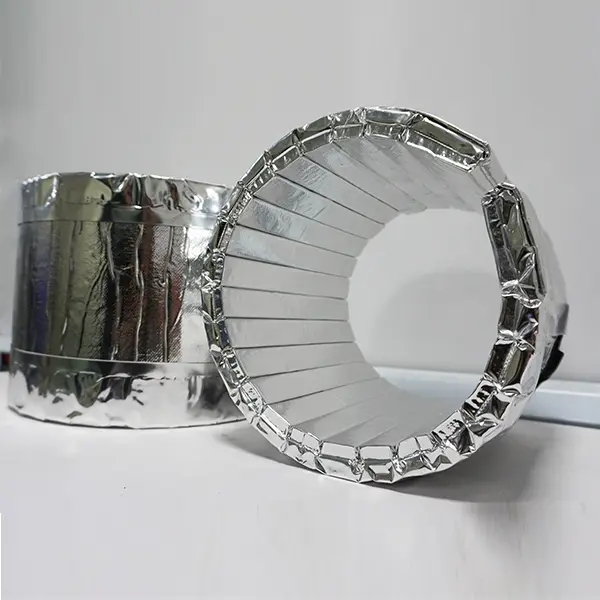
Circular, flexible design configuration for piping elbows, gas turbine housings, and cylindrical vessels.
View Details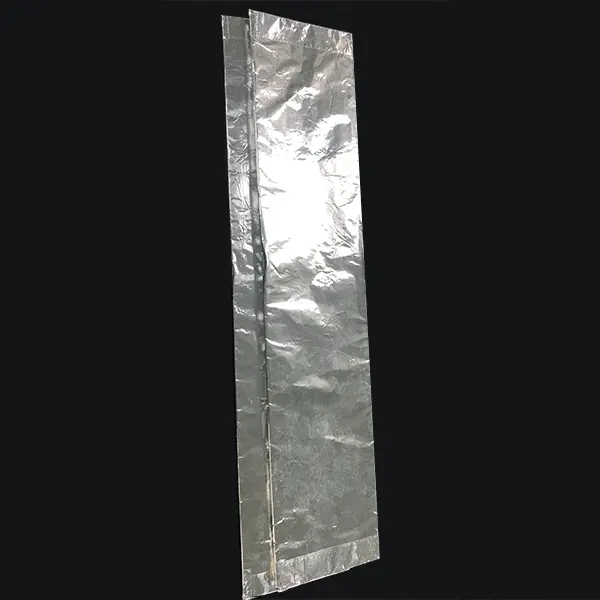




 +86 15892792306