In the modern industrial landscape, thermal management has evolved from a simple mechanical utility into a core component of structural sustainability, energy efficiency, and operational safety. Among all thermal barrier materials, nanoporous thermal insulation panels represent the cutting edge of material science. By utilizing the Knudsen Effect, these panels reduce gaseous conduction to levels lower than that of still air, setting a new benchmark for high-temperature applications across Melbourne and the global market.
Standard microporous structures are composed of synthesized fumed silica (SiO2), which features nanoscale pore diameters ranging from 10 to 20 nm. The structure is reinforced with inorganic opacifiers (such as titanium dioxide or silicon carbide) to block infrared radiation at high temperatures. High-tensile fibers are also integrated to ensure structural durability and resistance to thermal shock.
This composition results in an ultra-low thermal conductivity curve, even at temperatures reaching 1000°C. For industrial facilities operating high-temperature kilns, electric arc furnaces, or thermal storage units, this translates to a 70% reduction in insulation thickness compared to traditional refractory materials like ceramic fiberboards or calcium silicate panels. This thickness reduction enables engineers to expand internal processing volumes while maintaining structural integrity and safety standards.
| Physical Property | Traditional Refractory Fiber | Calcium Silicate Board | Zerothermo Nano Microporous Panel |
|---|---|---|---|
| Thermal Conductivity (400°C) | 0.09 - 0.12 W/m·K | 0.10 - 0.14 W/m·K | 0.020 - 0.026 W/m·K |
| Thermal Conductivity (800°C) | 0.18 - 0.24 W/m·K | 0.20 - 0.28 W/m·K | 0.028 - 0.035 W/m·K |
| Thickness Required for 50°C Shell | 250 mm | 300 mm | 75 - 90 mm |
| Max Service Temperature | 1260°C | 1000°C | 1050°C (Special grades up to 1200°C) |
Globally, industrial emissions and energy consumption are subject to strict regulatory frameworks aimed at achieving net-zero emissions. Organizations such as the International Energy Agency (IEA) highlight industrial energy efficiency as a key strategy for decarbonization. Traditional refractory technologies are no longer sufficient to meet these requirements due to their thickness, weight, and high thermal mass, which cause energy loss during heat-up cycles.
By upgrading to nano-scale thermal barrier interfaces, global industries can reduce energy losses, lower carbon tax liabilities, and extend the lifespan of outer casing steel structures. The low thermal inertia of microporous linings also allows for faster thermal cycles in batch furnaces, boosting productivity and reducing structural stress.
Melbourne remains an industrial center in Australia, with manufacturing hubs in Dandenong, Campbellfield, Somerton, and Laverton North. These areas support metallurgy, pharmaceutical formulation, polymer processing, and advanced component production. With rising energy tariffs in Victoria and the phasing out of gas subsidies, local facilities face pressure to optimize their thermal performance.
Victoria's transition under the Climate Change Act 2017 requires local manufacturers to lower carbon emissions. By replacing traditional, bulky insulation with nano microporous panels, Melbourne plants can improve thermal efficiency and reduce energy costs.
Furthermore, local environmental agencies enforce strict limits on workplace heat exposure. Installing fumed silica microporous barriers reduces shell temperatures on furnaces, incinerators, and hot-pipe manifolds, improving safety for local technicians.
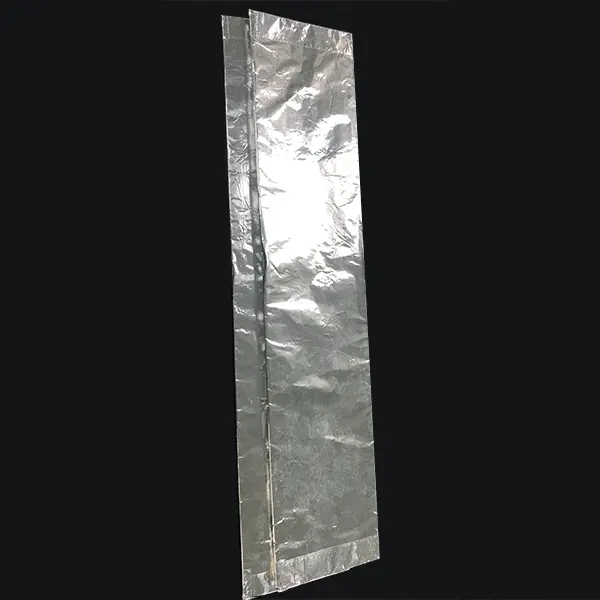
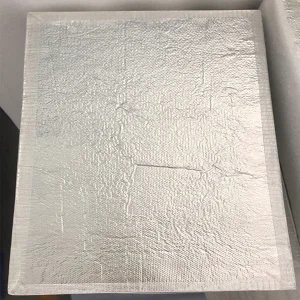
Size: Customized. Thickness: 5mm+. Engineered to prevent thermal runaway in modern EV battery packs.
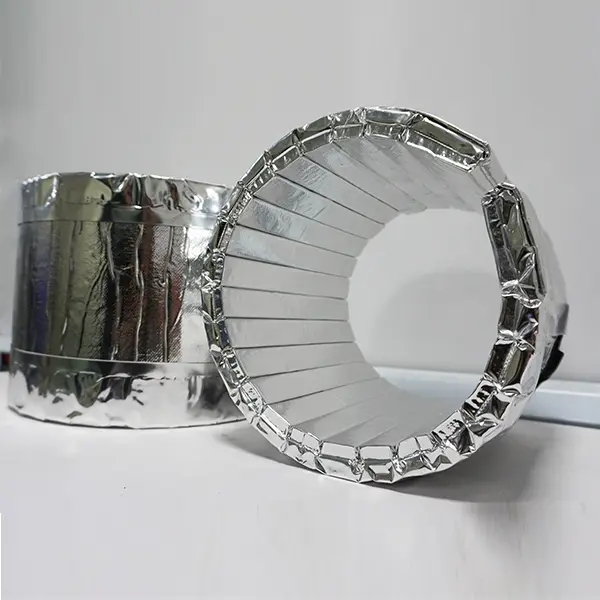
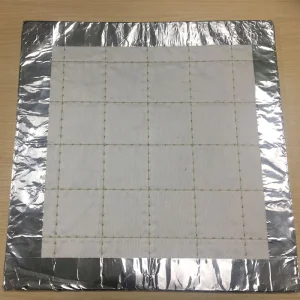
Size: Customized. Thickness: 5mm+. Integrated moisture barriers for humid industrial settings.
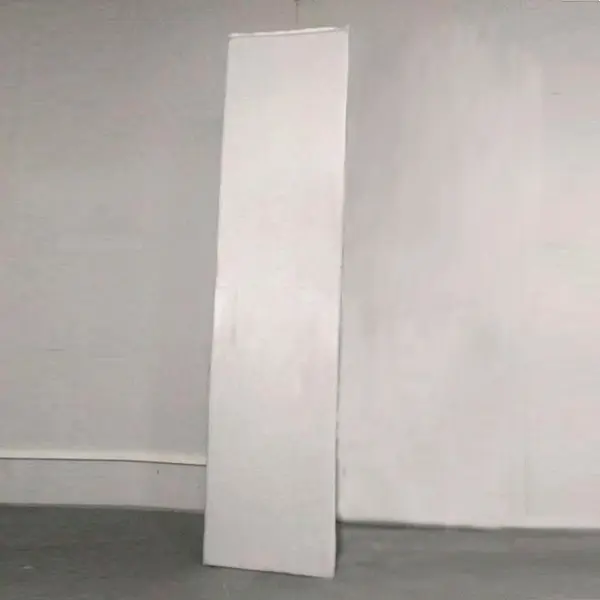
Engineered for high-rise fire doors, minimizing weight while maintaining fire barrier ratings.
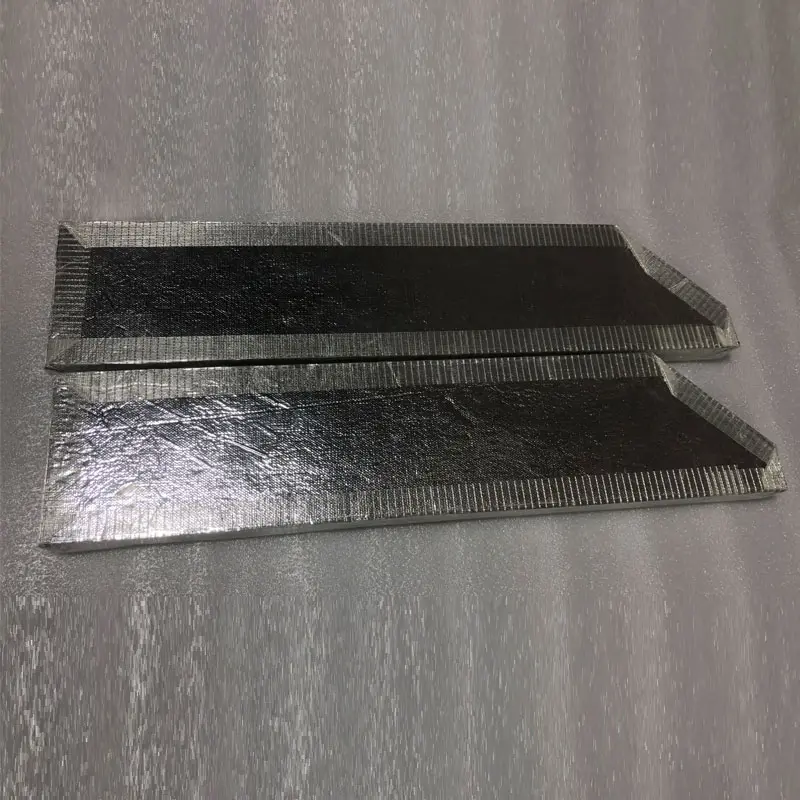
Custom shapes tailored to fit complex pipeline geometries and tight mechanical clearances.
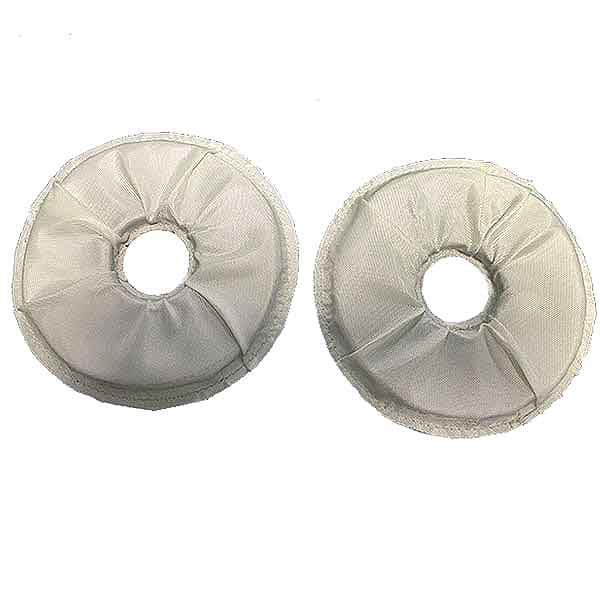
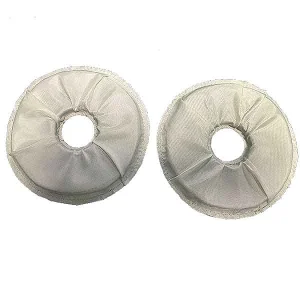
Flexible designs for cylindrical pipes, reactors, and thermal storage tanks.
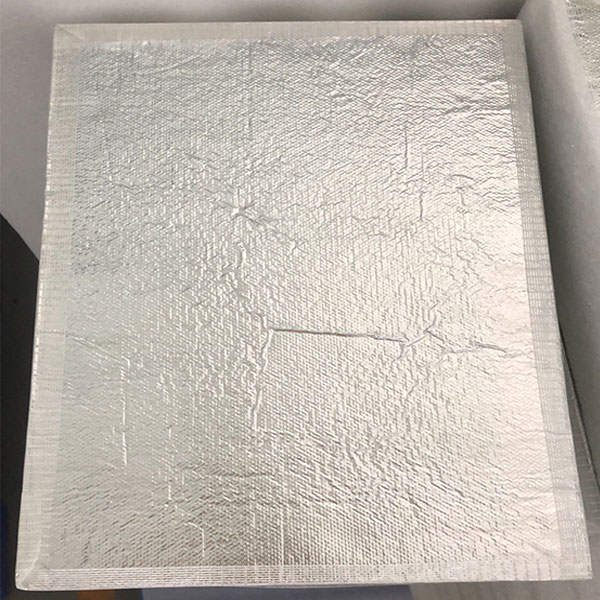
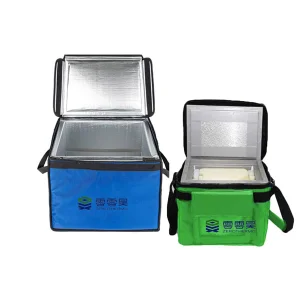
Engineered for refrigeration systems, cold chain boxes, and modular cold rooms.
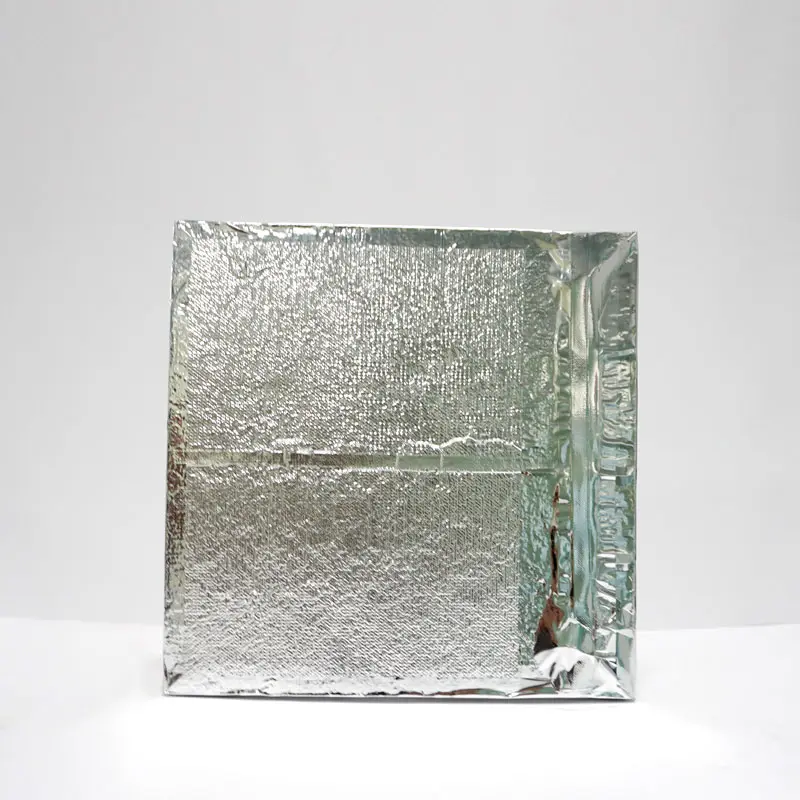
Maintains consistent internal temperatures for medical supplies and temperature-sensitive food transport.
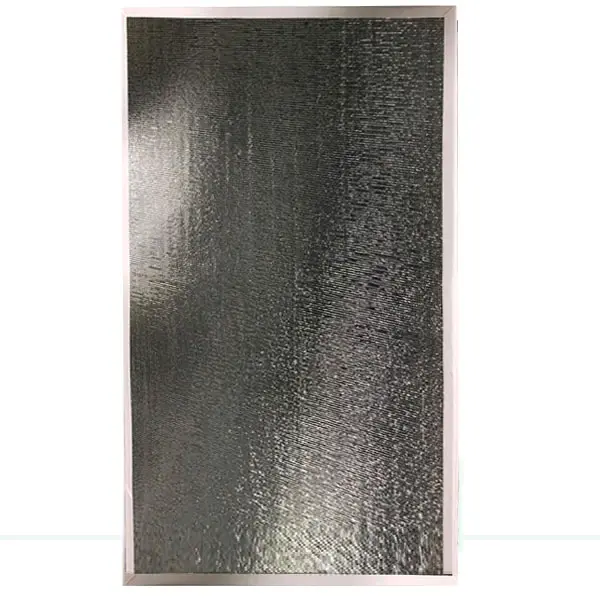
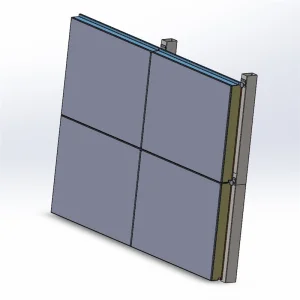
Large format panel installations designed to minimize thermal bridging in cold storage construction.
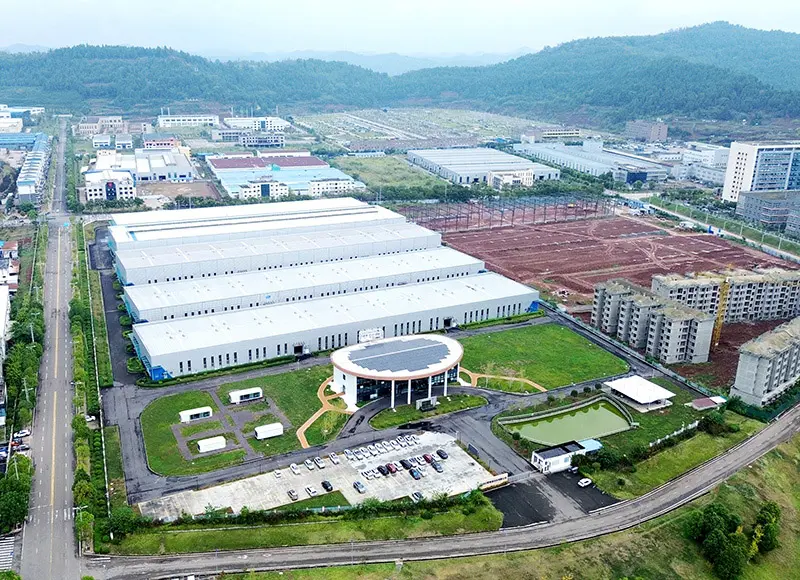
Zerothermo Technology Co., Ltd., a subsidiary of the CBVAC Group and a national high-tech enterprise, is headquartered in the Beijing Economic-Technological Development Area, with its primary production base located in Nanchong City, Sichuan Province. This facility stands as one of China's largest comprehensive production centers for vacuum technology and advanced thermal insulation systems.
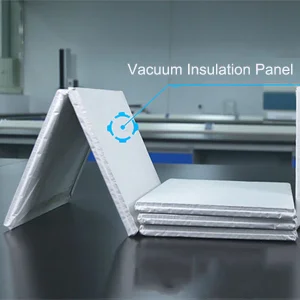
By integrating advanced research and development with large-scale production, we supply high-performance nano microporous thermal insulation panels and vacuum insulation panels (VIPs) to industrial plants, pharmaceutical networks, and architectural contractors worldwide.

Special sizes configured to customer drawings or technical parameters, bypassing standard dimensional limits.

Square, oval, and other complex shapes, including micro-precision flanges and diameters exceeding 60 inches.

Designed in compliance with ANSI, ASME, DIN, and AS/NZS engineering standards.
Manufactured using advanced automated processing lines under strict QA systems to ensure consistent performance across production runs.
Thermal and structural modeling to create custom configurations tailored to specific industrial environments.
Large-scale production facilities in Nanchong support bulk requirements for major industrial builds and infrastructure projects.
Optimized logistics pathways to supply project sites across Melbourne, regional Victoria, and global delivery networks.
A subsidiary of the CBVAC Group, offering long-term engineering support and continuous R&D innovation.
Contact our engineering team to discuss your project requirements and thermal specifications.
Inquire Today
Ensuring reliable temperature control for vaccine transport and cold storage systems.

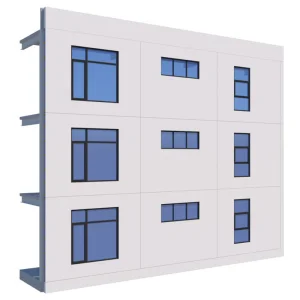
Slender wall designs and high insulation performance to support carbon-neutral construction goals.

Slashing thermal losses in heavy furnaces, metallurgical ladles, and chemical reactors.

Compact fire barriers and thermal shielding in high-traffic public infrastructure.

Integration of nano microporous shielding into laboratory process chambers to isolate heat output.
View Case Details
Replacing worn lining materials with 50mm fumed silica systems, saving an estimated 28% in electricity consumption.
View Case Details
Installation of thin-profile vacuum insulation panels to optimize internal space while meeting strict thermal ratings.
View Case Details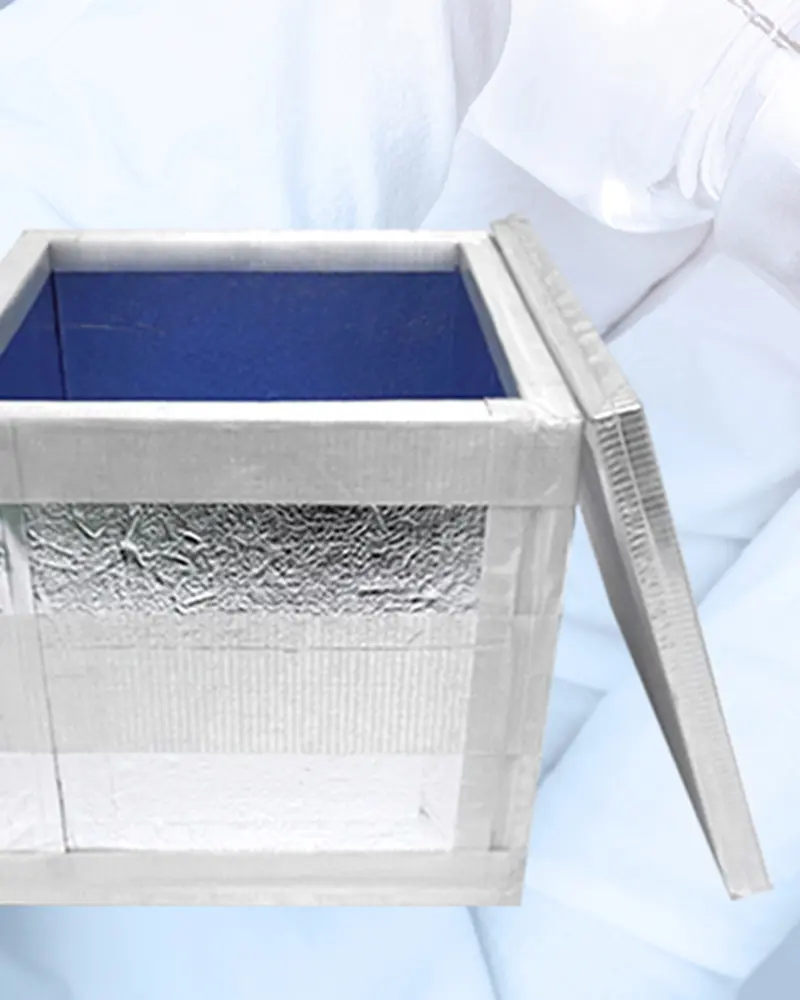
Utilizing VIP-insulated container systems to maintain stable cold-chain compliance for vaccines.
View Case DetailsThe path forward for advanced insulation materials is defined by three key trends: hybrid chemical structures, integrated monitoring systems, and circular manufacturing processes.
Under design operating temperatures (up to 1000°C), fumed silica nano microporous panels retain their thermal properties and structural integrity for the entire operating life of the furnace liner or equipment shell, provided they are protected from mechanical damage and moisture. They do not age or degrade like organic foam products.
Our standard panels are designed with excellent compressive strength (typically 0.3 to 0.5 MPa at 10% deformation). For high-load industrial applications, such as the bottom of metallurgical ladles or heavy kilns, we offer reinforced grades with elevated compressive ratings to prevent structural degradation under load.
Standard fumed silica is naturally hydrophilic. Contact with water can collapse the nano-pore matrix and reduce its insulation performance. To address this, we produce specialized hydrophobic grades and use protective barrier coatings (such as plastic films or heat-shrunk foils) to keep the core dry in damp environments.
Because the thermal conductivity of nano microporous panels is approximately 4 times lower than that of ceramic fiber at 800°C, you can reduce the required insulation thickness by 70% to 75% while achieving the same cold-face shell temperature. This increases inner chamber capacity and reduces overall weight.
Yes. Our insulation panels are made of non-combustible inorganic materials, complying with AS 1530.1 testing guidelines for building materials and fire door cores. They release no toxic fumes or smoke under high thermal loads, making them suitable for use in public transport, high-rise buildings, and industrial plants.
Our engineering team is ready to assist you with thermal modeling calculations, thickness analysis, and custom dimension designs to meet your specific project needs.