
Premium Insulation Catalog

Global Industrial Whitepaper
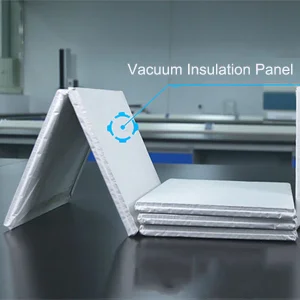
In an era structured around strict decarbonization goals, energy efficiency has moved from a compliance check box to a vital competitive parameter. The thermal insulation market is witnessing a major shift, migrating away from conventional porous materials toward ultra-high-efficiency Vacuum Insulation Panels (VIPs) and nano-microporous structures. Traditional insulation systems—such as polyurethane (PU) foam, expanded polystyrene (EPS), and mineral wool—rely on trapping gas inside pockets. However, the thermal conductivity of the static gas still sets a limit on their insulating capability.
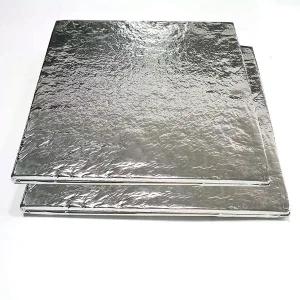
VIPs overcome this thermodynamic limit by removing gas molecules from the core structure altogether. This reduces gas conduction and convection to near zero. By maintaining internal vacuum pressures below 1 mbar, VIPs achieve design thermal conductivities ($\lambda$-values) as low as 0.002 to 0.004 W/(m·K). This level of performance is roughly 5 to 10 times more effective than conventional options, enabling thinner insulation envelopes, increased storage volumes, and superior thermal retention.
| Insulation Type | Core Density (kg/m³) | Thermal Conductivity (W/m·K) | Thickness Req. for R-10 (mm) | Lifespan / Reliability |
|---|---|---|---|---|
| Fumed Silica VIP | 180 - 220 | 0.004 (at vacuum) | 20 mm | Up to 50 Years (Low aging rate) |
| Fiberglass Core VIP | 240 - 280 | 0.002 (at vacuum) | 10 mm | 10 - 15 Years (Higher moisture sensitivity) |
| PU Foam | 35 - 45 | 0.023 - 0.028 | 120 mm | Gradual aging due to cell gas escape |
| Mineral Wool | 80 - 140 | 0.035 - 0.040 | 180 mm | Moisture-dependent breakdown |
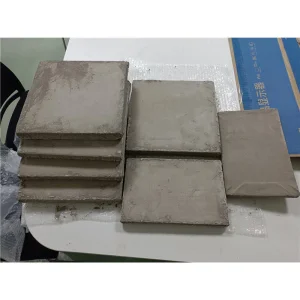
Enterprise procurement teams must understand the core structural difference when ordering custom VIP panels. Fumed silica core panels feature a matrix of nano-sized amorphous silica particles. This matrix creates a microporous network with average pore diameters smaller than the mean free path of air molecules at atmospheric pressure (~70 nm). As a result, fumed silica VIPs maintain excellent insulation properties even if the vacuum degrades over time. Conversely, fiberglass core VIPs achieve lower initial thermal conductivity values (~0.0018 W/(m·K)) but are more sensitive to vacuum loss, requiring high-grade envelope protection and dessicant systems to prevent performance drops.
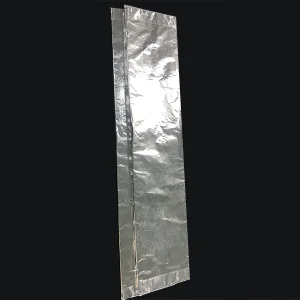
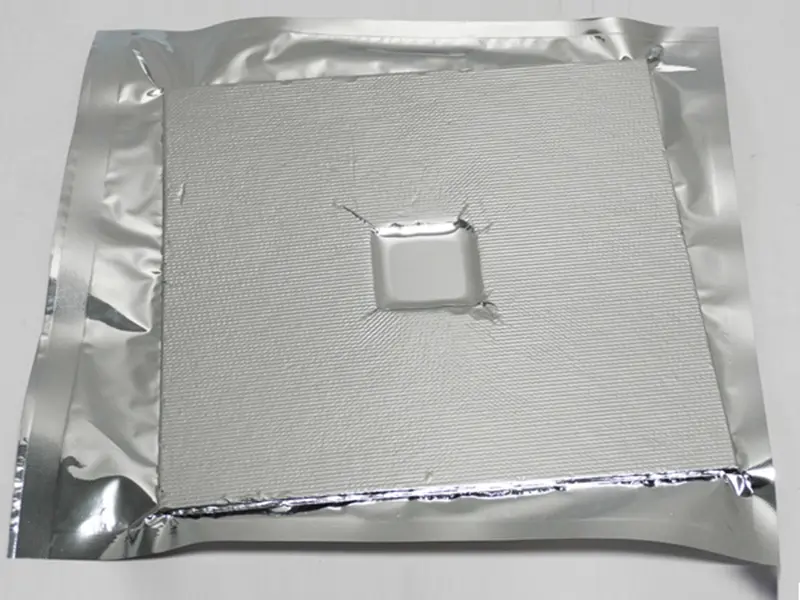
Moving vacuum insulation panels globally requires specialized handling and manufacturing processes. Because VIPs are pre-fabricated to exact dimensions and cannot be modified or cut on-site, modern manufacturers need to integrate custom designs early in the engineering phase. Standard shipping methods can expose VIPs to pressure changes, puncture risks, and high humidity. High-quality VIP manufacturers use multi-layered aluminum barrier films with advanced sealing designs to withstand transit stresses, ensuring panels arrive with their vacuum intact.
Manufacturing Powerhouse
Zerothermo Technology Co., Ltd., a subsidiary of the renowned CBVAC Group, is a national high-tech enterprise at the forefront of vacuum technology applications. Headquartered in the Beijing Economic-Technological Development Area, the company operates its advanced production base in Nanchong City, Sichuan Province. This specialized facility represents one of China's largest comprehensive production centers for vacuum insulation products and high-vacuum equipment.
By using CBVAC Group's deep vacuum engineering expertise, Zerothermo has built advanced automated production lines. These lines integrate real-time vacuum chamber performance monitoring, automated envelope sealing, and high-resolution thermodynamic testing. These upgrades help address the challenges of high-volume global procurement by reducing core material variation and preventing common failures, such as slow outgassing and micro-void leaks, that can affect typical VIP products.
Special dimensions outside ANSI/ASME/DIN standards are customized according to drawings or technical requirements.
Square, oval, or complex geometry VIP designs. Fits micro precision units up to large structural sizes exceeding 60 inches.
Continuous quality monitoring using helium mass spectrometry and thermal scanning to ensure vacuum stability across production batches.
Tailored Specifications
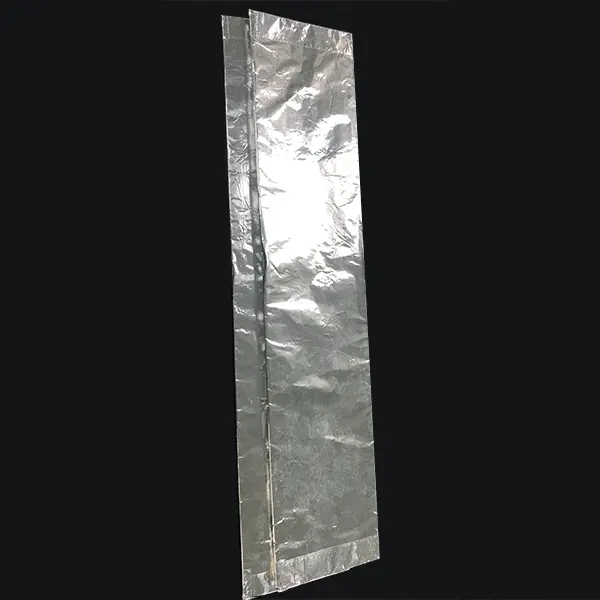
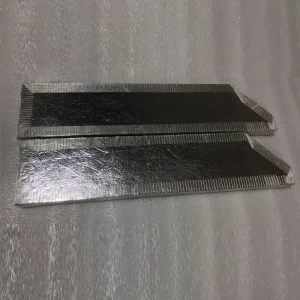
Size: Customized. Thickness: 5-10mm. Designed for thermal runaway prevention and cold-weather capacity retention in electric vehicles.
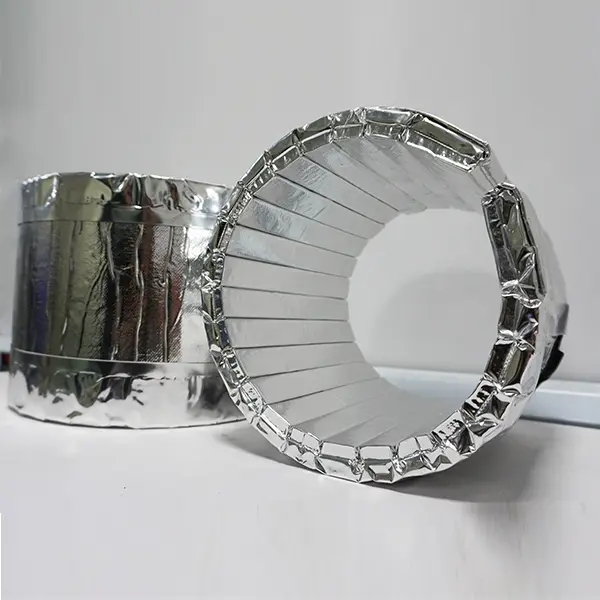
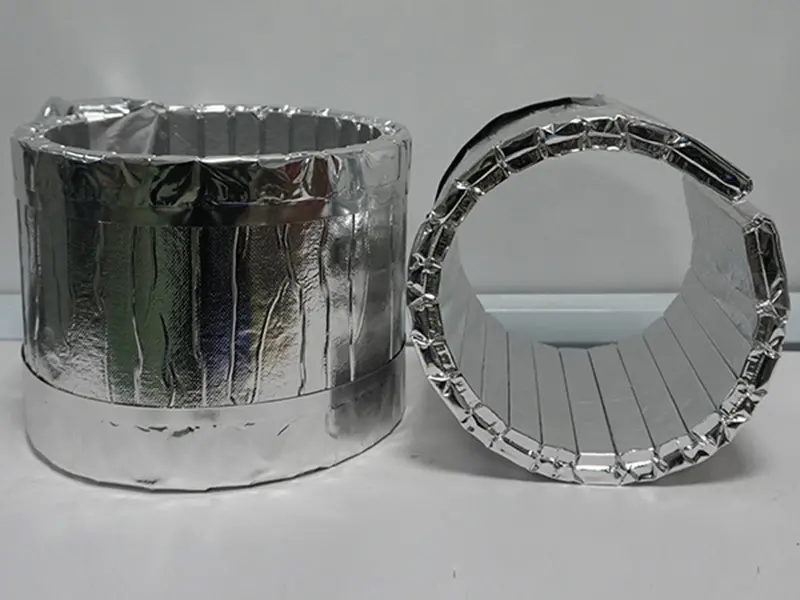
Size: Customized. Thickness: 5-25mm. High-efficiency thermal wraps that minimize standby heat losses in domestic and industrial systems.
High-integrity nano microporous core panels engineered for elevator fire protection systems and blast door designs.
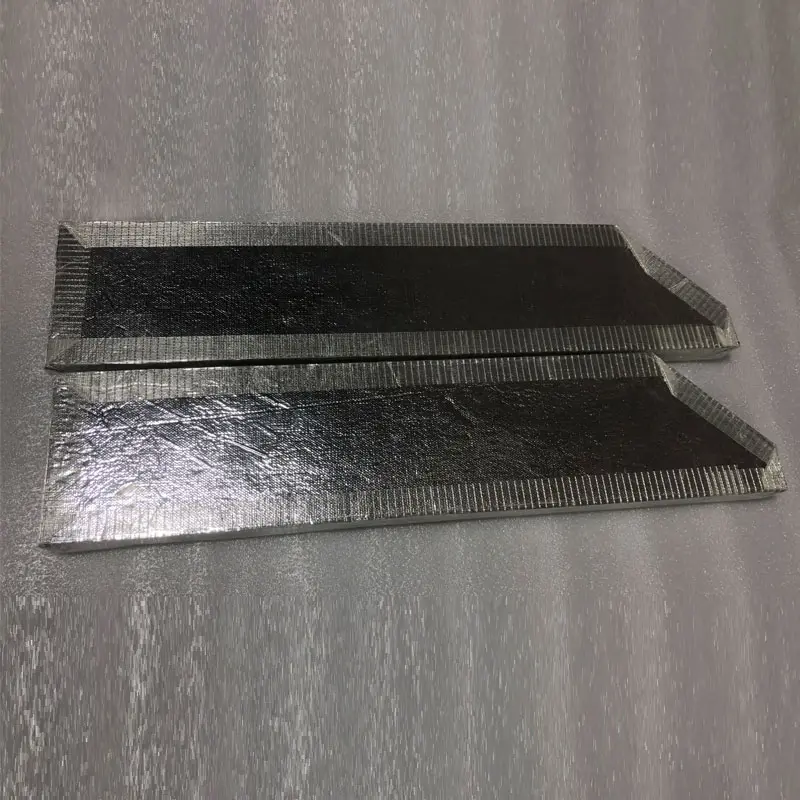
Custom shapes featuring outer PET protection wrap to prevent surface punctures during mechanical installation.
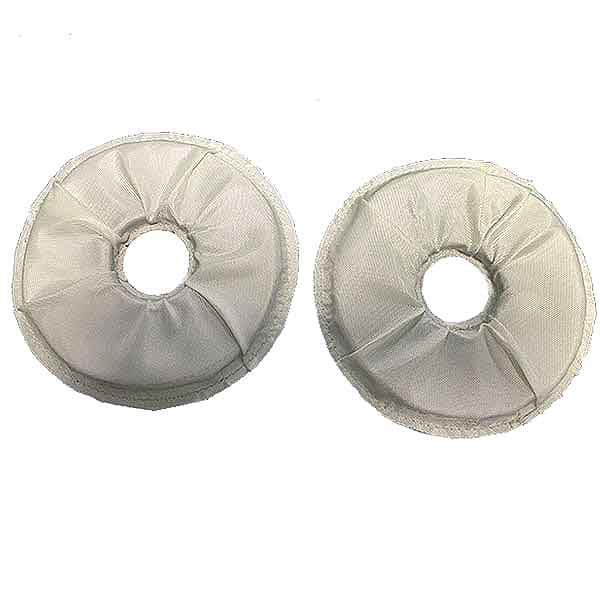
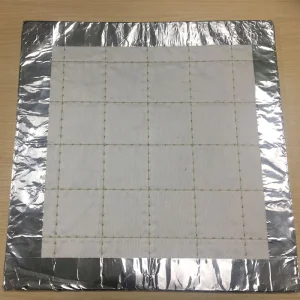
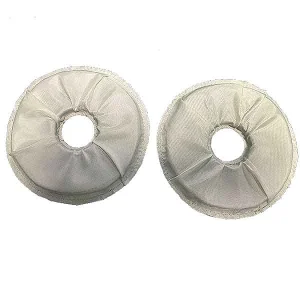
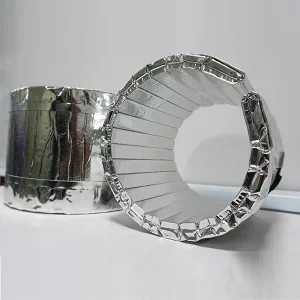
Round and contoured flexible thermal blankets designed for high-temperature pipe bends and industrial reactor domes.
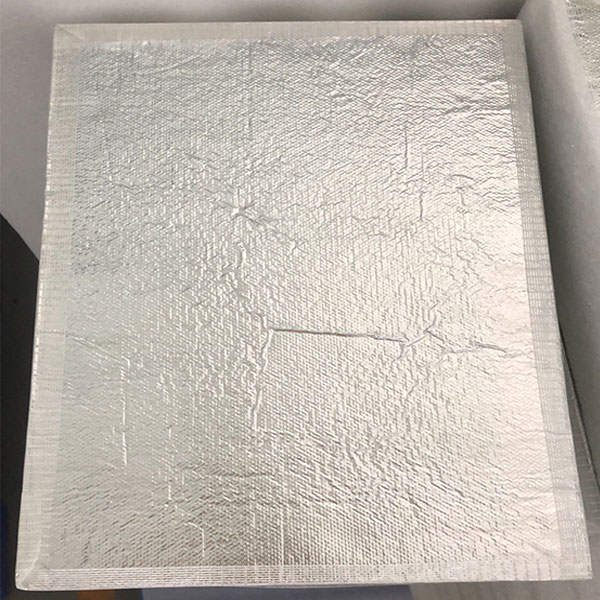
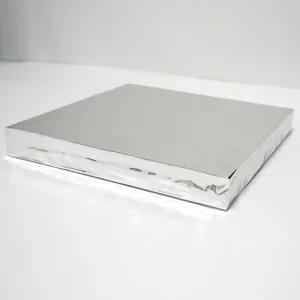
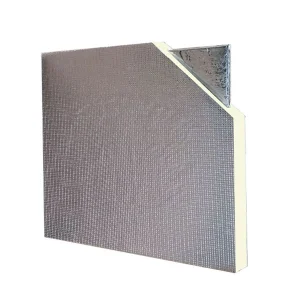
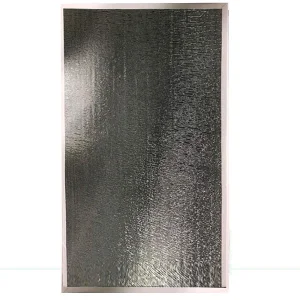
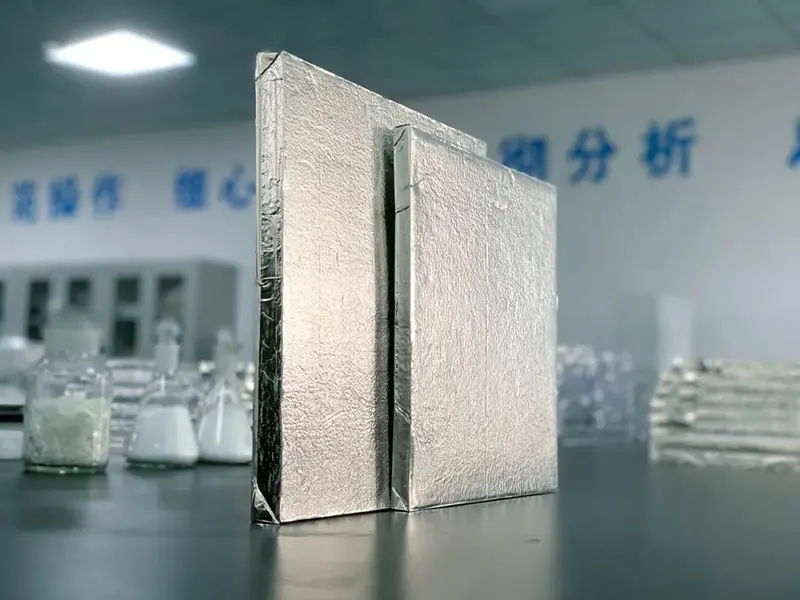
Ultra-low thermal conductivity VIP core boards tailored for cold chain transport logistics and space-constrained architectural walls.
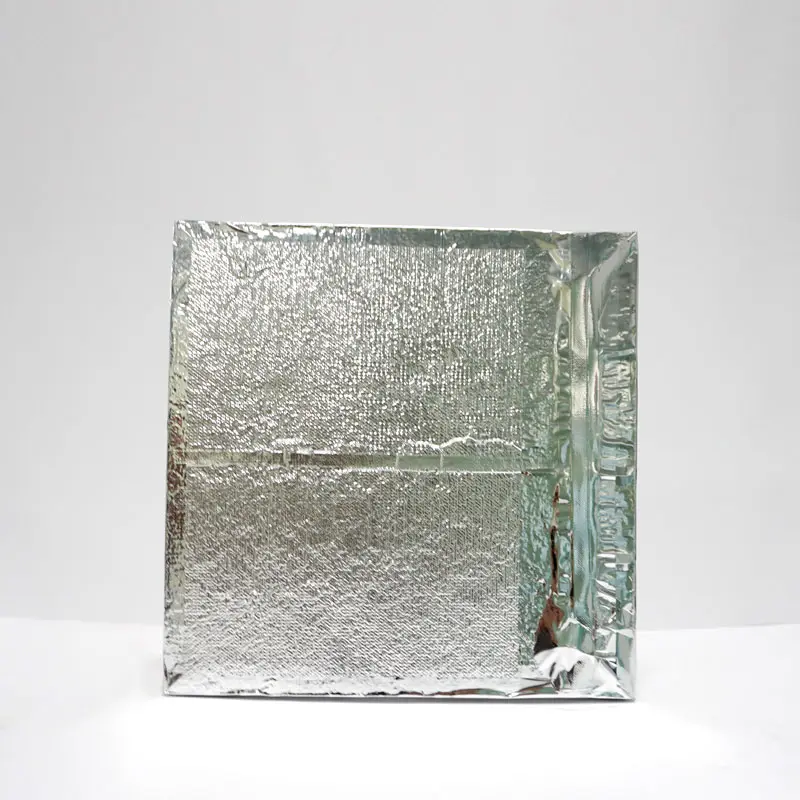
Long-life VIP shells optimized for temperature-controlled shipping boxes, ensuring stable interior temperatures for over 120 hours.
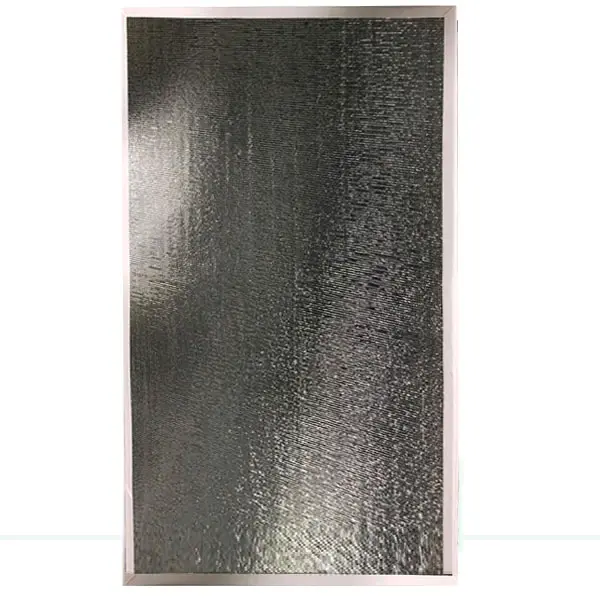
Extra-large thermal boards designed for shipping container retrofits and industrial cold-storage room lining.
Technology First
Certified raw materials, continuous automated chamber testing, and strict quality control processes ensure each panel maintains its vacuum barrier rating.
From initial 3D rendering to custom production, our engineers design panels to fit around structural columns, pipe penetration points, and battery housing.
With our Nanchong facility, we manage high-volume orders for regional construction projects and international logistics equipment supply.
Specially designed export packaging protects panels from ambient air pressure shifts and physical damage during international shipping.
Target Scenarios
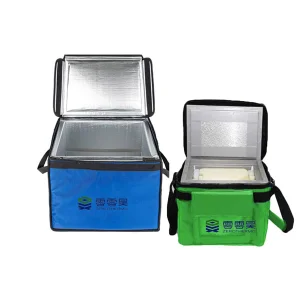
Providing high-efficiency thermal insulation solutions for temperature-sensitive shipping. Advanced VIP packaging maintains tight thermal control to protect vaccine and medical shipments through extreme transit climates.
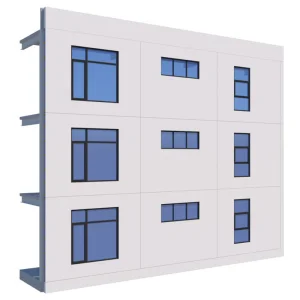
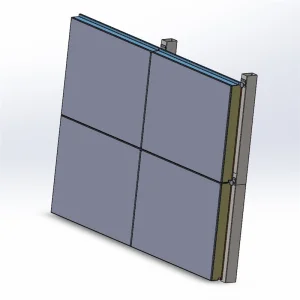
Ultra-thin VIP wall panels help reduce thermal bridging in modern building facades. They maximize indoor usable space while meeting passive house standards and net-zero carbon building certifications.
Nano-microporous thermal blankets insulate furnaces, boilers, and industrial pipe networks. Reducing radiant energy losses helps lower system fuel demands and improves furnace temperature control.
Thin thermal barriers installed inside electric vehicle battery packs provide fire safety protection, helping prevent thermal runaway between neighboring battery cells.
Proven Performance

Integration of precision vacuum barrier flanges and custom micro thermal enclosures for cleanroom processing equipment.

Upgrading manufacturing chambers with custom VIP insulation to stabilize thermal environments during process cycles.
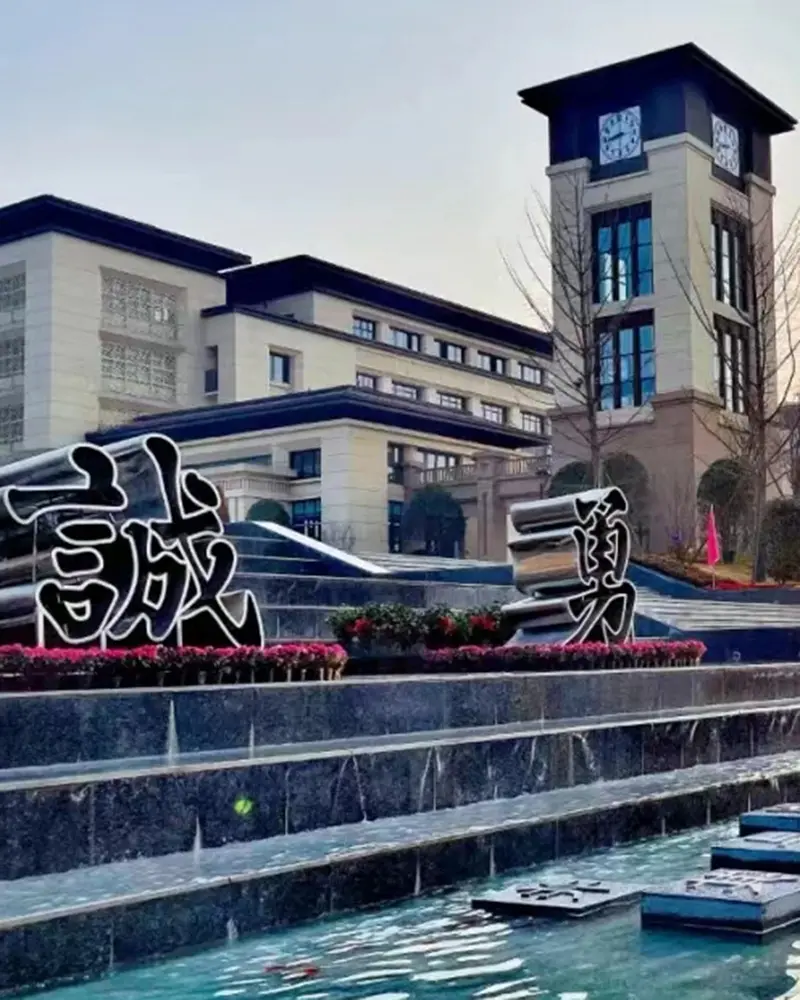
Using VIP structural cladding in high-density building spaces to meet green building standards with thin wall profiles.
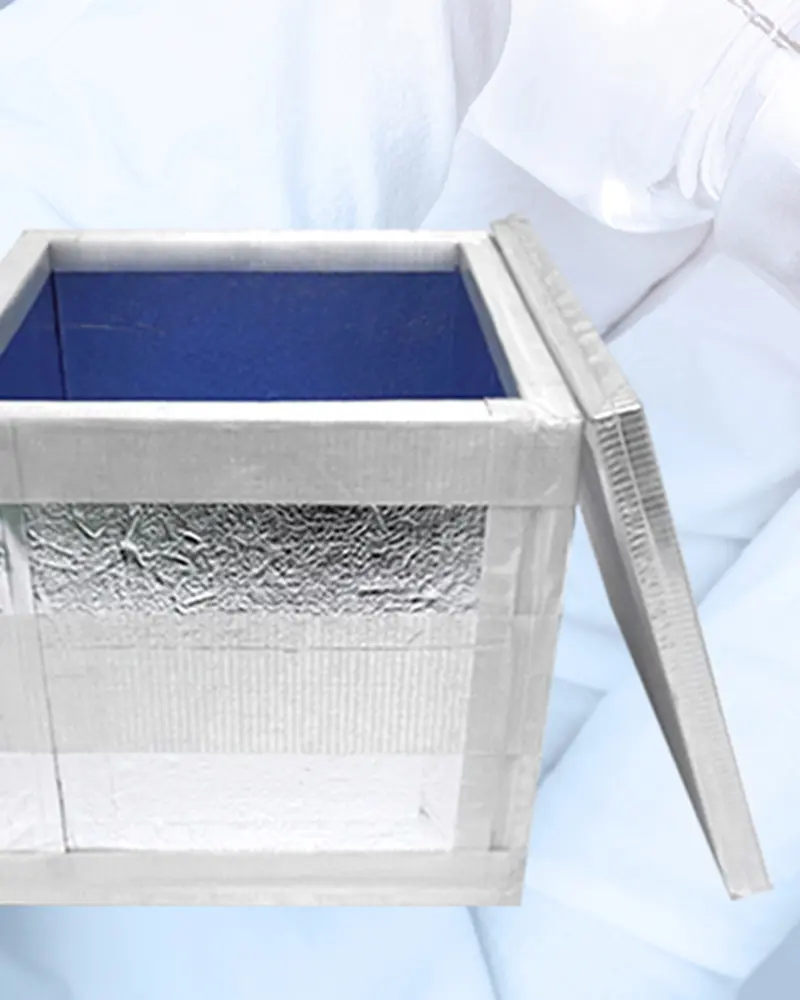
Supplying high-performance VIP shipper boxes to preserve critical vaccines across region logistics routes.
Technical Reference
Premium Insulation Catalog
Market Updates
Direct Connection
We provide one-stop vacuum insulation solutions, from thermal performance modeling to custom design and worldwide freight logistics. Reach out to discuss your project requirements.


