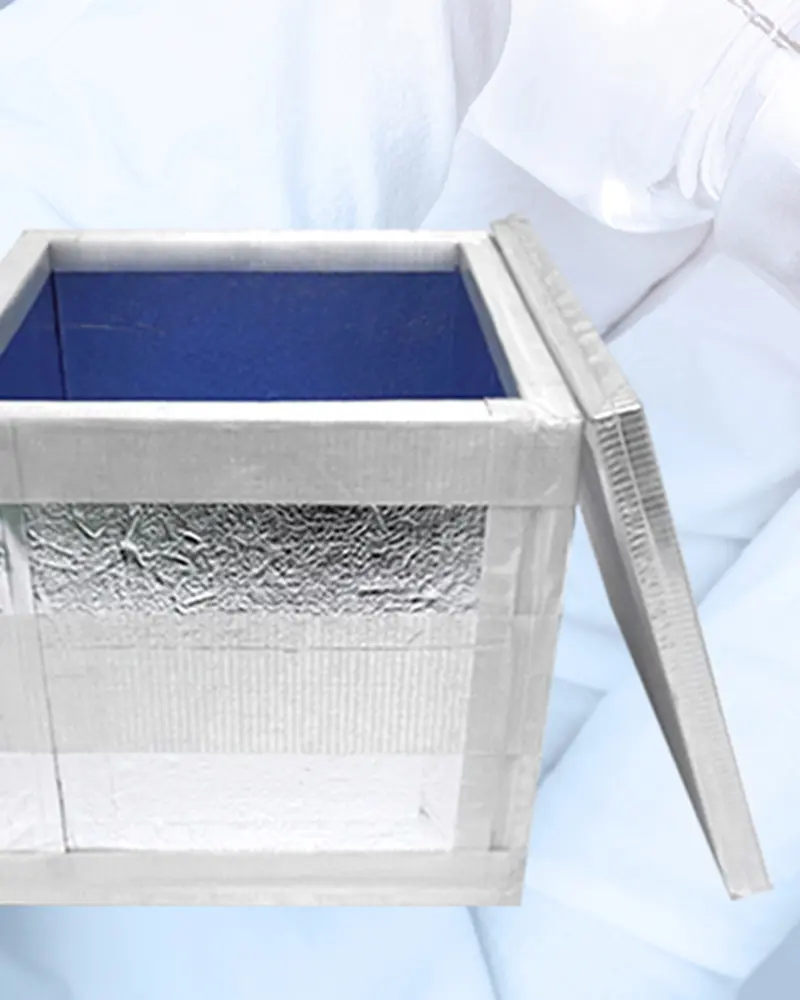
Unmatched thermal resistance profiles utilizing cutting-edge fumed silica matrices and vacuum core engineering.
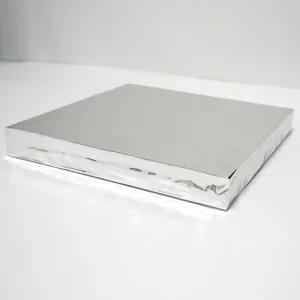
Engineered for extreme operating environments requiring minimal thermal conductivity at structural junctions.
Request Quotes →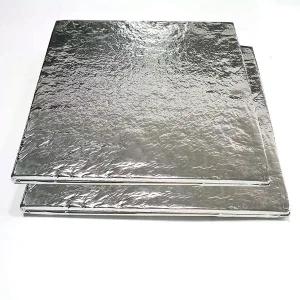
Ultra-low core thermal conductivity engineered for high-efficiency refrigeration cabinets and structural panels.
View Details →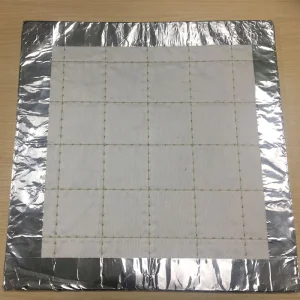
Flexible nanostructured mats designed for wrapping pipelines, engine cowlings, and intricate complex geometric components.
Get Quotes →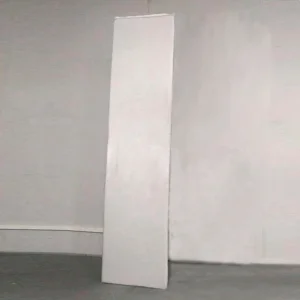
Heavy-duty, fire-resistant barriers optimized to withstand intense direct flames in critical egress zones.
Inquire Price →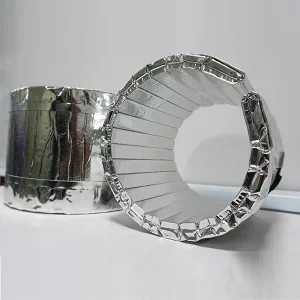
High-density nano blankets optimized for rapid installation and long-term thermal energy preservation.
Get Quotations →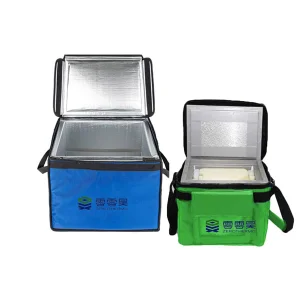
Cold chain compliance boxes integrating fumed silica VIPs for maximum vaccine shelf-life protection.
Request Factory Price →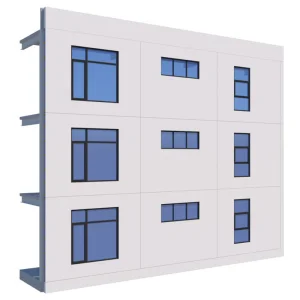
Integrated structural cladding providing visual aesthetics coupled with world-class heat shielding.
Compare Models →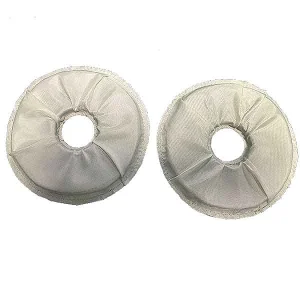
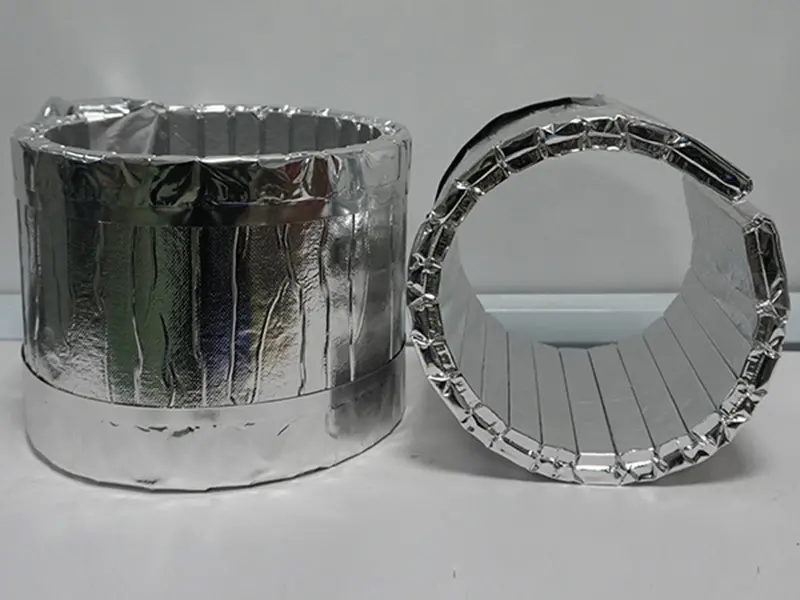
Precision-cut circular thermal mats optimized for tight cylindrical aerospace assemblies and defense components.
Request Customized Quote →Aerospace thermal management demands materials capable of resisting intense heat transfer within compact cross-sections. Traditional insulation materials (such as mineral wool, ceramic fibers, or polyurethane foams) rely on trapping air within large pores. However, at temperatures exceeding 500°C, radiant energy passes through these materials with minimal resistance.
Custom Microporous Panels for Aerospace overcome this limitation through nanostructured material design. Composed of high-grade fumed silica particles ranging between 7 and 20 nanometers, these panels create an incredibly dense matrix of interconnected pores that average less than 20 nanometers in diameter. This pore size is critically smaller than the mean free path of air molecules at standard atmospheric pressure (approximately 68 nanometers).
By restricting the space available for molecular collisions, the Knudsen Effect is triggered. Gas molecules collide with the boundaries of the nanostructured silica matrix far more frequently than they collide with each other, effectively neutralizing gas-phase thermal conduction. Furthermore, to counteract infrared radiation, specialized opacifiers (such as titanium dioxide or zirconium silicate) are blended uniformly into the core, scattering and absorbing radiant heat up to peak temperatures of 1100°C.
As the global aerospace sector pivots towards carbon neutrality and elevated propulsion efficiency, structural weight reduction is paramount. Every kilogram saved on a commercial aircraft or satellite launch vehicle translates into direct fuel savings and decreased emissions.
| Thermal Performance Matrix | Traditional Ceramic Fiber | Aerogel Blanket | Custom Microporous Panel |
|---|---|---|---|
| Thermal Conductivity at 600°C (W/m·K) | 0.12 - 0.18 | 0.045 - 0.065 | 0.021 - 0.032 |
| Required Density (kg/m³) | 96 - 160 | 180 - 220 | 280 - 320 |
| Space Efficiency (Relative Thickness) | 4.5x (Thickest) | 2.0x (Medium) | 1.0x (Optimal Space Saver) |
| Flame Resistance Class | Class A1 | Class A2/B1 | Class A1 (Incombustible) |
By utilizing custom microporous panels, aerospace structural designers can reduce thermal protection system (TPS) thicknesses by up to 75% compared to mineral or ceramic fiber alternatives, freeing up vital space for avionics telemetry, auxiliary power units, or passenger cabin volume.
The next era of aviation relies heavily on liquid hydrogen propulsion systems and lithium-ion battery blocks for electric vertical takeoff and landing (eVTOL) craft. Under cryogenic regimes (liquid hydrogen storage at -253°C), vacuum insulation panels (VIPs) featuring custom fumed silica cores prevent boil-off with unprecedented efficiency.
Conversely, inside battery packs, custom flexible microporous wraps serve as active barriers against thermal runaway. If a single lithium-ion cell fails catastrophically, the microporous barrier prevents adjacent cells from exceeding critical ignition thresholds, ensuring aircraft safety during transits.
Our bespoke design processes support exact thickness, shapes, and encapsulation specifications.
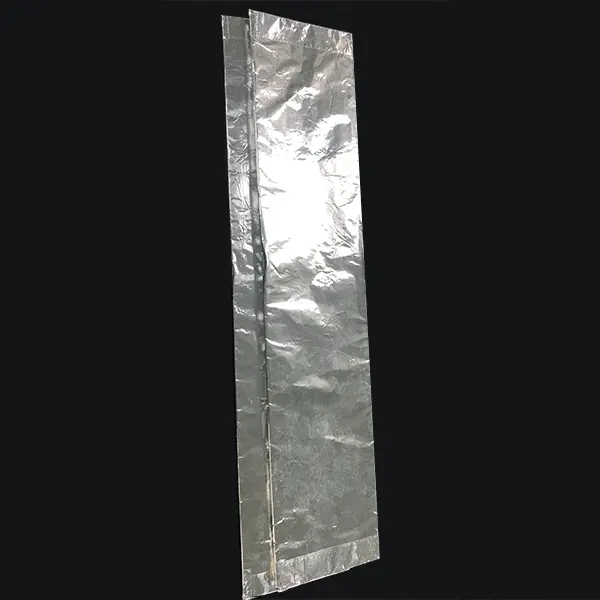
Customized thickness (5-15mm) engineered for tight automotive and eVTOL cell arrays.
View Details +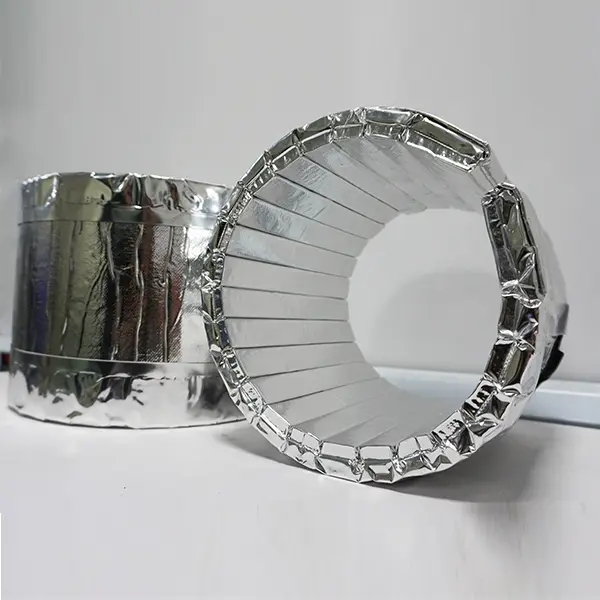
Bespoke containment wrappers with high thermal stability for high-pressure storage vessels.
View Details +
Optimized fireproof barriers meeting strict aerospace bulkhead fire protection protocols.
View Details +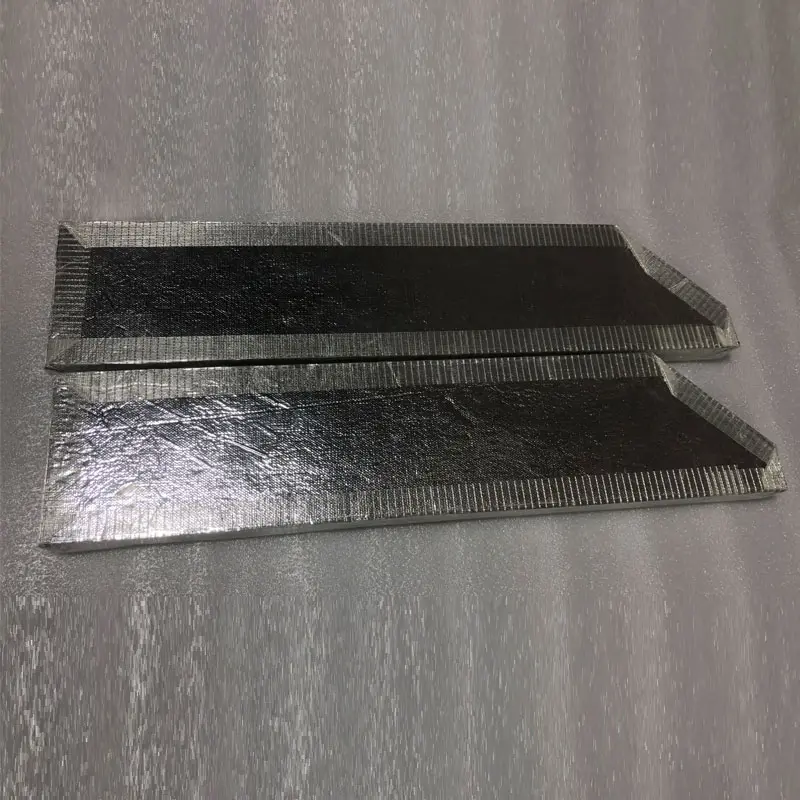
Vacuum core panels curved and pre-formed to fit circular fuselage outlines and spherical storage.
View Details +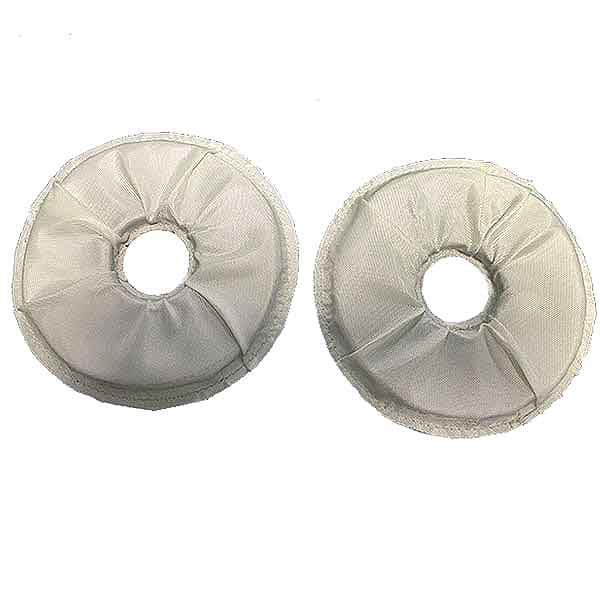
Circular, segmented configurations designed to protect rocket exhaust thrusters.
View Details +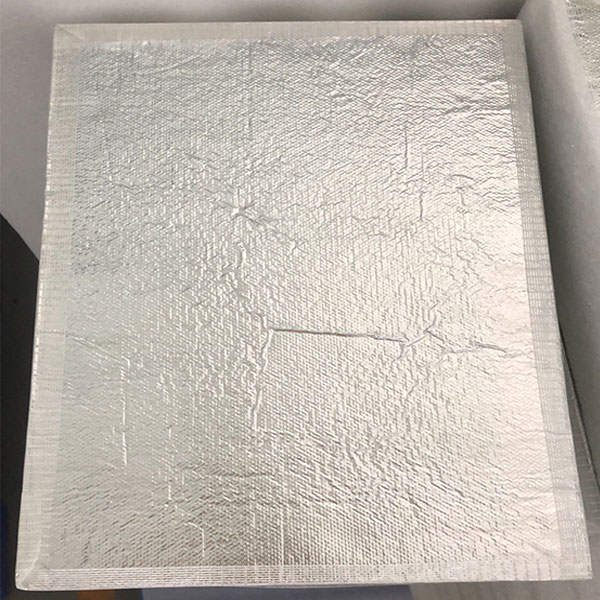
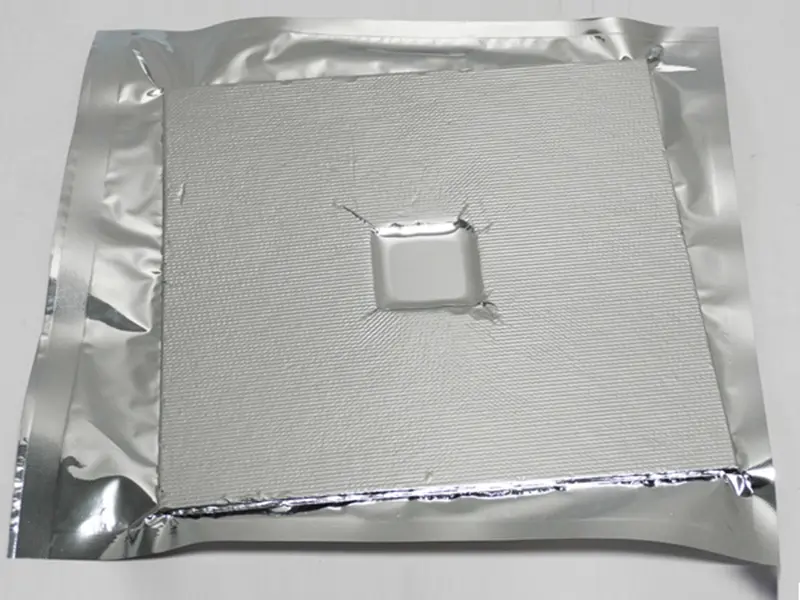
Multi-layered PET barriers minimizing moisture permeation for extended deep-space life cycles.
View Details +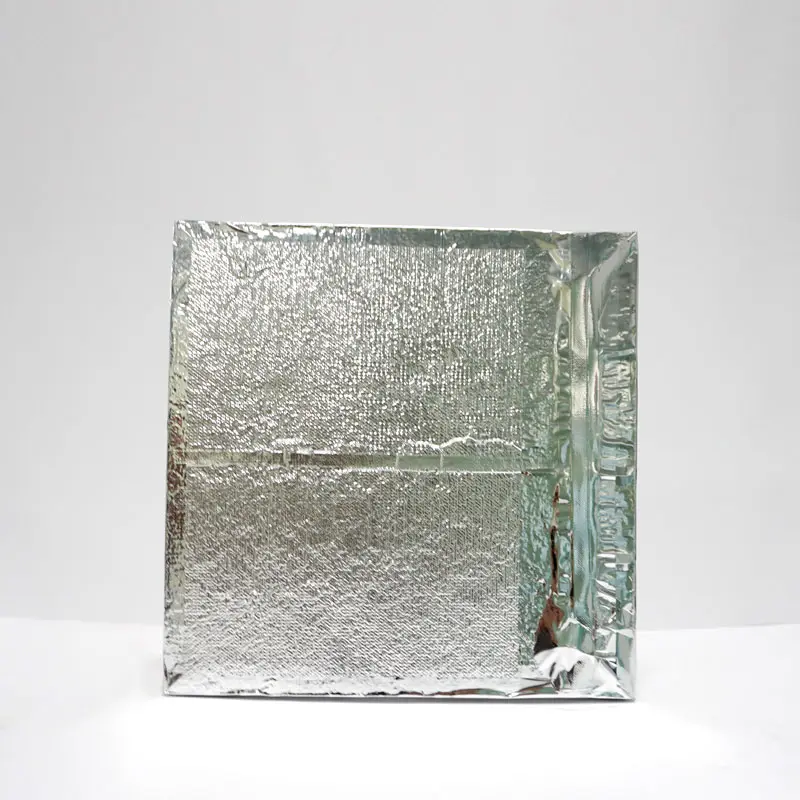
High-durability thermal protection designed for global containerized freight operations.
View Details +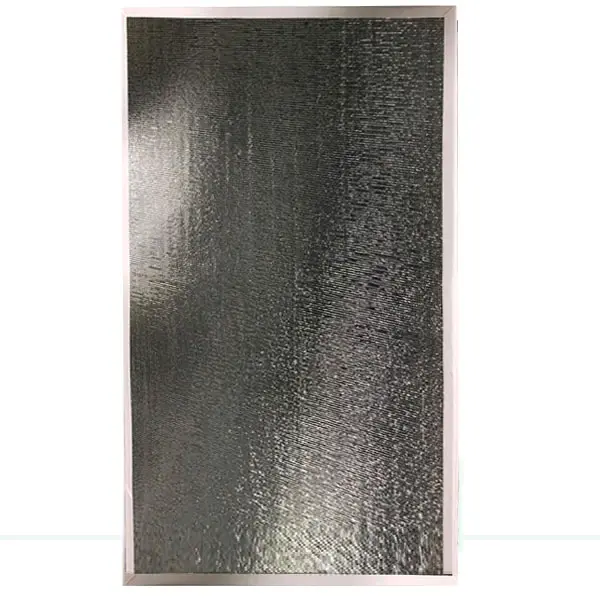
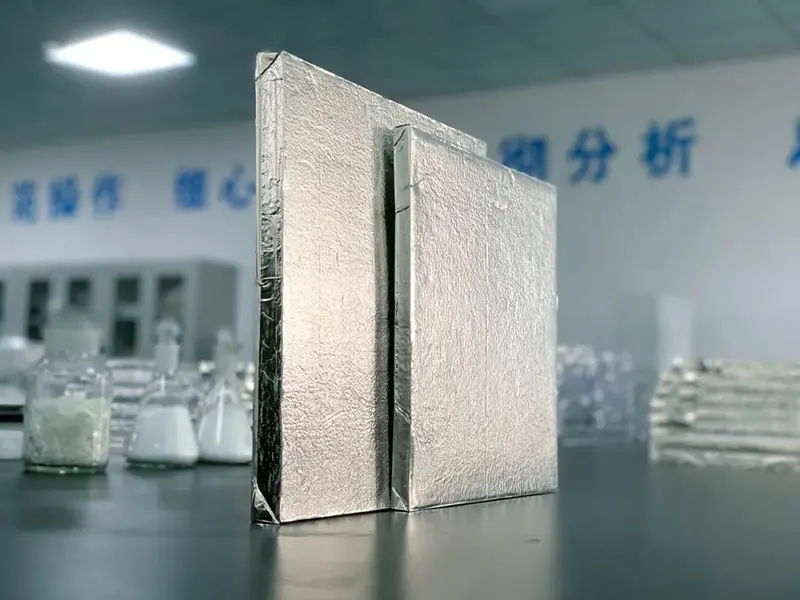
Large-format industrial panels manufactured to fit large structural components with minimal seams.
View Details +At Zerothermo Technology Co., Ltd. (a subsidiary of the CBVAC Group), we engineer solutions from the molecular scale up. Our research initiatives concentrate on solving the traditional mechanical challenges of microporous silica: fragility, dusting, and moisture susceptibility.
Unlike standard insulation systems, aerospace assemblies cannot tolerate material disintegration under intense acoustic or vibration profiles. Our custom microporous panels incorporate complex weaving profiles, including:
In space applications, volatile organic compounds (VOCs) released from materials under vacuum conditions can condense onto optics, solar arrays, and sensitive electronic sensors. Zerothermo custom aerospace microporous panels undergo strict pre-bake thermal processing. This process eliminates trace organic binders, securing compliance with NASA SP-R-0022A and ESA PSS-014-702 outgassing specifications (Total Mass Loss < 1%, Collected Volatile Condensable Material < 0.1%).
A subsidiary of CBVAC Group and a national high-tech enterprise, headquartered in the Beijing Economic-Technological Development Area with our production base in Nanchong City, Sichuan Province. This facility stands as one of China’s largest comprehensive production centers for vacuum technology application products.

Special sizes beyond standard ANSI/ASME/DIN thresholds, produced to detailed customer CAD prints.

Square, oval, oversized, or micro-precision structural flanges designed for advanced space vehicle sealing systems.

Custom high-pressure components produced according to strict aerospace material standards.

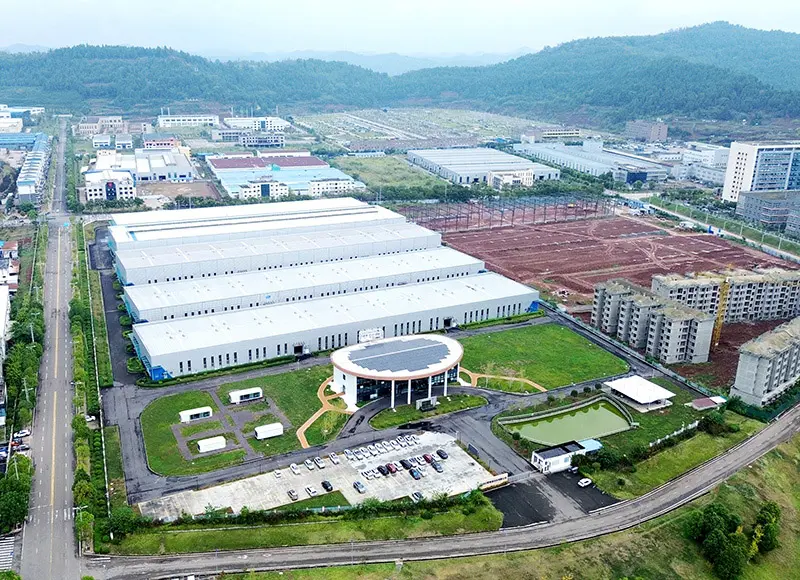
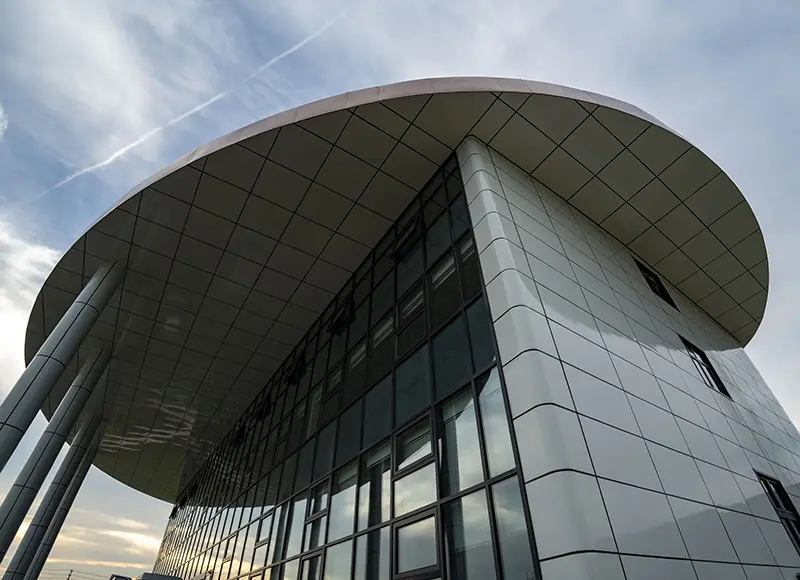
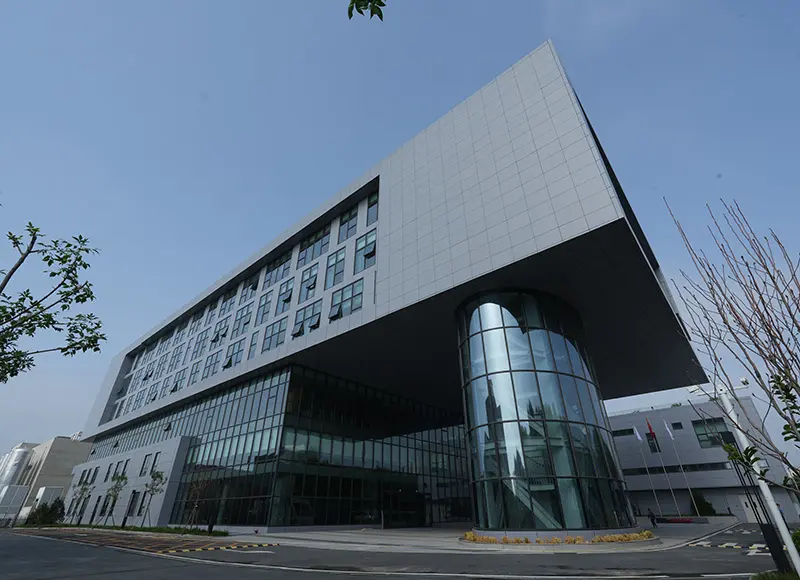
Combining manufacturing scale with tight quality control procedures to deliver performance you can trust.

Rigorous inspection matching aerospace tolerance configurations for all product lots.

Rapid prototype iterations and custom panel structures suited to your exact mechanical parameters.

Large production lines ensuring timely shipments for regional and international programs.

Integrated freight tracking systems ensuring safe transport of delicate nanostructured components.

Engineering support extending from initial validation testing to final installation phases.




Our microporous panels and vacuum insulation products provide high-efficiency thermal insulation solutions across multiple sectors, helping organizations reduce carbon emissions and achieve carbon neutrality.

High-efficiency insulation for bio-storage envelopes, cold shippers, and critical transport boxes.

Supporting exterior thermal performance goals through vacuum insulated glass panels.

Providing heat shielding and energy-saving linings for industrial kilns, furnaces, and heat exchangers.

Integrating high-performance insulation in modular prefab structures and eco-cabins.
Committed to supporting carbon reduction goals, Zerothermo Technology drives high-quality development of advanced materials while promoting sustainable industrial advancement.
Analysis of structural safety advantages of using microporous silica in high-rise elevator shaft fireproofing.
Exhibiting our new aerospace-grade custom VIPs and silica thermal insulation mats at the Canton Fair.
How nano-microporous composites outperform classical ceramic fibers in critical thermal applications.
Get quick answers to the most common questions asked by aerospace design engineers and procurement teams.
While silica aerogels perform well at moderate temperatures, they typically experience structural shrinkage and loss of porosity at temperatures exceeding 650°C. Custom microporous silica panels are formulated with specialized high-temperature opacifiers and structure stabilizers that preserve the nano-pore matrix up to 1050°C continuous (and 1100°C peak surges) without structural deterioration.
To combat vibration and prevent structural dusting, our panels are compressed under high pressure and wrapped in specialized, tight-weave fiberglass or metal foil. Adding glass filaments or inorganic fibers within the core also reinforces mechanical strength, preventing settling under extreme vibration.
Yes, our Nanchong facility uses high-precision CNC routers to cut complex 3D shapes, circles, and steps. Tolerances are kept to ±0.5mm for custom panels depending on thickness, and we can pre-seal edges with high-temperature fabric or adhesive sheets to prevent dusting.
Our facilities follow strict ISO 9001 and AS9100 quality management system standards. Our materials are fully compliant with RoHS and REACH initiatives, and we supply outgassing data sheets matching ASTM E595 standards for vacuum applications.
You can request a quote by sending your blueprints, continuous operating temperatures, and mechanical load limits to our team at [email protected]. We export worldwide and use specialized shock-absorbent wooden crates to protect your panels during transit.
High-performance insulation panels optimized for architectural facades, logistics containment, and EV battery systems.
High thermal-barrier structural wall panels designed to meet demanding LEED energy ratings.
Get Factory Quotes →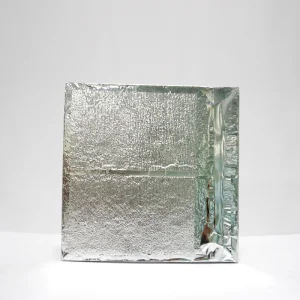
Long-duration thermal boxes designed for transport of sensitive pharmaceutical shipments.
Compare Models →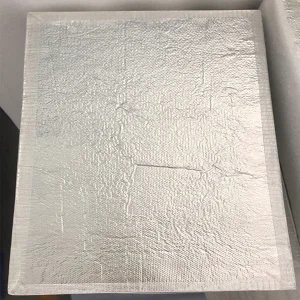
Multi-layered PET barriers minimizing moisture permeation for extended deep-space life cycles.
Request Pricing →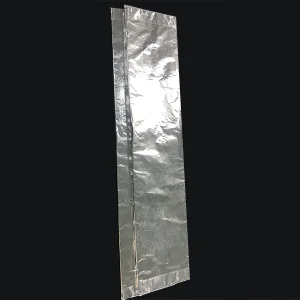
Designed to contain high-energy thermal runaway events inside EV battery packs.
Request Quotes →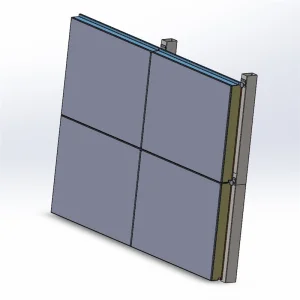
High-aesthetic structural siding featuring an integrated vacuum insulation core.
Get Price List →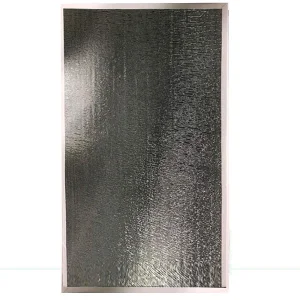
Oversized vacuum insulation core structures designed to fit standard cargo containers.
Get Design Quotes →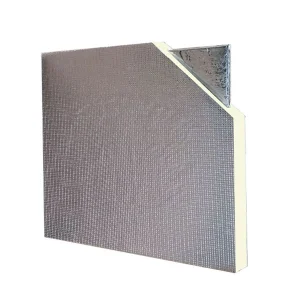
Hybrid VIP designs that combine protective PU foam margins with a fumed silica vacuum core.
Compare Quotes →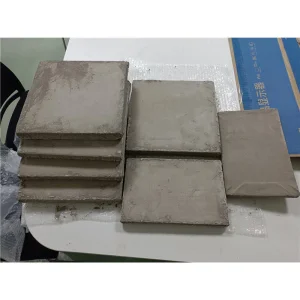
Reinforced surface structures designed to resist physical impact and structural compression.
Request Factory Visit →We offer comprehensive vacuum insulation and microporous engineering solutions. Share your project drawings, thermal conditions, and target dimensions with our technical team today.