
Explore our premium grade fiberglass, fumed silica, and microporous insulation panels designed to optimize energy performance across global industries.
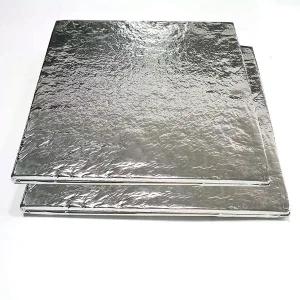
Engineered for cold appliances and energy-efficient building structures. Thermal conductivity is extremely low, achieving unmatched R-values.
View Specifications
Class A1 fire-rated insulation panels, tailored for elevator shafts, structural fireproof doors, and heavy-duty industrial kiln systems.
View Specifications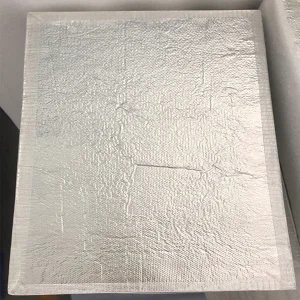
Designed with protective PET multi-layered film barrier. Exceptionally low thermal leakage, ideal for long-term cryogenic storage applications.
View Specifications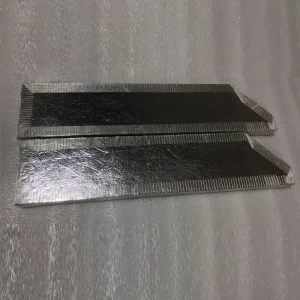
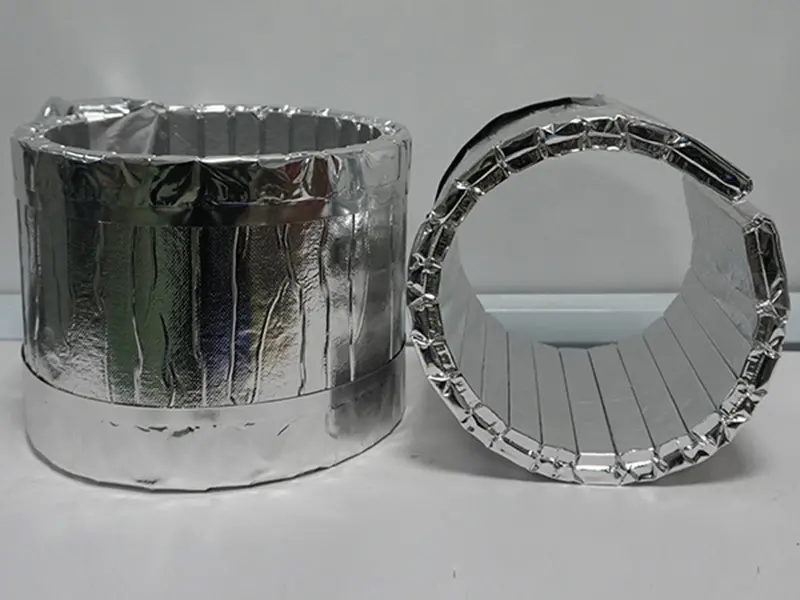
Custom-machined complex geometrical configurations. Perfectly suited for piping, cylindrical storage tanks, and non-linear construction walls.
View Specifications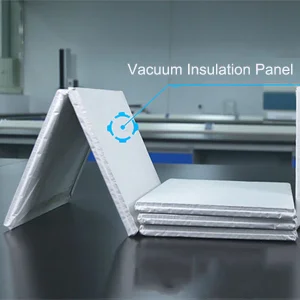
Cost-efficient structural wall insulation paneling. Provides massive space savings compared to traditional thick rockwool or EPS boards.
View Specifications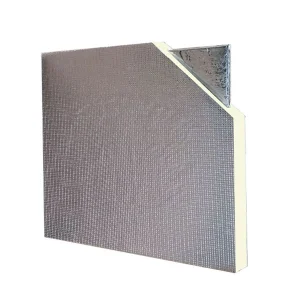
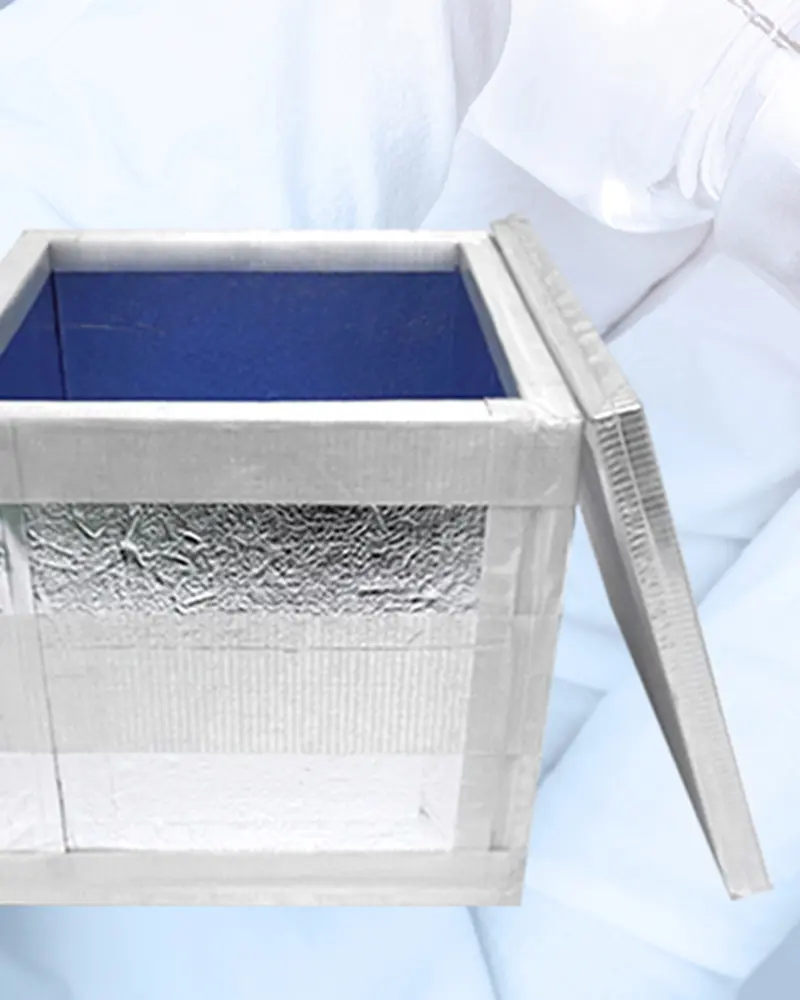
High mechanical strength hybrid PU-VIP paneling. Extends thermal holdings for medical vaccine shippers and cold-chain parcel boxes.
View Specifications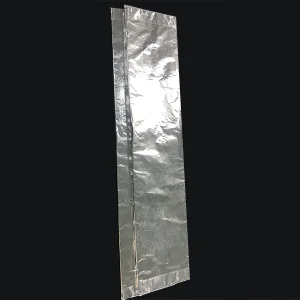
Advanced thermal runaway prevention blankets. Extends range and guards EV battery cells against extreme external temperature spikes.
View Specifications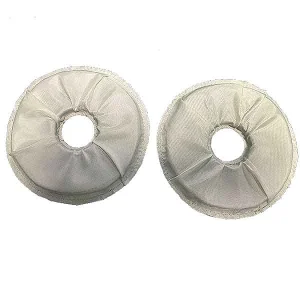
Flexible, heat-resistant microporous blankets designed for circular pipes, gas turbines, and complex engine compartments.
View SpecificationsIn the wake of tightening global energy codes—such as the European Union’s Energy Performance of Buildings Directive (EPBD) and ASHRAE 90.1 standards in the United States—traditional thermal insulation materials have reached their physical limits. EPS, XPS, polyurethane, and mineral wool require substantial installation thickness to achieve high thermal resistance (R-value). This requirement compromises usable indoor space, increases excavation costs in sub-floor installations, and adds significant weight to architectural facade assemblies.
Vacuum Insulation Panels (VIPs) and nano-microporous insulation technologies represent the pinnacle of current material science. By reducing gas conduction within the core matrix through vacuum-sealing or engineering microscopic pore sizes smaller than the mean free path of air molecules (approx. 70nm), these systems achieve thermal conductivities (λ) as low as 0.0018 W/m·K to 0.004 W/m·K. This performance profile allows designers to reduce floor and wall insulation thickness by up to 80% compared to traditional polymers while exceeding mandatory carbon reduction targets.
 1. Thermal Performance & Core Material Comparison
To help engineers and procurement directors identify the ideal floor insulation boards, we have compiled physical performance indices detailing the differences between state-of-the-art VIPs, nano-microporous cores, and legacy insulations:
| Insulation Board Type | Typical Core Material | Thermal Conductivity (λ) | Fire Classification | Compressive Strength (10% def.) | Primary Application Areas |
|---|---|---|---|---|---|
| Fumed Silica VIP | Microporous Silica Powder | ≤ 0.004 W/m·K | Class A (Non-combustible) | ≥ 0.15 - 0.25 MPa | Cold Chain boxes, sub-floor, exterior walls |
| Fiberglass Core VIP | Ultra-fine Glass Fiber | ≤ 0.002 W/m·K | Class A (Non-combustible) | ≥ 0.10 - 0.15 MPa | Home appliances, refrigeration, modular walls |
| Nano-Microporous Board | Pyrogenic Silica + Opacifiers | ≤ 0.020 W/m·K (at 600°C) | Class A1 (Extreme Temp) | ≥ 0.30 - 0.40 MPa | Elevator fireproof doors, high-temp kilns |
| Polyurethane (PU) VIP | Open-cell Rigid PU Foam | ≤ 0.007 W/m·K | Class B2 (Flame Retardant) | ≥ 0.20 MPa | Logistics coolers, modular containers |
| Traditional XPS / EPS | Extruded Polystyrene | ≥ 0.030 W/m·K | Class B1 / B2 | ≥ 0.20 - 0.50 MPa | Standard floor boards, lower R-value requirements |
 2. The China Manufacturing Advantage: Scale, Integration, and Efficiency
Procuring custom thermal insulation boards at scale requires a balance of advanced quality assurance and cost optimization. Zerothermo Technology Co., Ltd. (a key subsidiary of the CBVAC Group) maintains one of China’s largest and most technologically integrated manufacturing facilities for vacuum application products, based in Nanchong City, Sichuan Province. This facility provides distinct advantages for global B2B procurement operations:
 3. Strategic Global Procurement Guide: Sourcing the Right Board
B2B procurement teams must assess several key factors when sourcing high-performance insulation panels to ensure performance and reliability:

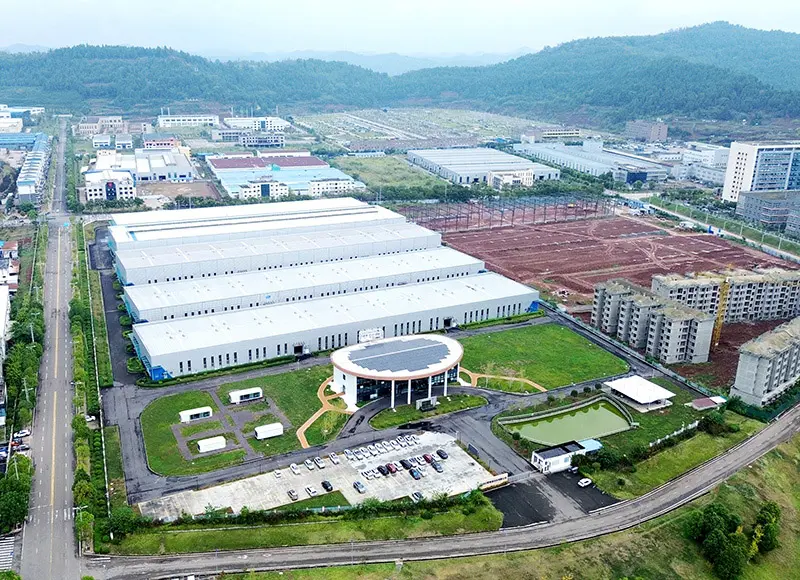
A national high-tech enterprise operating one of China's largest comprehensive production centers for advanced vacuum technology applications.
Zerothermo Technology Co., Ltd., a subsidiary of CBVAC Group and a national high-tech enterprise, is headquartered in the Beijing Economic-Technological Development Area with its production base located in Nanchong City, Sichuan Province. This facility stands as one of China’s largest comprehensive production centers for vacuum technology application products.



Special sizes (beyond the range of ANSI/ASME/DIN and other standards) are produced according to customers' drawings or technical parameters.

Square, oval or other special shaped flanges. Oversize/small diameter: such as diameter over 60 inches or micro precision flanges.

Specialized structural designs engineered to maintain hermetic vacuum seals for heavy industrial cryogenic systems.
Providing precision CAD/CAM tailored VIPs and nano-microporous boards configured to match your exact performance envelopes and dimension tolerances.
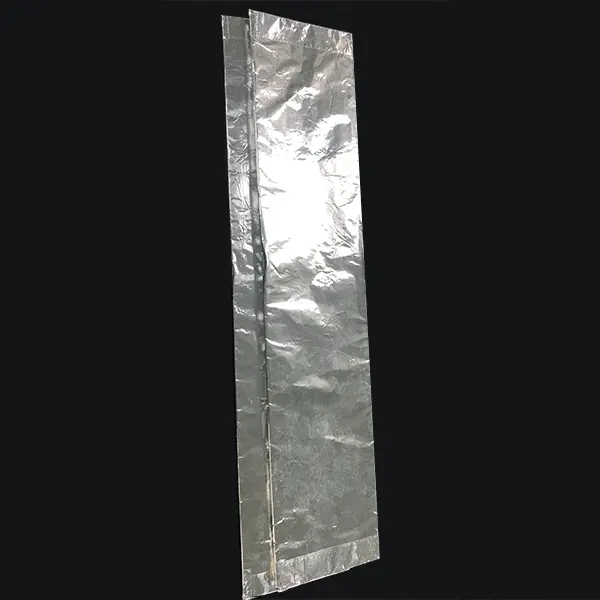
Product Details: Size: Customized. Thickness: 5-30mm. High-barrier film structure for automotive thermal protection.
View Details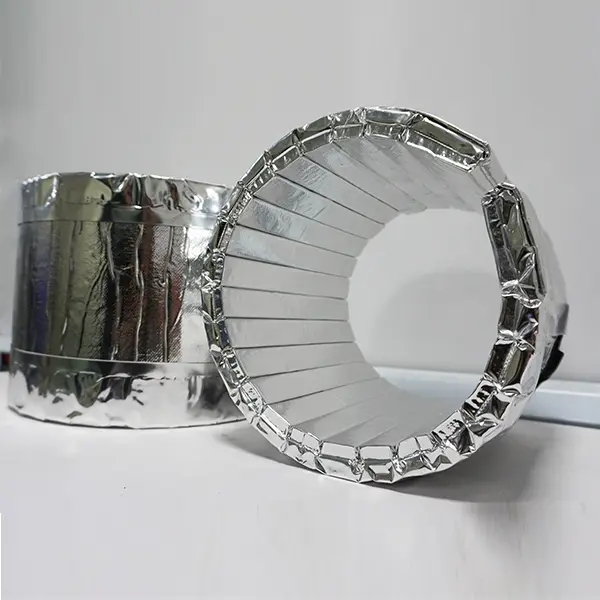
Product Details: Size: Customized. Thickness: 5-50mm. Water-repellent, high-temp resistant core for industrial pipes.
View Details
Our elevator fireproof door high temperature nano microporous insulation panels deliver class-leading integrity during thermal fire loads.
View Details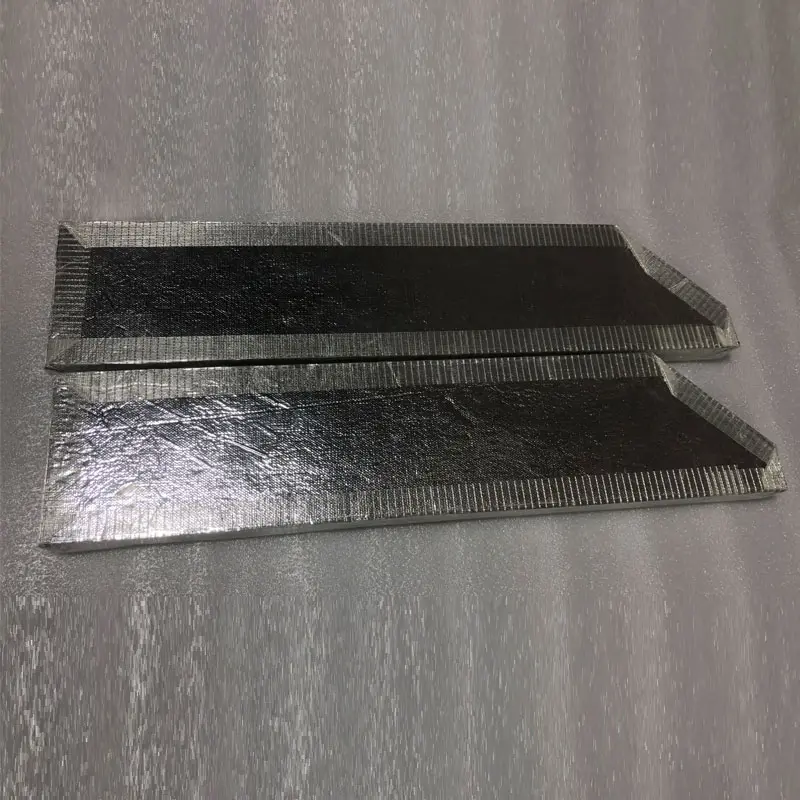
Product Features: Custom three-dimensional geometries, L-sections, and pre-formed circular segments for technical installations.
View Details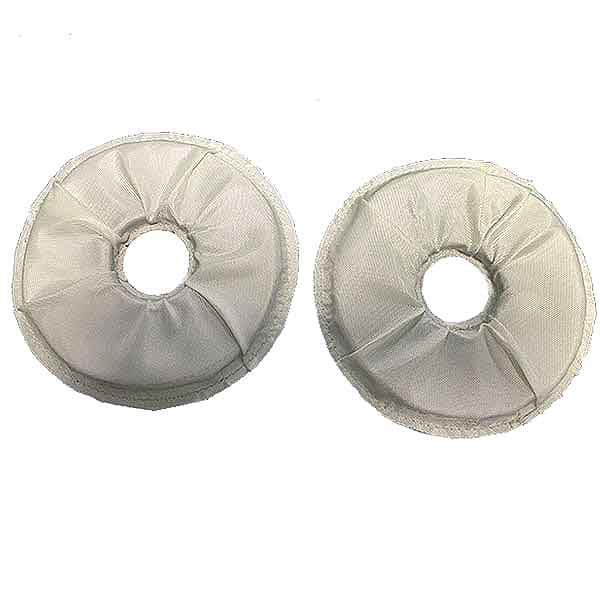
Product Specification: Round, segmented, and flexible thermal blankets engineered to conform around high heat exhaust pipelines.
View Details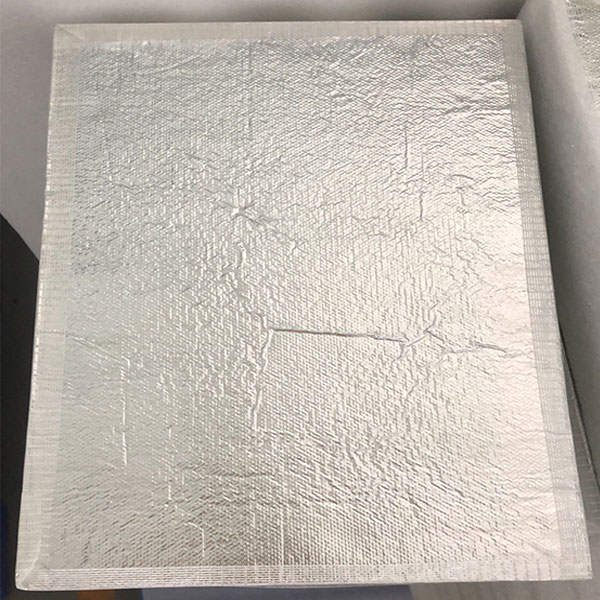
Product Features: Premium silica cores packaged in multi-barrier laminates. Extremely low degradation rates under prolonged service.
View Details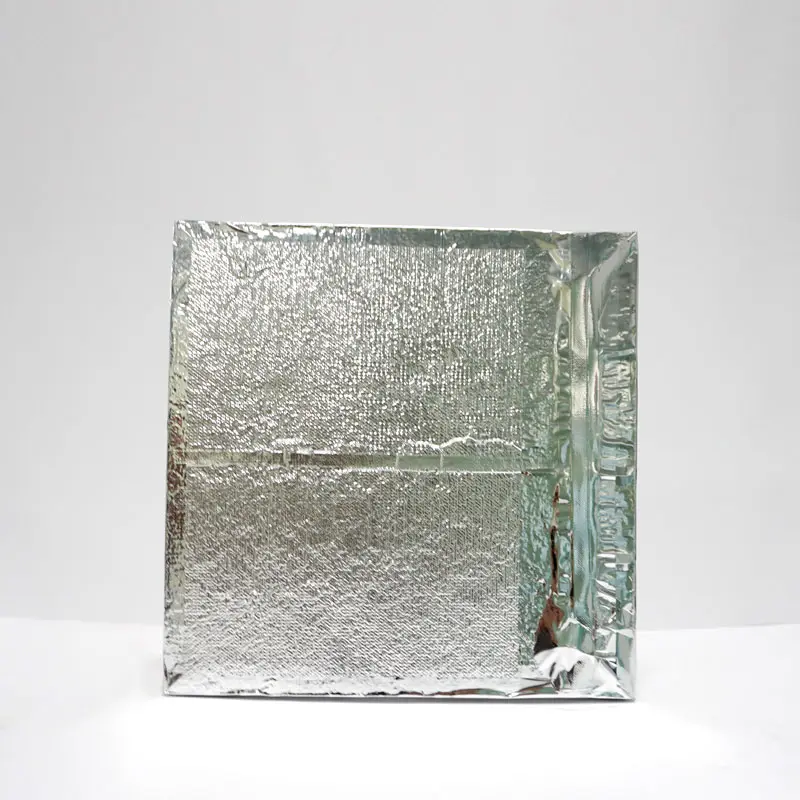
Product Features: Specifically formulated core structure for reliable maintenance of sub-zero medical payloads and biological transport.
View Details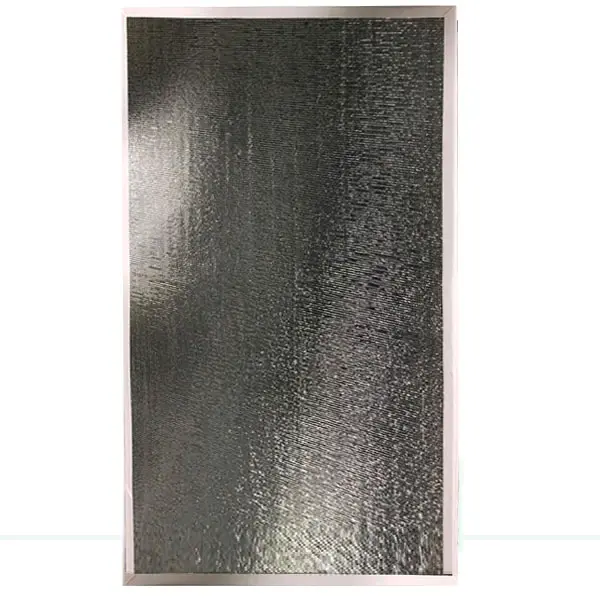
Product Features: Extra large panels designed to reduce joint thermal bridging across cold room facilities and storage shipping containers.
View DetailsWhy Fortune 500 companies select Zerothermo Technology as their long-term vacuum insulation strategic partner.


Improving efficiency, ensuring fire safety, and reducing the footprint of heating and cooling systems across multiple sectors.

Providing high-efficiency thermal insulation solutions for envelope packaging systems to secure temperature-sensitive pharmaceuticals during transit.

High-performance wall and floor insulation systems enabling low-energy buildings to achieve net-zero certifications and reduce HVAC operational costs.

Advanced microporous insulating shields engineered for metal smelting, furnace gates, refinery ducts, and safety door systems.

Ultra-thin structural envelope solutions deployed in prefabricated cabins, modular hotels, and eco-resorts with limited space footprints.
A showcase of successful high-performance thermal insulation integrations in residential, institutional, and industrial systems.



The transition toward decarbonized economies is accelerating a technology shift in the global insulation market. The focus has expanded beyond simple thermal resistance to incorporate circular economy compatibility, life cycle durability, and non-combustibility. The vacuum insulation board industry is evolving rapidly in response to these priorities:
1. Hybrid Insulation System Architecture: Real-world floor and wall projects increasingly deploy hybrid insulation systems. Contractors combine VIPs with a thin layer of traditional PU, XPS, or elastomeric foam. This hybrid setup utilizes the high thermal efficiency of the vacuum core while using the outer foam layer to absorb structural impacts and protect the VIP envelope from punctures.
2. Core Material Developments: While fiberglass cores offer the lowest initial thermal conductivity (~0.0015 W/m·K), fumed silica cores dominate building floor insulation applications. Fumed silica provides superior resistance to moisture, maintains a larger internal pore structure that minimizes aging degradation, and retains reasonable insulating properties even if the vacuum envelope is compromised.
3. Advanced Outer Barriers: Research is focused on developing metallized polymer laminates with reduced thermal bridging. Conventional aluminum foils act as thermal bridges at the panel joints, reducing overall system performance (known as the *edge effect*). Modern specifications require multi-layer polymer films coated with thin aluminum oxide (Al2O3) layers to balance gas barrier performance with minimal thermal bridging.
Get authoritative technical answers regarding our vacuum insulation panel capabilities, lifetime expectancy, and ordering details.
We provide comprehensive engineering support, customized sizing schemes, and competitive pricing for global projects.
Contact our technical support team for help selecting thermal insulation boards, verifying site compatibility, or requesting detailed product samples.






Read the latest industry research, announcements, and trade show schedules from Zerothermo Technology.
Analyzing structural thermal load factors and physical integrity behaviors under intense heat exposure in building shafts.

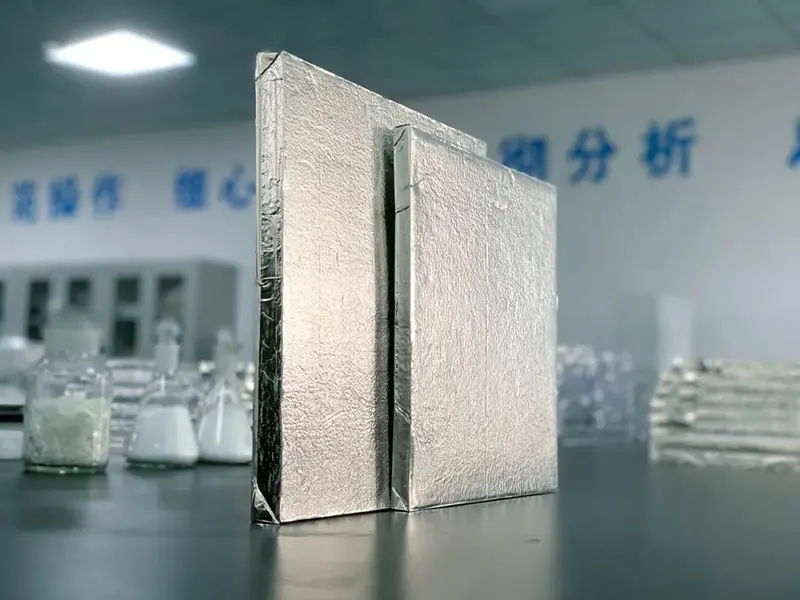
We will display our thin vacuum panels, new carbon-neutral building wall models, and custom EV blankets.
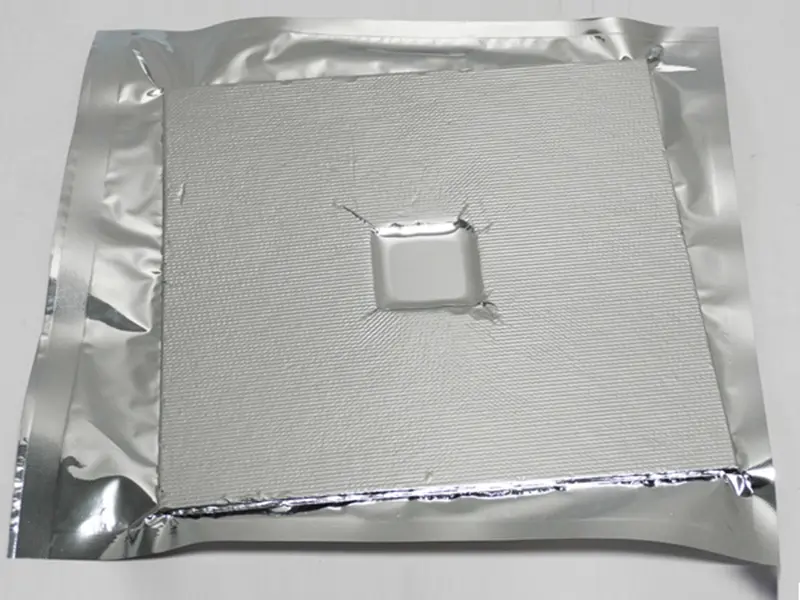
Explaining the science behind pyrogenic silica matrices and how they prevent convective thermal transmission.
Explore our complete product catalog, featuring fumed silica, reinforced, and modular VIP panels engineered to meet international safety and environmental regulations.
Large-format panels designed to reduce joints and thermal bridging in intermodal shipping containers and refrigerated trucks.
View Specifications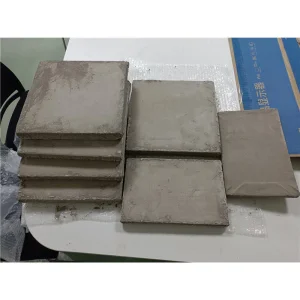
Engineered with enhanced puncture and shear resistance. Ideal for high-pressure installations and heavy architectural construction.
View Specifications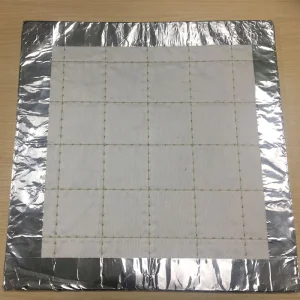
Flexible, thin-profile microporous mats designed for high-temperature piping systems, turbines, and machinery jackets.
View Specifications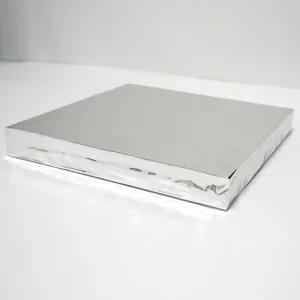
Industrial-grade microporous panels that provide excellent fire safety and structural integrity under prolonged high heat.
View Specifications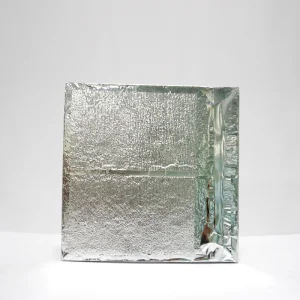
Optimized for bio-transport and cold chain storage, maintaining sub-zero payloads for extended periods.
View Specifications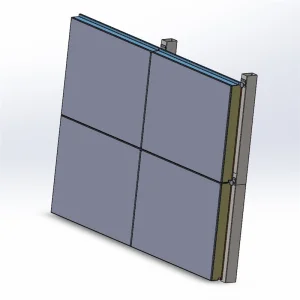
Integrated structural panels combining structural support, finish decoration, and a high-performance VIP insulation core.
View Specifications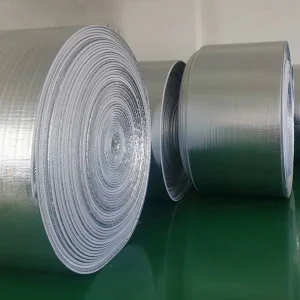
Reflective double-sided aluminum foil foam insulation designed to block radiant heat in industrial roofing and attics.
View Specifications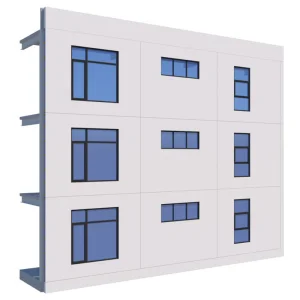
Modular decorative wall panels engineered for rapid installation and long-term energy savings in commercial buildings.
View Specifications

