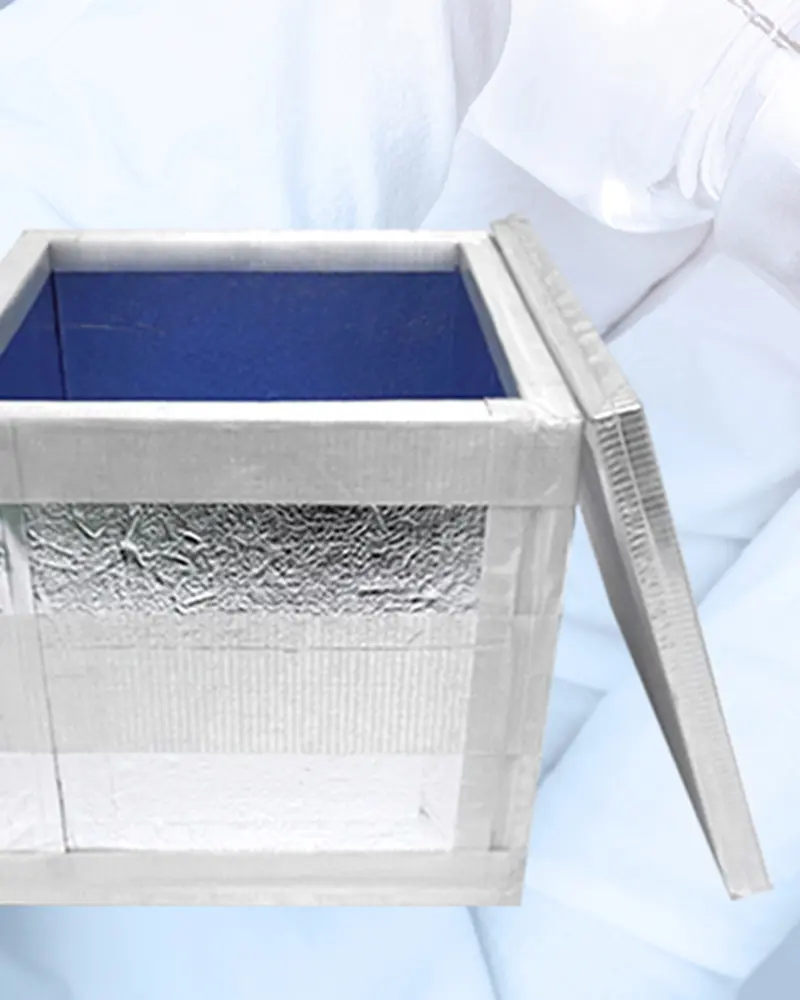
Explore our core product family engineered for record-low thermal conductivity and custom shape configurations.
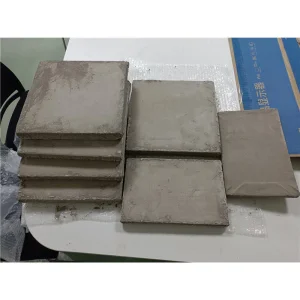
High structural strength, long-term durability, and optimum thermal resistance for modern structures.
View Details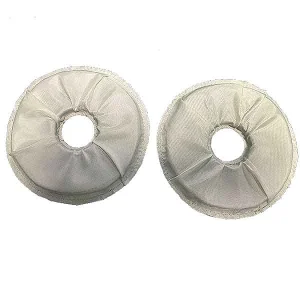
Flexible nanostructured mat engineered for complex curved pipelines and high-temperature apparatus.
View Details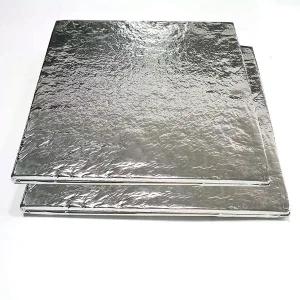
Ultimate low thermal conductivity panel custom-designed for premium refrigerator, freezer, and building envelope installations.
View Details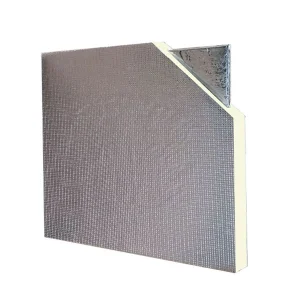
Rigid polyurethane protection with vacuum cores for high thermal efficiency in cold chain systems.
View Details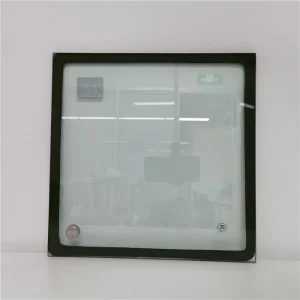
Ultra-thin double glazed thermal barriers that provide pristine visibility and supreme acoustic insulation.
View Details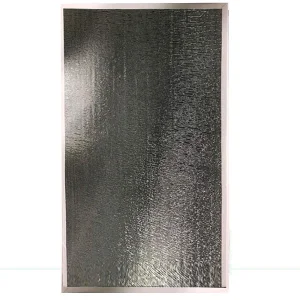
Eco-friendly, long-lasting cores providing supreme cold containment for shipping logistics.
View Details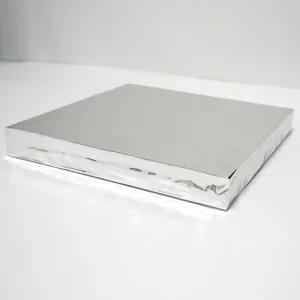
Engineered to resist temperatures up to 1000°C while maintaining exceptionally low thermal transfer rates.
View Details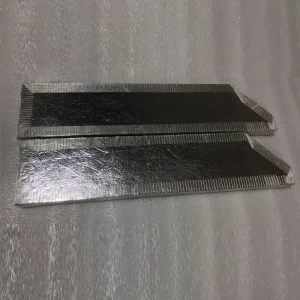
Custom shapes tailored to fit complex cavities. Protected with ultra-low gas permeation PET film.
View DetailsAn Industry Whitepaper on Knudsen Diffusion, Nanoporous Matrices, and Heat Suppression Mechanics
Microporous insulation represents a pinnacle of thermodynamic design. Unlike conventional insulation (such as polyurethane, fiberglass, or mineral wool) that limits heat transfer through bulk material density, microporous materials suppress heat transfer at the subatomic and molecular scales. The material structure is composed of amorphous silica nanoparticles, mixed with opacifiers to intercept infrared radiation, and structural fibers for mechanical integrity.
The primary mechanism that defines the outstanding thermal performance of microporous structures is the Knudsen Effect. When the mean free path of gas molecules (approximately 68nm for air under ambient conditions) is greater than the average pore diameter of the material (typically 20nm to 30nm inside a fumed silica matrix), gas molecules collide more frequently with the pore walls than with each other. This restricts the transfer of kinetic energy, effectively reducing gas thermal conduction to near zero.
What is the Typical Thermal Conductivity Range?
At temperatures up to 800°C, microporous fumed silica insulation maintains a thermal conductivity as low as 0.020 W/m·K. Under vacuum conditions (VIPs), this drops to between 0.004 W/m·K and 0.008 W/m·K.
By engineered blocking of three major heat pathways—solid conduction, gaseous convection, and radiative heat transfer—these systems achieve insulation values up to 5 times more efficient than traditional media. This structural feature allows designers to reduce the thickness of the insulation layer by up to 80% while retaining the equivalent thermal insulation level, creating vast space savings in industrial settings.
Market Drivers, Carbon Neutrality Goals, and Next-Generation Applications
As governments worldwide accelerate their transitions toward carbon neutrality (such as China's "dual-carbon" goals: peak emissions before 2030 and carbon neutrality before 2060), high-efficiency insulation has transitioned from a niche choice to a critical regulatory and financial necessity. The global demand for microporous materials is surging across multiple high-priority sectors:
Thermal runaway containment is a key safety issue. Custom aerogel and nano microporous battery blankets protect neighboring cells, providing passenger safety and preventing catastrophic failures in modern lithium packs.
With biological therapeutics requiring deep cold storage (-70°C for mRNA vaccine systems), fumed silica VIPs ensure consistent interior climates during lengthy intercontinental transit phases, minimizing cooling losses.
In high-temp furnaces, metallurgy ladles, and chemical cracker pipelines, replacing heavy refractory bricks with microporous boards minimizes radiative emissions and yields up to a 35% reduction in overall system energy consumption.
A National High-Tech Subsidiary of the CBVAC Group
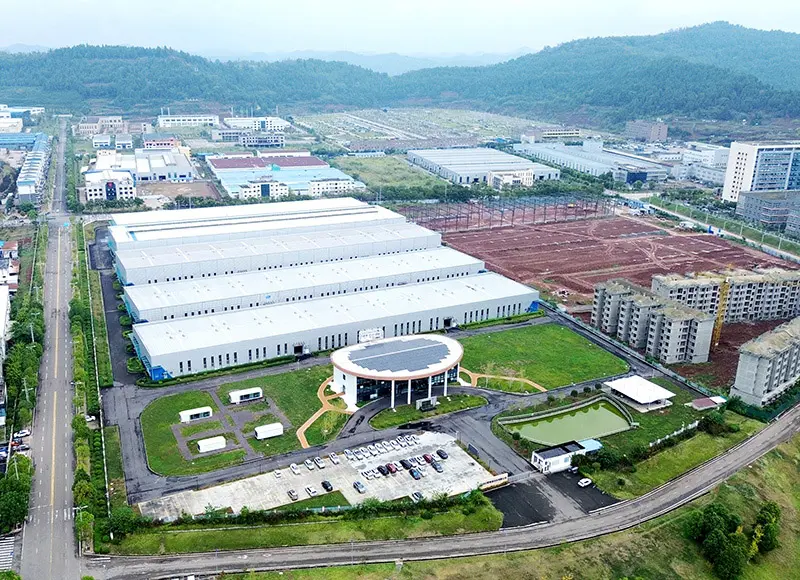
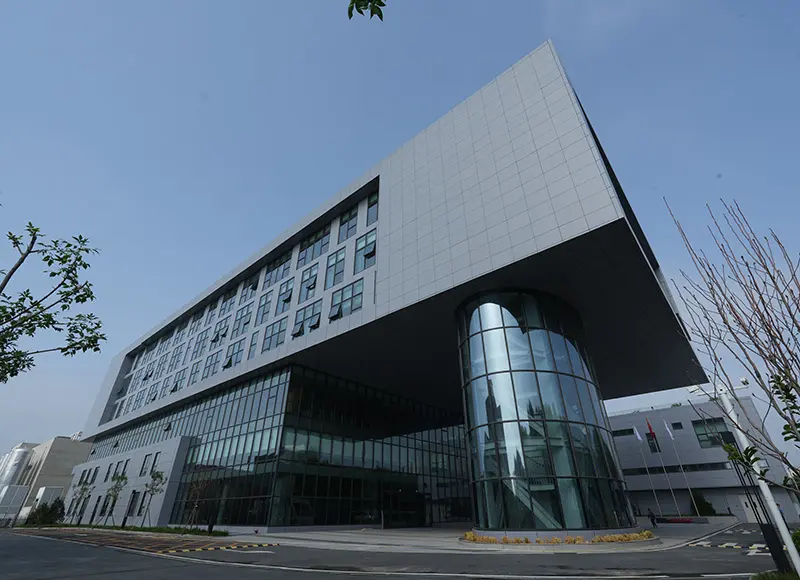
Zerothermo Technology Co., Ltd., a subsidiary of CBVAC Group and a national high-tech enterprise, is headquartered in the Beijing Economic-Technological Development Area, with our primary manufacturing base located in Nanchong City, Sichuan Province. This facility stands as one of China's largest comprehensive production centers for vacuum technology application products.
By integrating vacuum science, physical vapor deposition (PVD) techniques, and nano-materials research, Zerothermo offers top-tier options to global developers, chemical engineers, and building contractors looking for state-of-the-art thermal properties and structural reliability.

Continuous development paths to break through current thermodynamic limits
By precisely managing the wet-gel preparation and calcination processes of fumed silica, our engineering teams are reducing the median pore throat diameter from 25nm to below 15nm. This shift maximizes the Knudsen Effect even at high pressures, reducing dependancies on barrier films.
Integrating optimized amounts of silicon carbide (SiC), titanium dioxide (TiO2), or zirconium silicate (ZrSiO4) helps block thermal radiation at higher temperatures. This enhancement keeps thermal conductivity flat even as process temperatures exceed 900°C.
Synthesizing silica aerogel structures with fumed silica substrates provides lightweight, impact-resistant hybrid matrices. These designs are highly suitable for high-vibration settings, such as railway logistics, aerospace components, and automotive undercarriages.
Precision sizing, structural adaptations, and optimized encapsulation designs
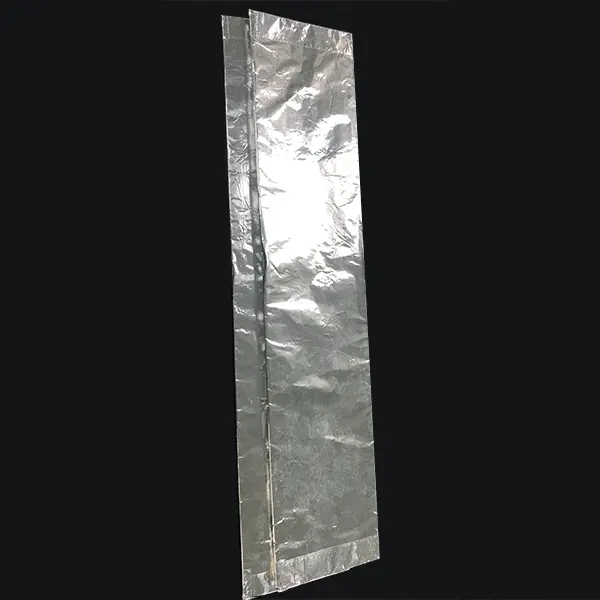
Customized battery thermal blankets measuring 5mm to 15mm thick, designed to slow or stop cell thermal runaways.
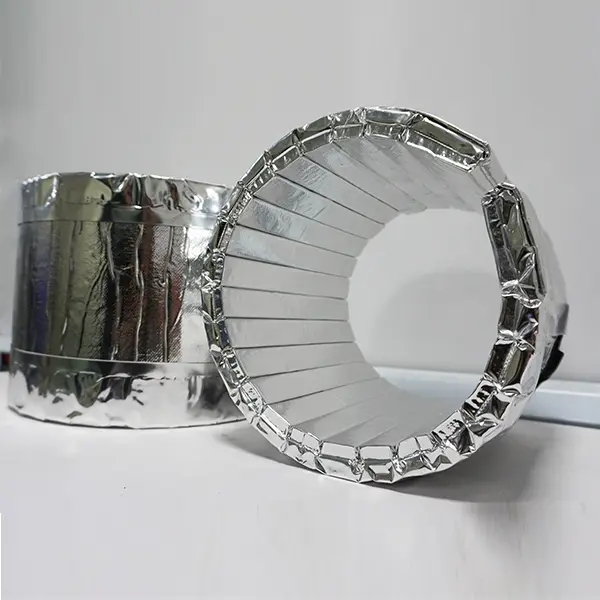
Tailored water heater tank jackets, designed to minimize heat loss and maximize energy savings.

Fireproof door cores that maintain reliable structural stability under intense heat, conforming to international safety standards.
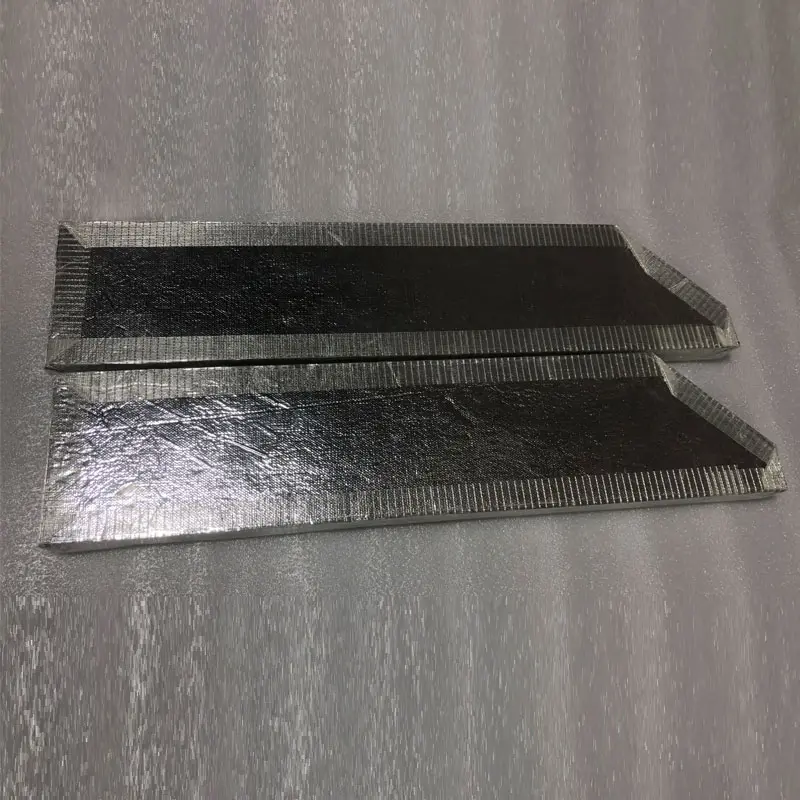
Custom profiles and cutouts, designed to integrate smoothly into complex layouts with minimal thermal bridging.
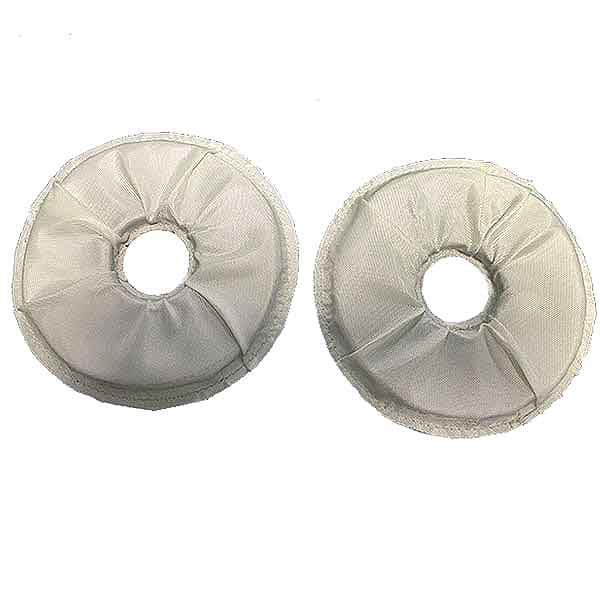
Flexible cylindrical wraps designed to slide onto curved industrial pipelines and hot fluid loops.
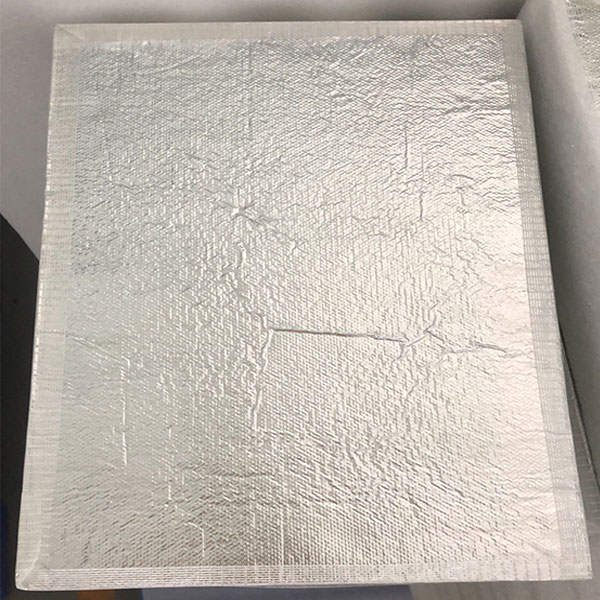
High-density fumed silica cores developed for maximum insulation with minimal physical thickness.
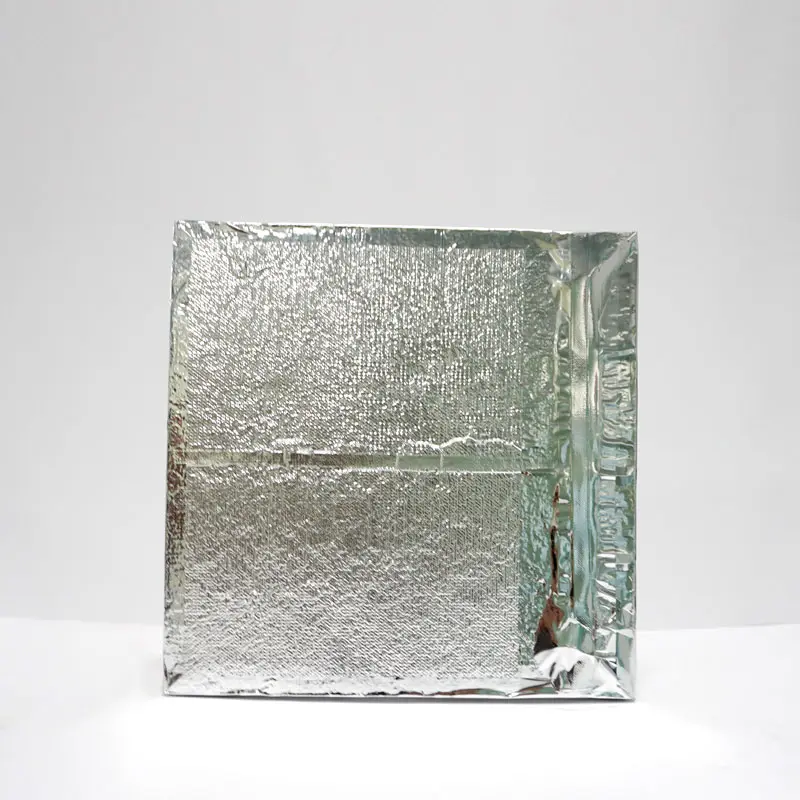
Reliable panels for vaccines, biological reagents, and high-value food items.
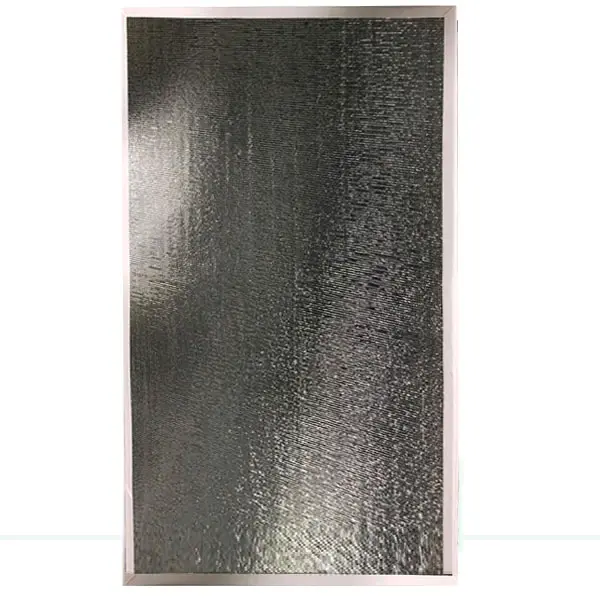
Large-format thermal barriers optimized for wall panels, ceiling liners, and cargo container inserts.
Addressing core thermal performance requirements in global industries

Providing high-efficiency thermal insulation solutions for cold chain packaging. By using vacuum insulation panels, we help cold chain boxes maintain target temperatures (+2°C to +8°C, -15°C to -25°C, or deep frozen at -70°C) for up to 120 hours without external power, reducing product loss risks.

Providing high-efficiency thermal insulation solutions for building envelope systems through products like vacuum insulation panels and vacuum insulated glass. This supports construction teams looking to reduce carbon emissions and achieve carbon neutrality goals.

Helping industries lower energy costs in glass furnaces, cement plants, and steel ladles. Our microporous fumed silica panels handle working temperatures up to 1000°C. By limiting heat loss through furnace linings, they help lower energy use and protect surrounding equipment.

Providing vacuum-insulated glass and thin wall boards for modular hotels, scenic observation platforms, and prefabricated homes. This reduces HVAC heating and cooling needs, offering comfortable indoor spaces with minimal carbon footprints.
Proof of performance across different industries and climates
Engineered for high-temperature resilience, building facades, and advanced mobility applications.
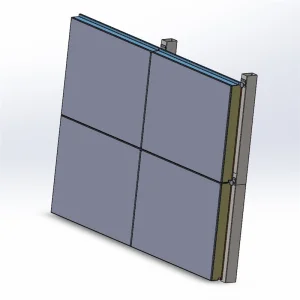
Combining structural facade decoration with high-efficiency VIP insulation in a single prefabricated panel.
View Details
Ready-to-assemble wall systems designed to speed up construction and improve thermal envelopes.
View Details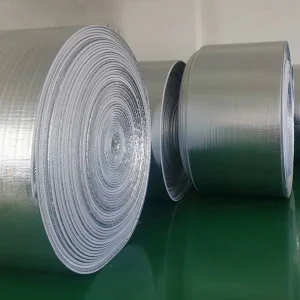
Reflective foil surfaces combined with high-density cores to protect roofs from solar radiation.
View Details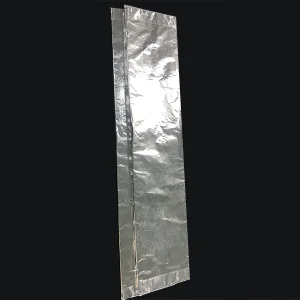
Thin, flexible thermal barriers designed to fit inside electric vehicle battery cells and modules.
View Details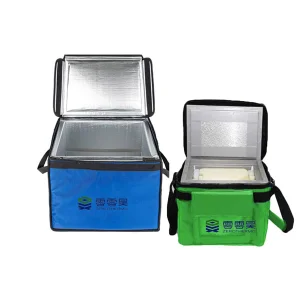
Highly insulated transport boxes designed to protect temperature-sensitive vaccines and pharmaceuticals.
View Details
Ultrathin insulation cores engineered to keep structural steel cool during building fire events.
View Details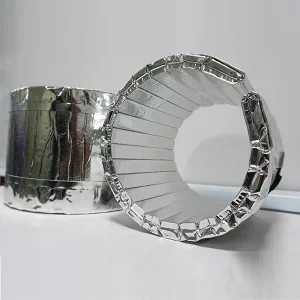
Pre-shaped microporous wraps designed to keep water heaters hot for longer periods with less energy.
View Details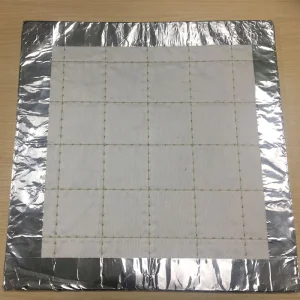
Flexible nanostructured silica blankets that wrap easily around industrial pipes and engine parts.
View DetailsTechnical insights on performance, lifetimes, and custom specifications
Get in touch for custom pricing, thermal calculations, or material datasheets.
Whether you need customized vacuum insulation panels for cold chain boxes, high-temperature microporous boards for industrial kilns, or specialized battery blankets, our engineers can help.