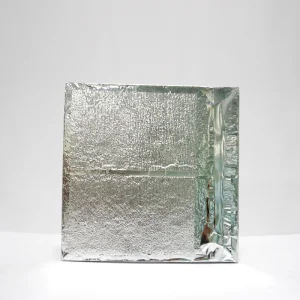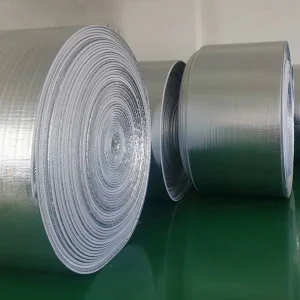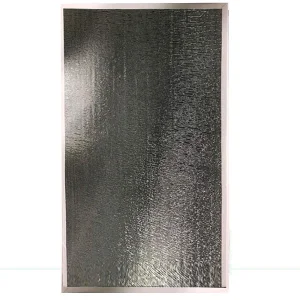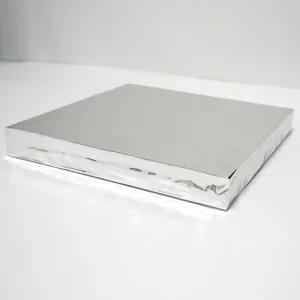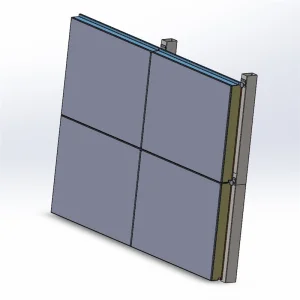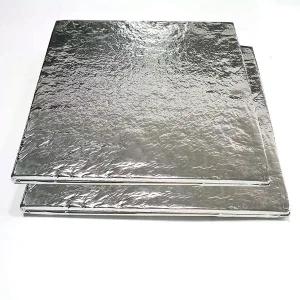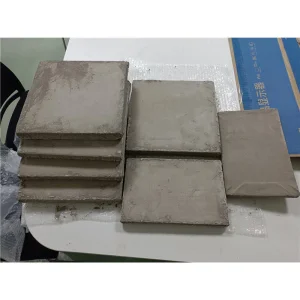
In modern industrial thermo-physics, achieving optimal thermal resistance with minimal spatial footprint has transitioned from a structural preference to an absolute commercial and environmental necessity. Traditional insulation materials—such as expanded polystyrene (EPS), polyurethane (PU) foam, and mineral wool—rely on trapping static atmospheric air within cellular or fibrous pockets. However, these materials are restricted by the thermal conductivity of static air, which remains locked at approximately 0.026 W/(m·K) under ambient conditions. To transcend this physical limit, high-performance applications deploy Vacuum Insulation Panels (VIPs), specifically those utilizing a pressed Fumed Silica core matrix.
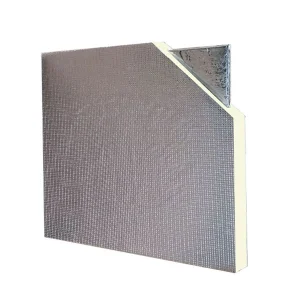
By engineering the pore structure of the core material below the mean free path of gas molecules (the Knudsen Effect), fumed silica insulation panels achieve thermal conductivities as low as 0.004 W/(m·K) in vacuum states, and maintain a resilient 0.018 W/(m·K) even under total vacuum loss.
Fumed silica (also known as pyrogenic silica) is synthesized via the high-temperature flame hydrolysis of silicon tetrachloride (SiCl4) in an oxygen-hydrogen flame. This chemical process results in the formation of primary amorphous silica nanospheres (ranging from 7 to 40 nm in diameter) that aggregate and agglomerate into three-dimensional, chain-like structures. When these aggregates are dry-pressed into rigid boards, they create a highly porous, open-celled network where the average pore size is strictly confined below 20 nanometers (nm).
This microscopic dimension is critical. According to molecular gas dynamics, the mean free path of air molecules (nitrogen and oxygen) at standard atmospheric pressure and room temperature is roughly 68 nm. By keeping the average pore diameter of the fumed silica core significantly lower than this threshold (normally < 20 nm), the probability of gas molecules colliding with the solid silica skeleton is orders of magnitude higher than the probability of inter-molecular collisions. This confinement of gaseous molecules eliminates convective heat transfer and dramatically suppresses gaseous thermal conduction—a physical phenomenon known as the Knudsen Effect.
To contextualize the performance leap of fumed silica panels compared to fiberglass cores and conventional polymers, examine the operational parameters below:
| Material Class | Density Range (kg/m³) | Internal Pore Size | Thermal Conductivity (Vacuum) | Conductivity (Atmospheric) | Service Life (Years) |
|---|---|---|---|---|---|
| Fumed Silica VIP | 160 - 220 | < 20 nm | ≤ 0.004 W/(m·K) | 0.018 - 0.020 W/(m·K) | 30 - 50+ |
| Fiberglass VIP | 180 - 240 | 1 - 10 μm | ≤ 0.002 W/(m·K) | ≥ 0.040 W/(m·K) | 5 - 15 |
| Polyurethane (PU) | 35 - 50 | 150 - 300 μm | N/A | 0.022 - 0.026 W/(m·K) | 10 - 25 |
The comparative analysis demonstrates that while fiberglass-based VIPs can achieve marginally lower thermal conductivities under optimal vacuum conditions, they exhibit rapid thermal degradation upon losing vacuum. When atmospheric moisture and gases permeate the outer barrier of a fiberglass VIP, its thermal conductivity surges above 0.040 W/(m·K). In stark contrast, fumed silica VIPs retain a thermal conductivity of 0.018 - 0.020 W/(m·K) even if vacuum integrity is completely compromised. This represents a robust built-in fail-safe mechanism, protecting buildings, battery modules, and cold chain containers from catastrophic thermal failures over decades of thermal cycling.
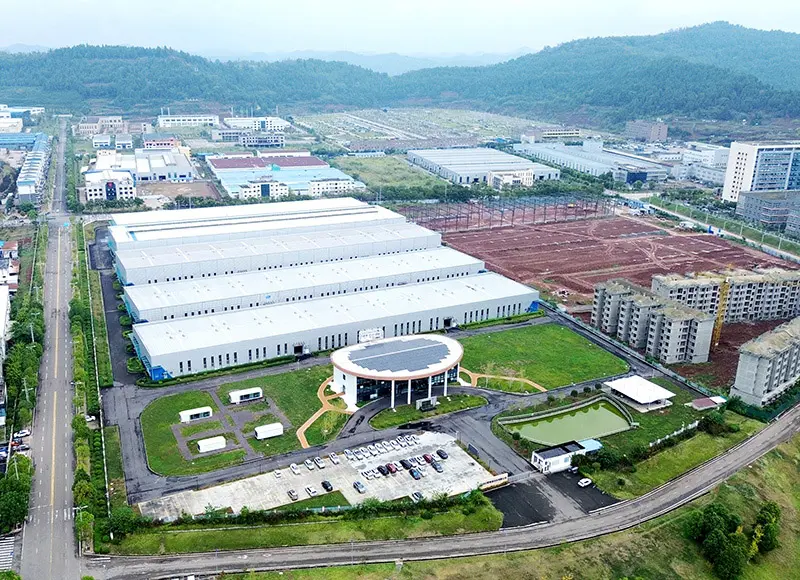
Zerothermo Technology Co., Ltd., a subsidiary of the prestigious CBVAC Group, is a recognized national high-tech enterprise. Headquartered within the state-level Beijing Economic-Technological Development Area, the company has concentrated its advanced industrial operations and scaling capacity in its massive production hub located in Nanchong City, Sichuan Province. This specialized base represents one of the largest and most technologically integrated facilities in China for the production of vacuum technologies and micro-porous insulation systems.
Through our parent group’s foundational pedigree in high-vacuum components, precision flanges, and engineering, Zerothermo brings a rare, deep-tech vacuum design expertise to the insulation industry. We leverage automatic high-precision vacuum chambers, cleanroom packing lines, and in-line quality assurance testing to deliver unmatched product reliability.


Special sizes beyond the range of ANSI, ASME, or DIN standards are produced according to client drawings or precise operational parameters.

Engineering complex geometry interfaces (square, oval, non-symmetric profiles) and large-scale boundaries exceeding 60 inches for custom vacuum systems.

Leveraging CBVAC's legacy technologies to design barrier film junctions, minimize thermal bridging, and optimize structural seals.
Fumed silica boards are key in reshaping low-carbon architecture, high-efficiency cold chain supply paths, safe electromobility, and energy-conserving industrial operations. As national grids transition to renewable architectures and carbon pricing tightens margins, industrial infrastructure requires thermal insulation solutions that maximize volume efficiency and eliminate thermal loss.

Ensuring ultra-precise temperature control (+2°C to +8°C, -20°C, and -70°C deep frozen states) for global transport of biological therapeutics and mRNA vaccines.

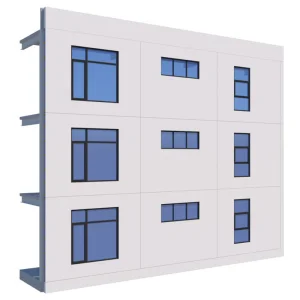
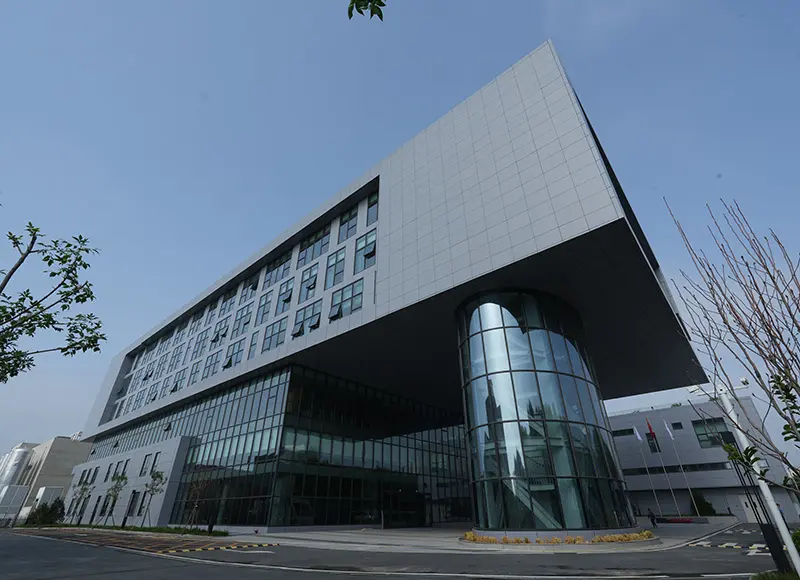
Providing high-efficiency thermal insulation solutions for building envelope systems, empowering structures to hit net-zero goals while saving premium internal space.

Lowering energy loss in critical furnaces, kilns, lab equipment, and elevator fire doors via high-density microporous cores rated up to 1100°C.

Enhancing modular, eco-friendly accommodation structures and outdoor cabins in extreme climates with space-saving, low-emissions insulation solutions.
The demand patterns for fumed silica vacuum panels display localized needs based on regional climates, building codes, and safety standards:
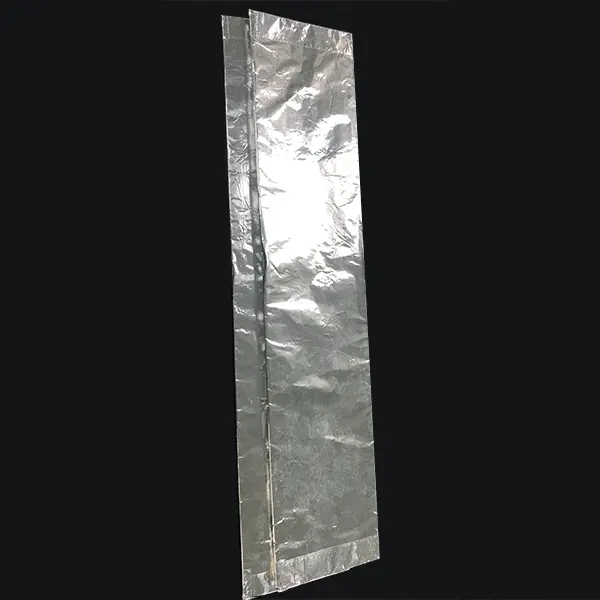
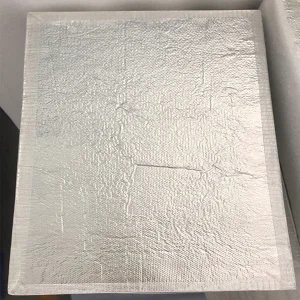
Thickness: 5-20mm. Designed for thermal runaway barriers and cold-weather capacity retention.
Customize Now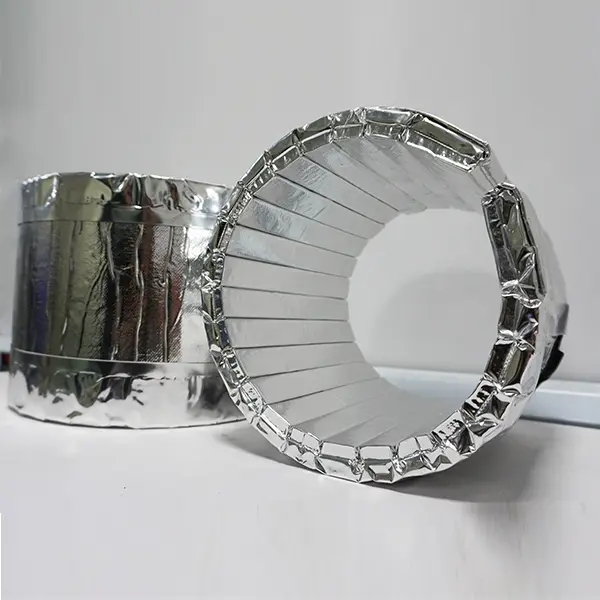
Customizable thickness: 5-50mm. Designed for complex pipe systems and high-heat envelopes.
Request Quote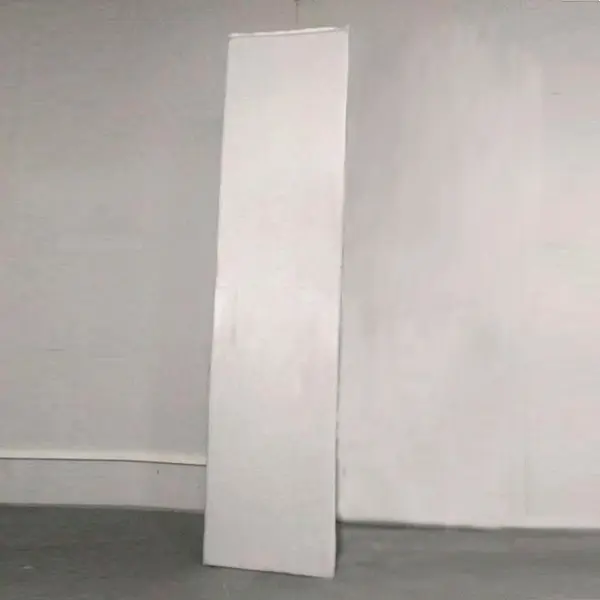
Pre-cut sizes optimized for standard elevator and escape pathway fire-barrier structures.
View Options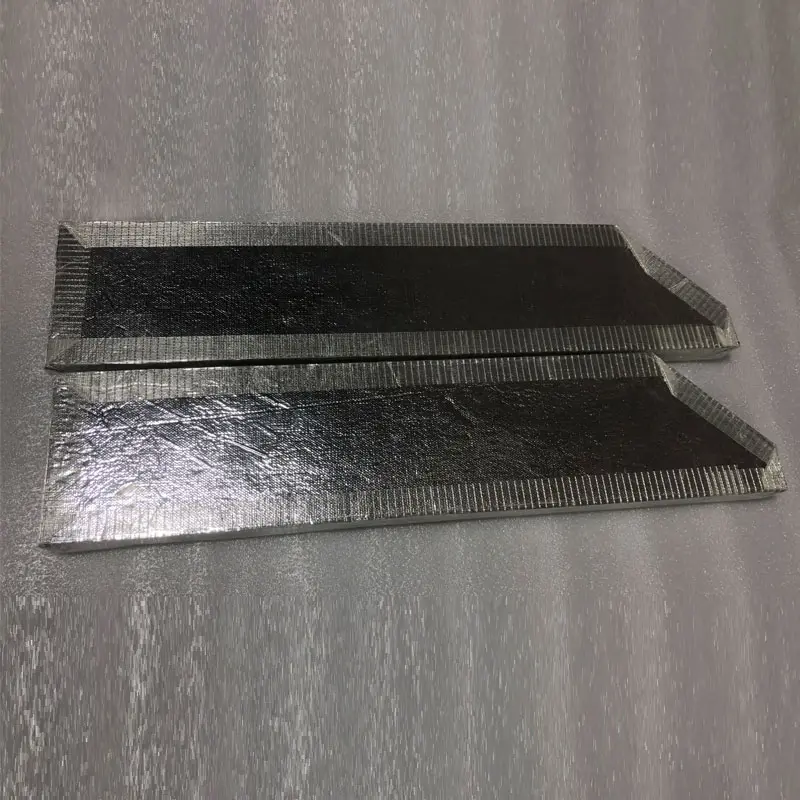
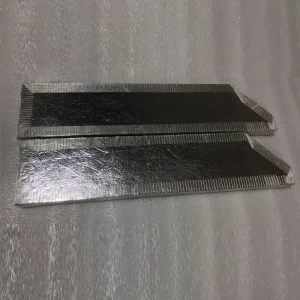
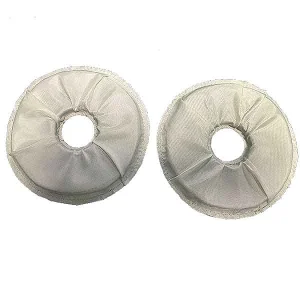
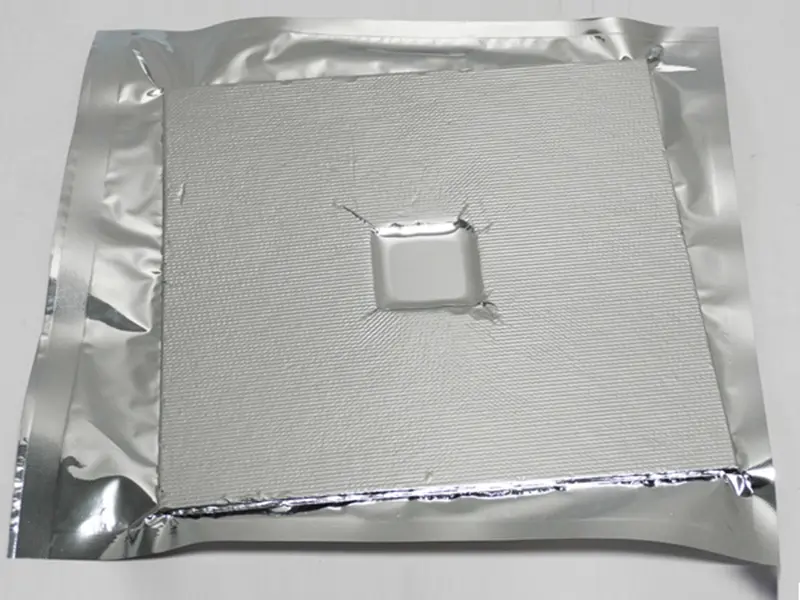
Custom geometries including circular cuts, inner pass-through holes, and L-bends.
Get Drawing Templates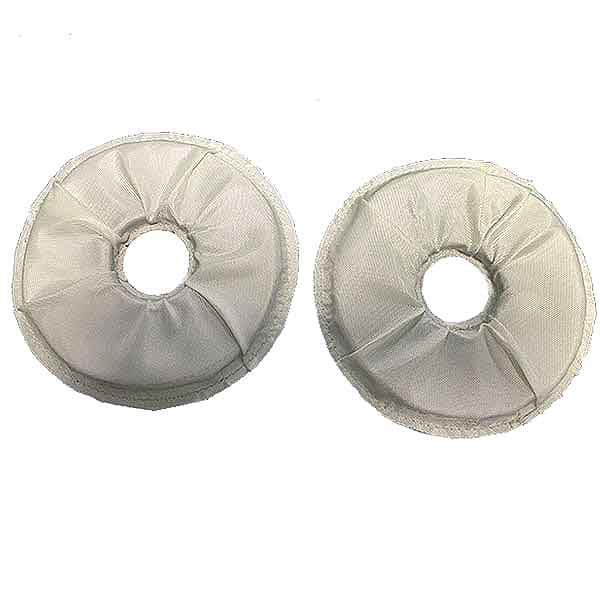
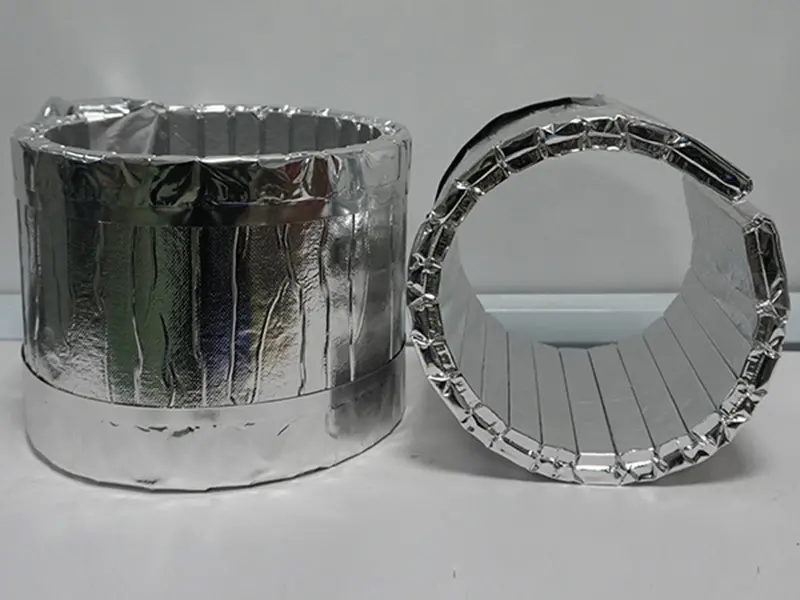
Custom curvature wrapping for high-temperature reactors and cylindrical storage vessels.
Customize Curves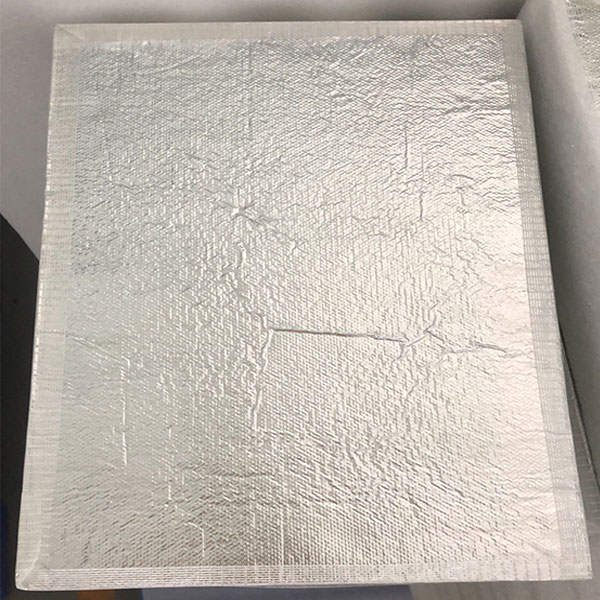
Reinforced with exterior PET composite laminates to increase mechanical protection during installation.
Check Data Sheet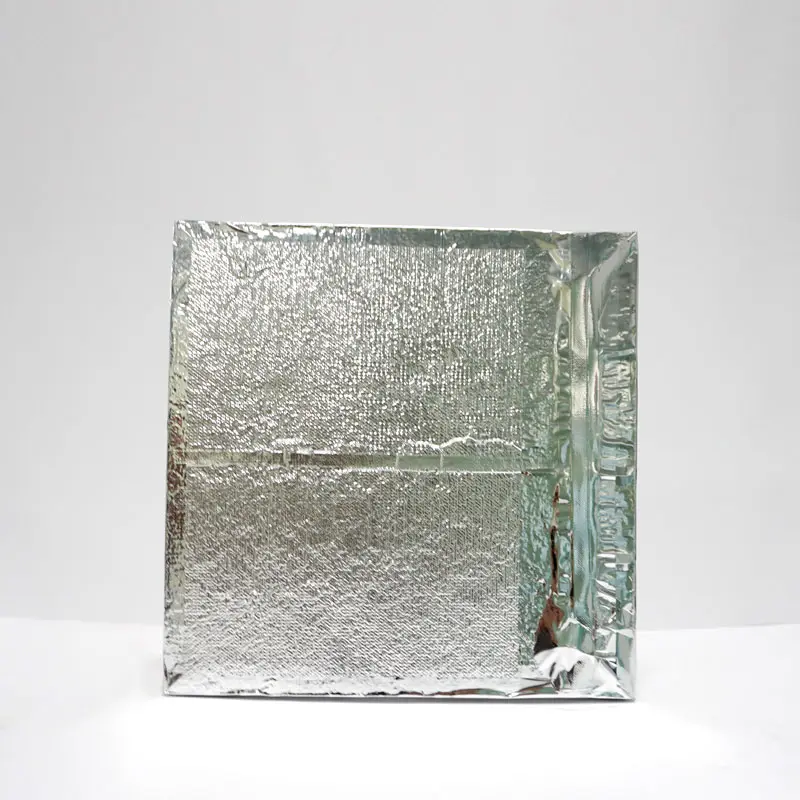
Optimized core density to withstand repetitive shock loading during regional air cargo transfers.
Select Dimensions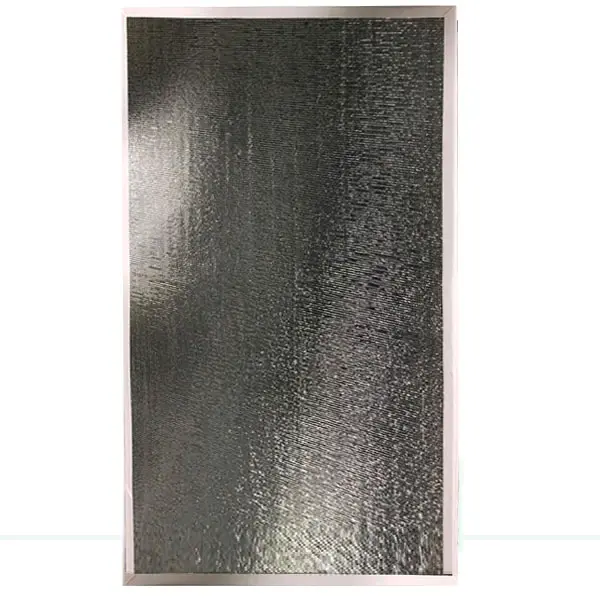
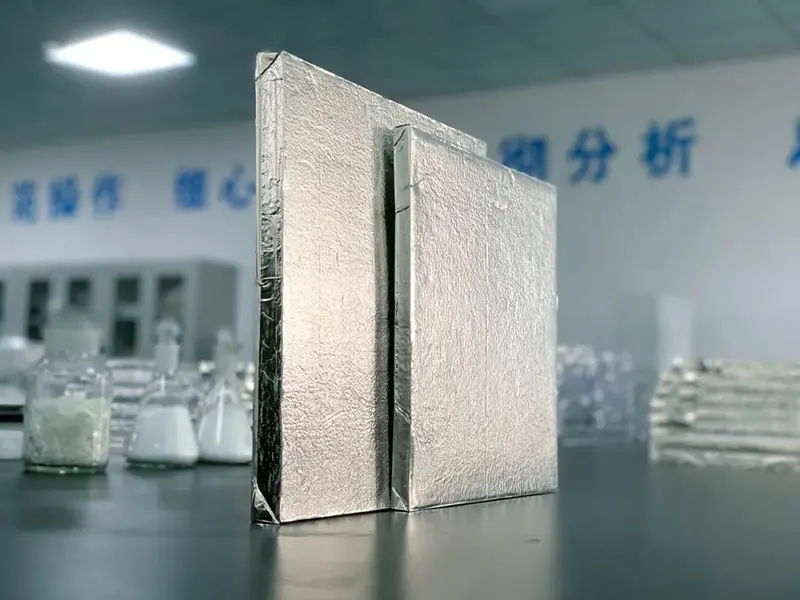
Large-format sizing (up to 1200mm x 800mm) to minimize joints in structural walls and roofs.
Request Sizing LayoutImplementing high-performance insulation systems in regulated markets requires adherence to international testing regimes and quality processes. Our production facility in Nanchong complies with ISO 9001:2015 for quality management, ISO 14001:2015 for environmental systems, and ISO 45001:2018 for occupational safety.
Each manufacturing batch is subjected to standard testing to guarantee technical performance under harsh operating conditions:
To maintain leadership in high-performance insulation systems, our R&D roadmap focuses on:

MultiMicro Technology Cleanroom Isolation

MultiMicro Technology HVAC Energy Retrofit
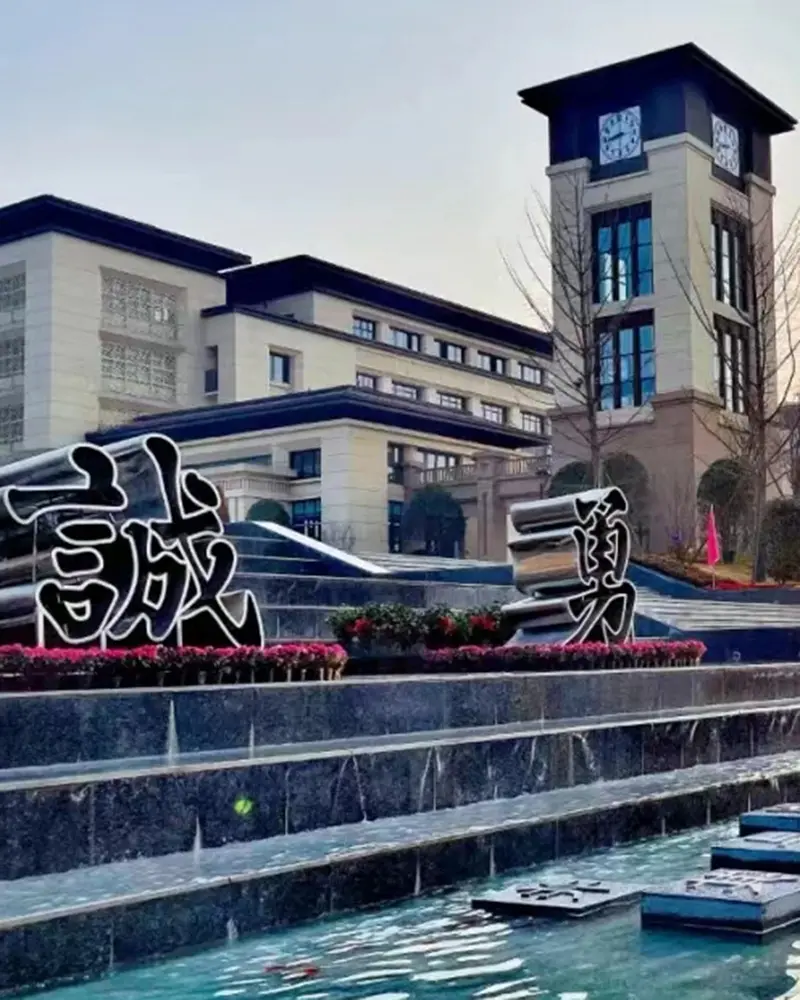
Nanchong High School Classroom Envelope System
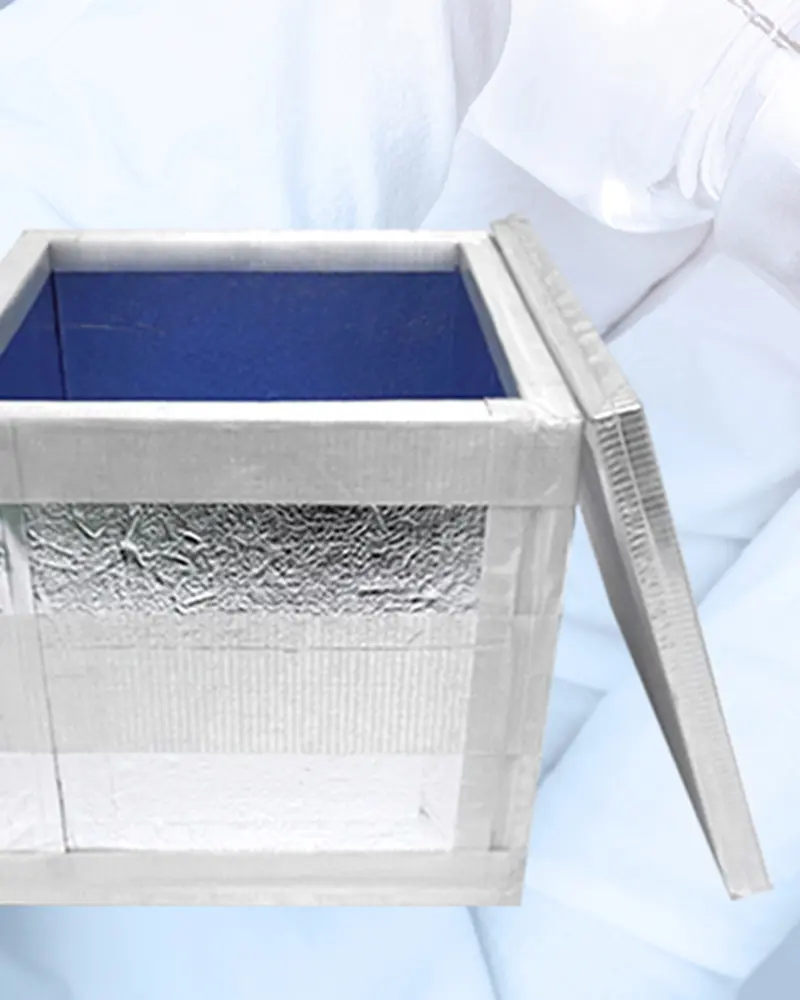
Vaccine Transport Box Thermal Preservation
Whether you require tailored battery insulation blankets for electric vehicle packaging, large-format building envelopes for passive house assemblies, or high-temperature microporous boards for heat-treating furnaces, our technical sales engineers will assist with sizing, drawing layouts, thermal simulations, and volume pricing.






 +86 15892792306