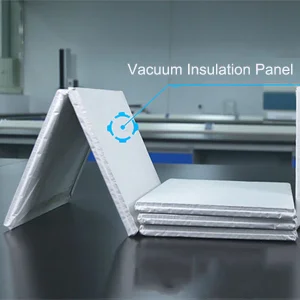
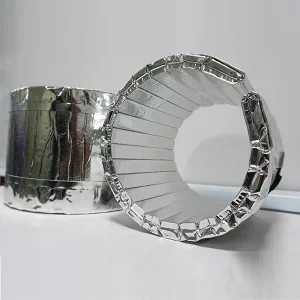
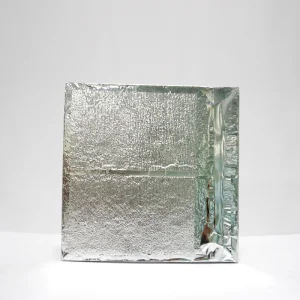
In the arena of advanced thermal insulation, Vacuum Insulation Panels (VIPs) represent the pinnacle of engineering efficiency, delivering thermal conductivity values (λ-value) as low as 0.0035 W/m·K. However, as international regulatory bodies clamp down on material transparency, the commercial acquisition of VIP thermal barrier technologies must be paired with complete and authoritative documentation. An incomplete Safety Data Sheet (SDS), often found with low-tier, unverified "cheap" suppliers, can trigger severe logistical bottlenecks, custom seizures, and workplace liability disputes. A validated VIP Safety Data Sheet is a mandatory regulatory document detailing the physical-chemical properties, hazard classifications, exposure limits, and safe-handling protocols of the panel’s composite components.
Understanding the distinction between an uncertified bargain panel and a "cost-efficient, fully compliant VIP system" is central to modern procurement strategies. In compliance with the Globally Harmonized System of Classification and Labelling of Chemicals (GHS), an SDS must accurately account for every layer of the VIP assembly: the core material (typically amorphous fumed silica or vitreous fiberglass), opacifiers (such as titanium dioxide or silicon carbide), internal gas/moisture getters (zeolites, reactive metals), and the barrier envelope (multilayer polymer-aluminum laminates). Organizations must bypass providers failing to furnish clear material classification, as doing so voids occupational safety standards and endangers handlers during onsite installation or decommissioning.


Under the magnifying glass of environmental health and toxicological evaluation, a Vacuum Insulation Panel is categorized as an "article" under REACH regulations. However, if mechanical damage or physical modification (such as unauthorized cutting or drilling on site) occurs, the containment barrier is breached, releasing the raw chemical substances. A robust safety evaluation requires granular examination of the chemical components typically utilized in premium fumed silica or fiberglass cores.
CAS No. 112945-52-5: Synthetic amorphous silica is crystalline-free. While not classified as a human carcinogen (unlike crystalline silica), the inhalation of fine dust can cause mechanical irritation to the respiratory system. Section 8 of the SDS mandates the use of particulate respirators (N95 or higher) if dust generation is likely.
To absorb residual moisture and gases over the 30-year operational life, chemical sorbents (getters) containing barium, lithium, or cobalt-based compounds are inserted. These components are reactive with humidity and must remain isolated to prevent localized exothermic reactions or the off-gassing of trace compounds.
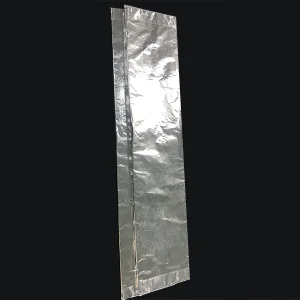
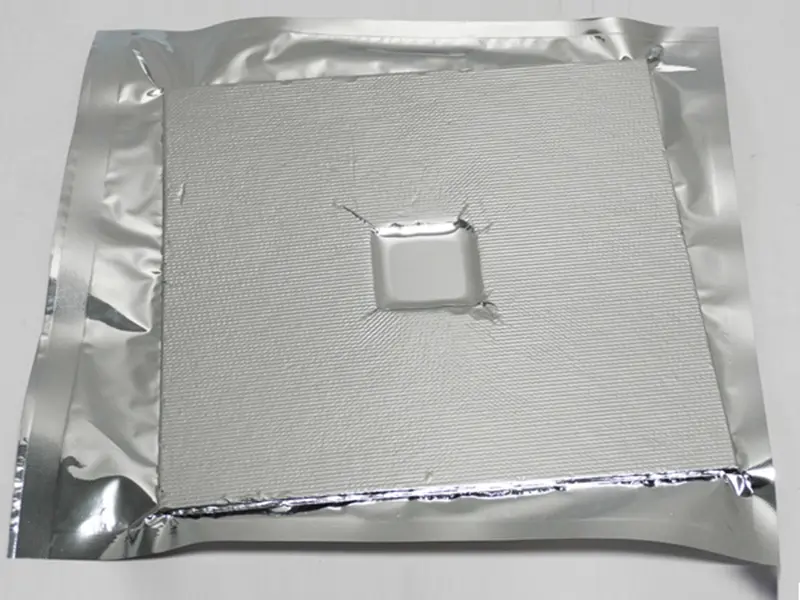
Comprising layers of Polyethylene Terephthalate (PET), aluminum foil, and low-density polyethylene (LDPE), the barrier film is non-toxic under normal thermal margins (-70°C to +80°C). Above degradation thresholds, the laminate adhesives may release trace carbon oxides and organic vapors, critical for Section 5 fire-fighting plans.
As multinational conglomerates aggressively execute transition pathways toward carbon neutrality, the integration of high-performance thermal insulation material becomes an operational default. Industries ranging from cold chain logistics and domestic refrigeration to commercial building construction are experiencing a major surge in demand. However, procurement managers are frequently enticed by uncertified "cheap" VIP options that compromise on downstream compliance safety. Buying from factories that do not compile standard, internationally certified SDS documents exposes the importing enterprise to substantial liabilities.
To successfully optimize procurement margins, global enterprise buyers must seek out factories that balance competitive pricing structures with certified quality benchmarks. A reputable high-volume production facility utilizes economies of scale, vertical chemical supply integration, and automated robotic core assembly lines to lower pricing structures without compromising core material purity or structural thickness tolerances. A verified SDS issued by a world-class manufacturing center acts as a passport for seamless cross-border shipping, verifying that the fumed silica, barrier laminates, and adhesive layers contain no SVHCs (Substances of Very High Concern) under the REACH database.
ABOUT US
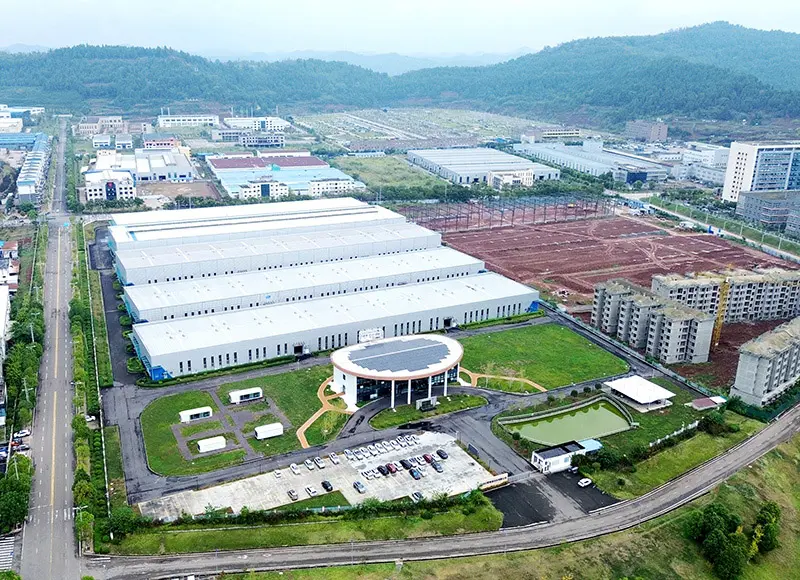
Zerothermo Technology Co., Ltd., a subsidiary of the prestigious CBVAC Group and a recognized national high-tech enterprise, is headquartered in the Beijing Economic-Technological Development Area, with its primary large-scale production base located in Nanchong City, Sichuan Province. This massive, integrated manufacturing facility stands as one of China’s largest and most advanced comprehensive production centers for high-vacuum technology application products.
By leveraging CBVAC Group's extensive vacuum engineering history, Zerothermo has established state-of-the-art laboratory testing suites to analyze outgassing dynamics, long-term vacuum decay rates, and detailed thermal conductivity indices. All chemical formulations, raw core materials, and barrier configurations undergo meticulous quality screening and are fully categorized in our compliance database, supporting our clients' safety documentation requirements.

Special sizes (beyond the range of ANSI/ASME/DIN and other standards) are produced according to customers' drawings or technical parameters.

Square, oval, or other custom geometrical flanges are manufactured to precision. Oversized or small diameter profiles (e.g. micro-precision configurations) are built to order.

Non-standard configurations designed for challenging process environments, utilizing specialized surface treatments and material grades for optimal sealing integrity.

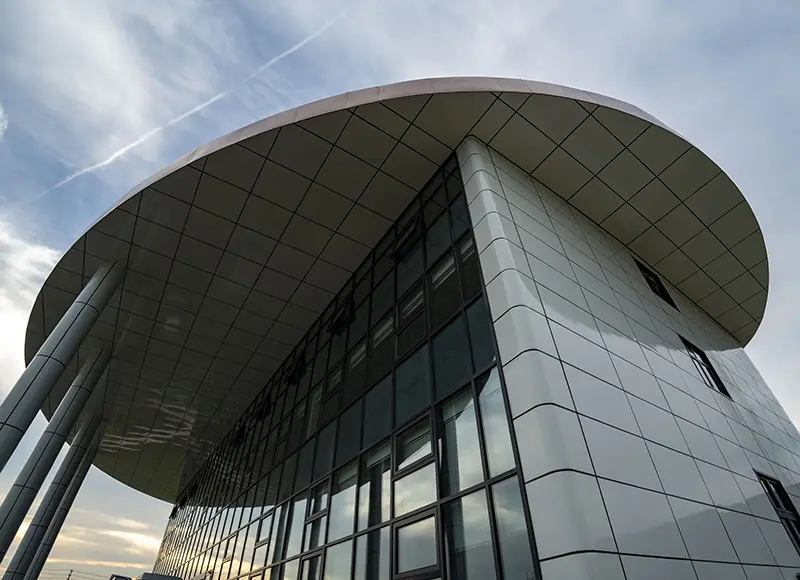
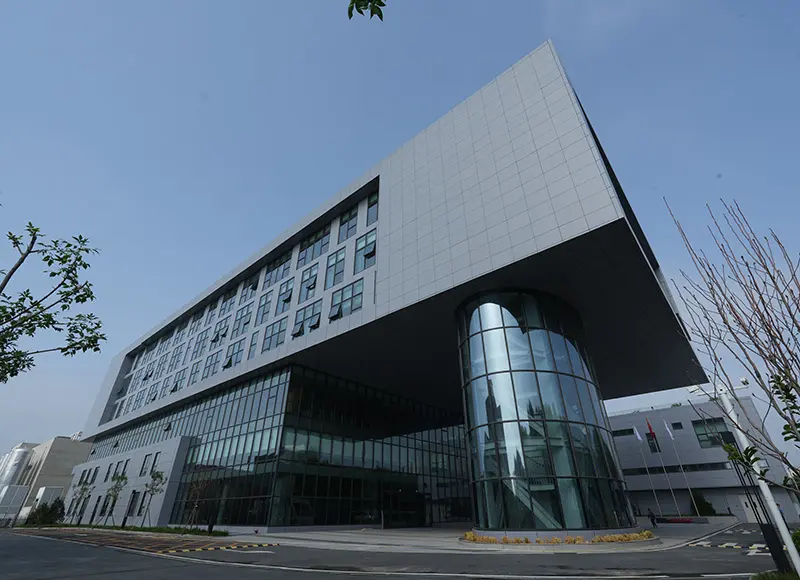
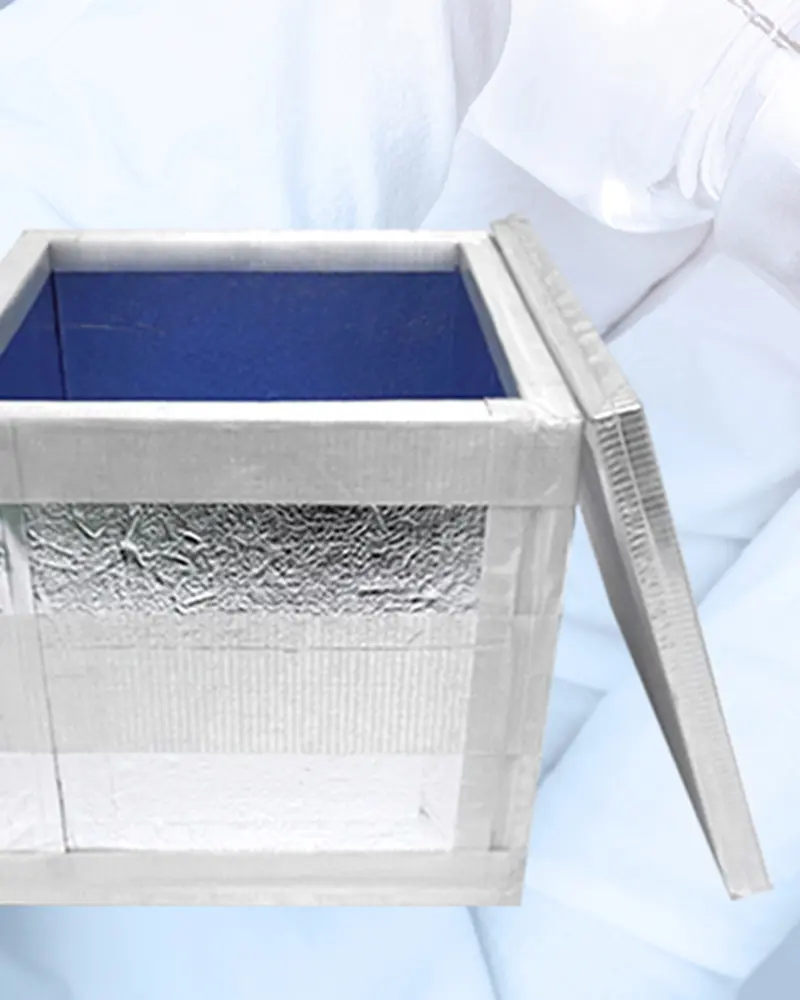
Implementing vacuum insulation panel technology requires custom designs for specific industries. In the cold chain distribution of biopharmaceuticals, keeping vaccines safe between -70°C and -20°C is critical. The fumed silica core provides reliable temperature control because it is chemical-free and will not gas out, preventing temperature failures. According to the product safety data sheet, the core material is non-combustible. This makes fumed silica the standard choice for architectural wall assemblies, where thermal performance and fire safety must be balanced.
For the high-temperature industrial sector and New Energy Vehicles (NEVs), integrating customized battery thermal blankets presents distinct chemical and mechanical challenges. Lithium-ion batteries generate massive energy, risking thermal runaway. If a battery cell fails, the insulation panel must contain the fire. VIP safety data sheets detail the material's fire behavior under Section 5 (Fire-fighting measures) and Section 10 (Stability and reactivity), confirming the panel will not release toxic fumes or accelerate fire spread. This critical information guides structural engineers designing lightweight, safe enclosures.
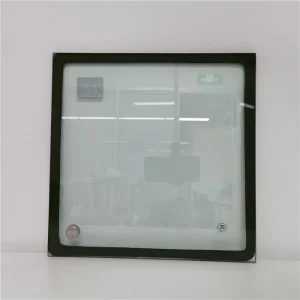
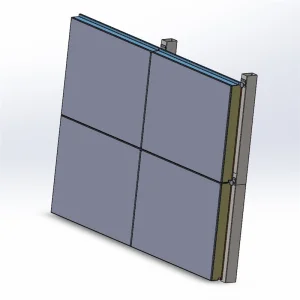
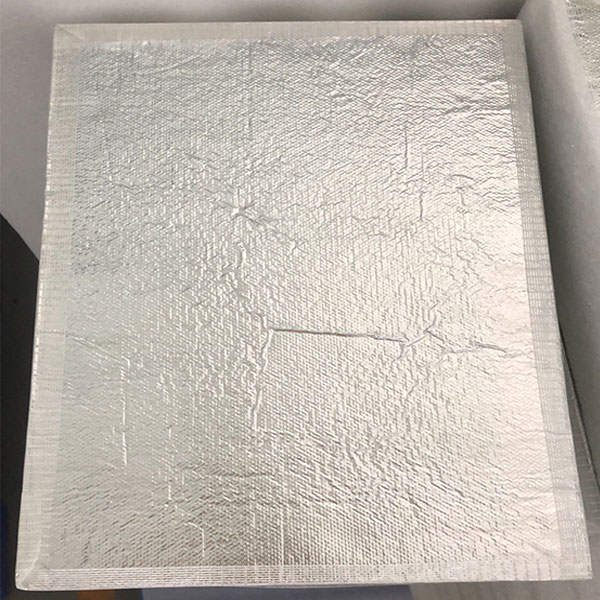
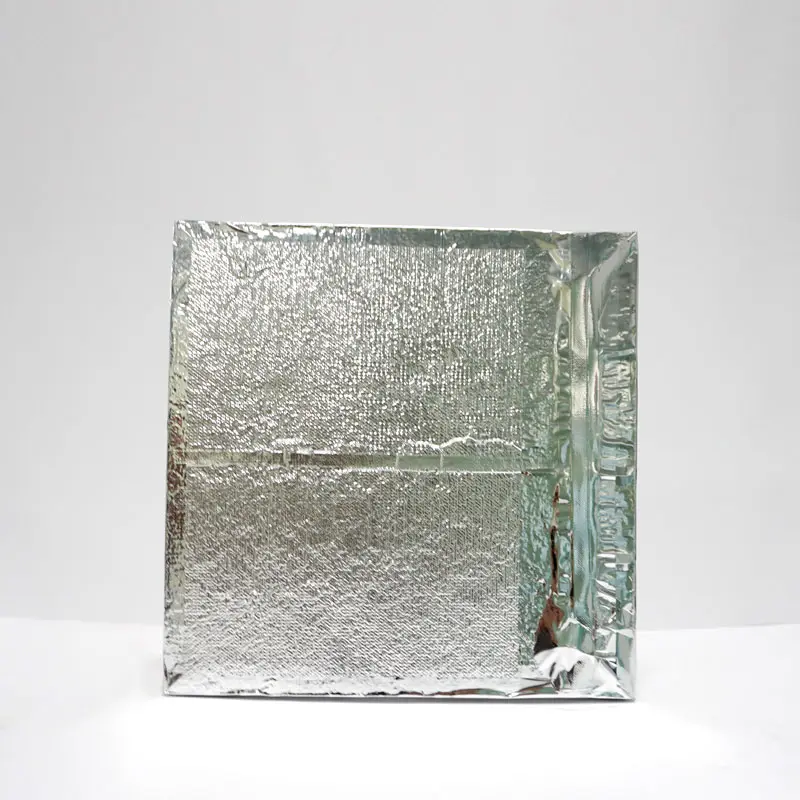
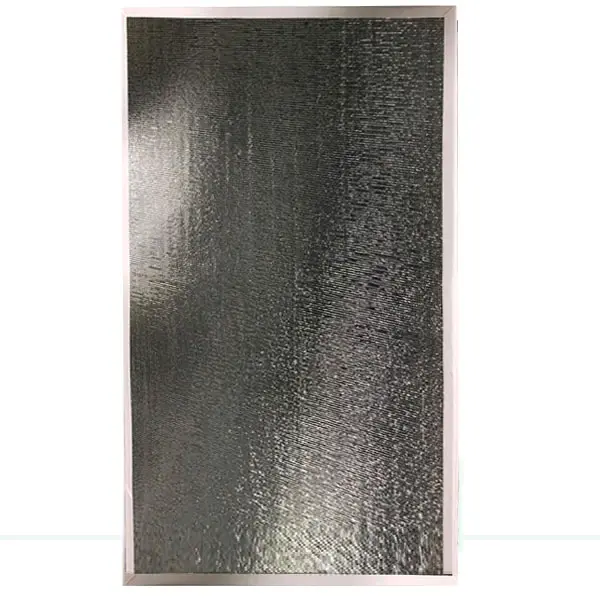
Providing high-efficiency thermal insulation solutions for building envelope systems through innovative products such as vacuum insulation panels and vacuum insulated glass, empowering the construction sector to reduce carbon emissions and achieve carbon neutrality.
Providing high-efficiency thermal insulation solutions for building envelope systems through innovative products such as vacuum insulation panels and vacuum insulated glass, empowering the construction sector to reduce carbon emissions and achieve carbon neutrality.
Providing high-efficiency thermal insulation solutions for building envelope systems through innovative products such as vacuum insulation panels and vacuum insulated glass, empowering the construction sector to reduce carbon emissions and achieve carbon neutrality.
Providing high-efficiency thermal insulation solutions for building envelope systems through innovative products such as vacuum insulation panels and vacuum insulated glass, empowering the construction sector to reduce carbon emissions and achieve carbon neutrality.


The future of vacuum insulation panels depends on improving thermal performance while maintaining strict safety standards. Standard fumed silica panels are now highly optimized, but researchers are developing hybrid cores that combine silica with aerogels to reduce weight. These hybrid materials must be documented on the SDS to ensure they are safe for handlers. In addition, new barrier films are being developed to replace aluminum with fully recyclable, metal-free high-barrier plastics, making it easier to recycle panels at the end of their lifespan.
Over the next ten years, the VIP industry will prioritize bio-based materials and circular-economy life cycles. In construction, where insulation panels must last for decades, end-of-life recycling is a major challenge. Future safety sheets will include detailed instructions for handling and recycling spent core materials, converting used fumed silica into fresh raw materials for paint opacifiers or industrial concrete. Our technology roadmap focuses on developing these closed-loop cycles, helping partners meet environmental regulations without sacrificing thermal performance.
Importing vacuum insulation panels requires compliance with regional safety frameworks. Global manufacturers must supply safety data sheets that meet local legal requirements. In North America, the Occupational Safety and Health Administration (OSHA) requires the HazCom 2012 format, which requires synthetic amorphous fumed silica to be evaluated for dust exposure hazards. This ensures workplace safety during construction or when cutting panels during fabrication.
In the European Union, the Classification, Labelling and Packaging (CLP) Regulation (EC No 1272/2008) is the standard. If a VIP supplier uses core materials with bio-soluble synthetic mineral fibers or trace opacifiers, the SDS must verify their safety. It must confirm these components do not require hazard labeling under international clean-air standards. In the Asia-Pacific region, including China (under GB/T 16483-2008 and GB/T 17519-2013), regulations emphasize clear transport labels and proper handling procedures for vacuum-sealed containers. Aligning safety documentation across these regions avoids customs clearance delays and ensures a safe, compliant supply chain.
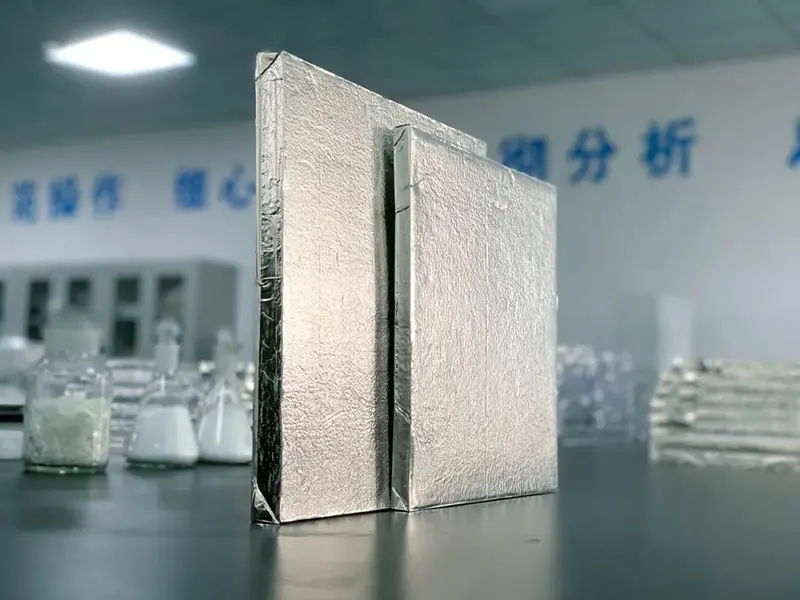
The core material typically consists of synthetic amorphous fumed silica (often over 80-90% by weight), combined with opacifiers like titanium dioxide or silicon carbide to minimize infrared radiation. In some configurations, glass fiber matrices are used. Getters like barium-based alloys are added in small, isolated quantities to absorb moisture and gases.
No. Synthetic amorphous fumed silica is crystalline-free and classified as non-carcinogenic by the International Agency for Research on Cancer (IARC Group 3). It does not pose the silicosis risks associated with quartz or crystalline silica. However, physical contact can dry the skin, and inhaling dust can irritate the lungs.
Puncturing a VIP compromises the vacuum, causing the panel to lose its high insulating properties. It also exposes the core material. If a panel is punctured, wear gloves and a particulate respirator (N95 or higher) during handling to avoid breathing in silica dust or glass fibers. Clean up loose powder using a HEPA-filter vacuum rather than dry sweeping.
Low-cost manufacturers often lack the technical resources or engineering staff to test and document their materials. Working with these suppliers exposes buyers to regulatory compliance issues. Authorized companies like Zerothermo, backed by CBVAC Group, supply fully certified SDS documentation for all international shipments.
Fumed silica cores are naturally non-combustible and classified as Class A1 under European fire testing standards (EN 13501-1). The thin outer polymer-aluminum barrier film has a very low fuel load and does not significantly contribute to fire spread or toxic smoke generation during building fires.
Desiccants like molecular sieves are generally non-hazardous. Chemical getters containing reactive metals are sealed inside the protective core matrix and do not present exposure risks during normal use. However, these materials must be handled properly during decommissioning to prevent contact with moisture.
Look for manufacturers with recognized quality management certifications, such as ISO 9001 and ISO 14001, along with a complete technical support team. Reliable factories provide transparent material data, detailed safety documentation, and custom engineering options rather than just low prices.
Standard vacuum insulation panels are classified as non-hazardous for transport under DOT, IATA, and IMDG regulations. They do not require special hazardous material shipping labels, provided the packaging prevents mechanical damage during transit.
When properly installed and protected from puncture, fumed silica VIPs can maintain high thermal performance for 30 to 50 years. The fumed silica core helps maintain the internal vacuum even as trace amounts of moisture slowly penetrate the barrier over time.
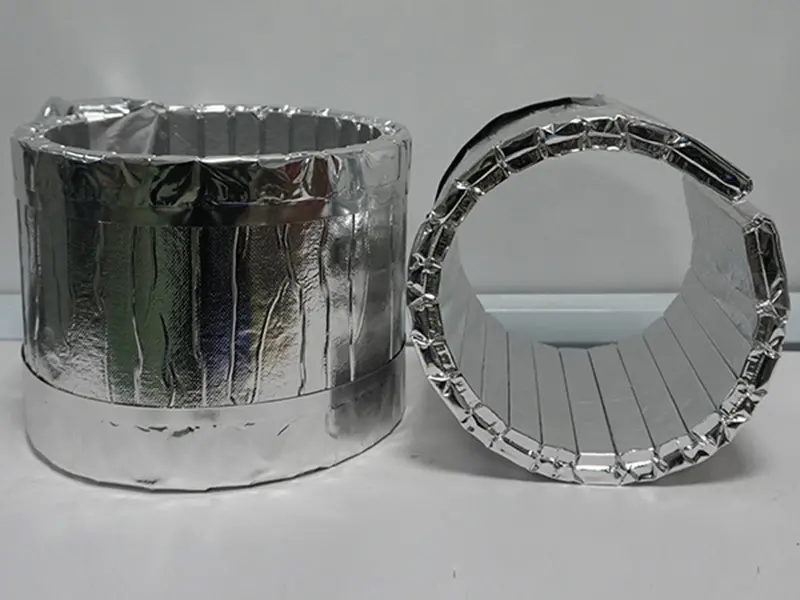
Yes. VIPs must be manufactured to specific dimensions at the factory, as they cannot be cut or adjusted on site. Leading producers offer customized sizes, thicknesses, and shapes, including curved or circular panels, to meet unique project requirements.
News and Information
Committed to supporting China’s “dual-carbon” goals, Zerothermo Technology drives high-quality development of new quality productivity while promoting sustainable industrial advancement
Our Technology
We offer a one-stop vacuum insulation board solution. Contact us for a solution.












 +8615892792306