Premium Vacuum & Thermal Solutions
Scientific White Paper & Technical Analysis
In high-temperature thermal management systems, selecting the optimal balance of material thickness and thermal resistance is a paramount engineering challenge. Standard insulating materials like calcium silicate or ceramic fibers often demand massive spatial footprints to achieve adequate temperature drops. However, the advent of Microporous Insulation Board technology has fundamentally changed this paradigm. By operating on the nanostructural level, these boards achieve exceptionally low thermal conductivity—often lower than still air.
Traditional insulating materials function by trapping pockets of air within their porous structure. However, they cannot stop the heat transfer resulting from the kinetics of gas molecules, nor can they effectively eliminate radiative heat transfer at extreme temperatures. Microporous insulation solves this through three primary mechanisms:
At atmospheric pressure, the mean free path of an air molecule (the average distance it travels before colliding with another molecule) is approximately 70 nanometers. In a typical ceramic fiber blanket, the pore sizes range from several microns to tens of microns, allowing air molecules to collide freely and transfer thermal energy. A 20mm microporous insulation board, conversely, features internal pore structures averaging less than 20 nanometers. This effectively locks air molecules in spaces smaller than their mean free path, preventing them from transferring kinetic energy. This phenomenon is known as the Knudsen Effect, and it limits gas convection to near zero.
At temperatures exceeding 500°C, radiative heat transfer (infrared radiation) becomes the dominant mode of thermal energy movement. To combat this, microporous boards incorporate specialized opacifiers (such as titanium dioxide or silicon carbide) blended into the fumed silica matrix. These opacifiers scatter, reflect, and absorb infrared rays, ensuring that radiant energy is dissipated long before it can penetrate the 20mm cross-section.
Solid conduction is mitigated by minimizing the contact points between the nanometer-sized fumed silica particles. The structure resembles a highly dispersed skeletal network, meaning heat traveling through the solid matrix must follow an incredibly tortuous and long path, which severely dampens thermal transmission.
| Physical Property | Standard Cal-Sil Board (100mm) | Ceramic Fiber Board (50mm) | 20mm Microporous Board (Zerothermo) |
|---|---|---|---|
| Thermal Conductivity (at 800°C) | 0.18 W/m·K | 0.14 W/m·K | 0.021 - 0.024 W/m·K |
| Thickness Required for equivalent insulation | 100 mm | 50 mm | 20 mm |
| Max Continuous Operating Temp | 650°C | 1000°C | 1050°C - 1100°C |
| Space Saving Ratio | Baseline | 50% Reduction | 80% Reduction |
Tailored Specifications
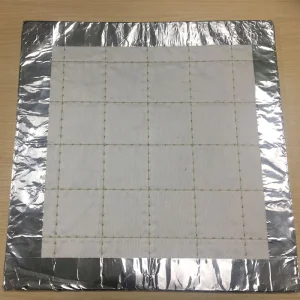
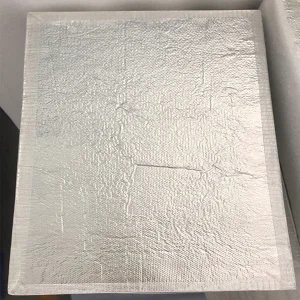
Product Details: Size: Customized | Thickness: 5-20mm. Engineered specifically for EV thermal runaway containment and battery compartment protection.
View More +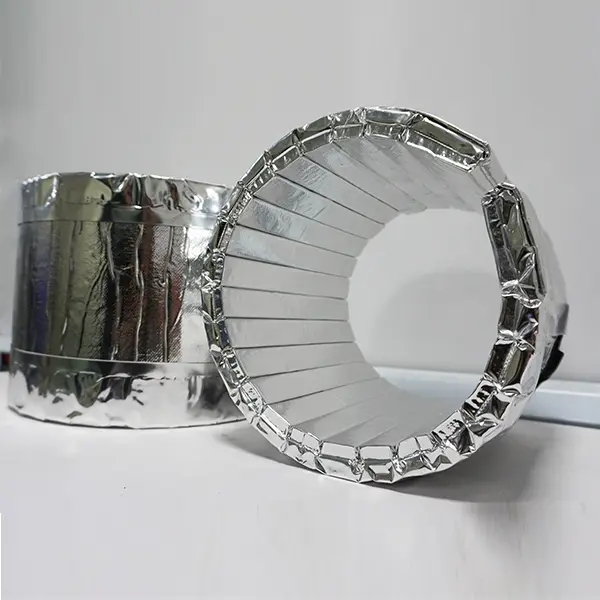
Product Details: Size: Customized | Thickness: 5-20mm. Perfect for advanced high-efficiency boiler jackets and water storage systems.
View More +
Our elevator fireproof door high temperature nano microporous board options offer structural reliability and integrity up to 1100°C.
View More +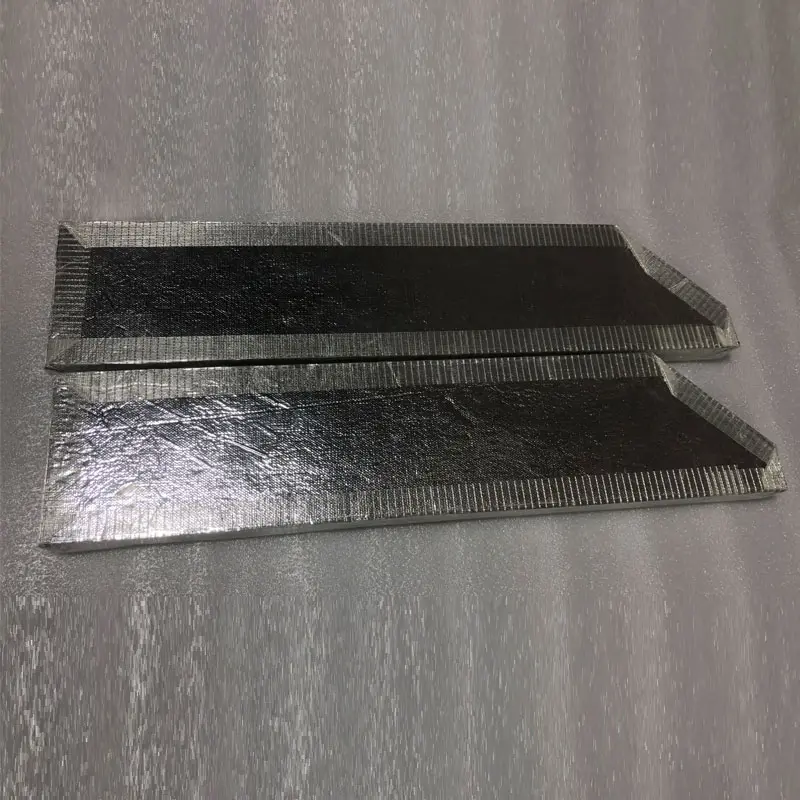
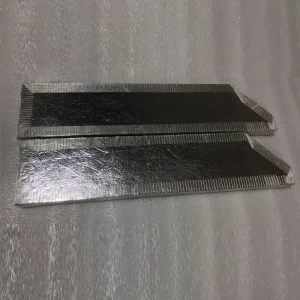
Custom multi-angle and non-standard geometric vacuum insulation panels designed for complex configurations and strict clearance profiles.
View More +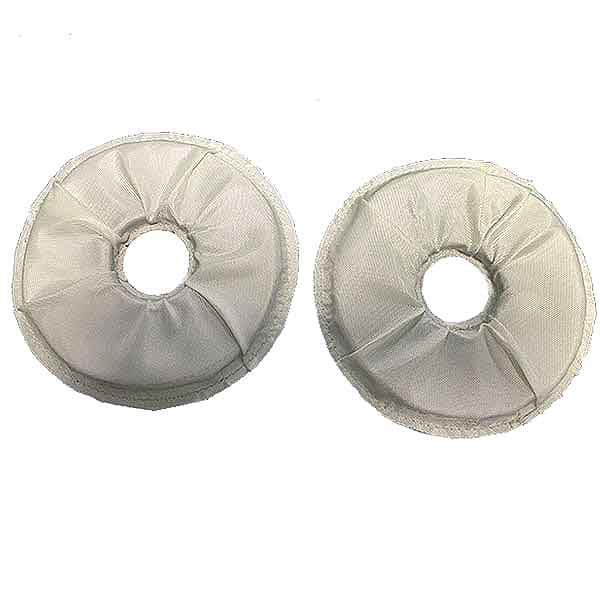
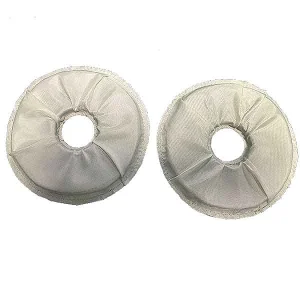
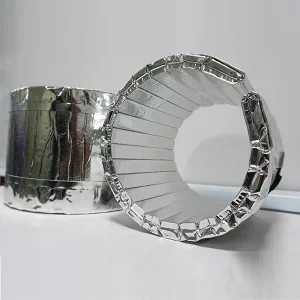
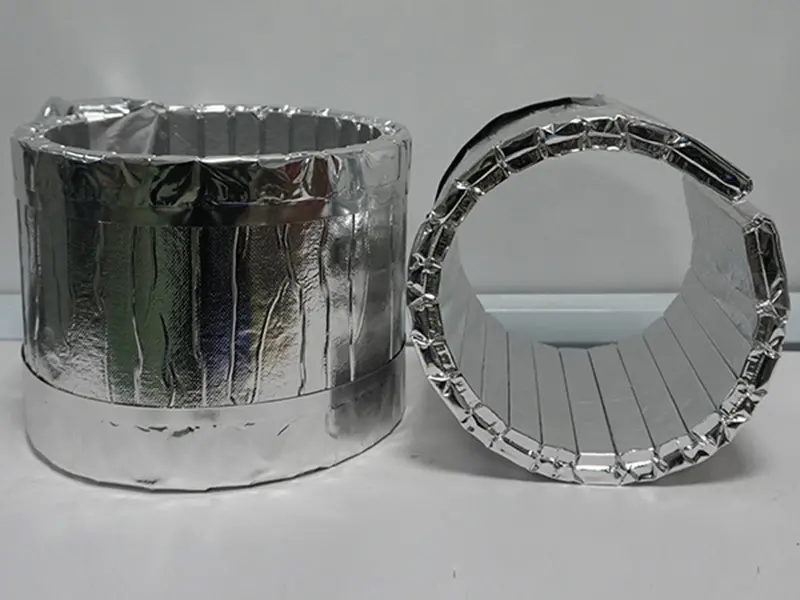
Round shape, customized radius insulation wraps and segments for pipe fittings, valves, and cylindrical pressure vessels.
View More +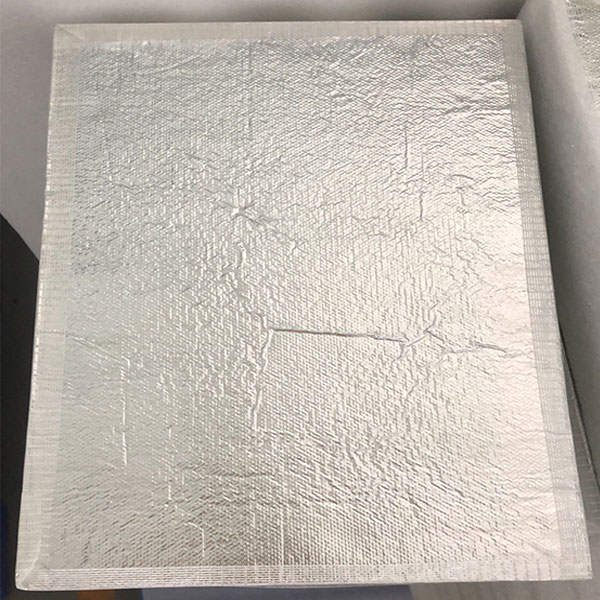
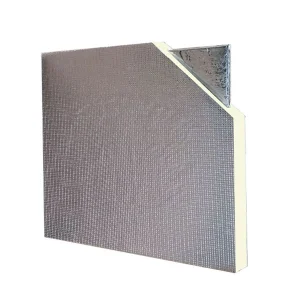
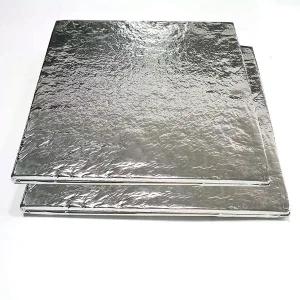
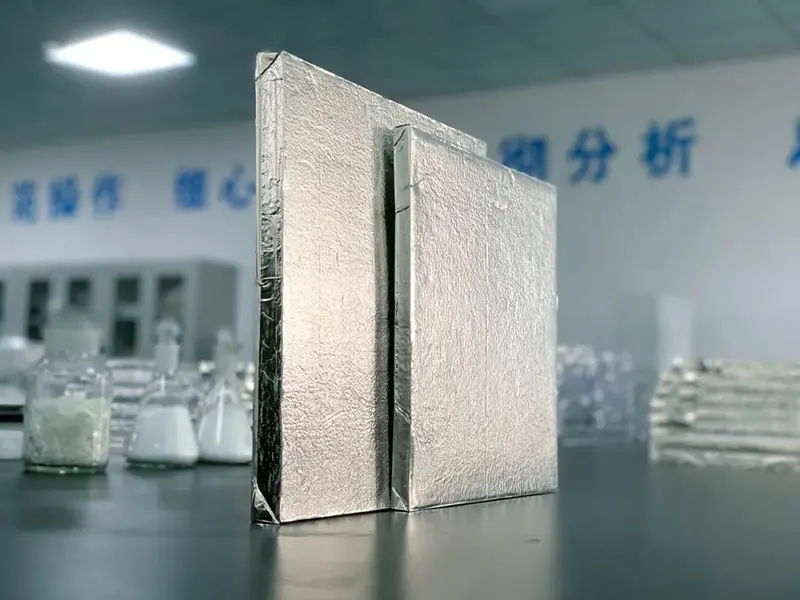
High-efficiency vacuum insulation panels utilizing pure fumed silica cores encased in barrier films for cold storage infrastructure.
View More +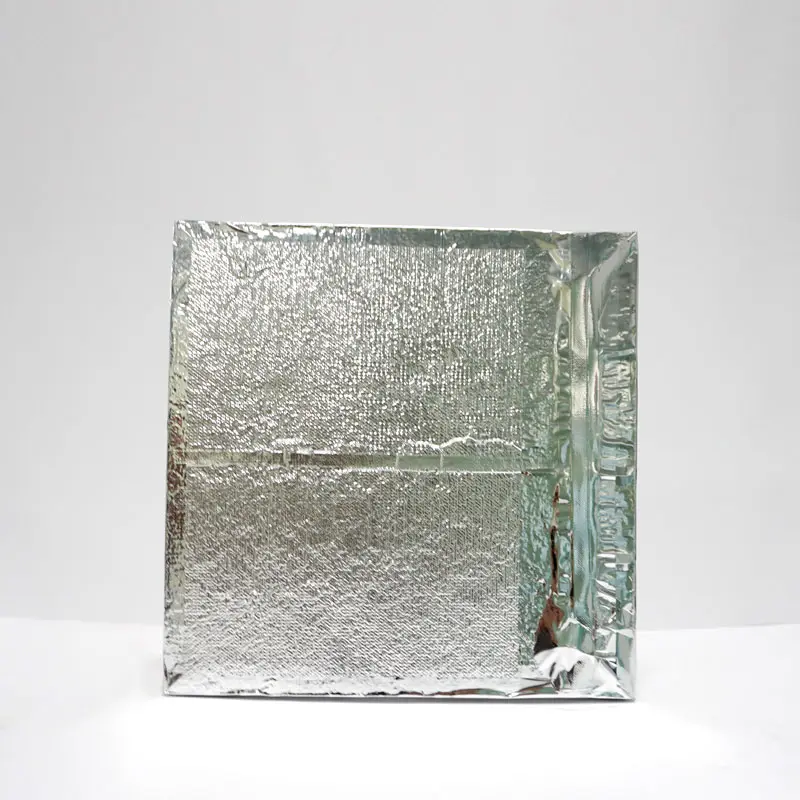
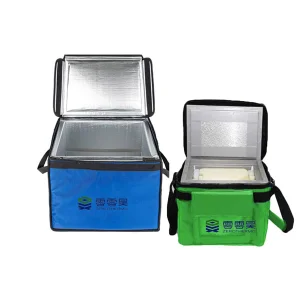
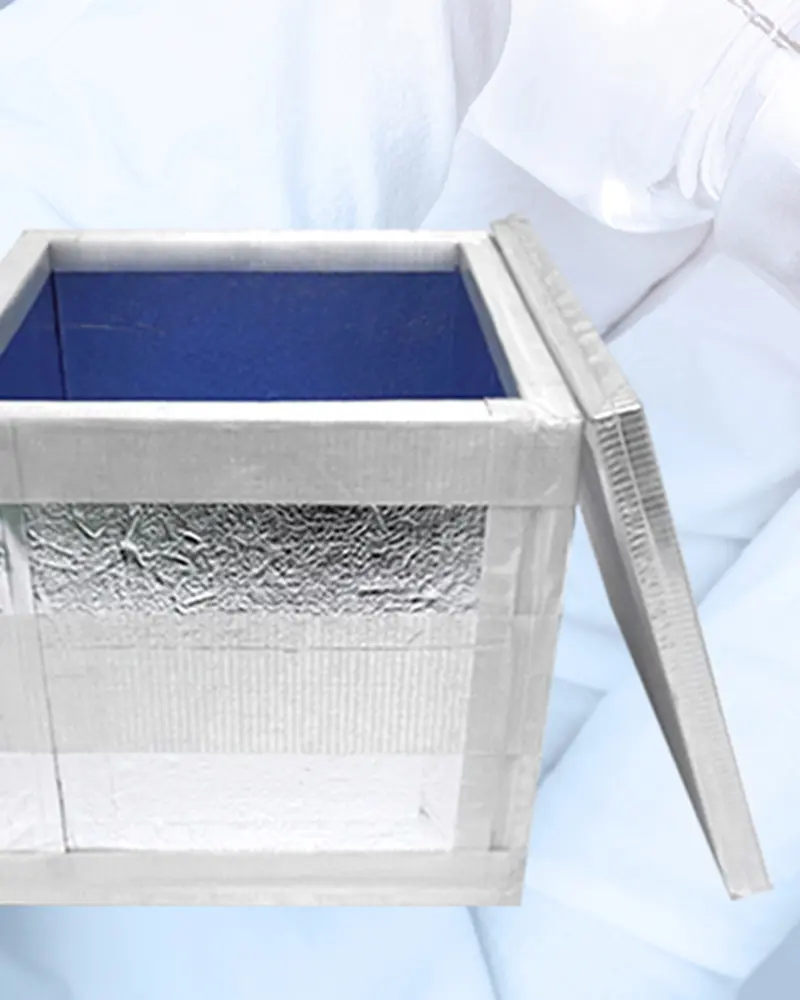
Advanced cold boxes and shipper insulation optimized for global transport of vaccine containers and biological agents.
View More +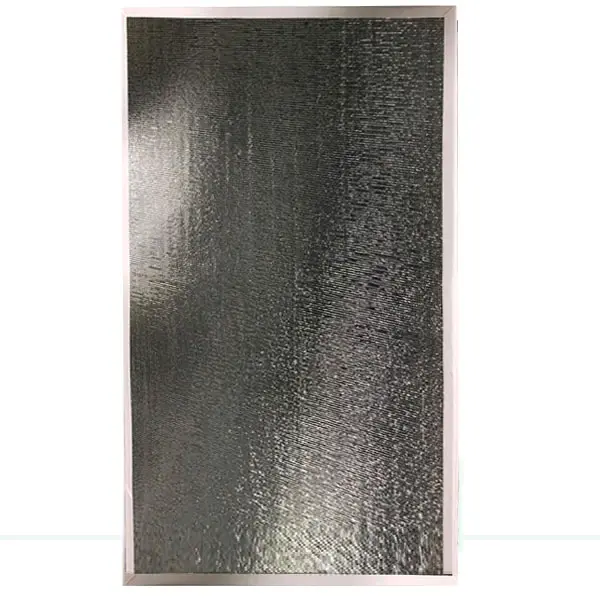
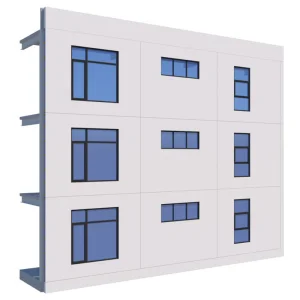
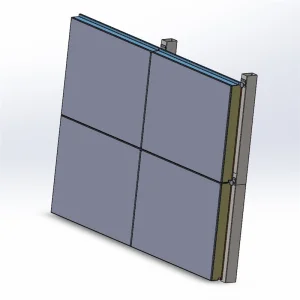
Scalable panels up to maximum limits designed for large-scale container cladding, architectural wall skins, and cold cargo chambers.
View More +About Us
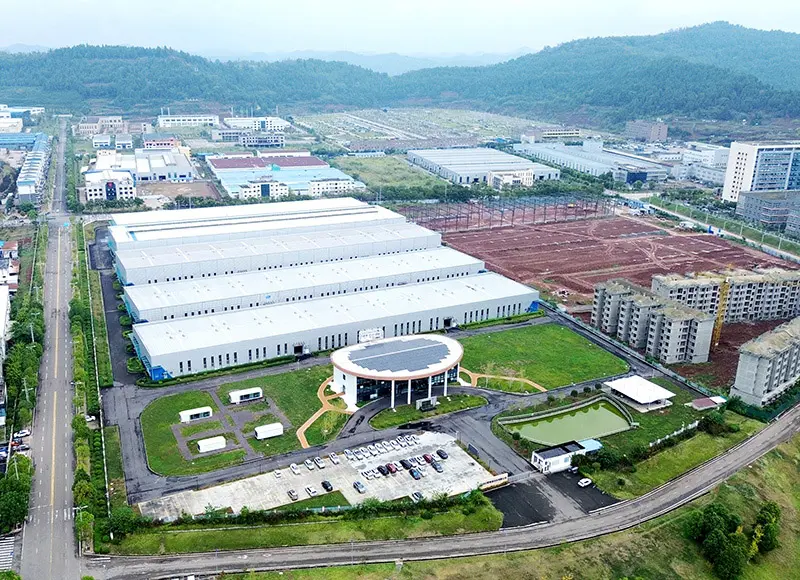
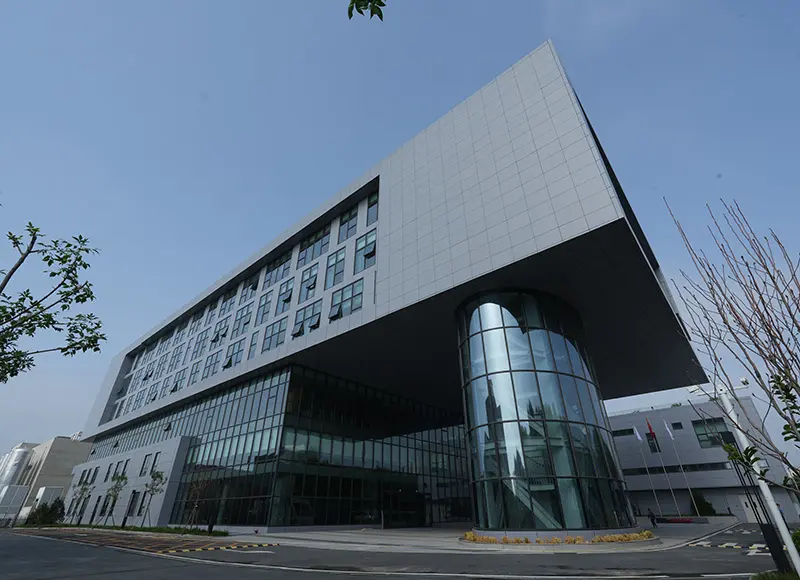
Zerothermo Technology Co., Ltd., a subsidiary of the prestigious CBVAC Group, is a recognized national high-tech enterprise. Headquartered in the Beijing Economic-Technological Development Area, our state-of-the-art production base spans over a massive footprint in Nanchong City, Sichuan Province. This facility stands as one of China's largest, most modern comprehensive production centers for vacuum technology and advanced thermal application products.
We combine advanced physical engineering with industrial scalability to export cost-effective, high-performance microporous and vacuum products worldwide. Our commitment to sustainability aligns with global "dual-carbon" goals, ensuring our customers reduce energy waste and emissions significantly.

Special dimensions beyond standard ANSI/ASME/DIN parameters manufactured precisely to custom engineering specs.

Square, oval, and polygonal profiles matching advanced vacuum system connections and micro-precision applications.

Diameters exceeding 60 inches down to microscopic parameters, matching specialized process chambers.




Our Core Strengths


Global Industrial Context & Sourcing Logic
In the global market, procuring high-performance insulation involves balancing technical capabilities with commercial realities. For years, European and American manufacturers dominated the microporous market, pricing these products out of reach for general commercial and industrial applications. Sourcing from a cheap microporous insulation board 20mm factory in China like Zerothermo allows procurement officers and engineers to optimize budgets without yielding performance benchmarks.
The cost efficiency of our 20mm microporous boards does not stem from compromised materials; rather, it is built upon vertical integration and regional scale advantages:
Fumed silica (SiO₂), the structural backbone of microporous insulation, is produced abundantly in China's industrial chemical corridors. Because Zerothermo's Nanchong base operates within a major industrial node under the CBVAC Group framework, we enjoy direct, pipeline-grade bulk supply pricing for high-purity raw silica. This insulates our pricing structure from international shipping volatility and bulk commodity swings.
Microporous board production requires massive structural force to compress nanostructured fumed silica without crushing its internal pore network. Our Sichuan facility operates custom-developed, high-pressure, automated hydraulic pressing lanes. These automated presses ensure uniform density distribution across the entire 20mm cross-section, eliminating soft pockets or micro-fissures which are common in manual, low-scale operations.
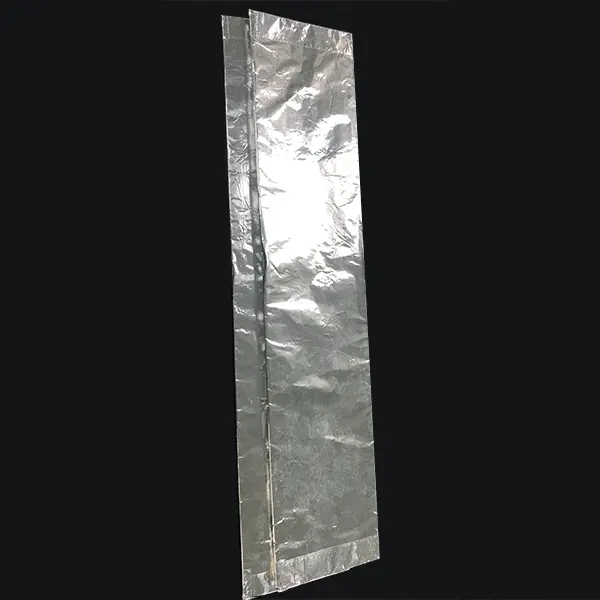
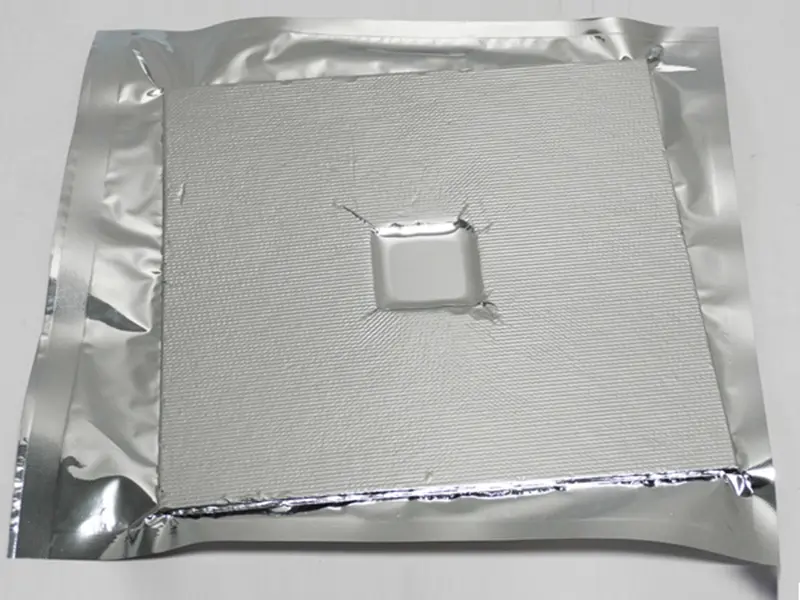
A primary failure mode of microporous insulation during transport is friability—the tendency to crumble under vibration. We solve this by introducing high-performance, non-combustible fiber reinforcements directly into the mix, followed by immediate heat-shrink sealing or encasing the boards in high-barrier PE/PET protective foils. Our packaging process protects the boards from humidity, keeping them dry and structurally sound until they arrive at your installation site.
Broad Industry Integration

Providing high-efficiency thermal insulation solutions for temperature-sensitive shipping box envelopes, vaccine logistics, and biological shipping containers.

Empowering commercial structures to meet green building codes and carbon-neutral standards with space-saving, fire-rated vacuum insulated glass and thin facade panels.

Protecting steel ladles, cement rotary kilns, glass melting furnaces, and heavy petrochemical piping networks with thin-profile, heat-resistant barriers.

Innovative insulated building skins and specialized climate-controlled structures designed to preserve ambient conditions efficiently in remote eco-resorts.




Technology Roadmap & Future Outlook
As industries adapt to clean energy transitions, our manufacturing guidelines are evolving alongside these shifts. Zerothermo's product development pipeline focuses on three key technological horizons:
By integrating silica aerogels into the fumed silica microporous framework, we are developing lightweight, hybrid boards that boast a thermal conductivity down to 0.015 W/m·K at room temperature. This hybrid formulation maintains its mechanical flexibility, allowing the production of curved panels that resist fracturing under structural tension.
In accordance with global ecological regulations (such as REACH and RoHS), our R&D team is moving away from organic compounds toward advanced, bio-soluble inorganic binders. These new binders produce zero outgassing or smoke during their first heat cycle, rendering them safer for enclosed systems like battery enclosures in passenger EVs and elevator shafts.
Complex industrial parts need multi-angled insulation wraps. By using advanced 5-axis CNC cutters, we are expanding our custom-cutting services to mill complex, 3D curved, and interlocking patterns directly from compressed 20mm microporous boards. This allows for quick, slide-in assembly around pipe elbows and industrial nozzles, removing the gaps that lead to heat leaks in traditional layered wrapping.
Case Studies



Contact Us
Ready to optimize your thermal parameters and reduce engineering footprints? Get in touch with our team for standard or bespoke 20mm microporous insulation boards.


News and Information

Expert Q&A Session
Premium Sourcing Catalog