
Premium architectural and logistics barrier panels sourced directly from China's leading vacuum technology production facilities.

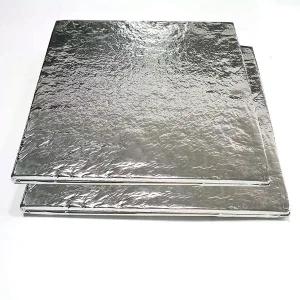
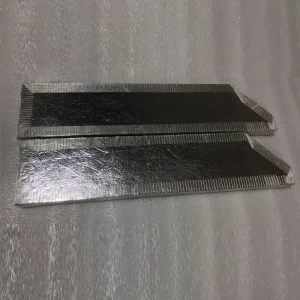
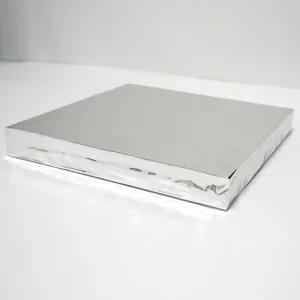
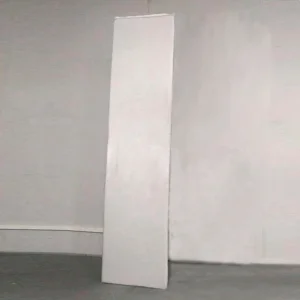
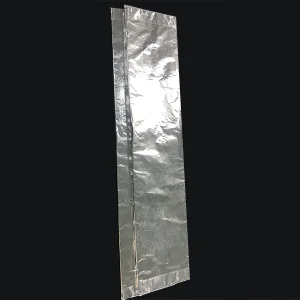
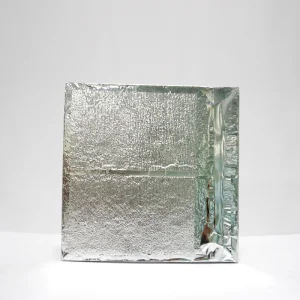
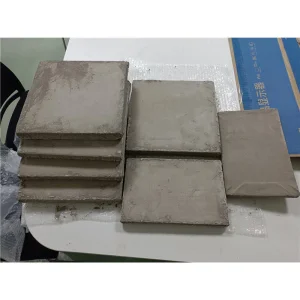
In the contemporary B2B landscaping of high-performance thermal insulation, finding the optimized threshold between cost efficiency and high R-value thermal resistance has become the primary procurement milestone for global developers, refrigerator manufacturers, and logistics systems. Conventional solutions such as Expanded Polystyrene (EPS), Extruded Polystyrene (XPS), and Polyurethane (PU) boards are facing regulatory bottlenecks due to rising green-building code requirements (such as ASHRAE 90.1, Title 24, and European EPBD standards) and corporate Net-Zero goals.
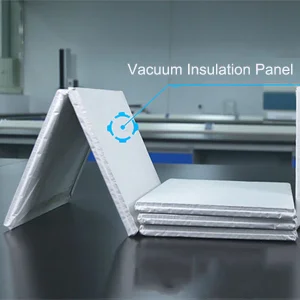
This is where the paradigm shifts toward Vacuum Insulation Panels (VIPs) and hybrid core foam boards. By utilizing advanced fumed silica or micro-fiberglass cores encapsulated within high-barrier laminate envelopes under absolute vacuum, the thermal conductivity is driven down to levels as low as 0.002 to 0.004 W/m·K. In comparison, typical XPS foam boards exhibit a thermal conductivity of roughly 0.030 W/m·K. This allows designers to achieve identical thermal protection at up to 10% of the thickness of traditional foam boards.
However, historically high manufacturing costs limited VIP adoption. The key to unlocking widespread commercial use is sourcing from state-of-the-art Chinese supply chains that leverage massive raw material integration, automated core pressing, and vacuum assembly. This whitepaper analyzes how B2B buyers can optimize their thermal envelope specifications and procure low-cost, high-performance insulated foam boards directly from world-class manufacturing bases without compromising on E-E-A-T (Expertise, Experience, Authoritativeness, and Trustworthiness) metrics.
| Insulation Type | Thermal Conductivity (W/m·K) | R-Value per Inch | Required Thickness for R-30 | Service Life (Years) | Primary Sourcing Target |
|---|---|---|---|---|---|
| Fumed Silica Core VIPs | 0.004 - 0.006 | R-35 to R-45 | 0.7 - 0.8 Inches | 30 - 50 Years | CBVAC Zerothermo Facilities |
| Fiberglass Core VIPs | 0.002 - 0.003 | R-50 to R-65 | 0.5 - 0.6 Inches | 15 - 25 Years | Industrial Cold Chain Bases |
| Polyurethane (PU) VIP Hybrid | 0.018 - 0.022 | R-12 to R-15 | 2.0 - 2.5 Inches | 25+ Years | Cold Storage Envelope Systems |
| Standard XPS Foam Board | 0.029 - 0.034 | R-5.0 | 6.0 Inches | 15 - 20 Years | Regional Construction Retailers |
How industries translate structural thermal barriers into significant energy and space savings across varying regions.
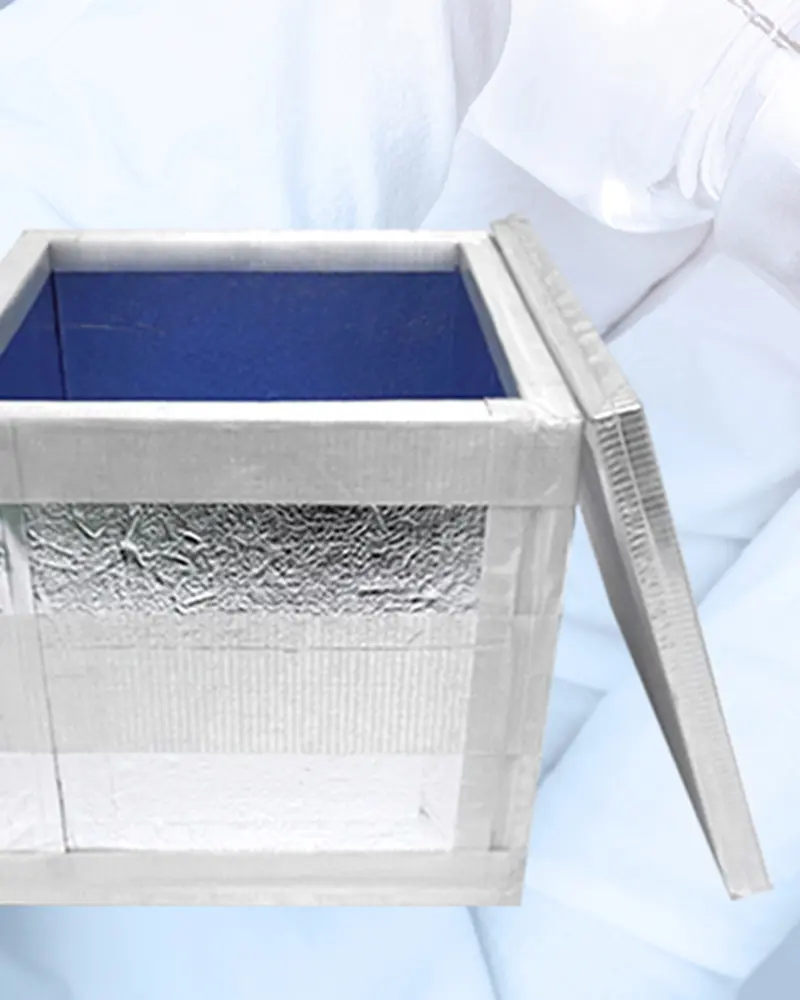
In temperature-controlled logistics, every cubic centimeter matters. By embedding thin Fumed Silica Vacuum Panels inside medical shipping containers or cold chain cooler boxes, transit systems can prolong target temperatures (e.g., -20°C to -80°C for mRNA vaccine storage) by 72+ hours without the dead weight of thick polyurethane panels. This significantly reduces freight shipping costs while ensuring local regulatory compliance (such as FDA and GDP certifications) globally.
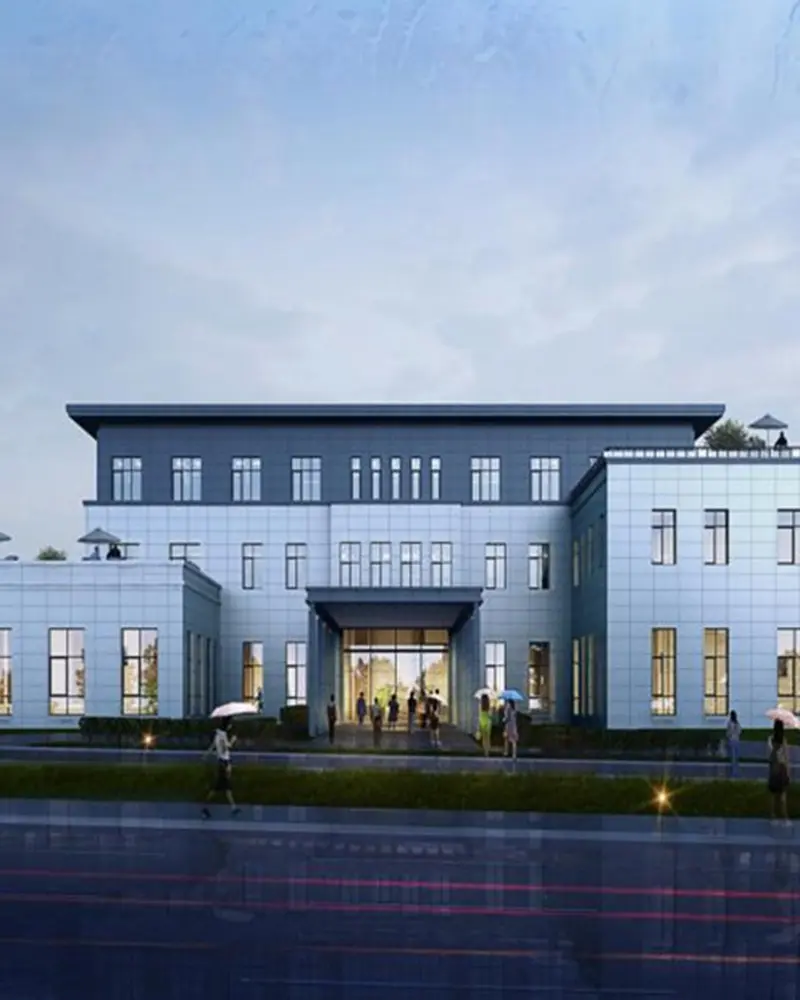
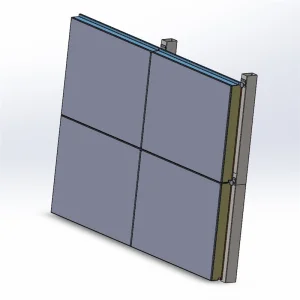
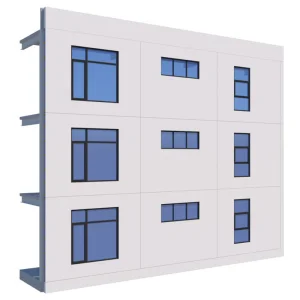
In space-constrained urban environments like London, Tokyo, or New York, thick exterior wall insulation wastes expensive floor area. Installing prefabricated thin vacuum insulation wall panels allows developers to achieve strict Net-Zero carbon parameters while maximizing rentable square footage. These integrated cladding panels also provide excellent fire-safety performance compared to flammable standard plastic foam boards.
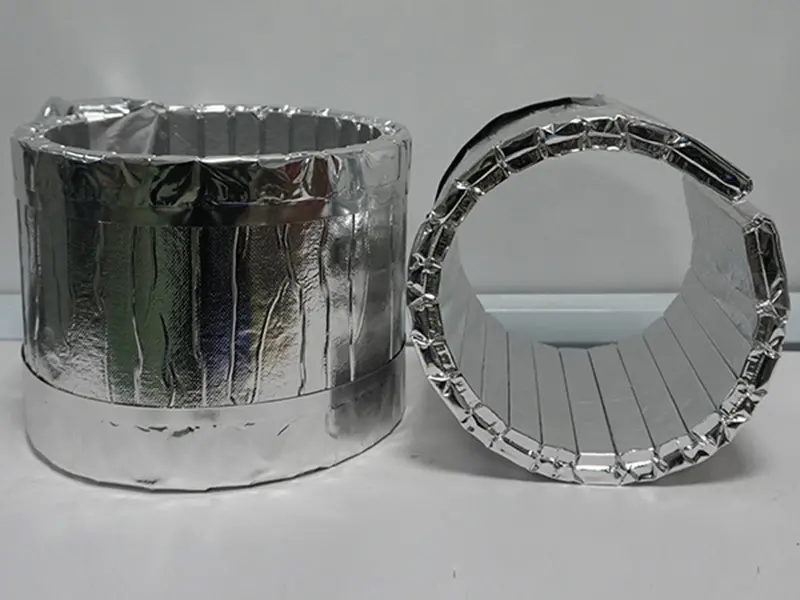
EV batteries operate optimally between 15°C and 35°C. Exposure to extreme cold decreases range, while thermal runaway presents severe safety risks. Custom battery insulation blankets engineered with silica microporous cores act as thermal shielding barriers, mitigating cell-to-cell thermal propagation and conserving battery pack volume. This contributes directly to longer driving ranges and enhanced vehicle safety metrics.
From complex non-standard geometries to high-temperature thermal barriers, explore our tailored service portfolio.
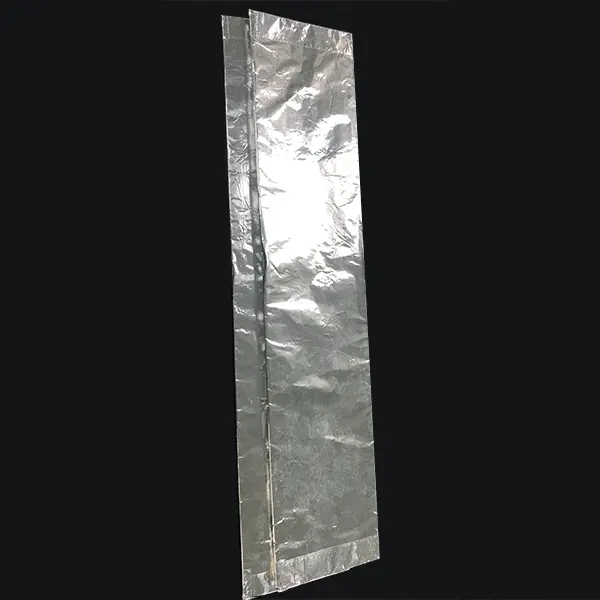
Product Details: Size: Customized Thickness: 5-...
View More +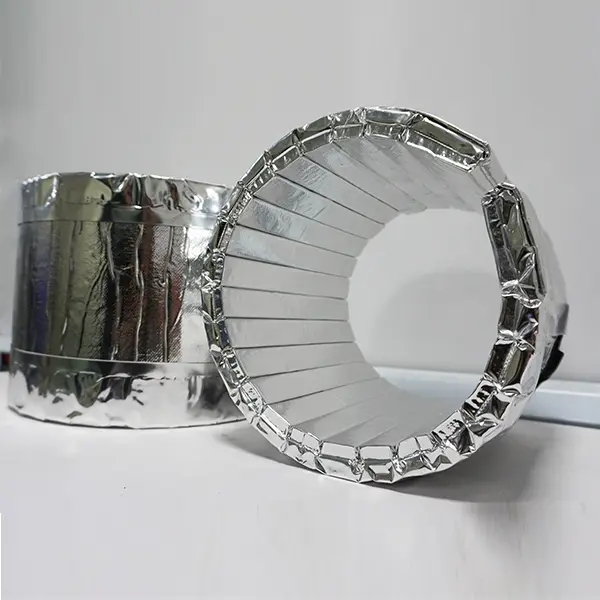
Product Details: Size: Customized Thickness: 5...
View More +
Our elevator fireproof door high temperature na...
View More +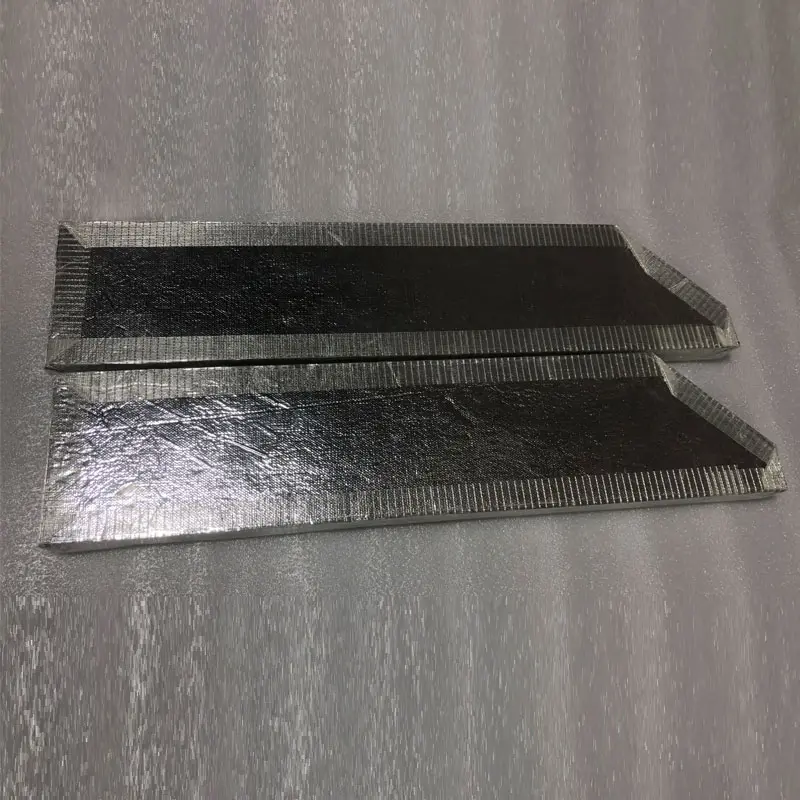
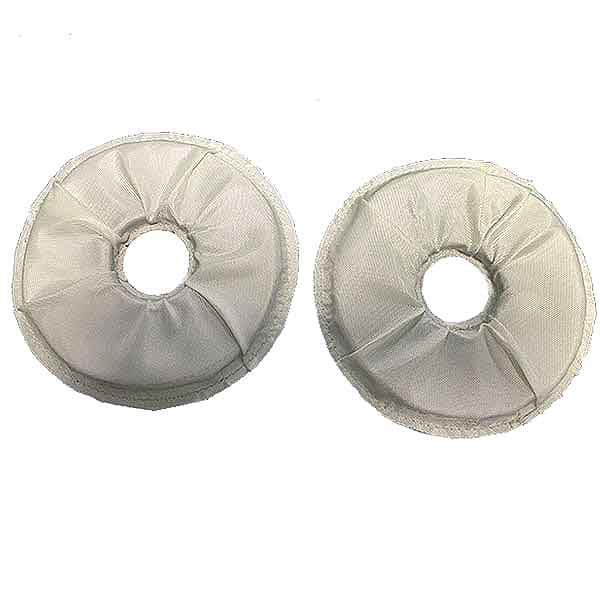
Product Specification Product Features Custom R...
View More +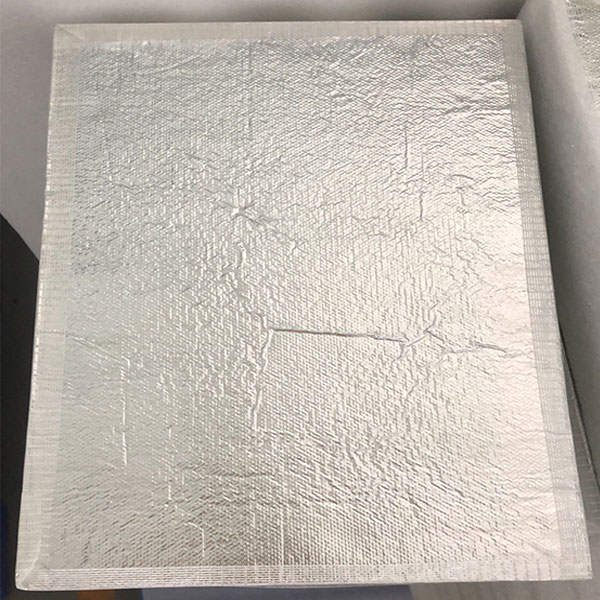
Product Features Size Details Zerothermo vacuu...
View More +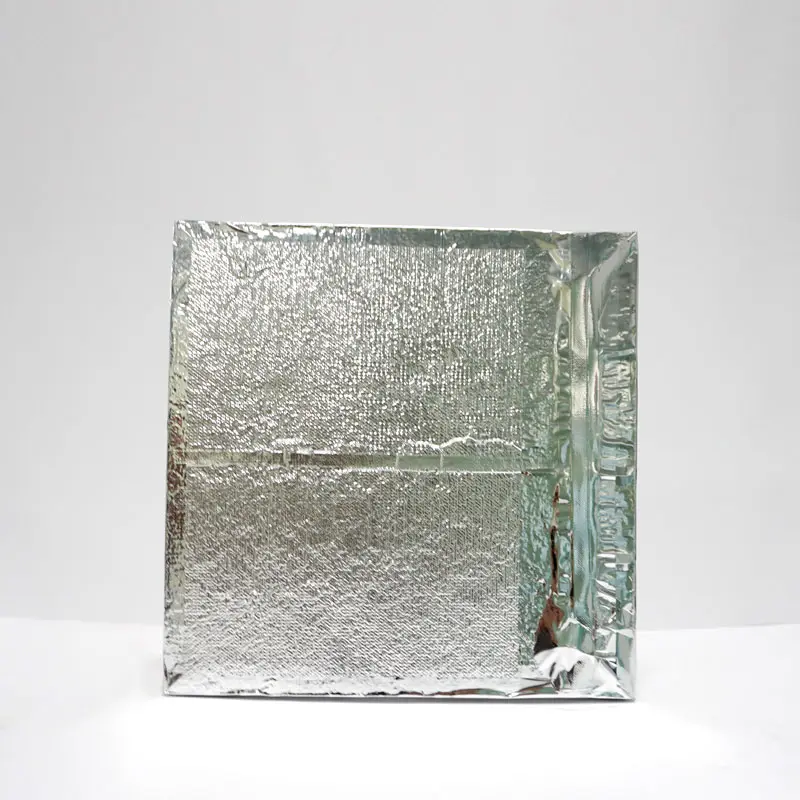
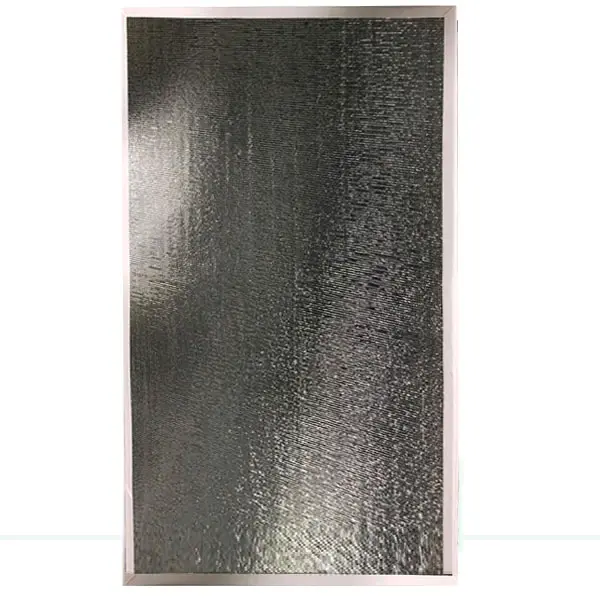
Product Features Product Specification Size ...
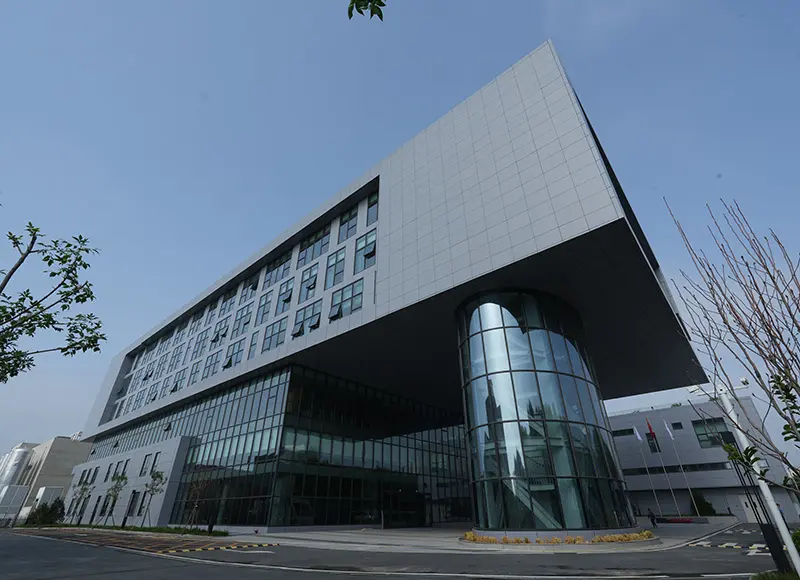
View More +Zerothermo Technology Co., Ltd., a subsidiary of CBVAC Group and a national high-tech enterprise, is headquartered in the Beijing Economic-Technological Development Area with its production base located in Nanchong City, Sichuan Province. This facility stands as one of China’s largest comprehensive production centers for vacuum technology application products.

Special sizes (beyond the range of ANSI/ASME/DIN and other standards) are produced according to customers' drawings or technical parameters.

square, oval or other special shaped flanges. - Oversize/small diameter: such as diameter over 60 inches or micro precision flanges.

Special sizes (beyond the range of ANSI/ASME/DIN and other standards) are produced according to customers' drawings or technical parameters.

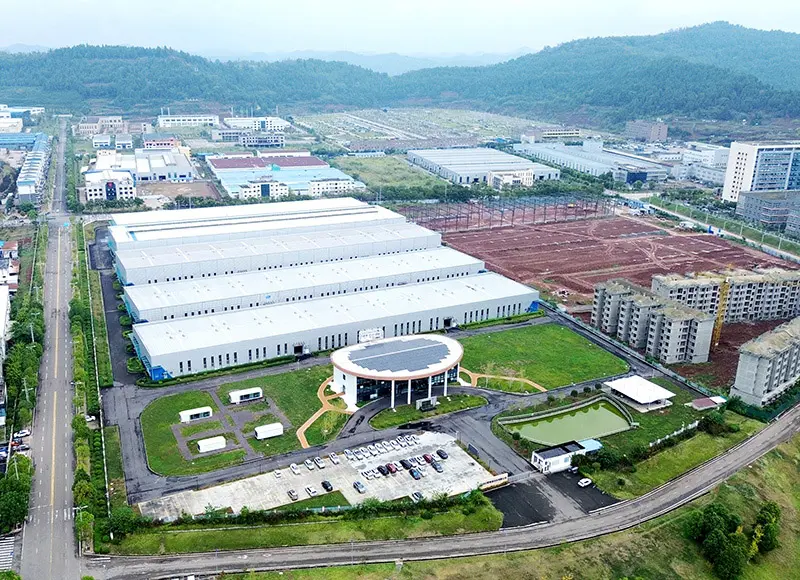

Why sourcing high-performance vacuum insulated boards directly from the Nanchong industrial base optimizes procurement costs.
The critical factor in pricing VIPs competitively lies in supply chain vertical integration. Sourcing raw fumed silica, high-barrier composite films, and getter materials must occur in high volume to capture cost advantages. Zerothermo’s industrial facility in Nanchong City, Sichuan Province represents a massive footprint that integrates raw material blending, core pressing, thermal processing, and final vacuum sealing into a unified automated flow.
By implementing advanced manufacturing concepts, we address key historical problems with insulated foam boards, including:
This integrated production flow allows for scale economies that lower global freight costs. With a complete regional logistics network, Zerothermo offers steady export services, providing international buyers with reliable insulation solutions at competitive pricing.


Strict production control exceeding ISO standards to ensure panel thermal performance and longevity.

Flexible manufacturing design accommodating distinct structural parameters, thickness, and performance goals.

Large-scale production lines capable of fulfilling demanding orders for international B2B developments.

Integrated global logistics arrangements with custom packing systems to preserve core vacuum integrity.

Dedicated post-sales services, installation guidance, and technical engineering support.
Analyzing the evolution of hybrid vacuum envelopes and sustainable core compositions.
The field of vacuum thermal barriers is moving toward hybridized composite panels and environmentally circular materials. The future technological trajectory focused on by the CBVAC Zerothermo engineering teams includes:
These advancements will make high-performance thermal insulation more affordable and practical for worldwide green infrastructure projects.
Connect with our technical design team to obtain detailed drawings, price calculations, and thermal analysis reports for your specific project.


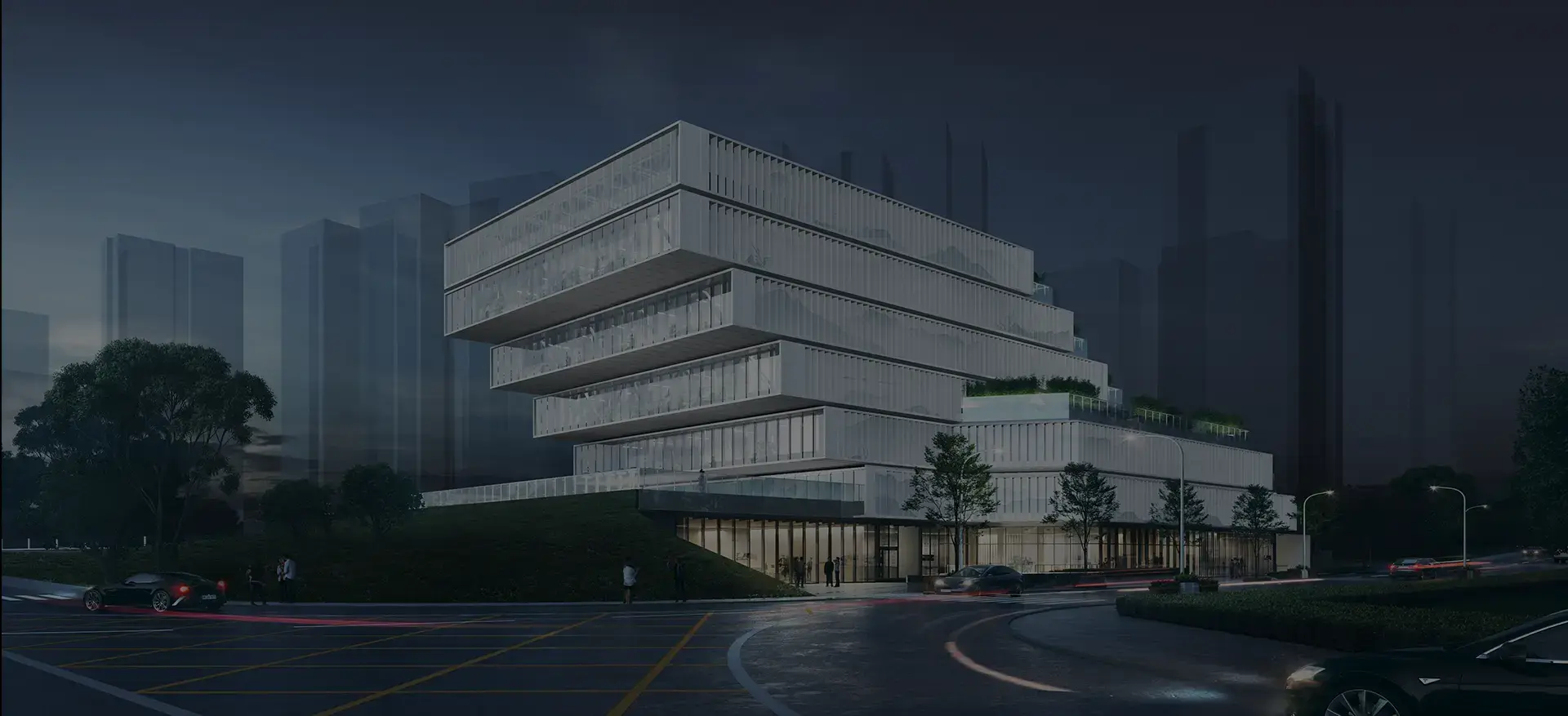

Providing high-efficiency thermal insulation solutions for building envelope systems through innovative products such as vacuum insulation panels and vacuum insulated glass, empowering the construction sector to reduce carbon emissions and achieve carbon neutrality.

Providing high-efficiency thermal insulation solutions for building envelope systems through innovative products such as vacuum insulation panels and vacuum insulated glass, empowering the construction sector to reduce carbon emissions and achieve carbon neutrality.

Providing high-efficiency thermal insulation solutions for building envelope systems through innovative products such as vacuum insulation panels and vacuum insulated glass, empowering the construction sector to reduce carbon emissions and achieve carbon neutrality.

Providing high-efficiency thermal insulation solutions for building envelope systems through innovative products such as vacuum insulation panels and vacuum insulated glass, empowering the construction sector to reduce carbon emissions and achieve carbon neutrality.


Ensuring compliance with international testing frameworks for B2B building envelopes and logistics systems.
B2B buyers sourcing insulated foam panels must verify compliance with relevant testing standards before deployment:
Every batch produced at CBVAC Zerothermo's Nanchong base is accompanied by detailed test certificates detailing thermal conductivity, core density, and envelope permeability metrics, providing buyers with verifiable performance data.
Technical answers to common questions about VIP performance, lifetime, and custom procurement.
For building construction envelopes, VIPs using a fumed silica core are designed for a service life of 30 to 50 years. Over this timeframe, minor moisture ingress and barrier gas absorption may occur, but the thermal conductivity generally stabilizes at approximately 0.006 to 0.008 W/m·K, which remains far superior to conventional foam boards.
No. Because VIPs rely on an internal vacuum to achieve high thermal resistance, puncture of the outer envelope will result in loss of vacuum, raising the thermal conductivity to roughly 0.020 W/m·K. Therefore, panels must be manufactured to specific dimensions at the factory, or integrated into modular panels designed with foam borders that allow for trimming on-site.
Micro-fiberglass cores offer a lower initial thermal conductivity (approx. 0.002 W/m·K) but are sensitive to moisture and vacuum loss, which can degrade performance faster. Fumed silica cores have a slightly higher initial thermal conductivity (approx. 0.004 W/m·K) but maintain their thermal performance longer under high-moisture or high-humidity conditions, making them ideal for long-term construction projects.
Typical custom fabrication cycles require 15 to 25 days depending on the volume and geometry requirements. Standard-size modules are frequently available with shorter lead times, with bulk ocean freight shipping times varying by destination port.

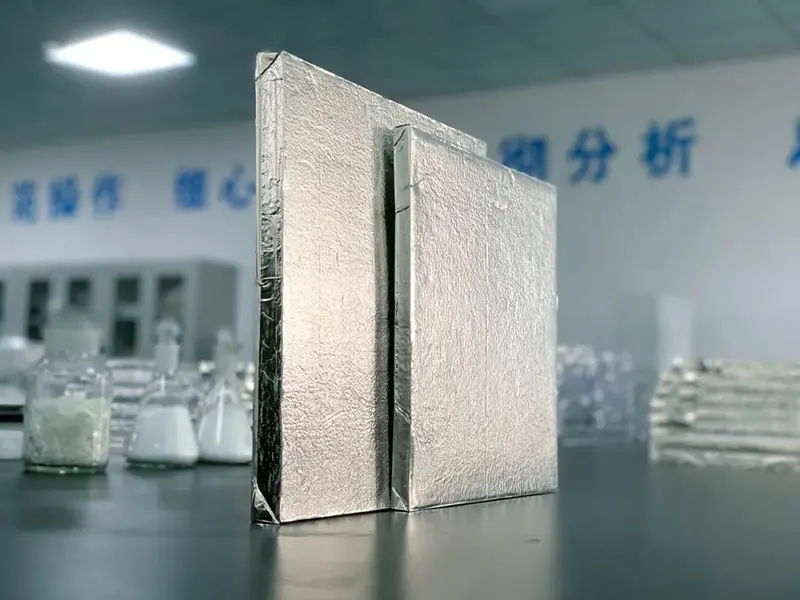
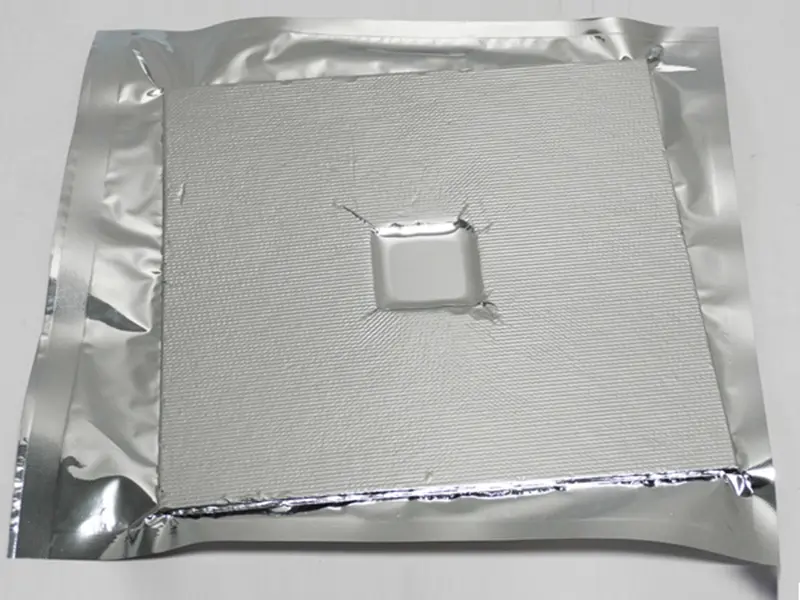
Explore specialized industrial, commercial, and temperature-controlled logistics containment panels.
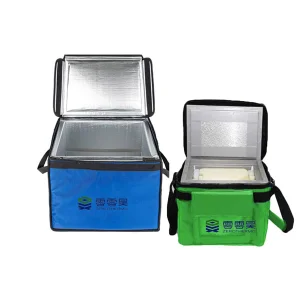

 +86 15892792306