Explore our technical-grade vacuum insulation panels configured with diverse core architectures for thermal management across extensive temperature thresholds.
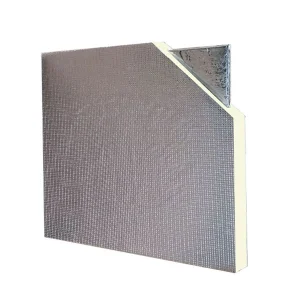
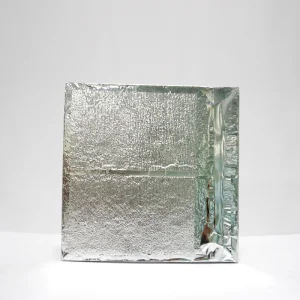
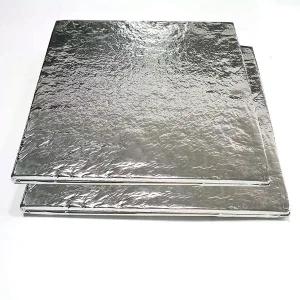
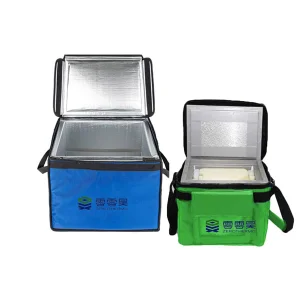
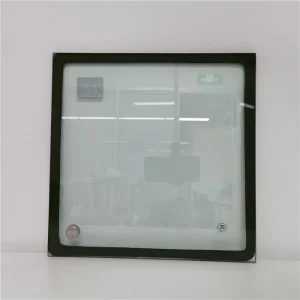
China Low Temperature Cold Chain Logistics Fumed Silica Vacuum Insulation Panel Company, Companies
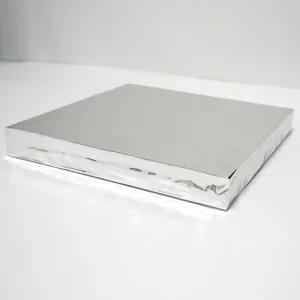
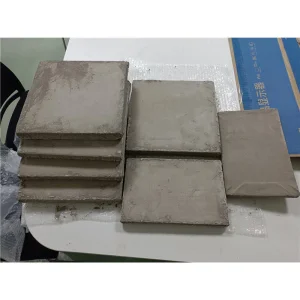
Custom High Temperature Nano Microporous Panel Pricelist, Companies
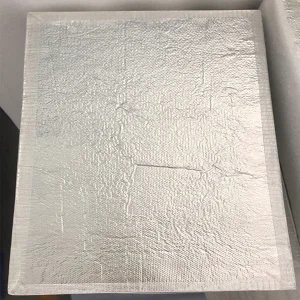
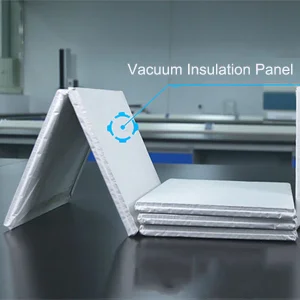
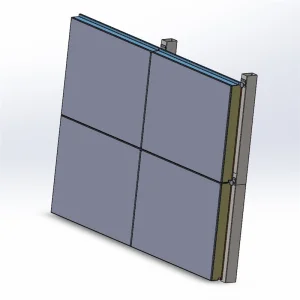
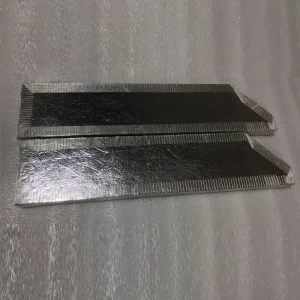
Cheap Building heat shield materials thermal wall vacuum insulated panel Factories, Companies
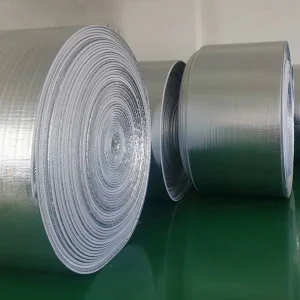
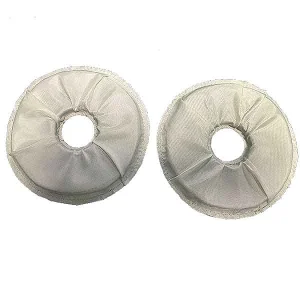
Custom New Energy Vehicles Battery Insulation Blanket Layer Quotes, Company
Vacuum Insulation Panels (VIPs) represent a pinnacle of modern thermal engineering, leveraging the physics of the Knudsen Effect to minimize heat transfer. In conventional insulation materials, such as expanded polystyrene (EPS) or mineral wool, the primary mode of thermal transfer is gas conduction, accounting for up to 60-70% of total heat passage. By evacuating the internal air pressure below a threshold value (typically <1 mbar for fiberglass and <5-10 mbar for fumed silica cores), the mean free path of gas molecules becomes larger than the pore size of the core structure. Consequently, gas convection is eliminated, and gaseous heat conduction is drastically suppressed.
Understanding these dynamics is crucial for procurement engineers and cold chain architects. The overall thermal conductivity (λtotal) of a VIP is a sum of solid conduction through the core skeleton (λ_solid), gas conduction within the evacuated pores (λ_gas), radiative thermal transfer (λ_radiation), and the thermal bridging at the panel edges (λ_bridge). To maintain long-term stability and secure a low thermal conductivity of 0.0015 W/m·K to 0.0040 W/m·K, manufacturers utilize sophisticated multi-layer barrier envelopes that resist the slow permeation of oxygen and water vapor over decadal lifespans.
Analyze the engineering trade-offs between fumed silica, PU foam, fiberglass, and microporous cores to determine the optimum material match for your project.
| Parameter / Specification | Fumed Silica Core VIP | Fiberglass Core VIP | PU Foam Core VIP | Nano Microporous Panel |
|---|---|---|---|---|
| Initial Thermal Conductivity | 0.0040 – 0.0045 W/m·K | 0.0015 – 0.0020 W/m·K | 0.0070 – 0.0080 W/m·K | 0.0180 – 0.0220 W/m·K |
| Aged Thermal Conductivity (15 Years) | 0.0050 – 0.0060 W/m·K | 0.0080 – 0.0120 W/m·K | 0.0120 – 0.0150 W/m·K | 0.0220 – 0.0250 W/m·K |
| Optimal Internal Pressure | < 5.0 mbar | < 0.1 mbar | < 1.0 mbar | Atmospheric (No vacuum needed) |
| Density | 180 – 220 kg/m³ | 200 – 240 kg/m³ | 60 – 80 kg/m³ | 280 – 350 kg/m³ |
| Temperature Range Limit | -70°C to 80°C | -196°C to 80°C | -50°C to 70°C | -100°C to 1000°C |
| Estimated Lifespan | 30 – 50 Years | 10 – 15 Years | 10 – 12 Years | Indefinite (Mechanical degradation limit) |
| Moisture Buffering (Getter Dependency) | Low (Naturally hydrophobic) | High (Requires getter/desiccant) | Medium | None (High-temp operation) |
We deliver non-standard geometric form factors, specific thickness profiles, and tailored thermal barriers engineered to slot directly into complex components.
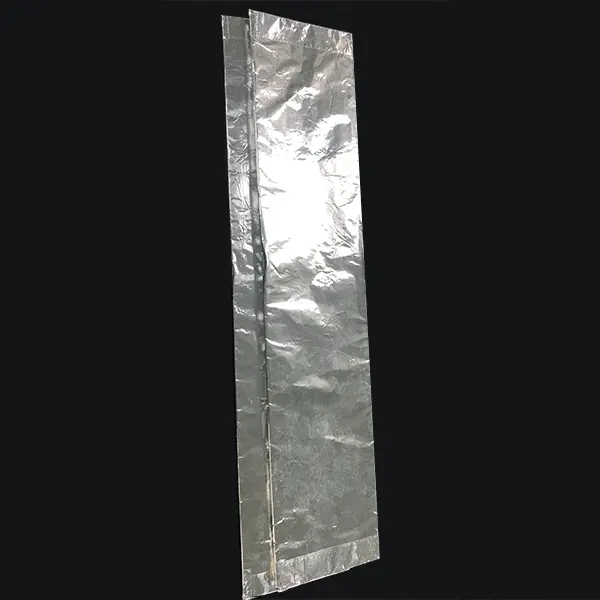
Product Details: Size: Customized Thickness: 5-...
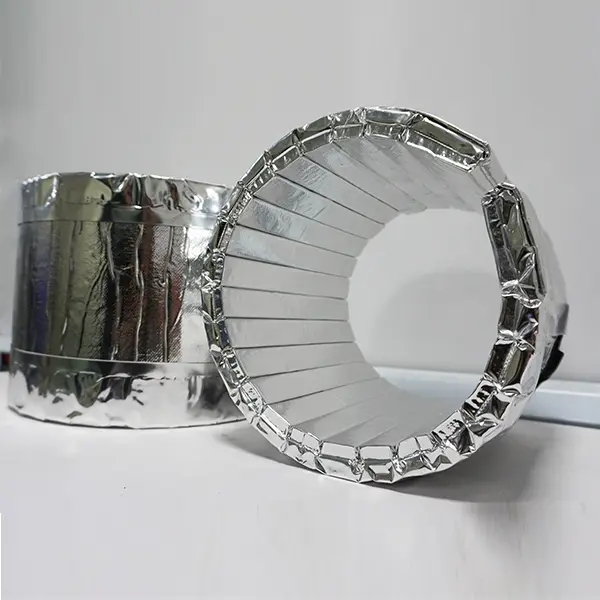
Product Details: Size: Customized Thickness: 5...
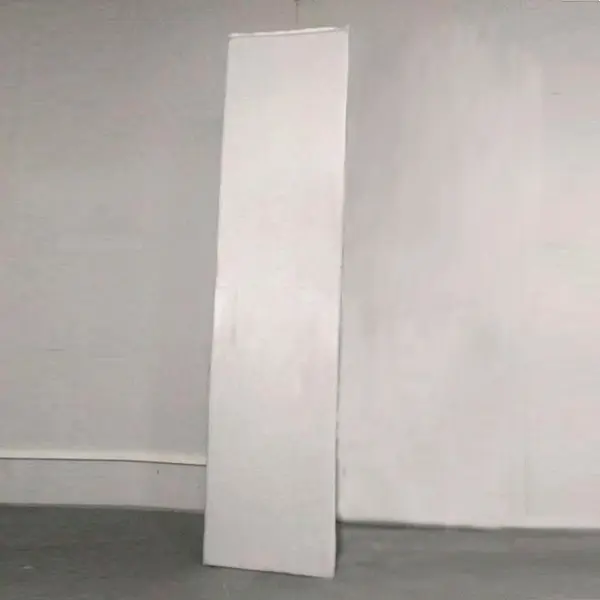
Our elevator fireproof door high temperature na...
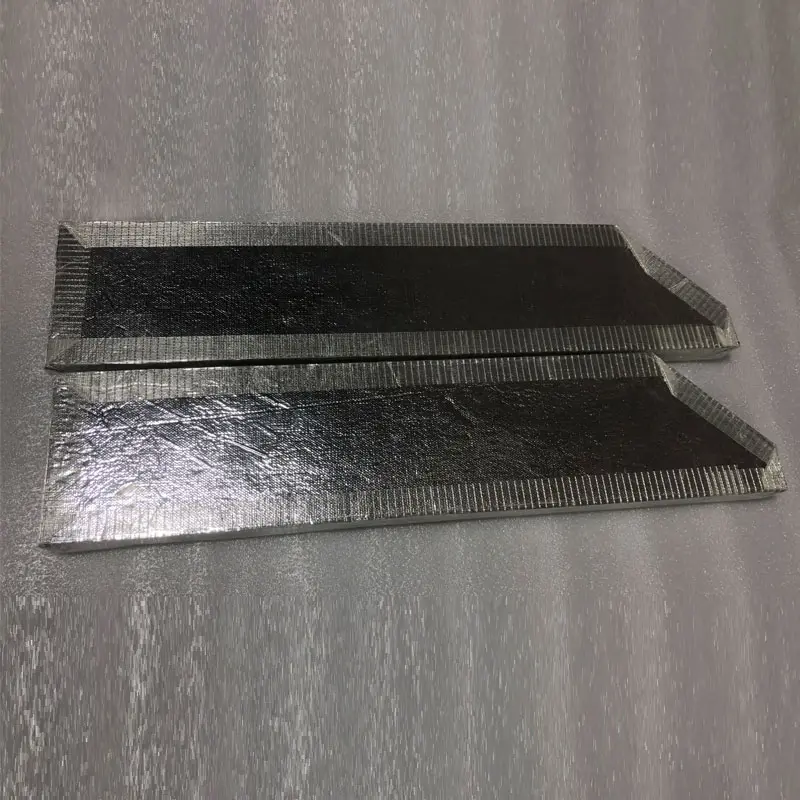
Product Features Product Details T...
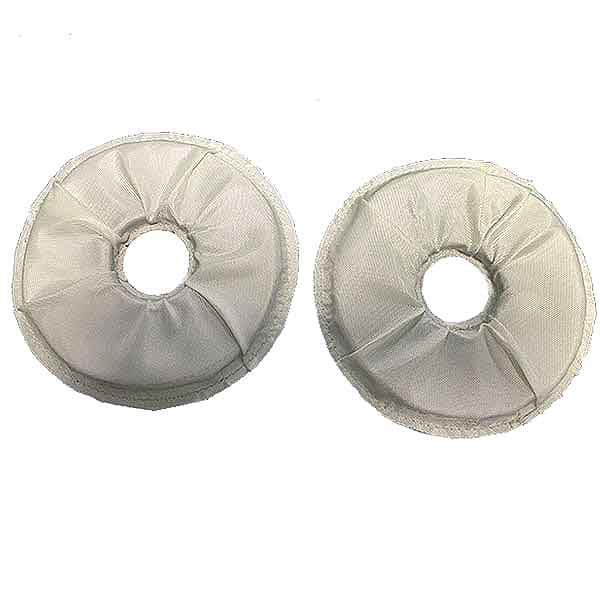
Product Specification Product Features Custom R...
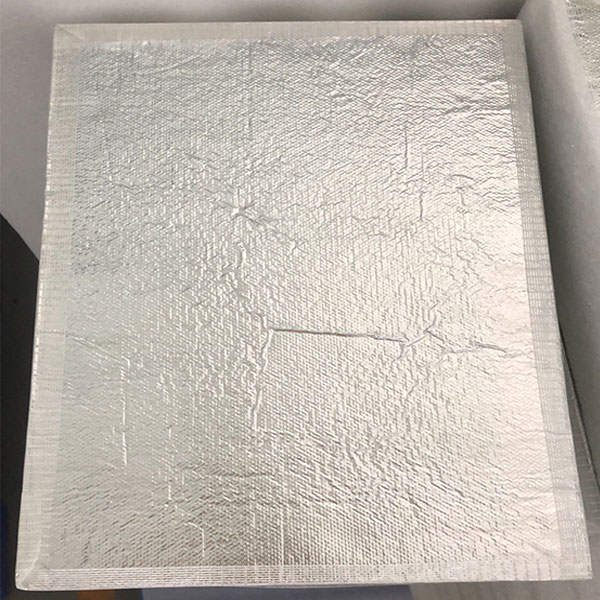
Product Features Size Details Zerothermo vacuu...
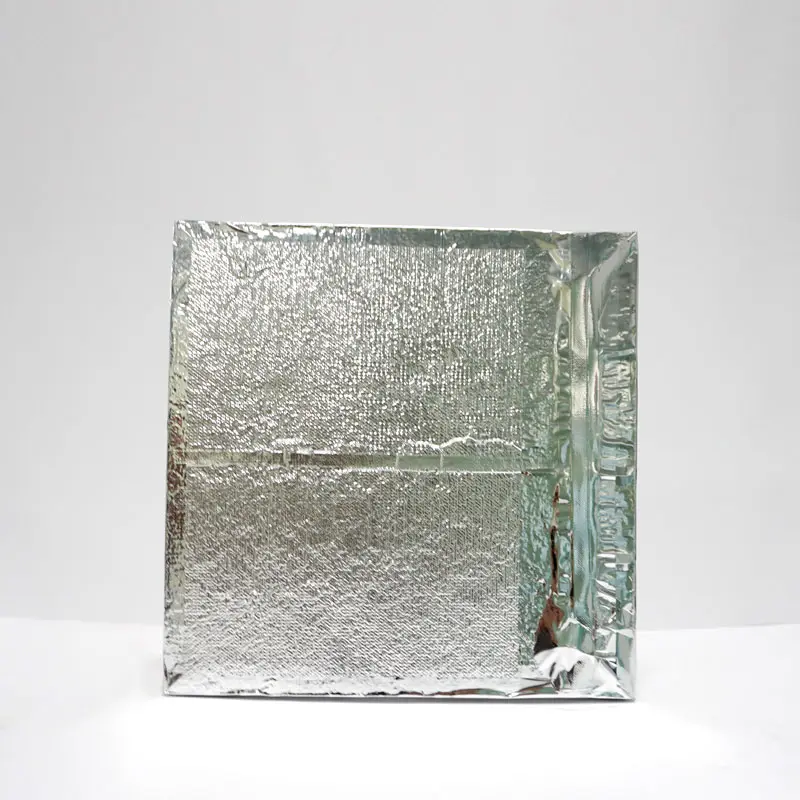
Product Features Vacuum insulation Pan...
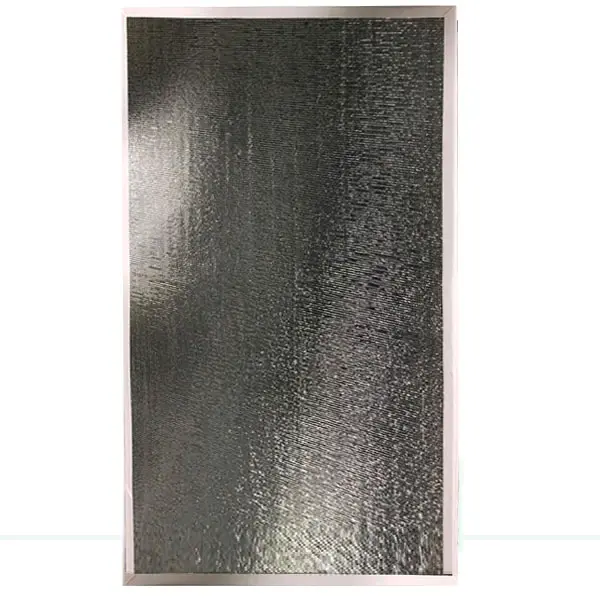
Product Features Product Specification Size ...
About Us
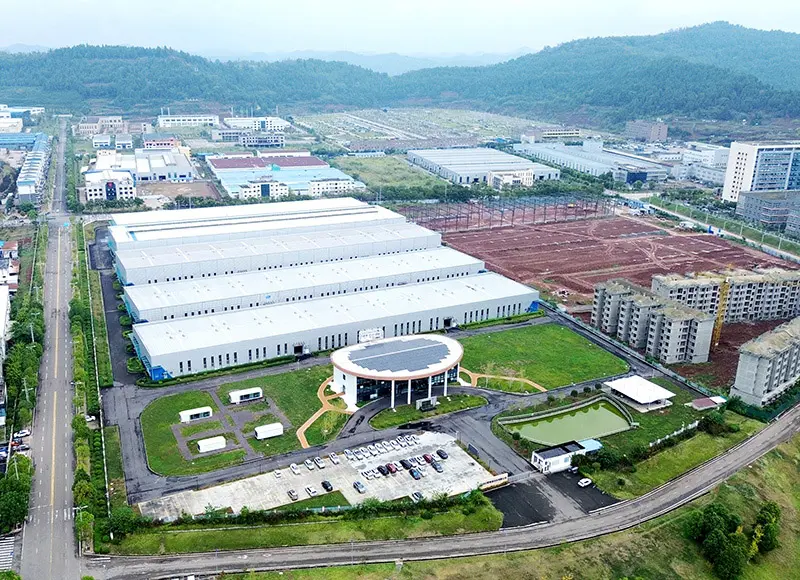
Zerothermo Technology Co., Ltd., a subsidiary of CBVAC Group and a national high-tech enterprise, is headquartered in the Beijing Economic-Technological Development Area with its production base located in Nanchong City, Sichuan Province. This facility stands as one of China’s largest comprehensive production centers for vacuum technology application products.

Special sizes (beyond the range of ANSI/ASME/DIN and other standards) are produced according to customers' drawings or technical parameters.

Square, oval or other special shaped flanges. - Oversize/small diameter: such as diameter over 60 inches or micro precision flanges.

Special sizes (beyond the range of ANSI/ASME/DIN and other standards) are produced according to customers' drawings or technical parameters.

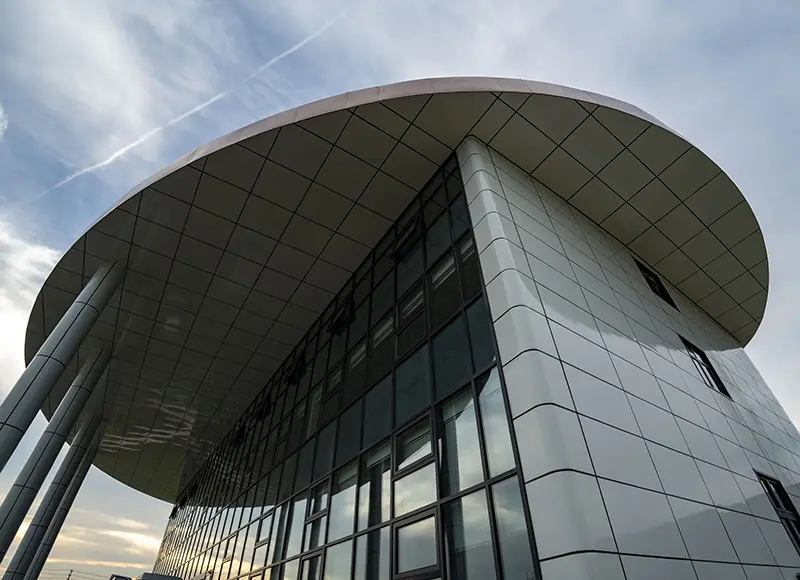
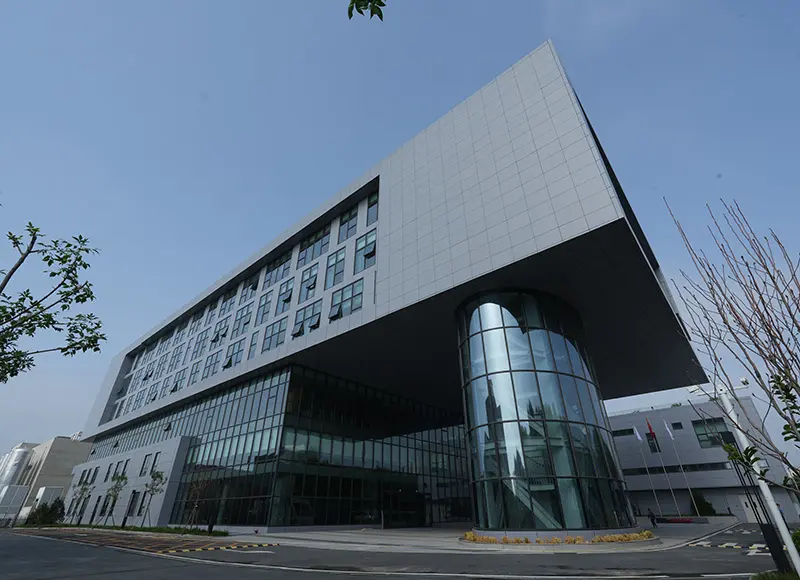


Our commitment to zero-thermal loss technology drives continuous scientific research, enabling us to deliver world-class thermal solutions.


Thermal management is a critical vector in global decarbonization. By designing application-specific vacuum panels, Zerothermo supports enterprises in mitigating carbon footprints while improving thermal security. Our solutions bridge various industry spectrums, extending from sub-zero vaccine logistics to high-temperature industrial shielding up to 1000°C.
Through close integration with CBVAC Group's vacuum metallurgy expertise, we fabricate specialized outer envelopes utilizing advanced multi-layer barrier films. This stops structural degradation and aging due to ambient moisture, assuring a long-term reliable lifespan for complex structural deployments.
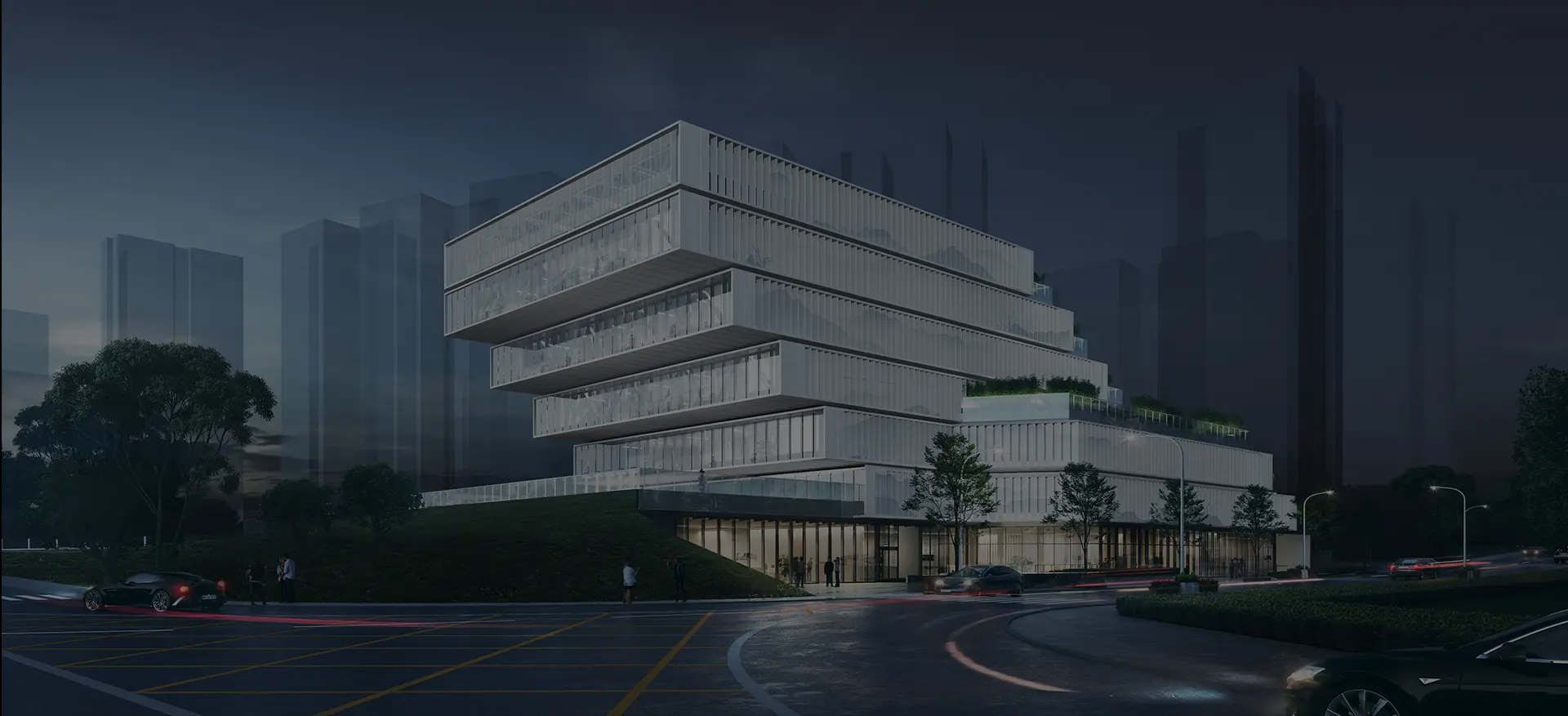
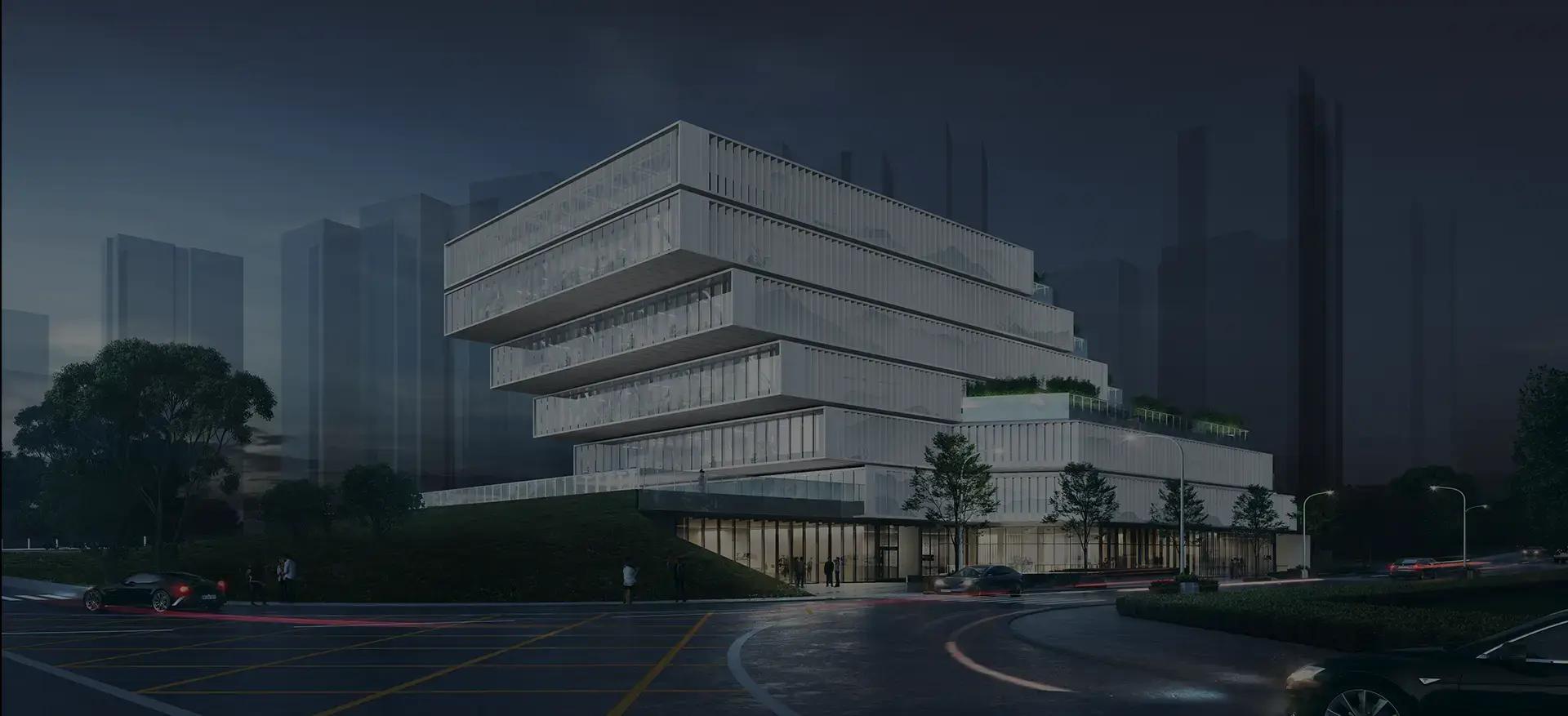

Providing high-efficiency thermal insulation solutions for building envelope systems through innovative products such as vacuum insulation panels and vacuum insulated glass, empowering the construction sector to reduce carbon emissions and achieve carbon neutrality.

Providing high-efficiency thermal insulation solutions for building envelope systems through innovative products such as vacuum insulation panels and vacuum insulated glass, empowering the construction sector to reduce carbon emissions and achieve carbon neutrality.

Providing high-efficiency thermal insulation solutions for building envelope systems through innovative products such as vacuum insulation panels and vacuum insulated glass, empowering the construction sector to reduce carbon emissions and achieve carbon neutrality.

Providing high-efficiency thermal insulation solutions for building envelope systems through innovative products such as vacuum insulation panels and vacuum insulated glass, empowering the construction sector to reduce carbon emissions and achieve carbon neutrality.
Discover how our partners achieve superior energy savings and precise temperature stability in real-world scenarios.


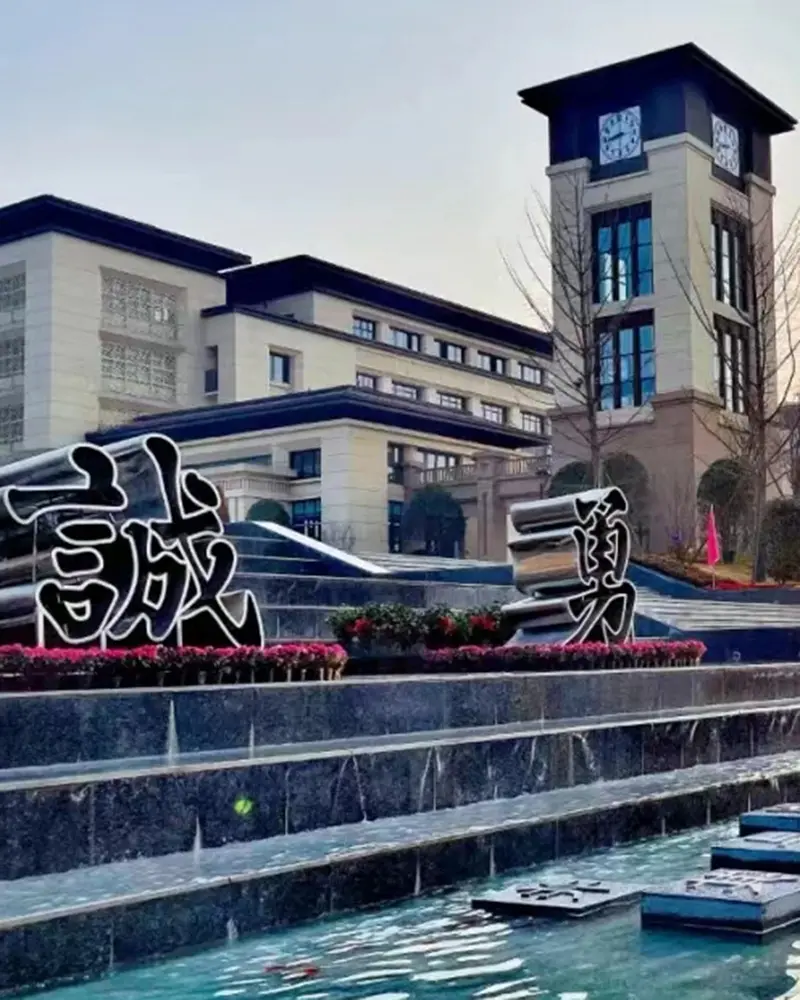
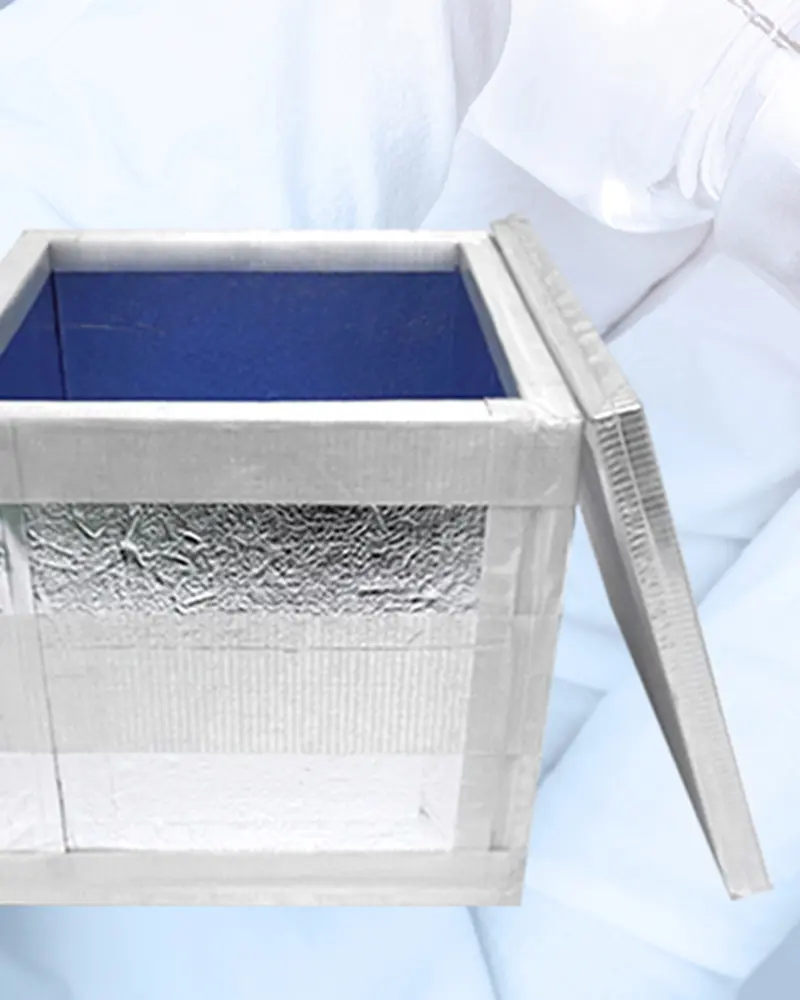
Our production base in Nanchong City, Sichuan Province represents a major shift toward smart manufacturing in vacuum technology. By implementing automated dry-pressing, dynamic continuous vacuum ovens, and automated multi-axis sealing units, we enforce tight tolerances. Every production batch undergoes a rigorous helium mass spectrometer leak test and absolute internal pressure verification to ensure there is zero performance degradation in the field.
This automated ecosystem enables Zerothermo to produce premium-grade fumed silica vacuum insulation panels at competitive prices. Our vertical integration within the CBVAC Group chain ensures a reliable source of raw core silicas and custom flanges, providing global buyers with consistent lead times and robust supply chain resilience against geopolitical disruption.
As regulatory frameworks like the EU's Energy Performance of Buildings Directive (EPBD) tighten, the demand for thin, high-performance insulation is growing. Zerothermo is leading this transition by developing hybrid vacuum panels that integrate organic and inorganic nano-cores. This approach achieves lower initial thermal conductivities while providing flexibility for curved surfaces.
Furthermore, our R&D roadmap focuses on next-generation barrier films with organic-inorganic multi-layer coatings. These advanced films maintain vacuum integrity for up to 60 years in architectural envelopes. Combined with our work in tempered vacuum insulated glass (VIG), we are creating total envelope solutions that enable net-zero energy buildings globally.
When purchasing vacuum insulation panels, evaluating the Total Cost of Ownership (TCO) is crucial. While VIPs have a higher initial cost compared to conventional polyurethane boards or mineral wool, they provide significant savings in other areas. For example, in cold-chain logistics, thinner VIP walls can increase the internal storage volume of a box or container by 20% to 30%, which significantly reduces per-unit shipping costs.
Pricelists are determined by four main factors: core material type, panel dimensions, barrier film structure, and quantity. Fiberglass VIPs are cost-effective but require thicker envelopes and getters, making them ideal for standard appliances. Fumed silica VIPs are more expensive but offer excellent durability and moisture resistance, making them the preferred choice for long-life building construction and specialized cold-chain applications.
For custom industrial projects, our engineering team works directly with client specifications. We optimize panel sizes to minimize joints, which helps reduce thermal bridging at the seams. Our production facility provides localized support and compliance documentation, including CE, RoHS, and REACH certifications, ensuring smooth customs clearance and regulatory approval for international markets.
Get authoritative answers to common engineering questions regarding VIP implementation, durability, and customization.
VIP panels rely on a hard vacuum to achieve low thermal conductivity. A puncture will cause loss of vacuum, raising the conductivity to that of the core material (approximately 0.020 W/m·K for fumed silica). To prevent punctures, VIPs are typically integrated with protective layers, such as expanded polystyrene (EPS), rubber sheets, or protective plastic coatings, depending on the application.
Fiberglass cores offer low initial thermal conductivity (~0.0015 W/m·K) but are sensitive to moisture and require a deep vacuum (<0.1 mbar) with active desiccants. Fumed silica cores have a higher initial conductivity (~0.004 W/m·K) but feature smaller pore sizes. This allows them to maintain performance under less demanding vacuum levels (<5-10 mbar) without active desiccants, resulting in a much longer service life.
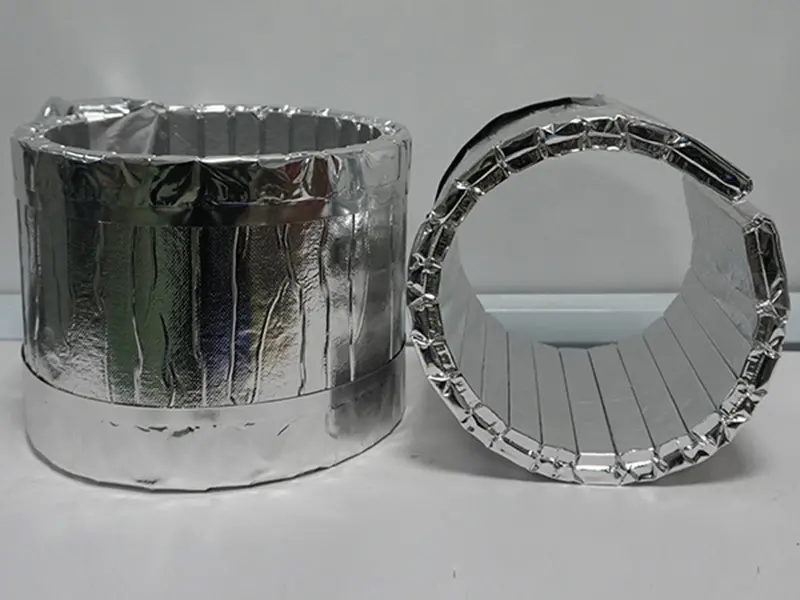
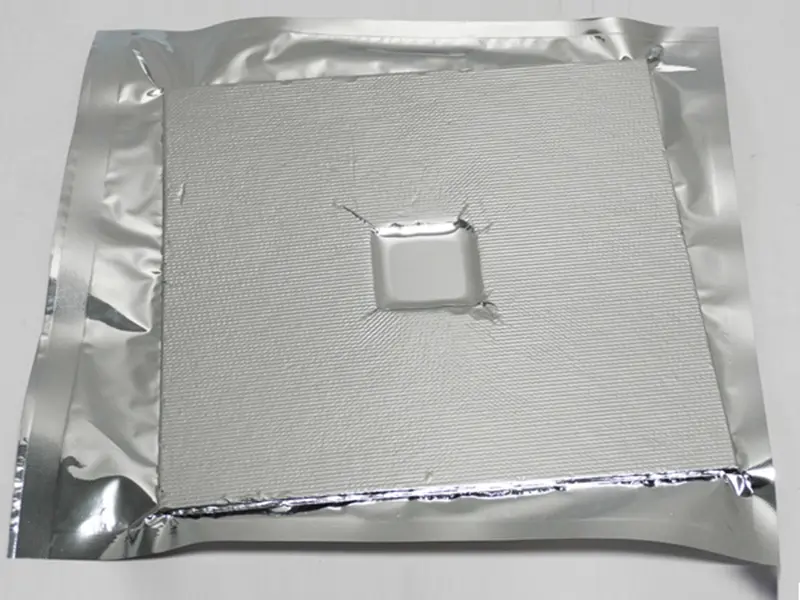
Yes. Since VIP panels cannot be cut, drilled, or modified after evacuation, all geometric shapes, holes, and edge profiles must be integrated during the design and manufacturing process. We produce custom-shaped VIPs, including round panels, panels with cutouts, and 3D folded profiles, tailored to fit specific equipment layouts.
We use non-destructive testing systems, such as foil deflection sensors and transient plane source (TPS) thermal measurement, to verify internal pressure. For large shipments, every panel undergoes pressure checks in our quality control lab prior to packaging and delivery.
Custom shapes and non-standard sizes require custom cutting of the core material and specialized vacuum chamber setups, which increases tooling and setup costs. Large-scale standardized orders benefit from automated high-speed production, which reduces unit costs and shortens lead times.
Yes. Fumed silica cores are made from non-toxic, inorganic silica compounds that are fully recyclable. At the end of the panel's service life, the barrier film can be separated from the core material, and the core can be reprocessed for use in new insulation products, supporting a circular economy.
Stay updated on our latest research developments, trade show appearances, and contributions to carbon-neutral manufacturing.
We offer specialized, one-stop vacuum insulation solutions. Reach out to our technical team for custom designs, spec sheets, and volume pricing.


Browse our advanced product line featuring high-temperature blankets, aluminium foil insulation, and vacuum insulated glass.



 +8615892792306