
Premium Catalog
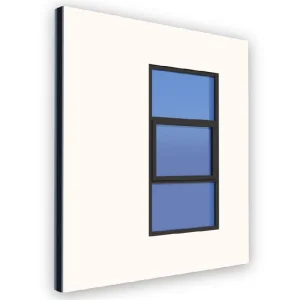
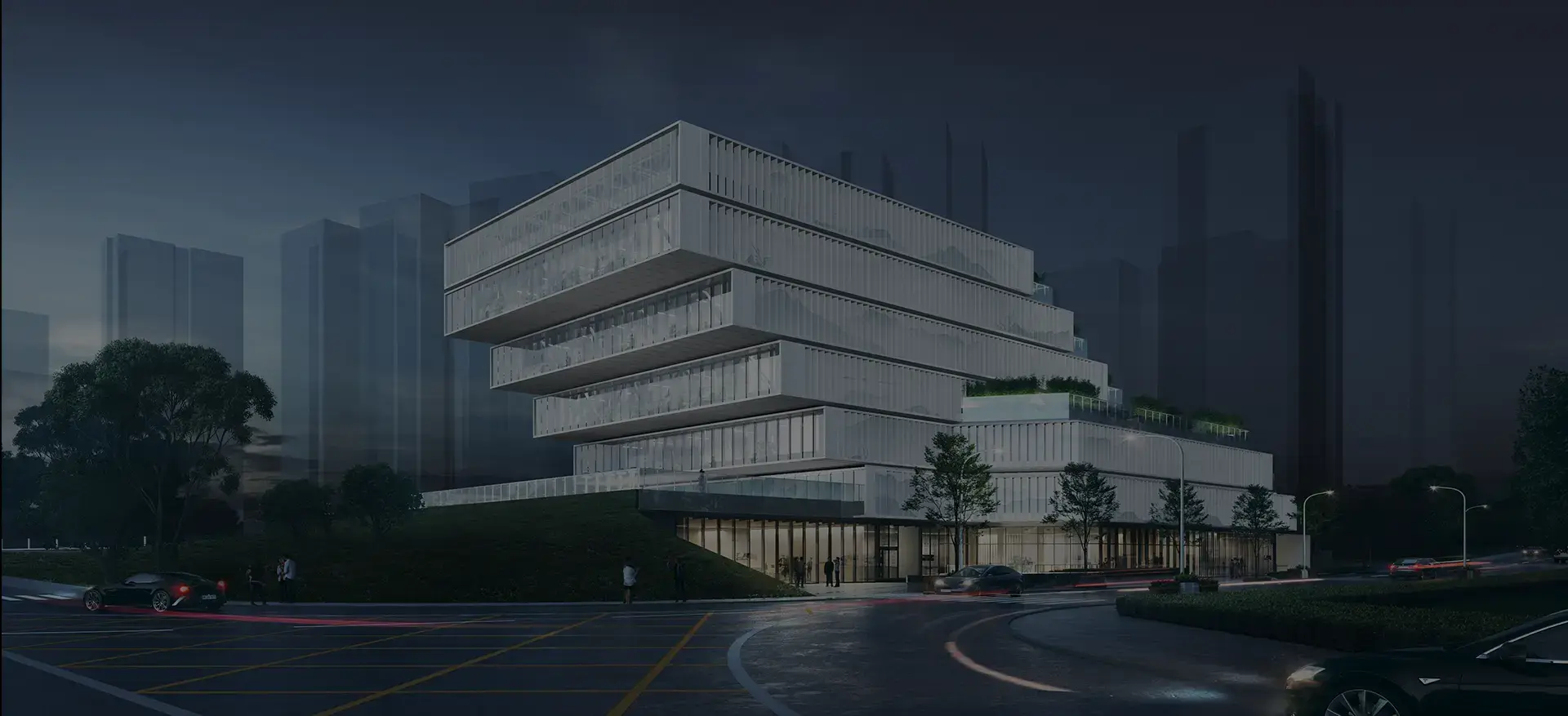
Engineered for modern high-rise facades and energy-efficient building envelopes. Delivering exceptional U-values in structural assemblies.
Explore Panel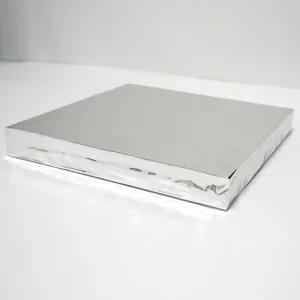
Designed for severe thermal conditions. Restricts radiative and gaseous heat transfer in industrial furnaces and thermal shields.
Explore Panel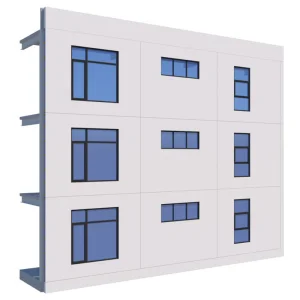
Dual-action architectural panels integrating aesthetic outer finishes with a low-conductivity core for retrofitting projects.
Explore Panel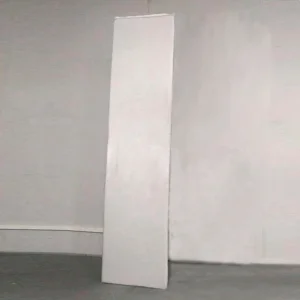
Class-A1 fire-rated safety insulation designed specifically for critical elevator shaft assemblies and heavy-duty fire doors.
Explore Panel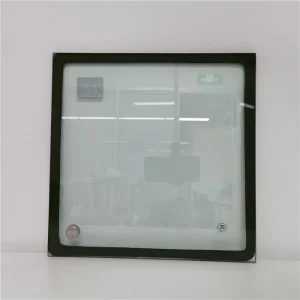
High-performance vacuum insulated double-glazing. Provides architectural structural strength with unmatched center-of-glass R-values.
Explore Panel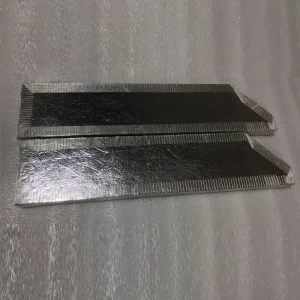
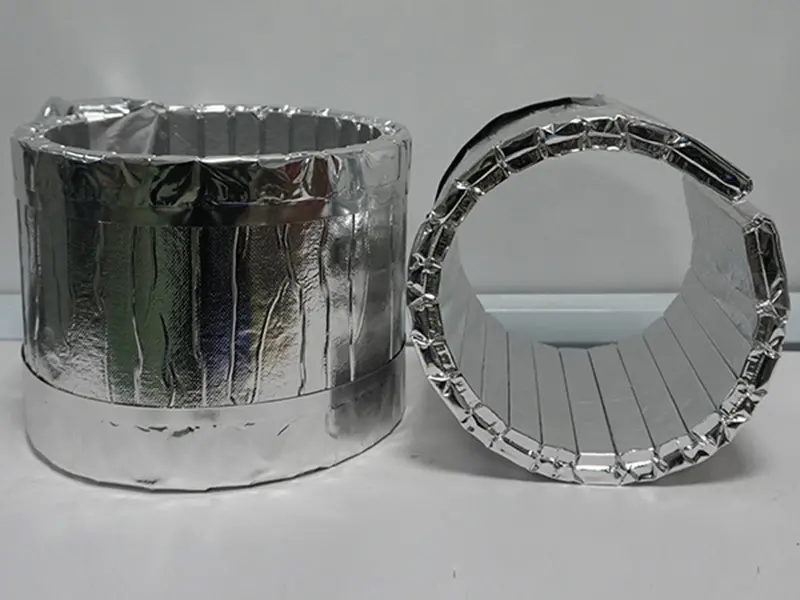
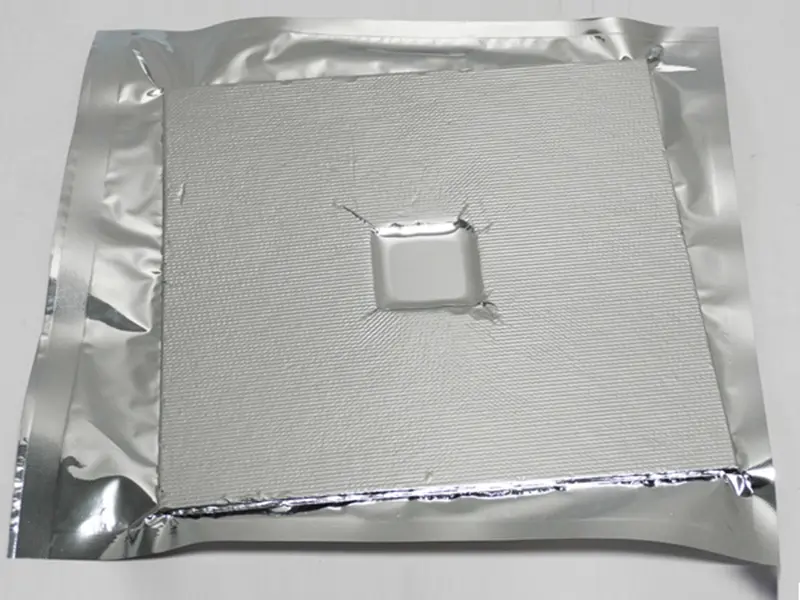
Complex geometries customized with high-barrier PET outer laminates to protect the core fumed silica structure from air infiltration.
Explore Panel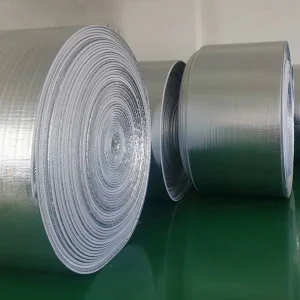
Flexible high-barrier thermal radiant barrier backing paired with highly closed-cell structural insulating foam for roofing systems.
Explore Panel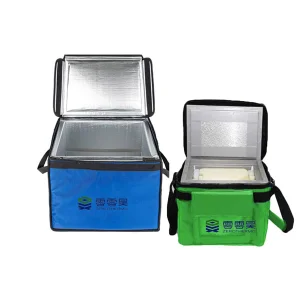
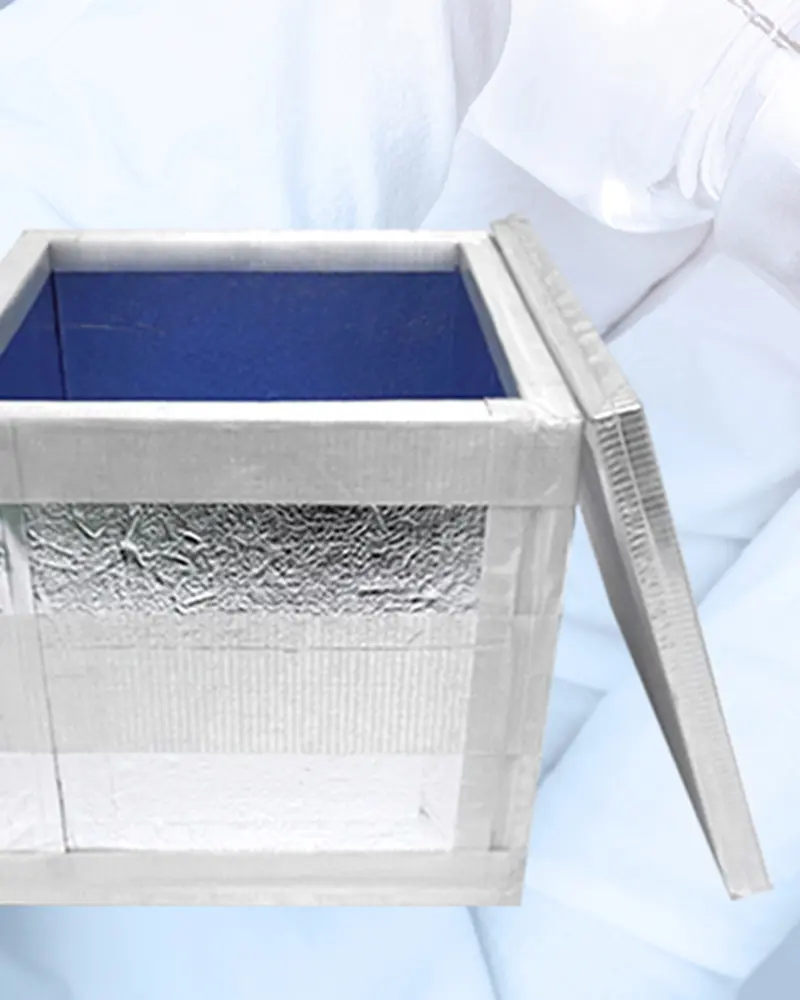
Ultra-reliable cold chain transit systems capable of keeping vaccines and biological shipments within precise temperature bands.
Explore BoxIndustry Deep Dive
In the global race to achieve net-zero building operations, structural engineering has run up against the physical limits of traditional insulating media. Legacy materials like expanded polystyrene (EPS), extruded polystyrene (XPS), and mineral wool require substantial installation thickness to meet strict structural code requirements, which directly eats into rentable square footage. To overcome these constraints, structural engineers and commercial developers are turning to Vacuum Insulation Panels (VIPs) and High-Temperature Nano Microporous Insulation.
Traditional insulation works by trapping air within gaseous pockets, which yields a thermal conductivity (λ) floor equivalent to still air (approx. 0.025 W/m·K). VIPs disrupt this paradigm by evacuating internal air molecules, eliminating gas convection, and dramatically reducing gaseous conduction. With core materials such as fumed silica, VIP thermal conductivity values drop to as low as 0.0035 to 0.0045 W/m·K—delivering up to five times the thermal performance at a fraction of the structural thickness.
Modern building codes, such as the European Union's Energy Performance of Buildings Directive (EPBD) and the United States' ASHRAE 90.1 energy standards, demand aggressive increases in facade thermal resistance. Building designers face a spatial dilemma in urban centers where land costs are high: thick exterior walls reduce internal floor space. By utilizing thin fumed silica vacuum insulation panels, architectural engineers can achieve compliant R-values without reducing net lettable area. This space-saving advantage offers an excellent return on investment for developers in high-density markets.
| Thermal Insulation Technology | Typical Core Thickness (mm) | Thermal Conductivity (λ-value W/m·K) | Combustibility Class (EN 13501-1) | Service Lifespan (Years) |
|---|---|---|---|---|
| Fumed Silica VIPs | 15 - 30 mm | 0.004 - 0.006 | A1 / A2 Non-combustible | 50+ |
| Fiberglass Core VIPs | 10 - 25 mm | 0.002 - 0.003 (Initial) | Non-combustible core | 15 - 25 |
| Nano Microporous Panels | 5 - 50 mm | 0.018 - 0.022 (at 800°C) | A1 Non-combustible | Lifetime of asset |
| Rigid PU Board (Polyurethane) | 50 - 100 mm | 0.022 - 0.028 | Class E / F (Combustible) | 20 - 30 |
| Mineral Wool | 100 - 200 mm | 0.035 - 0.040 | A1 Non-combustible | 30+ |
When procurement managers source VIPs, long-term vacuum stability is a key performance indicator. While fiberglass cores offer low initial thermal conductivity, they are highly sensitive to moisture and degrade over time if the barrier film is breached. Fumed silica cores, on the other hand, feature smaller pore structures that maintain high performance even if internal pressure rises slightly over several decades. For long-term building applications, fumed silica vacuum insulation panels with multi-layer PET envelope structures are the preferred industry standard.
Global Industry Leader
Zerothermo Technology Co., Ltd., a subsidiary of the prestigious CBVAC Group and a national high-tech enterprise, is headquartered in the Beijing Economic-Technological Development Area. Our state-of-the-art production base is strategically located in Nanchong City, Sichuan Province. This facility stands as one of China’s largest, most advanced comprehensive production centers for vacuum technology and high-performance insulation products.
Leveraging decades of vacuum science engineering from the CBVAC parent group, Zerothermo has pioneered commercial-scale manufacturing of high-reliability vacuum insulation panels, vacuum insulated glass, and advanced fire-rated nano-microporous panels for critical infrastructure applications worldwide.

Custom-engineered sizes that go beyond the range of ANSI, ASME, and DIN standards, manufactured according to specific client drawings.

Manufacturing expertise in square, oval, or complex-shaped sealing flanges, as well as ultra-large diameters exceeding 60 inches.

High-vacuum components built to withstand extreme mechanical loads and prevent micro-gaseous diffusion over long operation cycles.
Our Technology

Every vacuum insulated panel undergoes strict helium leak detection and surface stress verification to ensure reliable service life in complex architectural facades.

We provide tailored dimensional, thermal, and barrier configurations, delivering customized VIP designs to match specific project geometry requirements.

Operating out of one of China's largest vacuum technology production hubs, we support rapid production scaling to meet aggressive commercial timelines.

Our custom protective outer packaging and strategic global shipping partnerships protect core materials from physical shock and micro-punctures during transit.

We work closely with global design institutes, building envelope engineers, and industrial OEMs to integrate high-efficiency insulation into custom products.
Bespoke Solutions
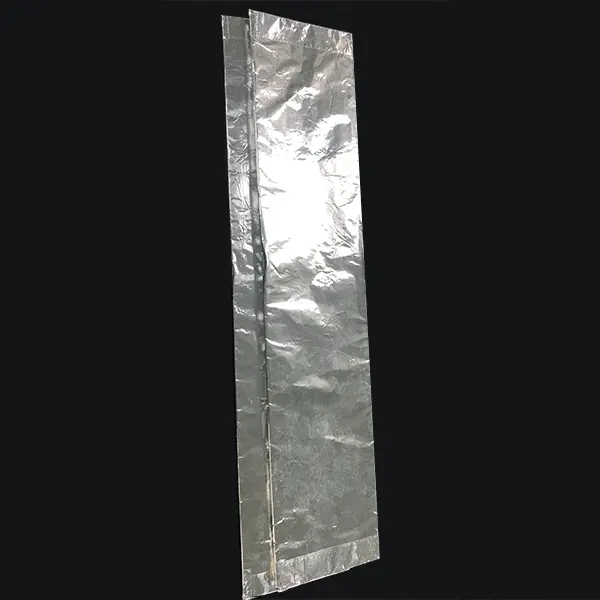
Ultra-thin aerogel and microporous barrier layers designed to control thermal runaway in EV lithium-ion battery modules.
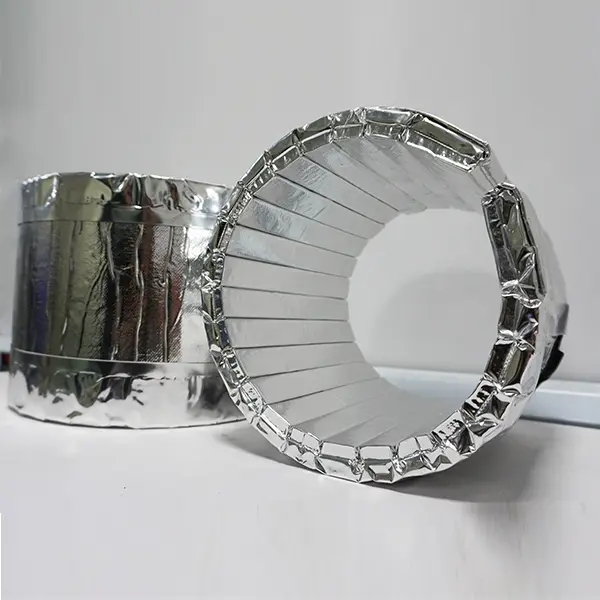
Industrial-grade microporous cores designed for extreme thermal conditions up to 1000°C, offering durable structure and performance.
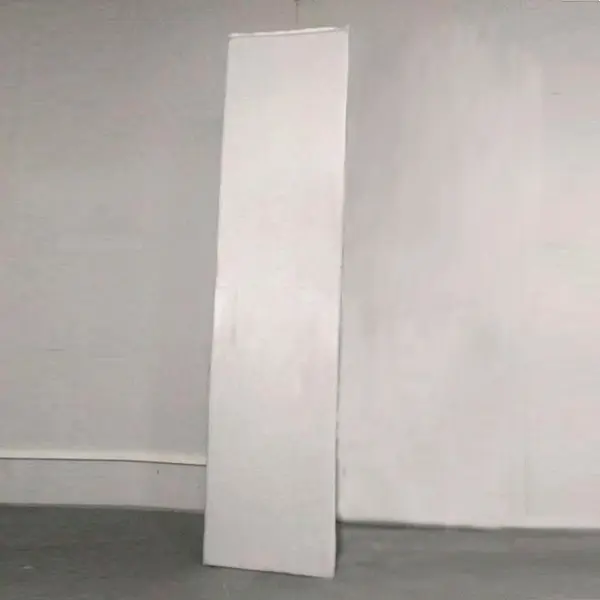
Class-A fire protection designed for modern elevator shaft integrity, helping projects meet global structural safety standards.
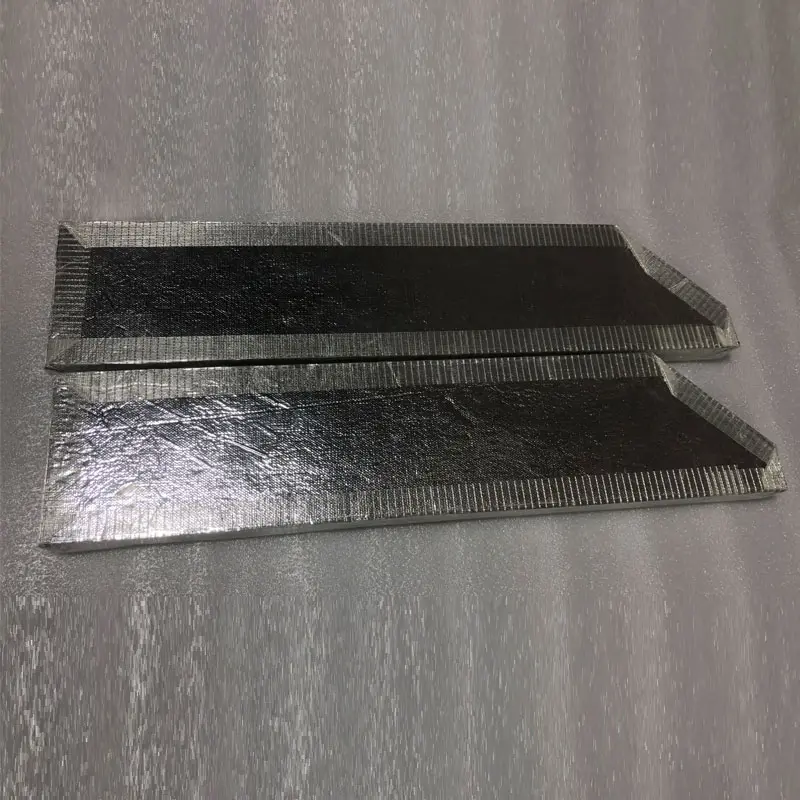
Precision-fabricated geometric vacuum panels configured to wrap around circular profiles and non-linear system structural offsets.
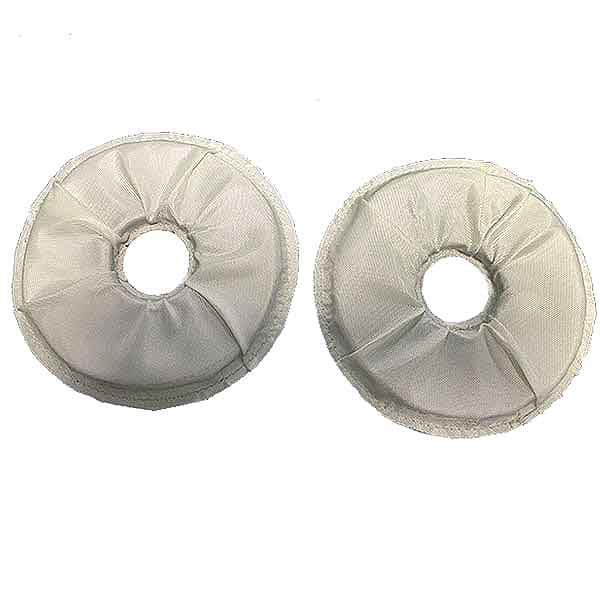
Flexible high-performance thermal insulation jackets designed for process piping, manifolds, and high-temperature steam systems.
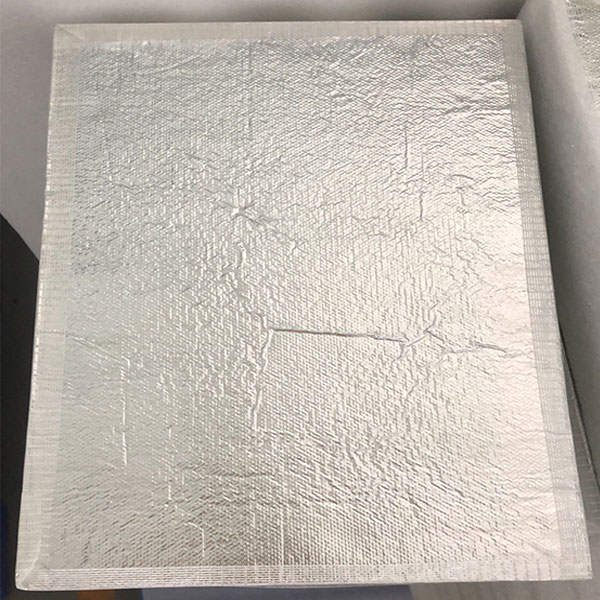
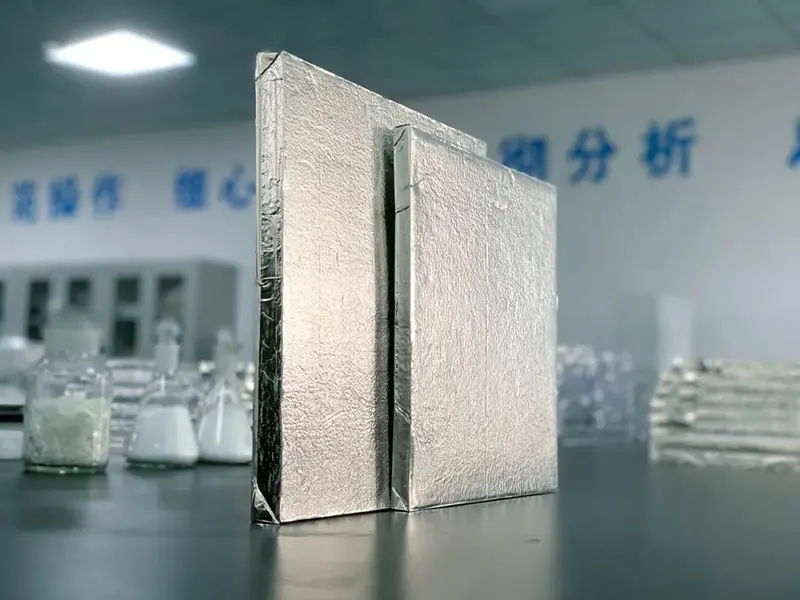
Premium core fumed silica panels wrapped in high-barrier composite films, optimizing thermal performance in space-critical applications.
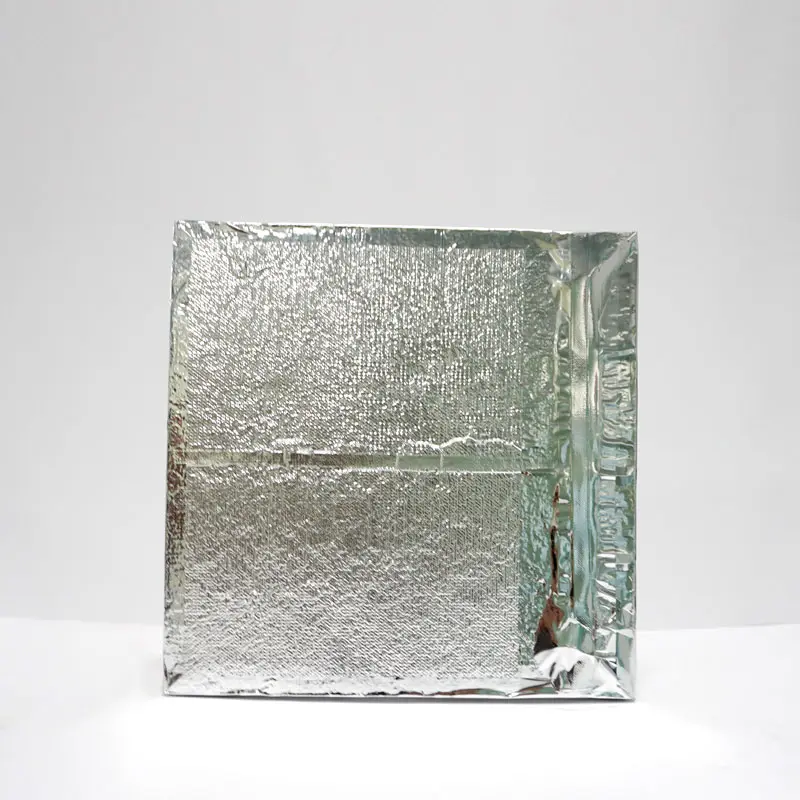
High-reliability thermal barrier panels built for long-distance transport boxes, ensuring temperature stability for bio-medicines.
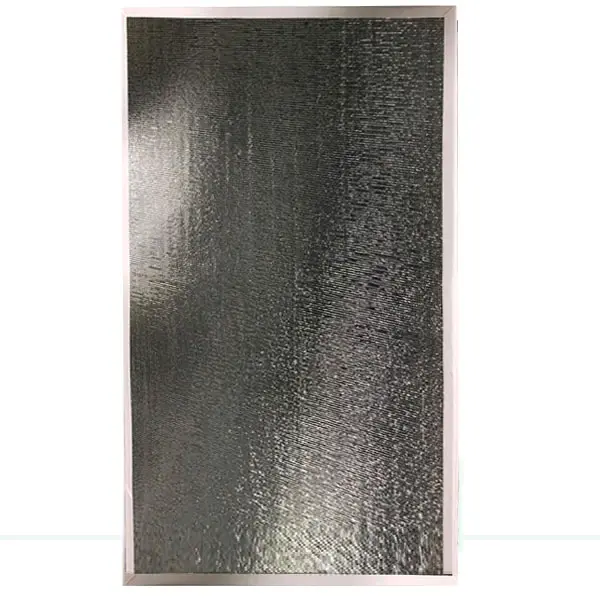
Large-format panels designed to reduce joints and thermal bridging in large-scale modular refrigeration and cold chain containers.
Global Applications


Our fumed silica vacuum insulation panels provide reliable temperature control for cold chain transport. With a thermal conductivity under 0.0045 W/m·K, our panels extend hold times in medical coolers, vaccine transit boxes, and cold chain shipping containers. This ensures high-value biologics remain within required temperature ranges without depending on continuous power sources.
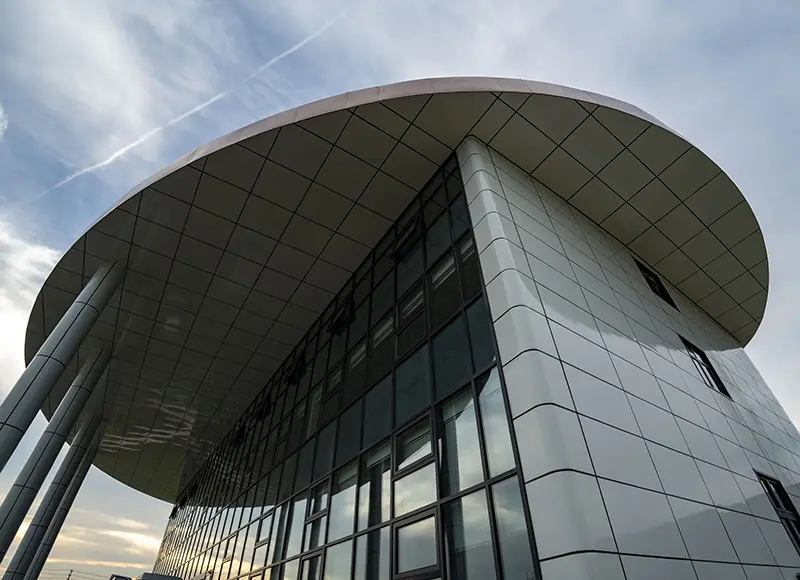
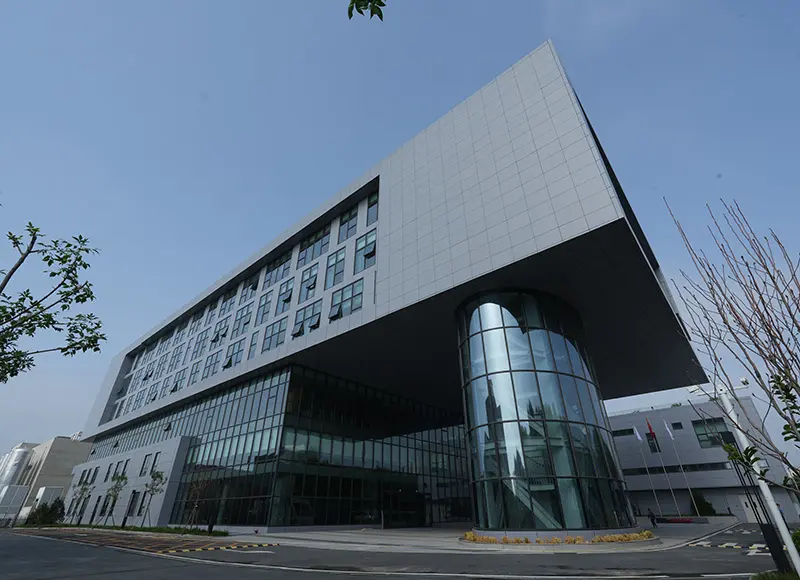
We provide thin, high-efficiency thermal insulation solutions for wall envelope systems through products like vacuum insulation panels and vacuum insulated glass. This technology helps the construction sector reduce carbon emissions and meet zero-carbon building standards. Designed to minimize thermal bridging, these panels install easily into structural facades, spandrels, and roofing assemblies.
Our advanced nano microporous insulation panels are engineered to resist extreme thermal stress in heavy industries like metallurgy, power generation, and petrochemical refining. Capable of handling temperatures up to 1000°C, these panels minimize radiant energy loss, reduce shell temperatures on industrial furnaces, and lower operating energy costs.
Our vacuum insulation technology is ideal for high-end prefabricated cabins and eco-lodges built in extreme environments. Using ultra-thin panels, these modular structures maintain comfortable indoor temperatures in both freezing and hot climates. They achieve high thermal efficiency without adding wall thickness, maximizing usable indoor space.
Case Studies



Roadmap & Quality Standards
To ensure long-term thermal performance in commercial buildings, vacuum insulation panels (VIPs) must meet strict testing standards. Our product catalog undergoes rigorous thermal verification, testing mechanical and physical properties to ensure reliability under varying environmental conditions.
Our fumed silica vacuum insulation panels are tested to verify key performance properties:
Because vacuum panels cannot be cut, drilled, or modified on-site, successful integration requires detailed planning. Zerothermo's engineering team provides comprehensive design support:
1. AutoCAD & Revit Layout Integration: We configure panel layouts to match construction drawings, reducing thermal bridging.
2. Hybrid Layering Solutions: Combining VIPs with polyurethane or mineral wool edge strips to minimize heat transfer at joints.
3. Field Support: We offer structural detailing and installation guides to protect the barrier films from puncture during assembly.
News & Knowledge Hub
Technical FAQ
Global Support
Get in touch with Zerothermo's technical sales engineers for project consultation, price inquiries, and customized product specifications.


Related Hardware
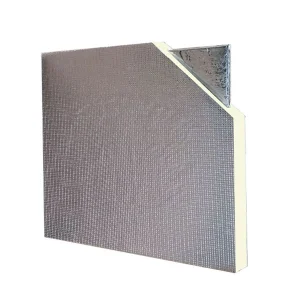
Polyurethane foam layer combined with high-barrier vacuum cores, designed for cold chain transport box insulation.
Explore Panel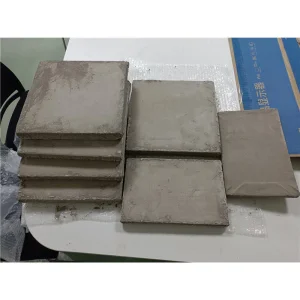
Reinforced surface VIP boards providing extra puncture resistance for heavy-duty structural subflooring installations.
Explore Panel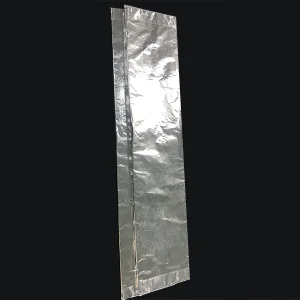
Specialized thermal run-away protection layouts designed to maintain battery cell temperature ranges in EVs.
Explore Blanket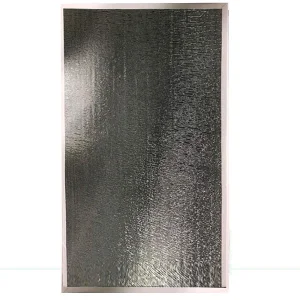
Large-format panels designed to minimize thermal bridging in shipping containers and transport refrigeration systems.
Explore Panel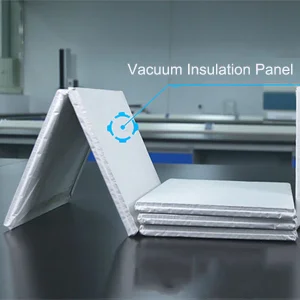
Cost-efficient structural wall panels designed for retrofitting existing facilities and improving energy efficiency.
Explore Panel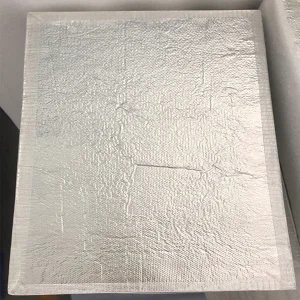
Low thermal conductivity fumed silica cores protected by multi-layer PET barrier film to reduce gas permeation.
Explore Panel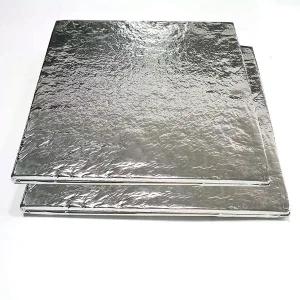
High-efficiency fiberglass-core panels designed to optimize cabinet volume in commercial freezers and refrigerators.
Explore Panel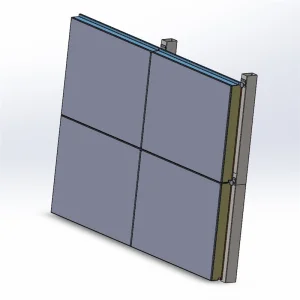
Integrated cladding panels combining structural exterior finishes with vacuum core technology for streamlined facade design.
Explore Panel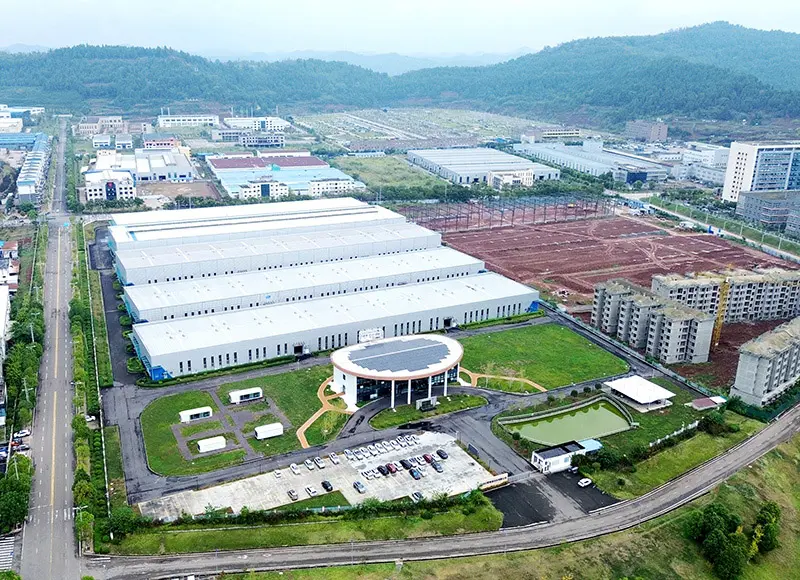


 +86 158 9279 2306