
Explore our leading product line engineered for aerospace, cold-chain, architectural envelopes, and high-temperature thermal barriers.
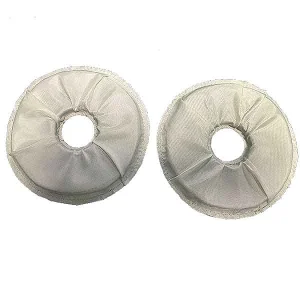
High temperature flexible nano-insulation panels designed for complex geometries and extreme thermal gradients.
Get Quotes
Prefabricated unit systems delivering exceptional thermal resistance values for modern low-carbon architecture.
Get Quotes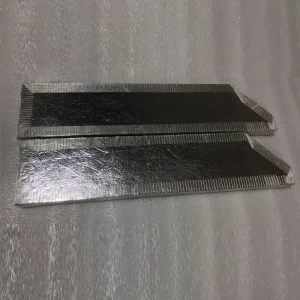
Custom engineered vacuum insulation panels wrapped in protective PET film for high-performance enclosures.
Get Quotes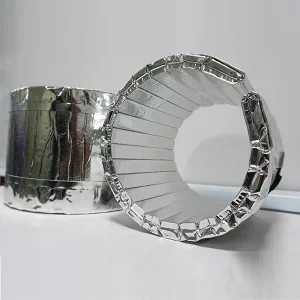
Optimized microporous thermal wrap systems for domestic and industrial water storage systems.
Get Quotes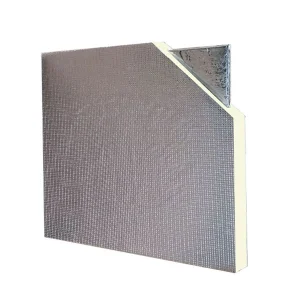
Hybrid PU vacuum panels structured specifically for cold chain refrigeration boxes and medical coolers.
Get Quotes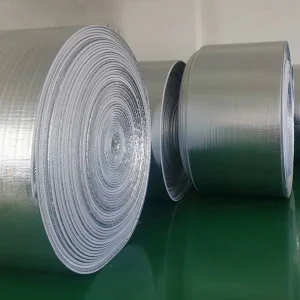
Metalized barrier foam rolls providing combined radiant heat reflection and structural insulation.
Get Quotes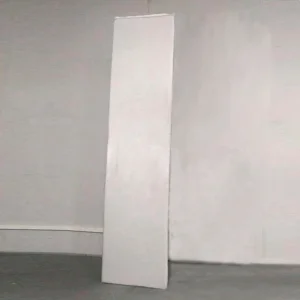
Ultra-thin, structural fireproofing barrier cores optimized for heavy-traffic fire door systems.
Get Quotes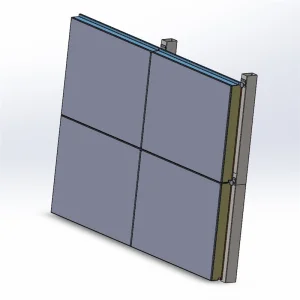
Combined structural wall panel incorporating vacuum technology for seamless building envelopes.
Get QuotesIn the contemporary industrial sector, managing thermal energy is no longer merely a matter of operational cost reduction. Driven by global decarbonization mandates, ESG (Environmental, Social, and Governance) targets, and the push for carbon neutrality, the demand for superior thermal containment systems has surged. Traditional insulation mediums—such as basic fiberglass, expanded polystyrene (EPS), and polyurethane—are rapidly hitting their physical limitations. Their high thermal conductivity metrics ($0.030$ to $0.045\text{ W}/(\text{m}\cdot\text{K})$) require thick structural applications, eating into space and adding unnecessary weight.
To overcome these challenges, the industrial insulation market is undergoing a transition towards advanced nanomaterials and vacuum envelope technologies. Vacuum Insulation Panels (VIPs) using fumed silica cores achieve an unprecedented thermal conductivity rating of less than $0.005\text{ W}/(\text{m}\cdot\text{K})$. By removing gas phase conduction within the panel core, these products offer up to ten times the efficiency of conventional foam sheets at a fraction of the thickness.
Three primary macro factors are accelerating the demand for premium microporous and VIP manufacturing:
The core physics of insulation relies on neutralizing three modes of heat transfer: conduction, convection, and radiation. Traditional open-cell and closed-cell polymer sheets rely on the low thermal conductivity of trapped gases (usually blowing agents or ambient air). Over time, these gases escape (outgassing) and are replaced by atmospheric air, causing thermal degradation.
In contrast, Vacuum Insulation Panels operate by eliminating gas conduction entirely. The core material, typically fumed silica or fiberglass, is vacuum sealed within a multi-layer composite barrier laminate foil. The internal pore size of fumed silica averages around 10 to 20 nanometers, which is smaller than the mean free path of air molecules at atmospheric pressure (approximately 70 nanometers). This phenomenon, known as the Knudsen Effect, ensures that even in the case of minor vacuum loss over decades, the thermal conductivity remains exceptionally low compared to standard insulation materials.
| Insulation Class | Material Matrix | Thermal Conductivity (W/m·K) | Thickness Required for R-30 (Inches) | Lifespan/Degradation Risk |
|---|---|---|---|---|
| Fumed Silica VIP | Nanoporous Fumed Silica + Getters | 0.004 – 0.006 | ~0.8" – 1.0" | Very Low (50+ Years structural life) |
| Fiberglass Core VIP | Ultrafine glass fiber matrix | 0.002 – 0.004 (Initial) | ~0.6" – 0.8" | Moderate (Sensitive to moisture & aging) |
| PU Foam Sheet | Polyurethane with blowing agent | 0.022 – 0.028 | ~4.5" – 5.5" | High (Gradual loss of gas over time) |
| Nano-Microporous Panel | Silica + Opacifier Composite | 0.018 – 0.022 (At 800°C) | ~3.0" – 4.0" | Stable under extreme thermal cycles |
For applications where vacuum envelopes cannot be deployed due to shaping demands or high-temperature processing (up to $1000^\circ\text{C}$), nano-microporous panels offer an optimal solution. Formed from finely dispersed silica particles coupled with infrared opacifiers, these panels minimize radiative heat transfer, which dominates thermal energy flow at high temperatures. By reducing pore size below the mean free path of gas molecules, convective current loops are prevented within the material structure, ensuring thermal stability under extreme conditions.
Our advanced engineering division designs and manufactures bespoke vacuum thermal insulation solutions configured to meet precise industrial requirements.
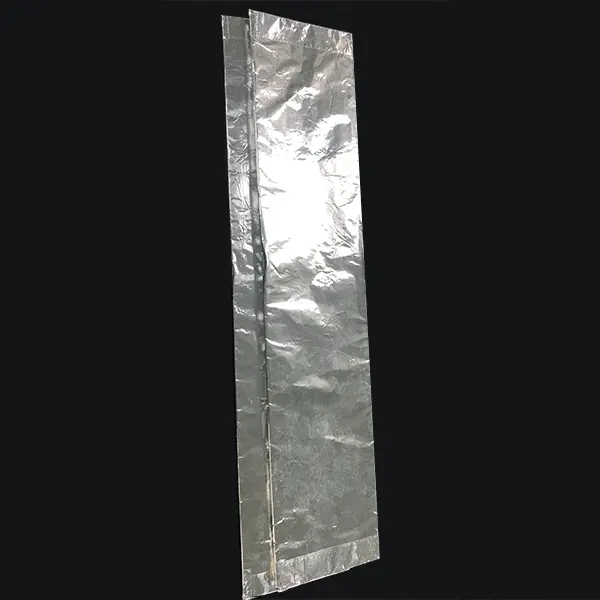
Custom thermal blankets designed for electric vehicle battery packs, providing heat shielding and safety layers.
View Details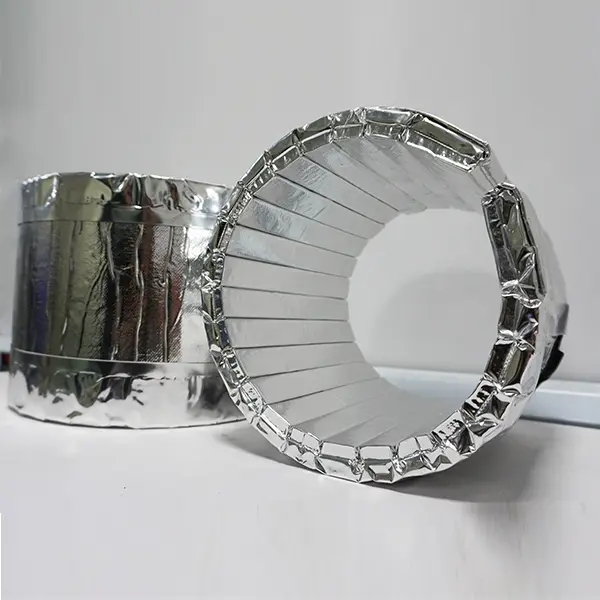
Tailored high-efficiency insulation panels engineered for industrial hot water systems and heat exchangers.
View Details
Ultra-thin microporous panels built to withstand extreme temperatures in high-rise elevator shaft installations.
View Details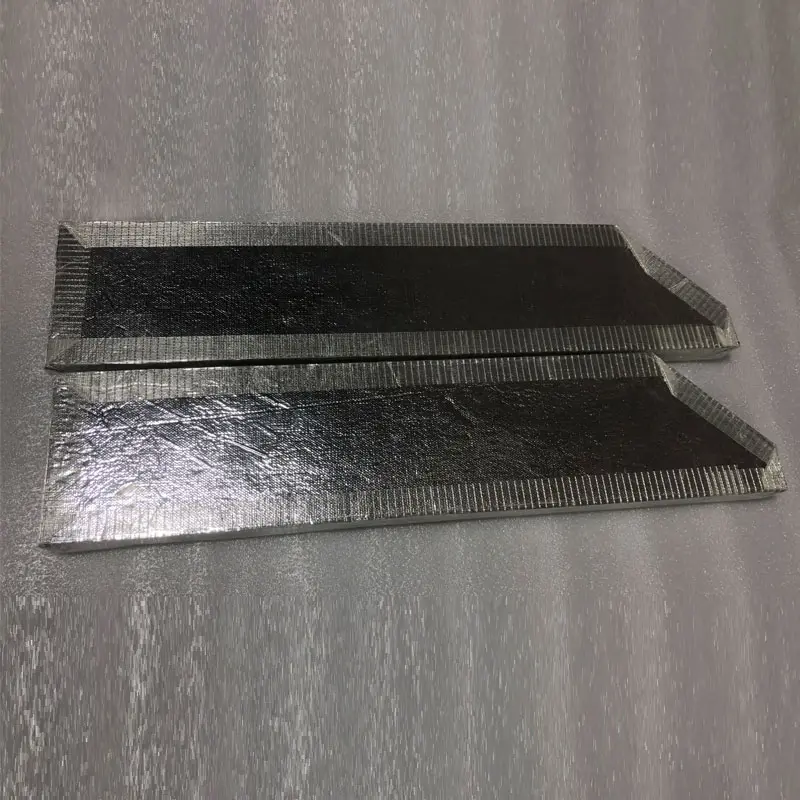
Complex, non-planar vacuum panels shaped to fit curved pipes, spherical storage vessels, and custom structures.
View Details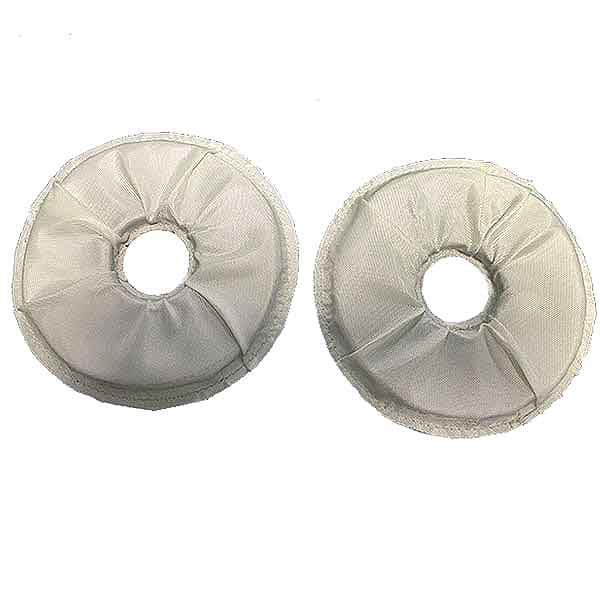
Circular thermal mats optimized for chemical reactor piping and high-temperature industrial equipment.
View Details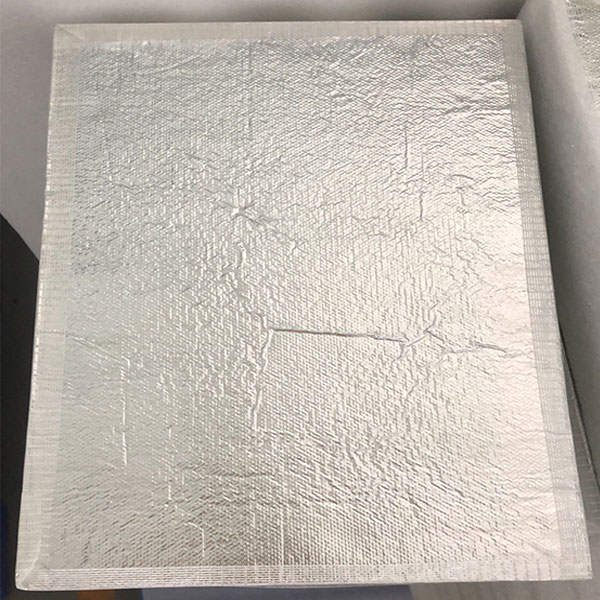
Enhanced barrier protection systems incorporating durable PET films for rugged construction environments.
View Details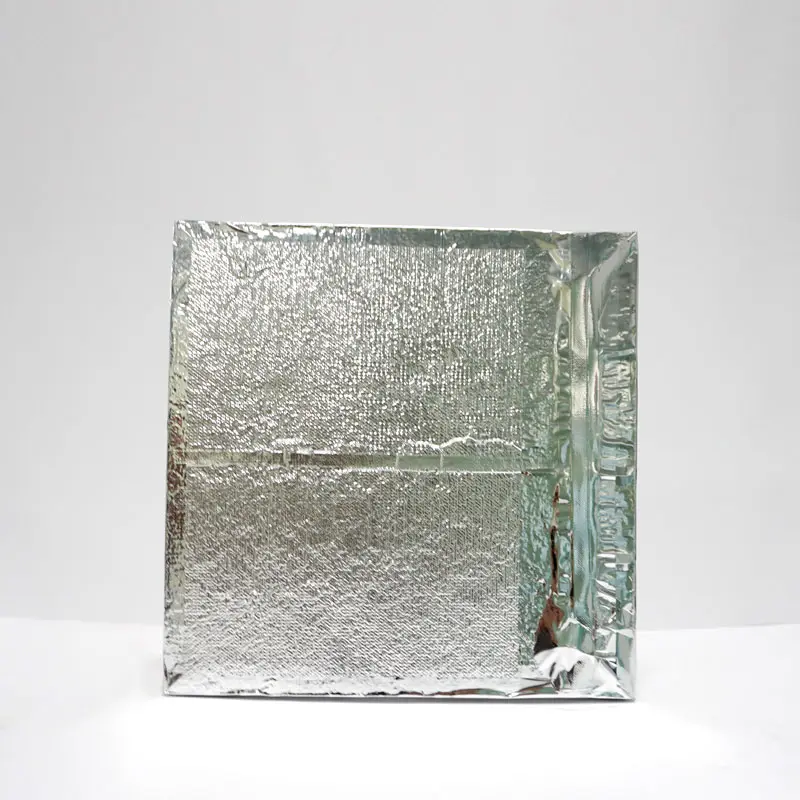
Tailored panels optimized for shipping biological materials, vaccines, and high-value cold storage goods.
View Details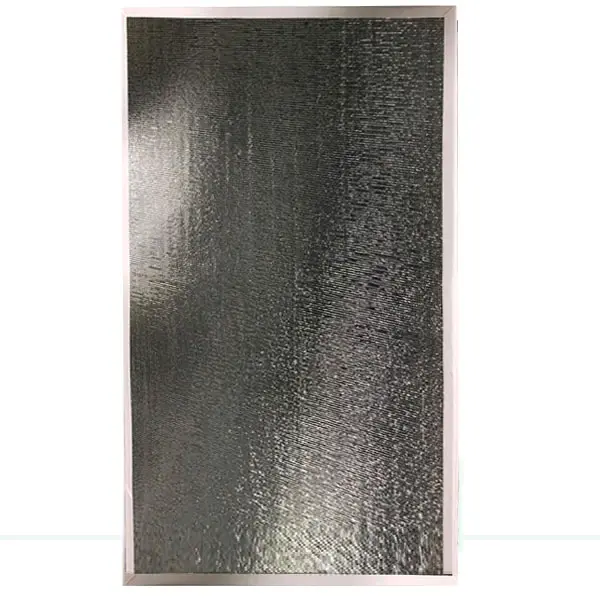
Large format vacuum panels designed for building wall modular systems and container insulation.
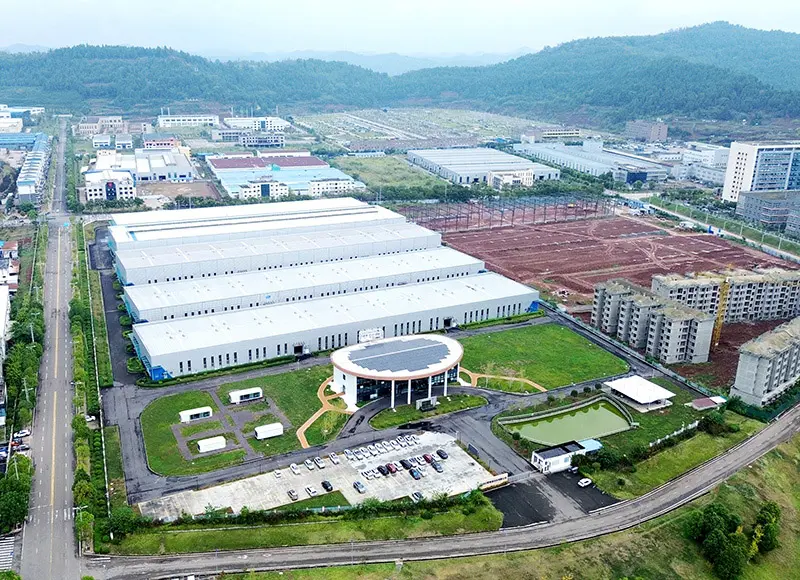
View DetailsZerothermo Technology Co., Ltd., a subsidiary of the CBVAC Group, is a leading developer and manufacturer of advanced vacuum insulation materials. Our R&D center is based in the Beijing Economic-Technological Development Area, and our production base in Nanchong City, Sichuan Province, stands as one of China's largest facilities for industrial vacuum applications.
Drawing on the vacuum engineering expertise of CBVAC, we specialize in high-precision structural integration and advanced thermal barrier systems. We offer custom fabrication capabilities to meet demanding engineering specifications, including:

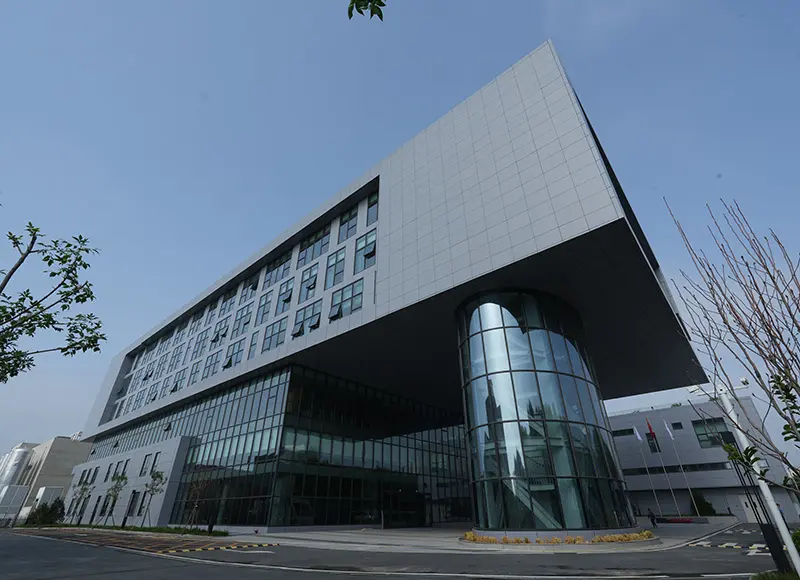
Our integrated production and rigorous testing protocols deliver performance and reliability for critical applications.
Every batch of fumed silica VIPs and microporous blankets undergoes absolute thermal conductivity testing, outgassing checks, and vacuum integrity analysis before shipment.
Our engineering team designs custom barrier envelopes and complex 3D profiles to meet specific thermal and geometric requirements.
With our modern Nanchong factory, we provide high-volume manufacturing capabilities to ensure consistent supply and pricing for large-scale projects.
We work with international logistics networks to deliver vacuum-packaged and impact-sensitive panels safely to sites worldwide.
We offer technical support throughout the product lifecycle, from initial thermal modeling and simulation to final installation and verification.
Our high-performance thermal insulation solutions support carbon reduction and energy efficiency across key global sectors.

Ensuring stable temperature control for cold chain shipping boxes, vaccine carriers, and temperature-controlled containers using high-performance fumed silica VIPs.

High-performance insulation panels and vacuum-insulated glass units designed to help buildings reduce energy use, lower carbon emissions, and achieve carbon neutrality goals.

High-temperature microporous thermal barriers designed for industrial furnaces, elevator fireproof doors, hot water systems, and petrochemical pipelines.

High-efficiency space-saving thermal insulation panels designed for modular housing, caravans, prefabricated cabins, and luxury outdoor lodging structures.
Improving energy efficiency is a key priority for modern industrial operations. The industrial sector is responsible for more than 30% of global greenhouse gas emissions, with much of that lost as waste heat. Our vacuum insulation and nano-microporous panels help companies recover and retain thermal energy, improving efficiency across manufacturing systems.
By replacing traditional insulation materials with high-performance VIPs, operators can reduce energy consumption, lower structural profiles, and extend system lifetimes, contributing to long-term sustainability goals.
"Integrating fumed silica VIP technology into commercial cold storage systems can reduce heat transfer by up to 60%, resulting in lower energy costs and improved temperature stability during power interruptions."
Discover how our VIP and nano-insulation technologies are deployed across key commercial and industrial projects.

Providing precision thermal insulation systems for cleanrooms and high-performance laboratory equipment enclosures.
View Case
Large-scale installation of integrated wall panels designed to maintain stable internal temperatures for precise chemical processing.
View Case
Deploying energy-efficient architectural wall insulation panels to help school facilities meet green building standards.
View Case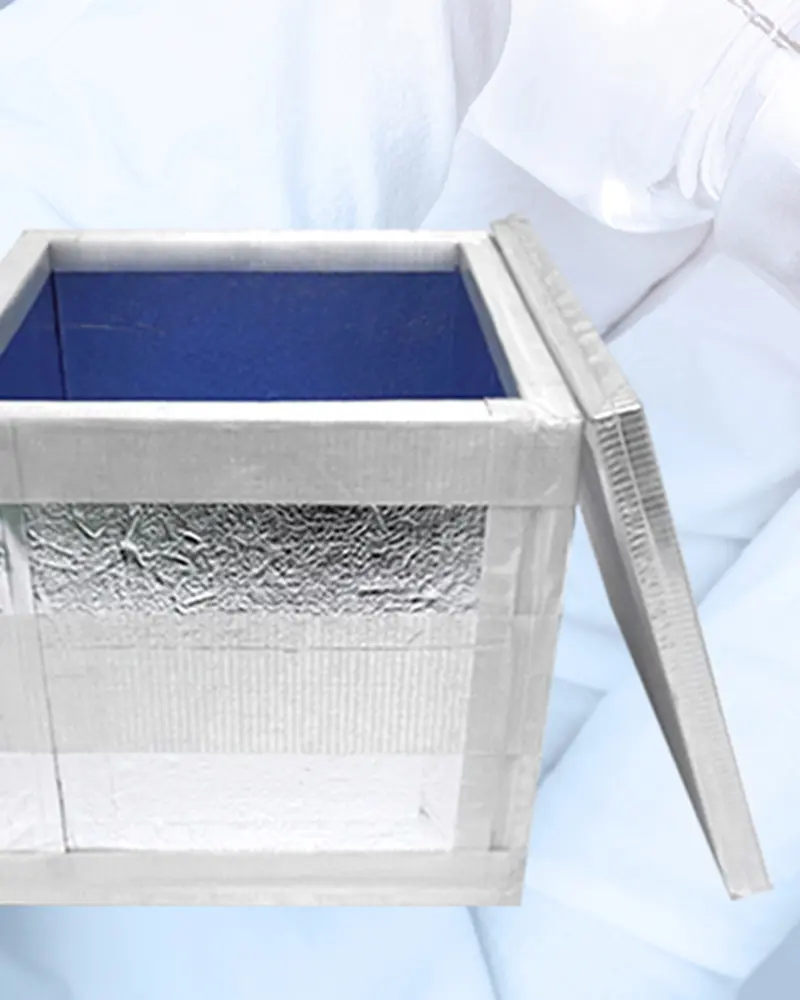
Providing high-efficiency VIP insulation liners for passive medical shipping containers to ensure stable temperatures for long-distance transport.
View CaseExplore articles on thermal engineering advancements, industrial applications, and high-efficiency material science updates.
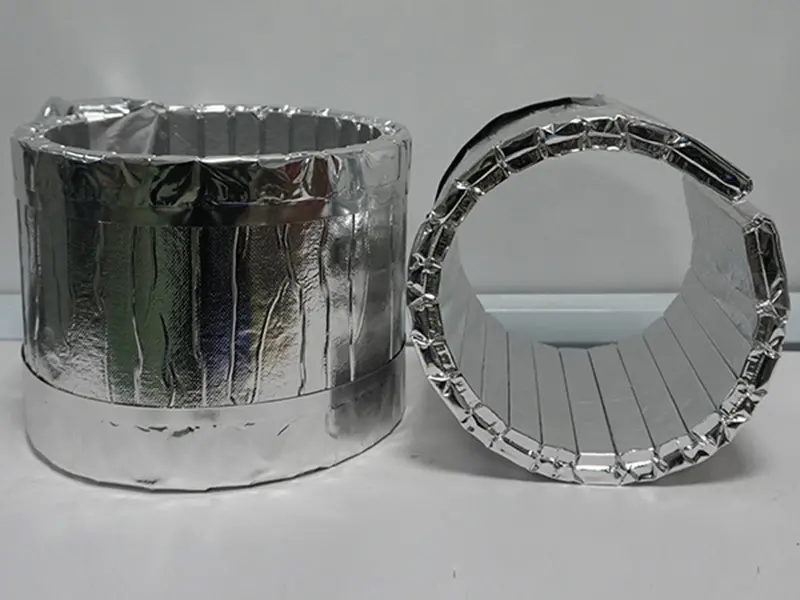
An overview of the role high-temperature nano-microporous panels play in enhancing safety and thermal barriers in modern high-rise elevator systems.
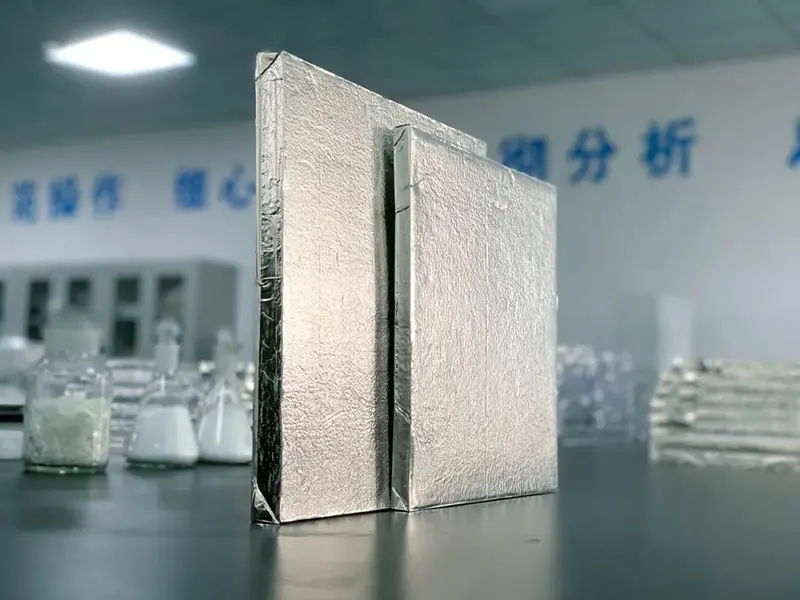
Zerothermo presented its latest line of vacuum insulation panels and custom thermal engineering solutions at the Spring Canton Fair.
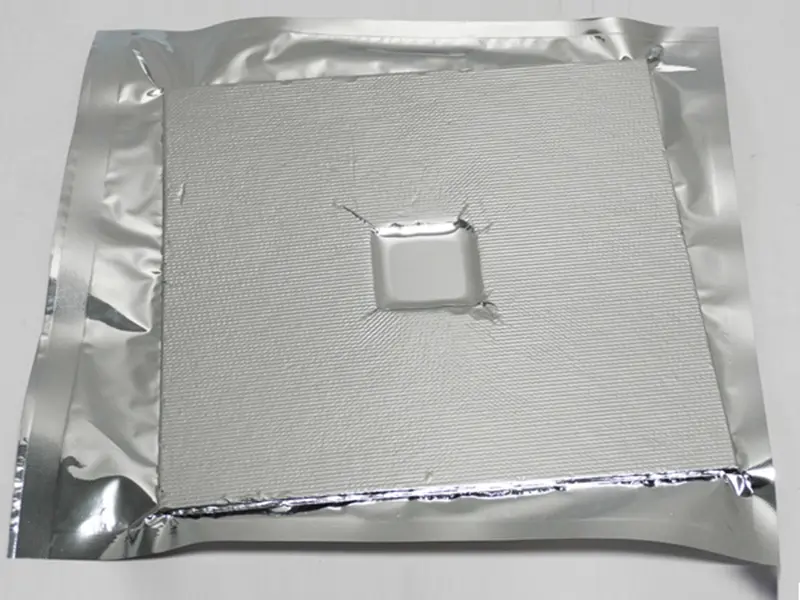
How advanced thermal insulation materials improve energy management, reliability, and safety across demanding industrial sectors.
Common questions regarding vacuum insulation panels, microporous materials, and technical specifications answered by our engineering team.
Fumed silica core VIPs feature a pore structure of 10–20 nm, which maintains low thermal conductivity even if vacuum pressure changes over time. They are highly stable, non-combustible, and have an operational life of over 50 years. Glass fiber VIPs offer slightly lower initial thermal conductivity but have larger pores, making them more sensitive to moisture absorption and vacuum loss over time.
No, VIPs cannot be cut, drilled, or modified on-site, as puncturing the outer envelope releases the internal vacuum and reduces performance to that of basic core materials. All shapes, cutouts, and dimensions must be custom engineered and fabricated during the manufacturing process.
Nano-microporous panels are designed to maintain low thermal conductivity ($0.018 - 0.024\text{ W}/(\text{m}\cdot\text{K})$) at high operating temperatures up to $1000^\circ\text{C}$. This makes them suitable for fire doors, furnaces, industrial piping, and EV battery cell insulation, where high performance and thin profiles are required.
Every panel we produce undergoes strict quality control checks, including vacuum level monitoring, weight checks, and rapid thermal conductivity testing using transient plane source methods. This ensures each batch complies with required specifications before shipment.
VIPs help buildings achieve high thermal performance (R-values) with thin wall profiles, allowing designers to maximize interior space. This support for energy efficiency helps projects meet criteria for energy performance certificates and green building standards like LEED, BREEAM, and Passive House.
Discover our range of high-temperature thermal barriers, vacuum insulation panels, and custom-engineered insulation systems.
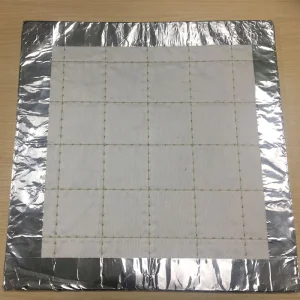
Flexible nano-insulation blankets designed for high-temperature applications and complex equipment shapes.
Get Quotes
Thermal runaway barrier systems designed specifically for electric vehicle battery packs and modules.
Get Quotes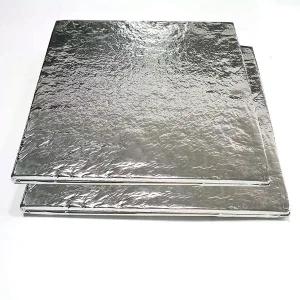
High-efficiency vacuum insulation panels designed for refrigerator, freezer, and building installations.
Get Quotes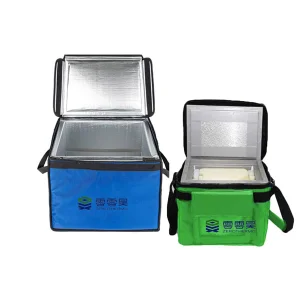
High-performance insulated shipping boxes designed for temperature-sensitive medical vaccines and foods.
Get Quotes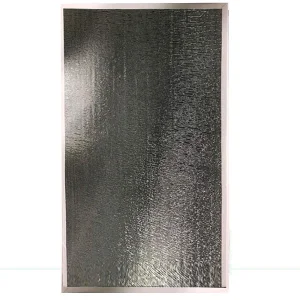
Large-scale vacuum insulation panels tailored for shipping containers and logistics applications.
Get Quotes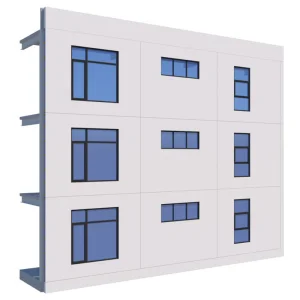
Integrated wall insulation panels combining high thermal performance with decorative exterior surfaces.
Get Quotes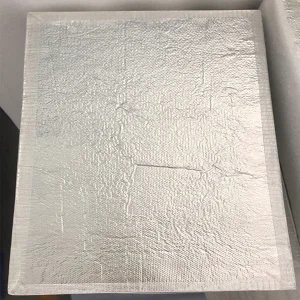
Vacuum insulation panels featuring low thermal conductivity and durable PET protective film wrapping.
Get Quotes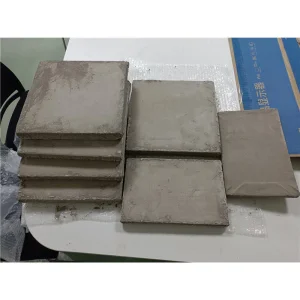
Rugged, reinforced VIP systems designed to withstand demanding structural installations.
Get QuotesContact our engineering and sales team for assistance with project designs, material specifications, or custom quote requests.