Premium Solutions Showcase
Explore our top-tier vacuum and nano-microporous thermal insulation solutions engineered to deliver minimum thermal conductivity with maximum space efficiency.
Industry Whitepaper & Technical Insights
An in-depth look at how thermal insulation boards are evolving under the pressure of global carbon-neutrality initiatives and high-temperature industrial demands.
As the international community accelerates toward net-zero carbon emissions, conventional thermal insulation materials such as EPS, XPS, and polyurethane foam are hitting physical limits. For modern energy demands, thermal conductivity (Lambda, λ) must be dramatically lowered to optimize space, minimize heat loss, and comply with rigid environmental codes. Vacuum Insulation Panels (VIPs) and Nano-microporous Insulation Boards represent a paradigm shift in material science.
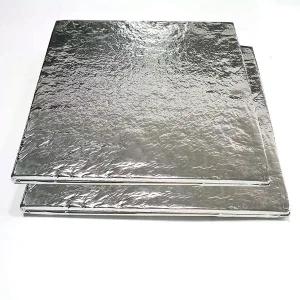
By trapping a microscopic core material inside a high-vacuum chamber, VIPs achieve a thermal conductivity as low as 0.0015 to 0.004 W/m·K—up to ten times more efficient than traditional materials. This unmatched efficiency reduces the required insulation thickness, saving valuable space in logistics container walls, building envelopes, high-temperature kilns, and electric vehicle battery enclosures.
In a vacuum state, gas conduction and convection are virtually eliminated. Heat transfer is restricted to solid conduction through the micro-pores of the core material and radiation. By using fumed silica or fiberglass as a core material, we achieve pore sizes smaller than the mean free path of air molecules, locking in thermal performance even if the vacuum slowly degrades over decades.
Procuring industrial thermal insulation is no longer about finding the cheapest panel per square meter. It is about understanding the lifetime cost of energy savings, thermal degradation curves, and system integration. Today's B2B procurement trends highlight several core demands:
| Material Type | Typical Core Material | Thermal Conductivity (W/m·K) | Thickness Needed for R-30 | Max Service Temp | Primary Applications |
|---|---|---|---|---|---|
| Fumed Silica VIPs | Amorphous Fumed Silica | 0.004 - 0.006 | ~30-40 mm | 80°C (Core up to 900°C) | Cold Chain Boxes, Fridges, Buildings |
| Fiberglass VIPs | Ultrafine Glass Fiber | 0.0018 - 0.0025 | ~15-20 mm | 70°C | Deep Freeze, Cryogenic Logistics |
| Nano-Microporous Board | Pyrogenic Silica + Opacifiers | 0.018 - 0.024 (at high temp) | ~150 mm | 1000°C | Industrial Kilns, Fire Doors, Metallurgy |
| Polyurethane (PU) Foam | Polyurethane Polyol | 0.022 - 0.028 | ~180-220 mm | 100°C | Basic Cold Storage, Appliance Insulation |
To understand the core competency of market leaders like Zerothermo Technology, one must look at the manufacturing roadmap. The primary challenge of vacuum insulation has always been aging—specifically, the slow ingress of water vapor and atmospheric gases through the barrier film. Our modern technical roadmap addresses these concerns through three primary innovations:
Combining fumed silica with structural fibers and inorganic infrared opacifiers ensures that the radiation component of heat transfer is blocked even at extreme temperatures (above 800°C). By optimizing the density of this core matrix, our factories achieve a structural balance that supports high compression loads without increasing solid conduction paths.
The protective envelope determines the longevity of the panel. Our factories utilize multi-layer composite films containing aluminum foil or multiple metallized polyester (PET) layers. These films reduce gas transmission rates (GTR) to near zero, maintaining the core vacuum level (<5 mbar) for up to 50 years under standard environmental conditions.
Because VIPs cannot be cut or drilled on-site (as puncturing the envelope immediately destroys the vacuum and increases the thermal conductivity to that of the ambient air), precision manufacturing according to client blueprints is vital. Our production bases incorporate high-precision CNC cutting of core materials before vacuum sealing, allowing for shaped panels with cutouts, curves, and dynamic sizing.
Tailored Thermal Engineering
We provide bespoke vacuum insulation solutions designed specifically for extreme conditions, specialized structures, and customized parameters.
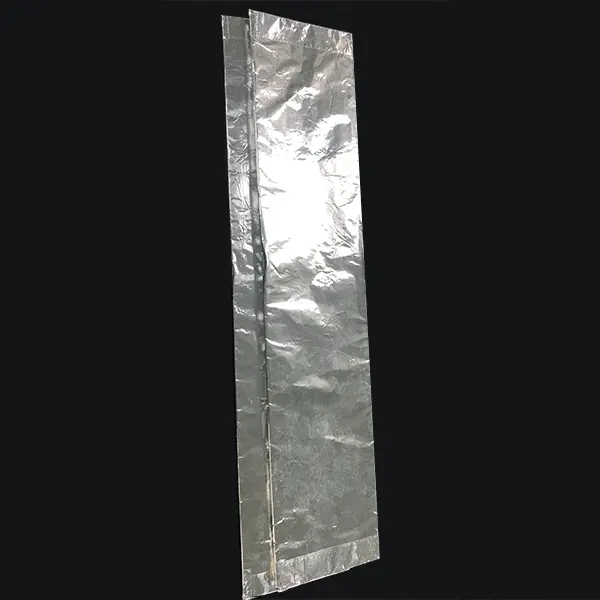
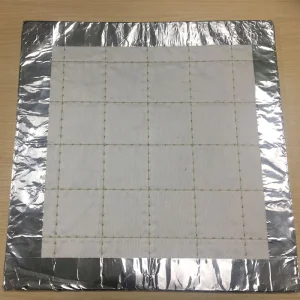
Product Details: Size: Customized. Thickness: 5-30mm. Tailored for lithium-ion battery packs to prevent thermal runaway and maintain battery efficiency in cold climates.
View Details +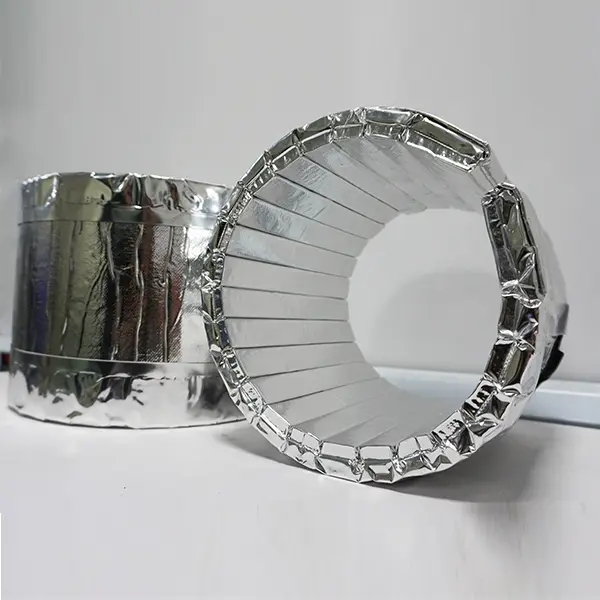
Product Details: Size: Customized. Thickness: 5-50mm. Designed for commercial water heaters and industrial boiler tanks to minimize standby heat loss.
View Details +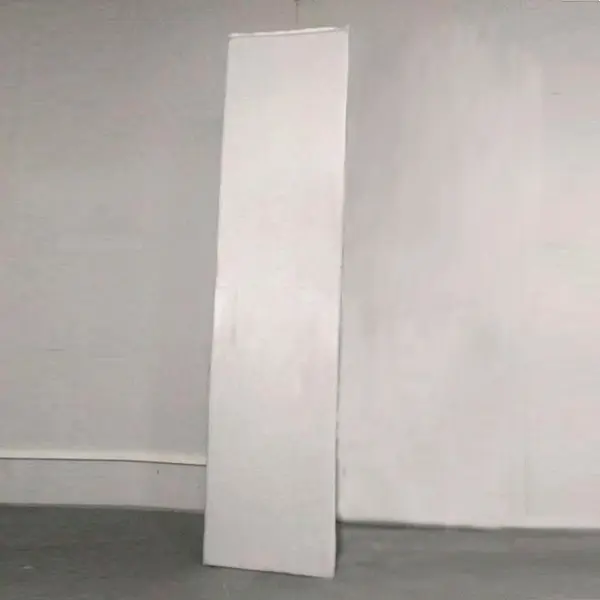
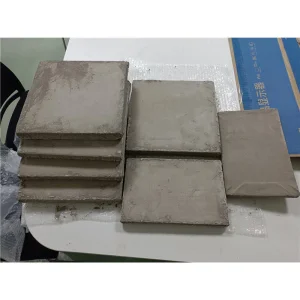
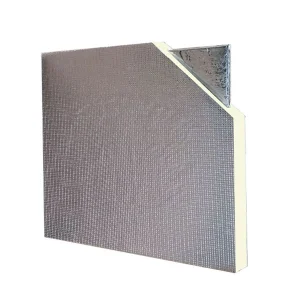
Our elevator fireproof door high temperature nano microporous insulated panels are designed to meet stringent Class-A fire safety ratings and maximize structural protection.
View Details +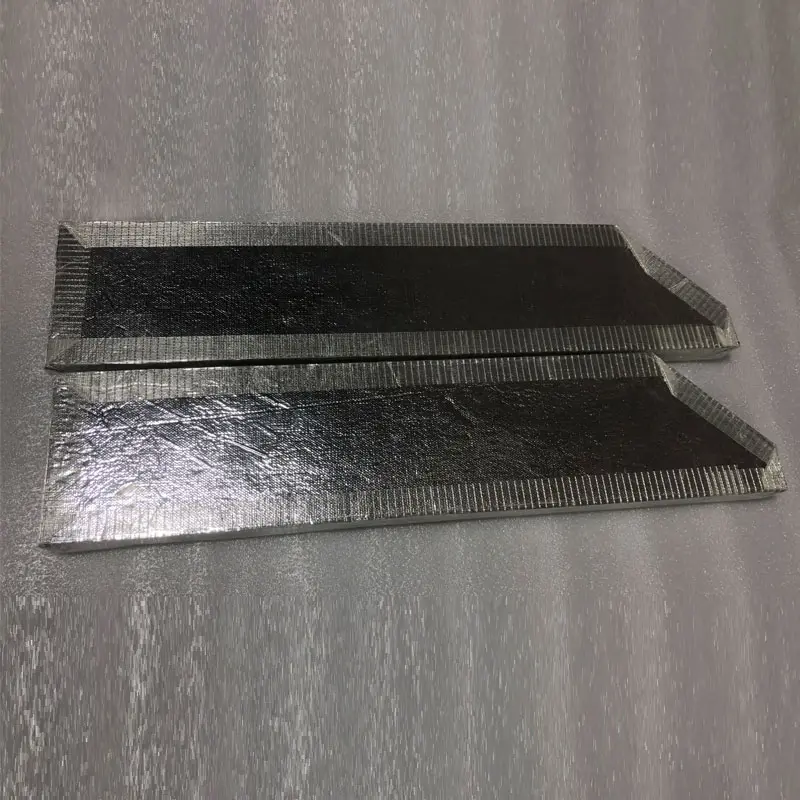
Product Features: Engineered for curved, irregular, and complex geometries where conventional flat insulation panels cannot fit.
View Details +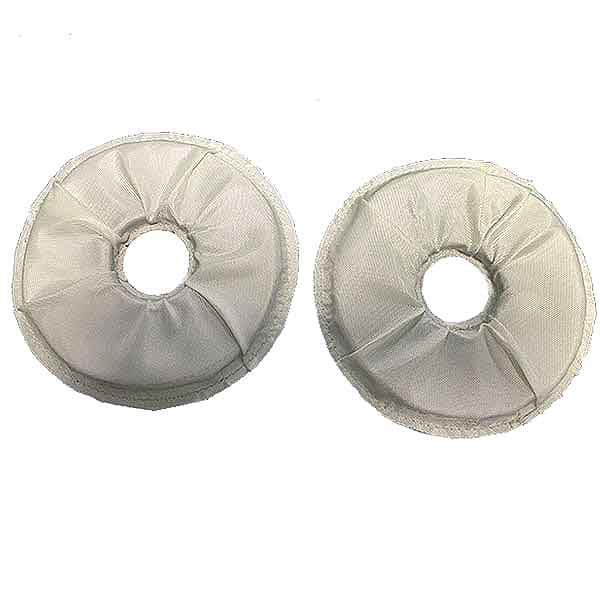
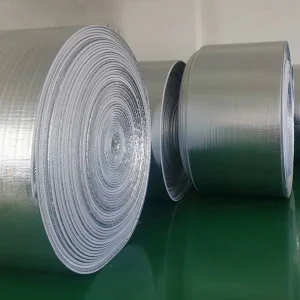
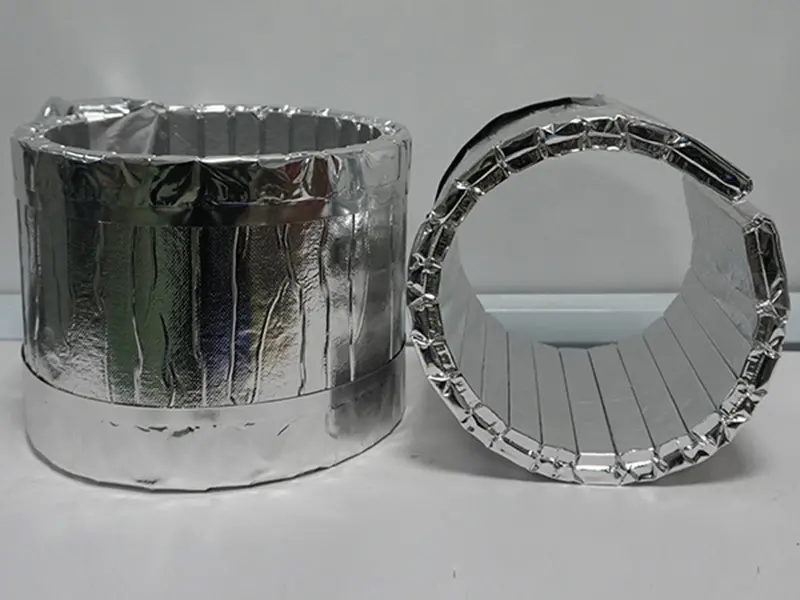
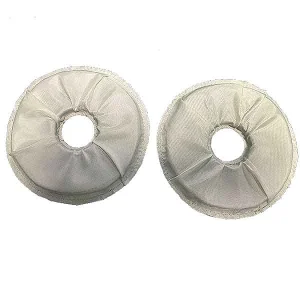
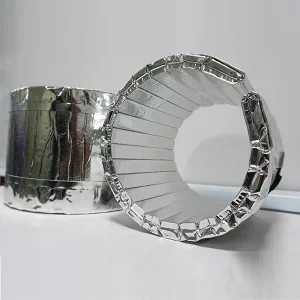
Product Specification: Flexible nano-porous wraps designed for high-temperature pipe insulation and cylindrical aerospace vessels.
View Details +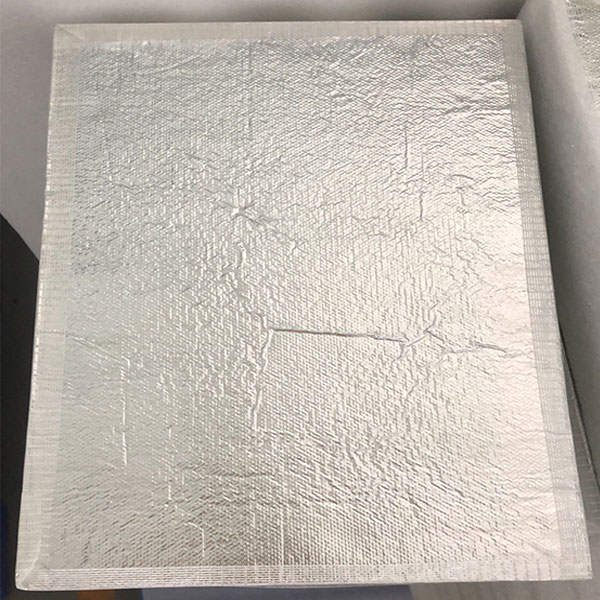
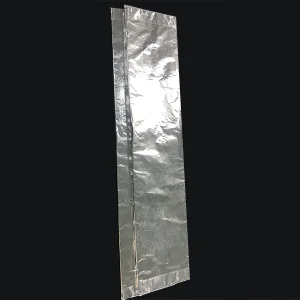
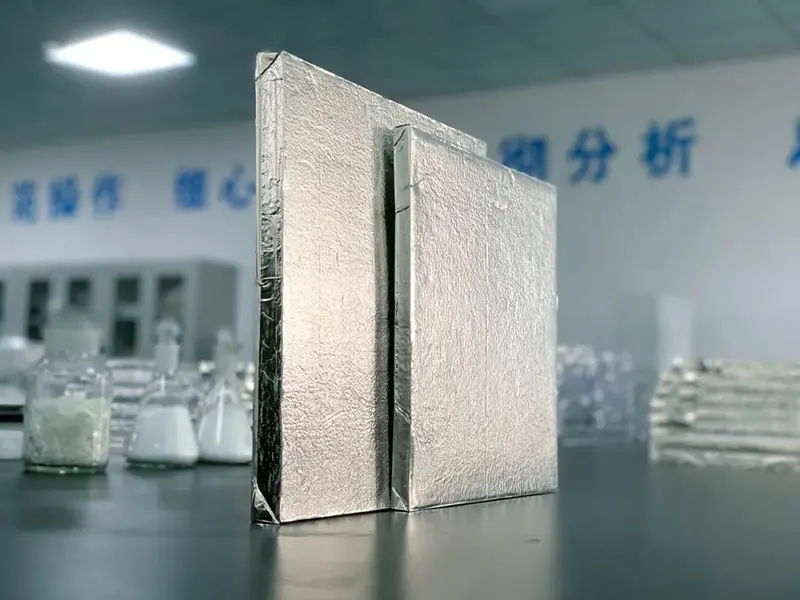
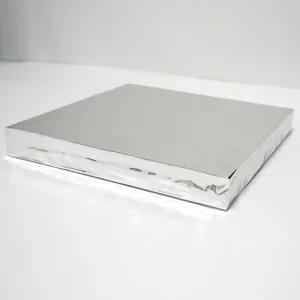
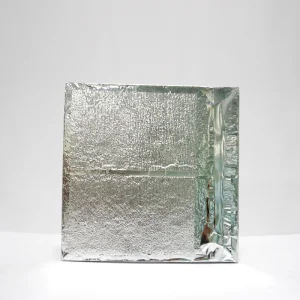
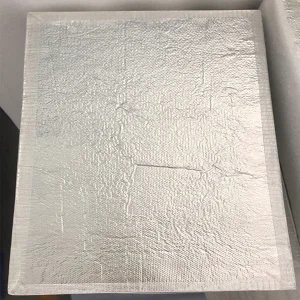
Product Features: High-density fumed silica core encapsulated in multi-layer PET barrier film for maximum lifecycle and thermal integrity.
View Details +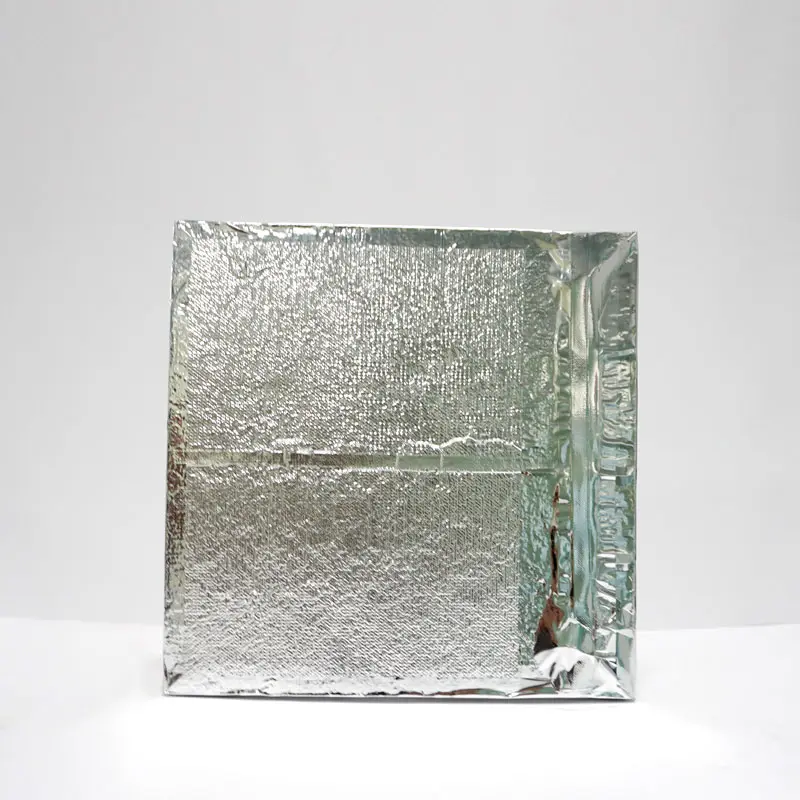
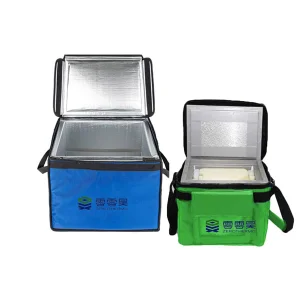
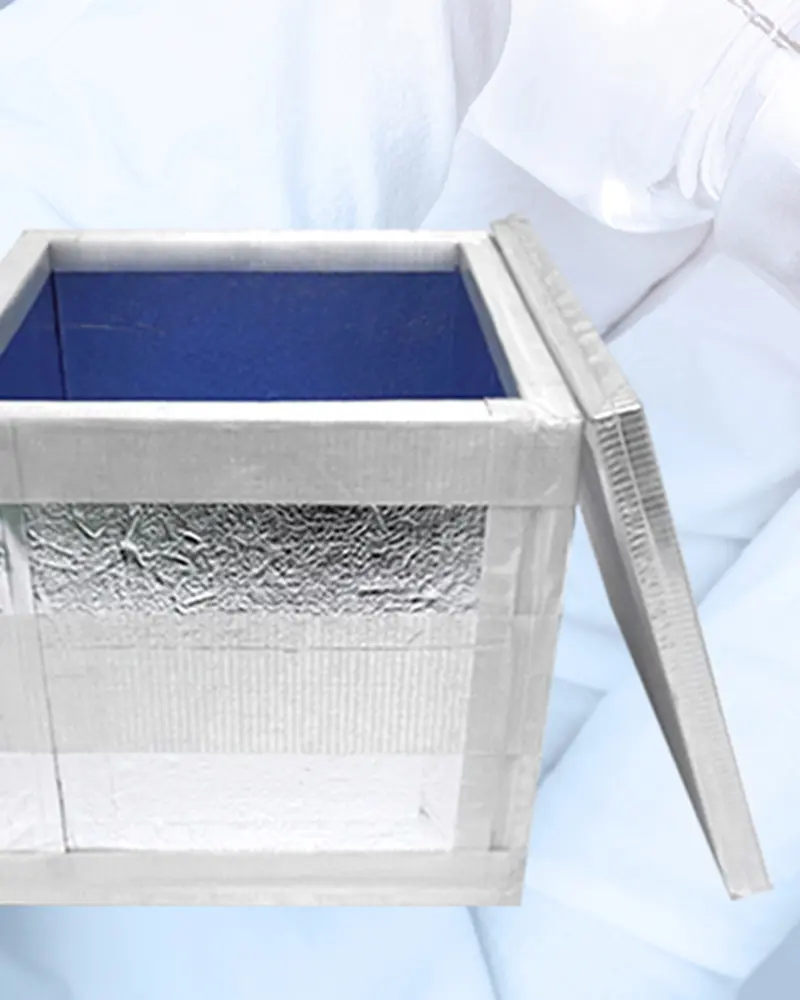
Product Features: Optimizes cold chain containers, transport boxes, and shippers for pharmaceuticals, vaccines, and high-value perishables.
View Details +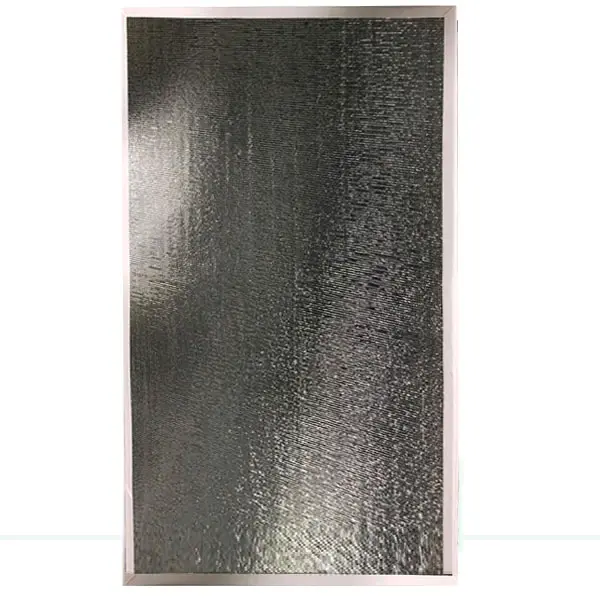
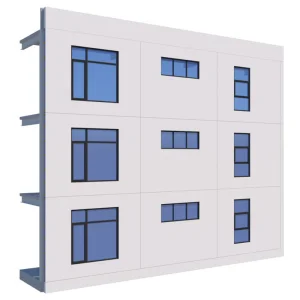
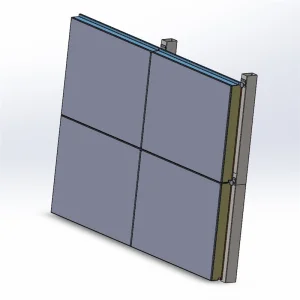
Product Features: Extra-large format VIP panels designed specifically for pre-fabricated wall assemblies and modern modular architecture.
View Details +Corporate Authority & Capabilities
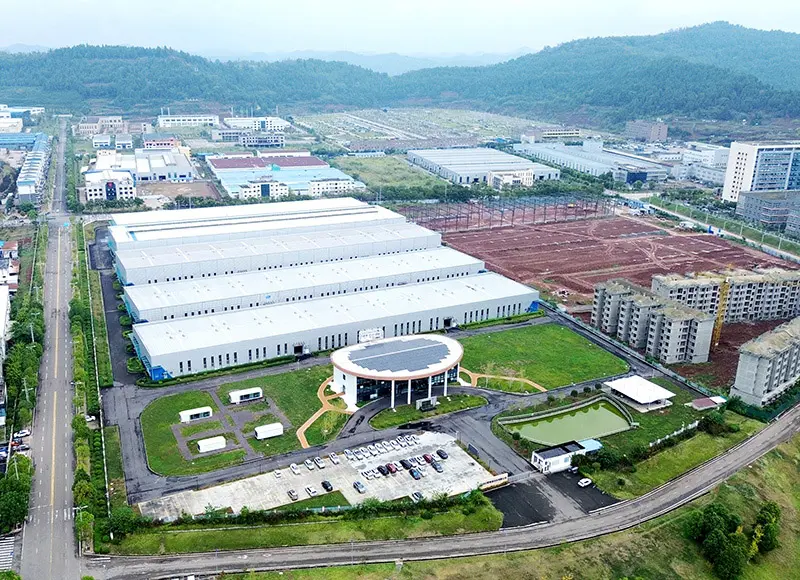
Zerothermo Technology Co., Ltd., a subsidiary of CBVAC Group and a national high-tech enterprise, is headquartered in the Beijing Economic-Technological Development Area, with its primary production base located in Nanchong City, Sichuan Province. This facility stands as one of China's largest comprehensive production centers for vacuum technology application products.
Beyond our primary thermal panels, we excel in precision engineering products. Our group utilizes state-of-the-art metalworking and sealing technologies to produce customized structural interfaces:

Special sizes (beyond the range of ANSI/ASME/DIN and other standards) are produced according to customers' drawings or technical parameters.

Square, oval, or other special shaped flanges. Oversize/small diameter: such as diameter over 60 inches or micro-precision flanges.

Our vacuum flanges and connection systems deliver high hermetic seal performance for complex vacuum equipment.
With advanced R&D backed by the CBVAC Group, Zerothermo products comply with major global building codes, REACH, RoHS, and international ASTM testing protocols for thermal conduction performance.


Why Choose Zerothermo
Uncompromised quality standards, swift execution, and scalability form the foundation of our long-term client relationships.
Our vacuum insulation boards undergo rigorous testing, ensuring high-vacuum level preservation and minimal edge thermal bridging effects.
From complex geometric shapes (L-shapes, circles, holes) to specific thermal conductivity values, we optimize to meet exact engineering specifications.
Equipped with advanced automated vacuum packing production lines, we comfortably handle massive commercial orders without quality decay.
Global shipping channels ensure safe, specialized transport of vacuum panels, protecting them from structural puncture or environmental damage.
Working in synergy with the CBVAC Group, we provide comprehensive product lifecycle support, technical consults, and material diagnostics.
Global Applications
We integrate advanced thermal insulation boards into critical industrial sectors to drive energy conservation and structural safety.

Providing high-efficiency thermal insulation solutions for cold chain shippers and boxes through vacuum panels, maintaining stable internal temperatures during transport.

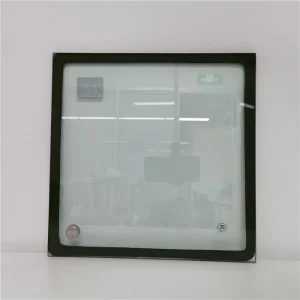
Empowering the construction sector to reduce carbon emissions and achieve carbon neutrality through ultra-thin VIP wall boards and vacuum insulated glass.

Delivering high-temperature nano microporous panel configurations for heavy machinery, metallurgy kilns, and elevator fireproof doors.

Providing custom prefabricated cabins, modern architectural glazing, and modular decorative paneling to create highly insulated eco-friendly micro-spaces.
Proven Success
Frequently Asked Questions
Clear, expert answers to key inquiries regarding specifications, logistics, customization, and thermal performance values.
Under ambient indoor conditions, fumed silica VIPs are designed to maintain high thermal performance for 30 to 50 years. The core material, amorphous silica, is chemically stable and does not degrade. The main factor limiting lifespan is the gas permeation rate through the barrier envelope, which averages less than 1 mbar of pressure rise per year.
No. Any puncture, cut, or structural compromise to the outer protective film envelope will breach the vacuum barrier, letting air inside. This increases the panel's thermal conductivity from the vacuum state (~0.004 W/m·K) to the non-vacuum silica state (~0.020 W/m·K). Therefore, all panels must be custom-manufactured to the exact size, geometry, and cutouts required before the final sealing process at our factory.
Fiberglass core VIPs achieve a lower initial thermal conductivity (typically 0.0015 to 0.0025 W/m·K) compared to fumed silica VIPs (0.004 to 0.006 W/m·K). However, fiberglass VIPs degrade much faster if the vacuum drops, as their larger pore size allows air molecules to conduct heat. Fumed silica has nano-sized pores, which restrict gas conduction even when atmospheric air slowly leaks in over the years, making fumed silica highly durable for long-term construction and cold-chain use.
We implement a comprehensive QC process at our Nanchong production base. Each batch of raw pyrogenic silica and opacifier is tested for particle density and composition. Before shipping, finished boards undergo thermogravimetric analysis and density verification to confirm they comply with Class-A fire limits and maintain low thermal conductivity at temperatures up to 1000°C.
Connect with Our Engineers
Submit your technical specifications or project dimensions to get a detailed quotation within 24 hours.
We provide a comprehensive, one-stop service path from blueprint designs to final quality checks and shipping. Contact our sales engineers to optimize your design's insulation performance.


Expanded Industrial Product Lines
Discover our reinforced panels, vacuum insulated glass solutions, and integrated decorative wall boards for buildings and specialized containers.