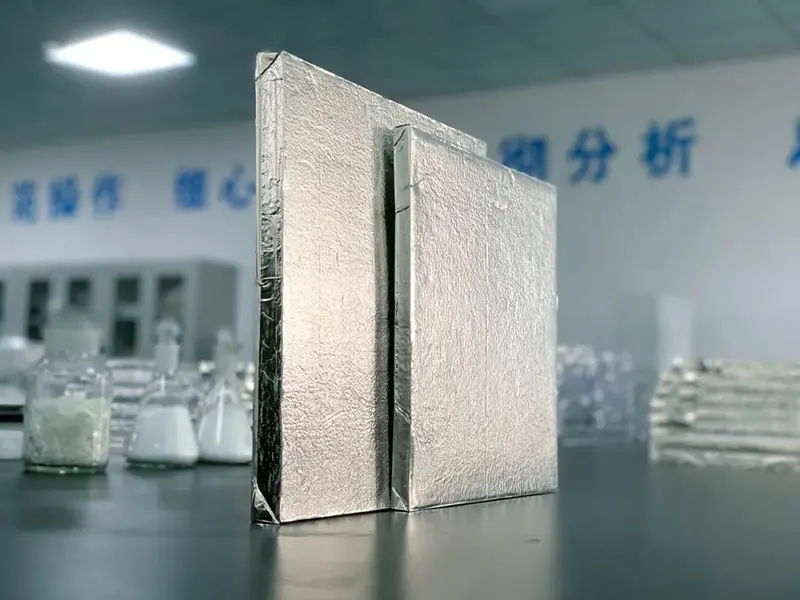
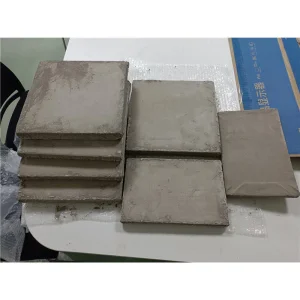
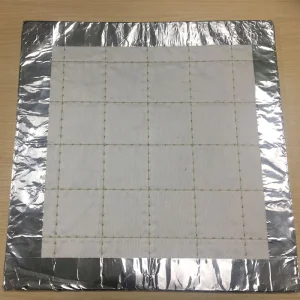
Thermal management in modern engineering demands insulation materials that defy traditional heat transfer models. Vacuum Insulation Panels (VIPs) represent the pinnacle of this breakthrough. By combining a highly porous core material with a gas-barrier envelope under vacuum conditions, VIPs achieve a thermal conductivity (λ) as low as 0.004 W/(m·K), which is roughly ten times more effective than standard polyurethane foams or rockwool insulation.
At the center of this extreme insulation capability is the Knudsen Effect. In any gas-filled material, heat conduction occurs through collisions between gas molecules. If the pore size of the core material is significantly smaller than the mean free path of the gas molecules (the average distance a molecule travels before colliding with another), gaseous heat transfer drops to near zero.
For fumed silica cores, the internal pore size is engineered to be between 30 and 50 nanometers. Under ambient pressure, the mean free path of air is approximately 68 nanometers. Consequently, even if a minor vacuum loss occurs over decades of operation, the Knudsen number remains high enough to suppress thermal conductivity, ensuring long-term performance stability compared to fiberglass cores, which deteriorate rapidly upon vacuum loss.
Historically, VIPs were limited by their absolute rigidity. Standard fumed silica or fiberglass cores are compressed into flat, stiff boards. If bent or cut, the barrier film punctures, bringing immediate loss of vacuum and catastrophic failure of thermal properties. This lack of versatility restricted VIPs to simple flat surfaces in refrigeration units and flat architectural wall assemblies.
The development of Flexible Vacuum Insulation Panels has revolutionized this industry. Through advanced quilting techniques, segmenting of fumed silica blocks, and the introduction of flexible nano-aerogel composites, manufacturers can now construct flexible mats that wrap around non-planar geometry. This flexibility is critical for applications such as:
A high-quality flexible insulation blanket is not simply a bent panel; it is a system. It consists of high-barrier laminates that can accommodate bending stress without developing micro-cracks in the metallized aluminum layers. Leading manufacturer Zerothermo Technology utilizes multi-layer co-extruded films with high-barrier PET layers and proprietary sealing technologies to maintain a low water vapor transmission rate (WVTR) and oxygen transmission rate (OTR) even when flexed or wrapped under tight curvature radii.
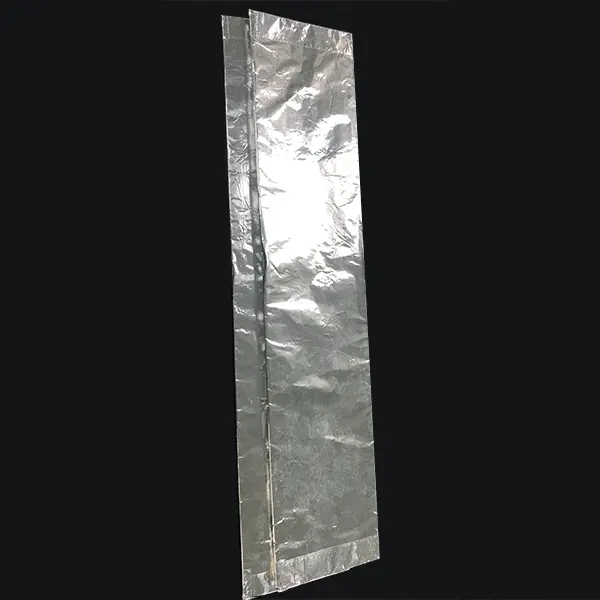
Product Details: Size: Customized Thickness: 5-30mm. Specifically engineered to isolate thermal runaways and protect EV battery modules.
View More +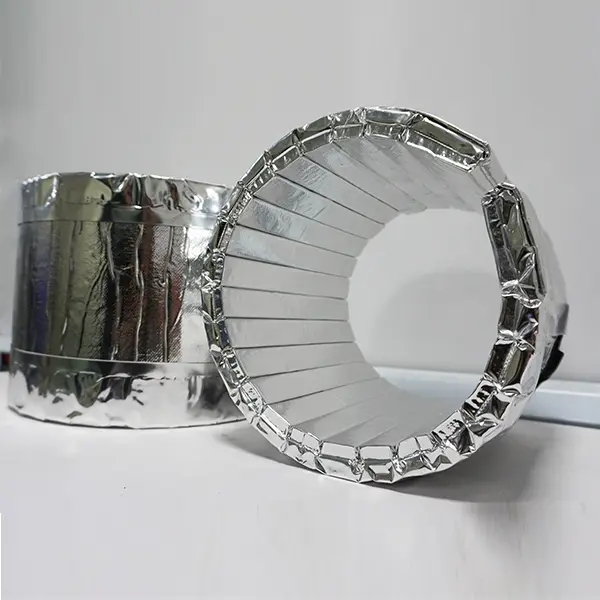
Product Details: Size: Customized Thickness: 5-50mm. Designed for commercial water heating tanks to reduce thermal losses by up to 80%.
View More +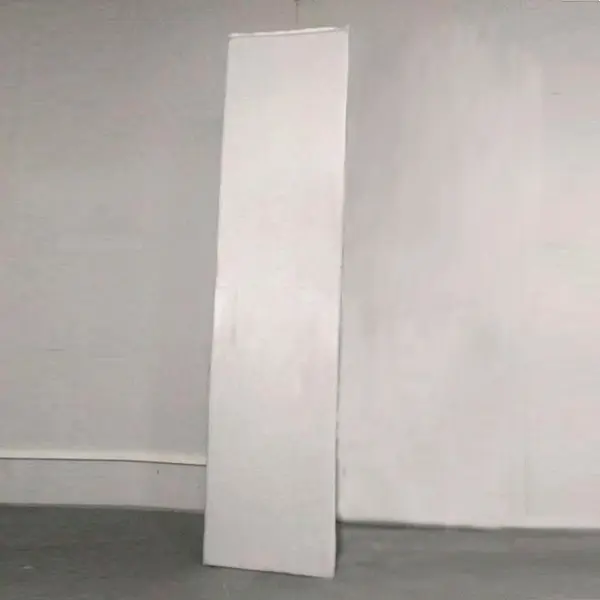
Our elevator fireproof door high temperature nano microporous insulation boards provide unprecedented safety barrier ratings in slim profiles.
View More +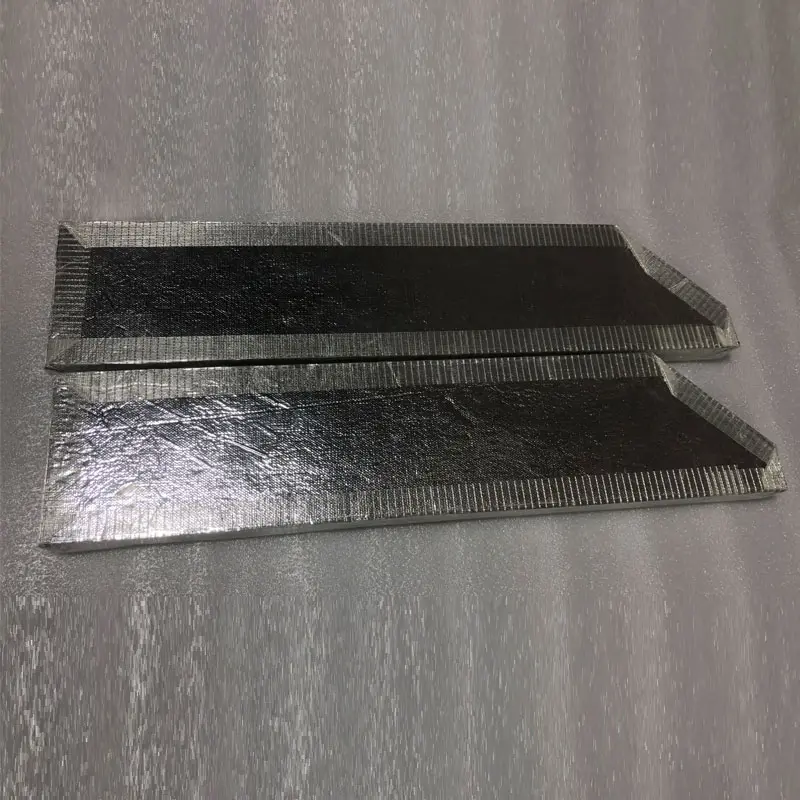
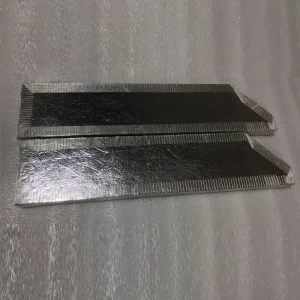
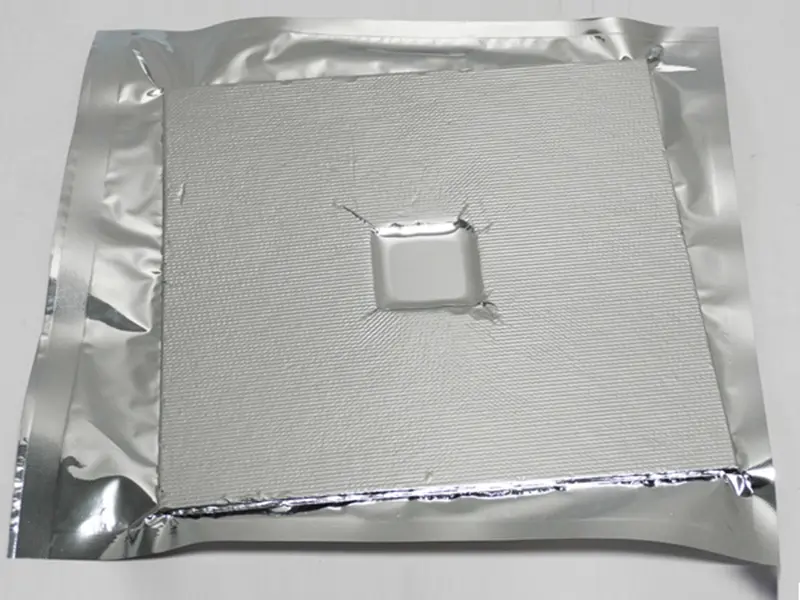
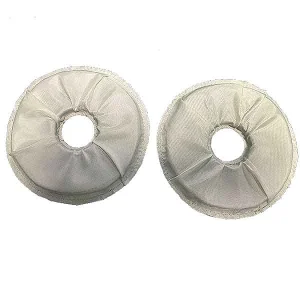
Unique geometries including L-shape, circular holes, and curved profiles engineered for precise mechanical assembly without vacuum loss.
View More +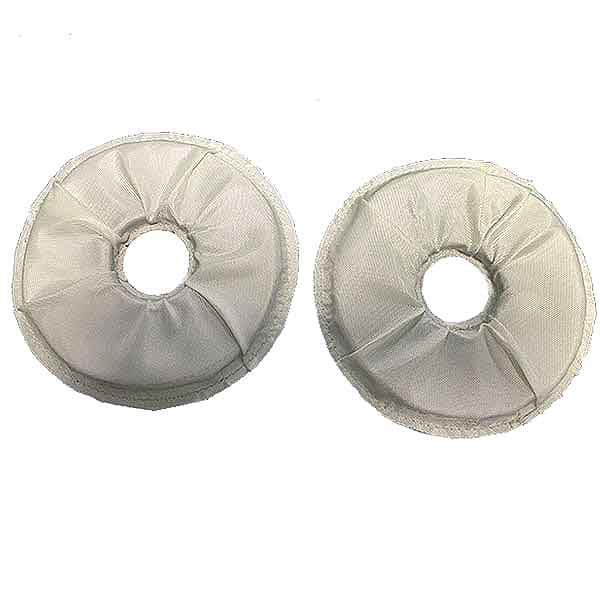
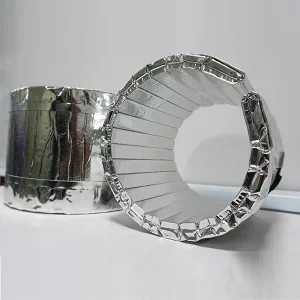
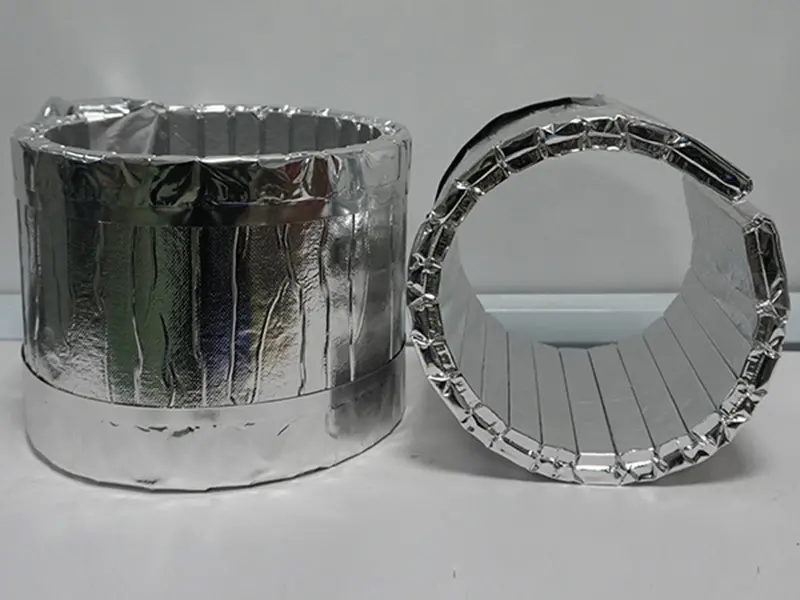
Perfectly shaped round pads and segmented blankets configured for high-temperature pipeline setups and aerospace propulsion shells.
View More +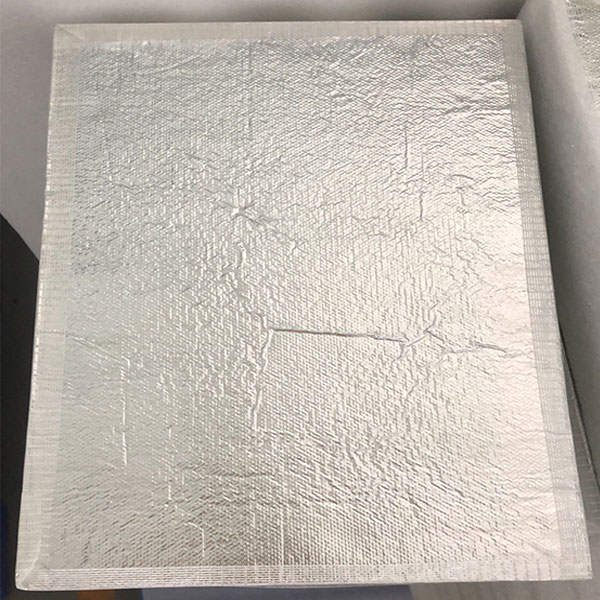
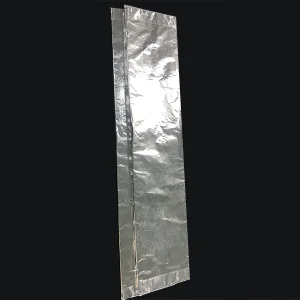
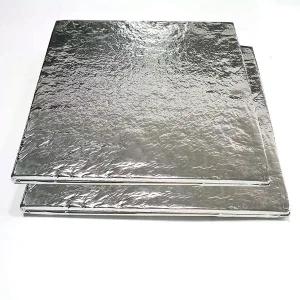
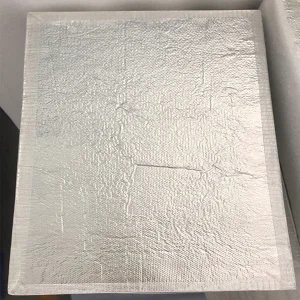
Engineered fumed silica core with thin PET film covering to protect against micro-abrasions and simplify installation handling.
View More +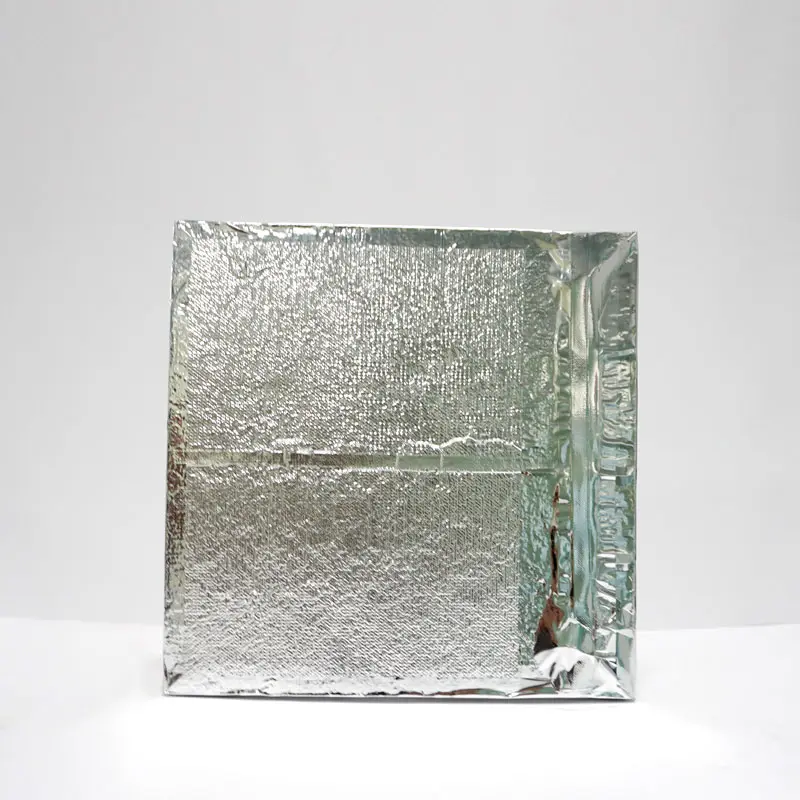
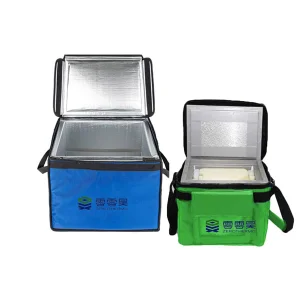
Ideal for medical containers, ultra-low temperature freezers, and long-range vaccine shipping boxes, maintaining stable inside temperatures.
View More +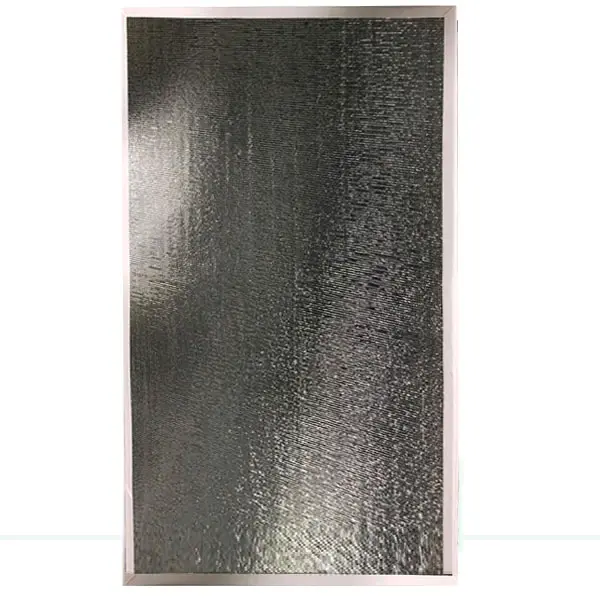
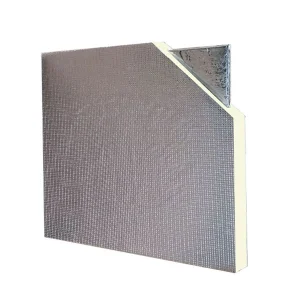
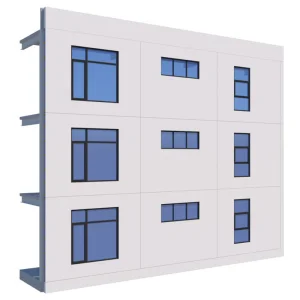
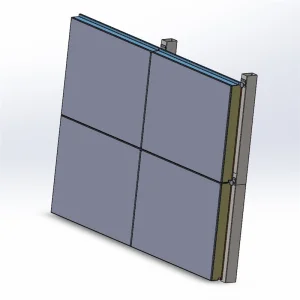
Large format vacuum insulation panel boards customized for building envelopes and passive house designs to achieve zero carbon targets.
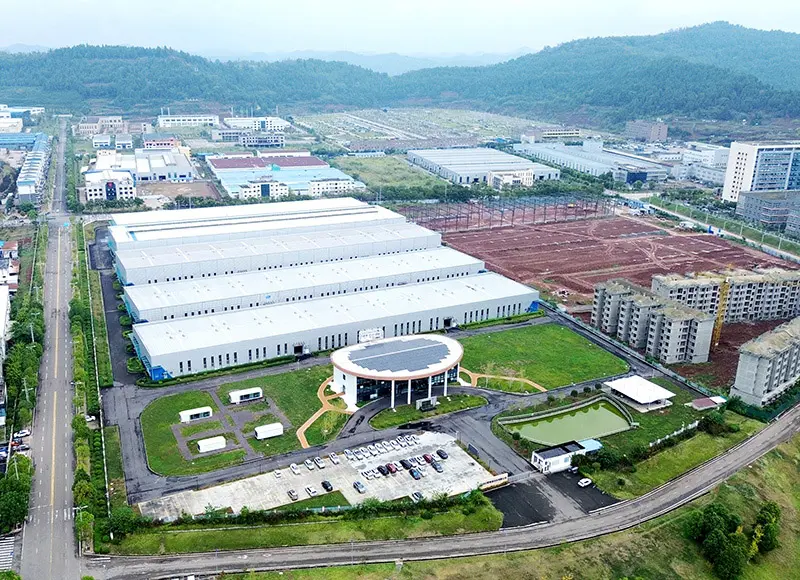
View More +Zerothermo Technology Co., Ltd., a subsidiary of CBVAC Group and a national high-tech enterprise, is headquartered in the Beijing Economic-Technological Development Area with its production base located in Nanchong City, Sichuan Province. This facility stands as one of China’s largest comprehensive production centers for vacuum technology application products.
By leveraging the immense scientific resources and manufacturing systems of the CBVAC Group, Zerothermo has developed industry-leading automated manufacturing routes for fumed silica cores, multi-layer envelope sealing, and high-precision testing machinery. We provide end-to-end thermal solutions for global customers, catering to challenging industrial parameters, low thermal conductivity specifications, and custom structural designs.

Special sizes (beyond the range of ANSI/ASME/DIN and other standards) are produced according to customers' drawings or technical parameters.

Square, oval or other special shaped flanges. - Oversize/small diameter: such as diameter over 60 inches or micro precision flanges.

Special sizes configured to exact tolerances, adhering to rigorous high-vacuum performance standards across industrial applications.

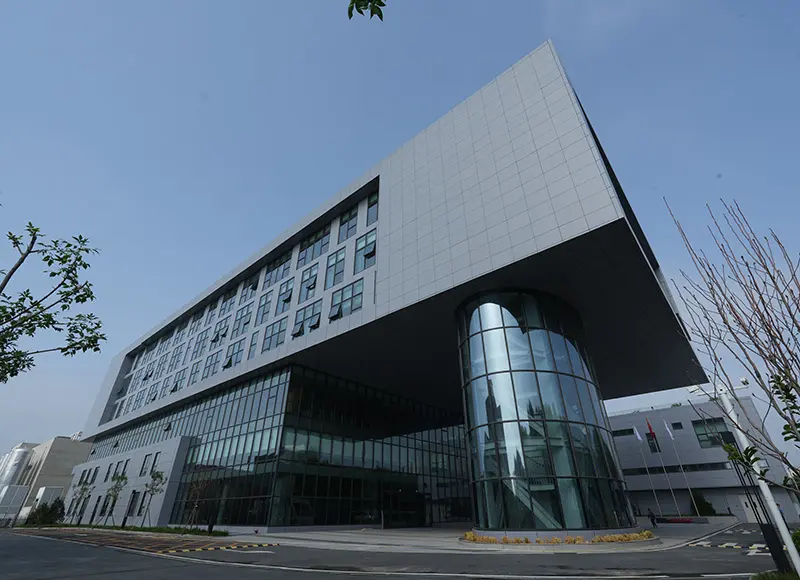


Thermal insulation requirements vary heavily across regions due to climate variations, industrial densities, and environmental regulations. Flexible Vacuum Insulation Panels (fVIPs) have emerged as the primary choice for energy transition initiatives globally, bridging the gap between mechanical spatial limitations and ambitious decarbonization targets.
In cold chain logistics, particularly for temperature-sensitive mRNA vaccines and biologics, maintaining temperatures down to -70°C is critical. Traditional thick polyurethane box envelopes reduce payload capacity by up to 50%. By deploying 20mm fumed silica vacuum insulation panels, logistics container manufacturers increase storage volume by 30-40% while maintaining holding times for over 120 hours without external power.
As cities transition toward Net-Zero Energy Buildings (NZEBs), spatial efficiency in real estate becomes a critical economic metric. Rigid thermal materials require up to 200mm of thickness to achieve required U-values. High-vacuum prefabricated wall assemblies achieve equivalent performance with only 20-30mm thickness. This saves valuable floor space, particularly in high-density urban areas like London, Tokyo, and New York.
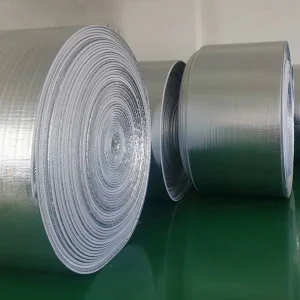
In refining, steam pipelines, and power generation, traditional silicate or mineral wool systems degrade due to moisture infiltration, leading to Corrosion Under Insulation (CUI). Flexible nano microporous blankets wrapped around piping assemblies eliminate air gaps, providing reliable moisture protection and high thermal resistance up to 950°C. This lowers utility costs and mitigates personnel burn risks.
Modern modular travel suites, eco-pods, and mobile architectural units face extreme environmental exposure. Incorporating vacuum insulated core panels into wall panels enables high-level climate comfort in remote sites, ranging from alpine resorts to desert lodges, while minimizing localized HVAC electrical demand.







Ensuring precise temperature control systems using advanced core formulations and high thermal reliability envelopes.

Empowering the construction sector to reduce carbon emissions and achieve climate neutrality with ultra-thin VIPs.

Delivering high-efficiency thermal insulation solutions for high-temperature equipment, boilers, and industrial pipe installations.

Providing insulation properties for modular mobile homes, shipping containers, and outdoor installations.
As standard fumed silica solutions reach thermodynamic limits, manufacturing roadmaps are pivoting toward hybrid architectures and greener raw materials. Next-generation flexible vacuum insulation systems focus on the following key areas:
By blending fumed silica with precise volumes of glass microfibers or aerogels, research labs are aiming for cores with higher mechanical elasticity and lower density. These composites allow panels to bend up to 180 degrees without damage. This flexibility is vital for electric vehicle battery cell packaging, protecting against puncture risks while preventing cell-to-cell thermal propagation.
In response to growing environmental regulations, research is shifting toward organic, bio-based silica cores derived from agricultural waste like rice husk ash. These materials reduce the overall carbon footprint of insulation systems and address end-of-life recycling challenges for building envelopes.
The integration of ultra-thin, wireless RFID sensors within VIP envelopes represents a significant technological leap. These smart panels allow facilities to monitor core vacuum pressures in real time, alerting operations to physical compromises or slow vacuum decay without requiring invasive inspection.



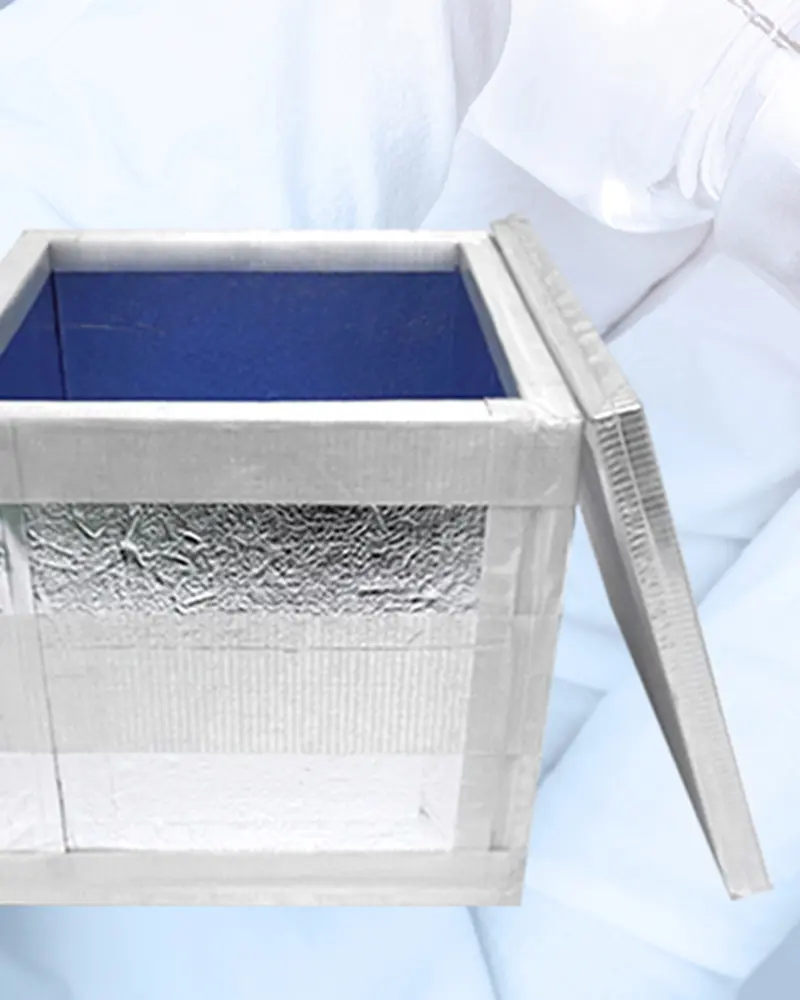
Rigid VIPs are flat, non-bendable boards that lose their vacuum if cut or curved. Flexible VIPs are engineered with quilted cores, segmented fumed silica blocks, or high-temperature nano blankets. This allows the panels to bend or wrap around cylindrical structures, battery compartments, or complex industrial machinery without losing their vacuum seals.
Fumed silica features a nanostructured pore network averaging 30-50nm, which is smaller than the mean free path of air. This suppresses gaseous heat conduction even under partial vacuum degradation. In contrast, fiberglass VIP cores require high-vacuum conditions to maintain performance. If a leak occurs, the thermal conductivity of fiberglass rises sharply to roughly 0.020 W/(m·K), whereas fumed silica remains stable at approximately 0.008 W/(m·K).
With high-barrier laminate envelopes and proprietary edge sealing technology, fumed silica VIPs are designed for a service life exceeding 30 to 50 years under standard building conditions. They maintain over 80% of their initial thermal performance over their lifespan, outlasting typical synthetic foams.
No, vacuum insulation panels cannot be cut, drilled, or punctured. The internal vacuum is critical to their high thermal performance. Cutting a panel will compromise the barrier film, letting air in and reducing its efficiency. For projects with non-standard dimensions, Zerothermo offers customized sizing and special shapes, including curved configurations and integrated holes, fabricated directly to spec.
Thermal bridging occurs where adjacent VIPs meet or along their sealed edges. To minimize this, designers use double-layer staggered joint configurations, overlapping seams, or insert specialized aerogel strip linings. For modular panels, combining fumed silica cores with protective PU foam casing provides a continuous thermal barrier.
Contact us to discuss your project requirements. Our engineering team can assist with thermal calculations, custom shapes, material specs, and logistics support.