
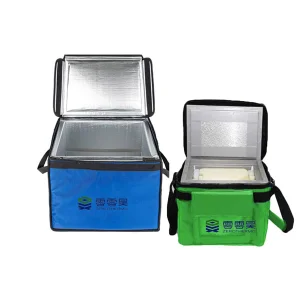
Ultra-low thermal conductivity VIPs combined with food-grade transport solutions designed for demanding cold chains.
View Details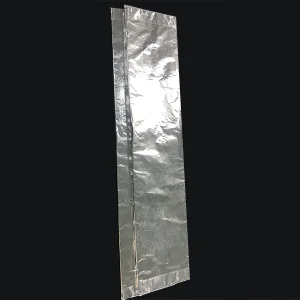
Automotive thermal runway containment blankets engineered for extreme stability under high operating cycles.
View Details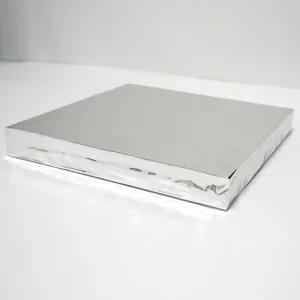
Solid-state nano-engineered refractory barriers operating efficiently up to 1000°C in demanding environments.
View Details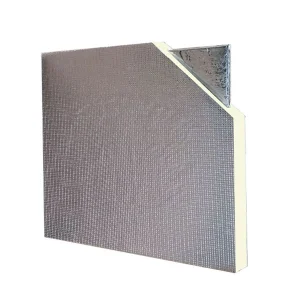
Hybrid high-durability VIPs leveraging PU core systems for lightweight cooling infrastructure and transit systems.
View Details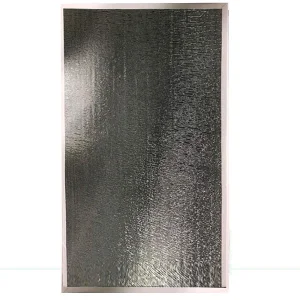
High-volume cargo and container thermal shielding boards tailored to optimize space while maintaining low K-value.
View Details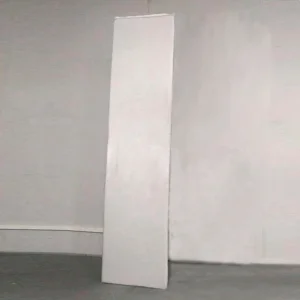
A1 class non-combustible thin panel profile engineered for extreme fire endurance in public elevator structures.
View Details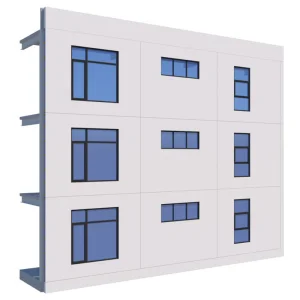
Seamless design aesthetic integrated with top-tier structural thermal barriers for fast, eco-friendly installation.
View Details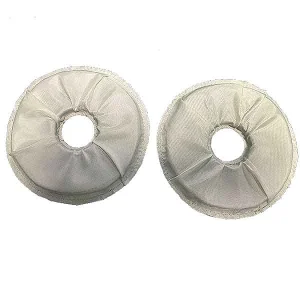
Dynamic curved wrap solutions offering superior heat barrier protection for cylindrical industrial machinery.
View DetailsIn the modern era of structural engineering and architectural design, building envelope systems are facing intense scrutiny. The demand is twofold: extreme reduction of operational carbon footprints and high-end exterior aesthetics. The solution is no longer to place aesthetic finishes over bloated insulation thickness, but to use integrated Decorative Insulation Panels. By utilizing advanced cores such as fumed silica vacuum insulation panels (VIPs) and nano-microporous composites, manufacturers can achieve structural thinness combined with unmatched aesthetic finishes.
Traditional insulation solutions like Expanded Polystyrene (EPS), Extruded Polystyrene (XPS), and Polyurethane (PU) boards require massive installation thicknesses to meet modern net-zero energy demands (R-values compliant with LEED and Passivhaus standards). This thickness compromises usable interior square footage and complicates facade detailing. In contrast, solid-state vacuum insulation panels offer thermal conductivities ($k$-value) as low as 0.0015 to 0.0025 W/m·K, allowing designers to design walls that are up to 80% thinner without sacrificing insulation quality.
By extracting gas from the internal core material (most commonly fumed silica or micro-glass fibers) and hermetically sealing it inside a high-barrier laminated envelope, the gas molecular heat transfer is almost entirely eliminated. This results in an insulation value that is roughly 5 to 10 times higher than classic materials under the exact same volume constraint.
China has grown to become the central manufacturing hub for advanced vacuum thermal materials. This is driven by deep raw material supply chains, specialized manufacturing equipment, and massive infrastructure investments. Companies like Zerothermo Technology Co., Ltd. (backed by the deep engineering heritage of the CBVAC Group) represent this manufacturing paradigm.
The manufacturing edge of Chinese operations rests on three key components:


Across the globe, governments are updating building energy regulations. The European Union’s Energy Performance of Buildings Directive (EPBD) aims for a decarbonized building stock by 2050, while China’s "dual-carbon" target (peaking emissions by 2030 and reaching neutrality by 2060) is transforming the construction sector. In this context, building materials must achieve high insulation performance while maintaining thin, space-efficient profiles.
Additionally, modular and prefabricated construction methods are growing rapidly. Because prefabricated components are built off-site, materials must be thin and structurally sound. Decorative insulation panels integrate the exterior finish and thermal layer into a single panel, which reduces site assembly times, lowers labor costs, and eliminates the risk of incorrect thermal layer application.
High-performance thermal barriers are finding applications beyond structural building facade envelopes. In New Energy Vehicles (NEVs), safety concerns around thermal runaway in high-capacity lithium battery packs have driven the adoption of customized battery insulation blankets. These nano-microporous barriers restrict cell-to-cell thermal propagation, protecting the vehicle cabin during events.
Likewise, the cold chain transport logistics network relies on VIP thermal boxes to move temperatures-sensitive vaccines and biological therapeutics globally. Traditional cold boxes rely on ice packs that take up valuable transport space. VIP-equipped logistics boxes provide reliable temperature holds for over 120 hours without external power, reducing transit losses and shipping costs.
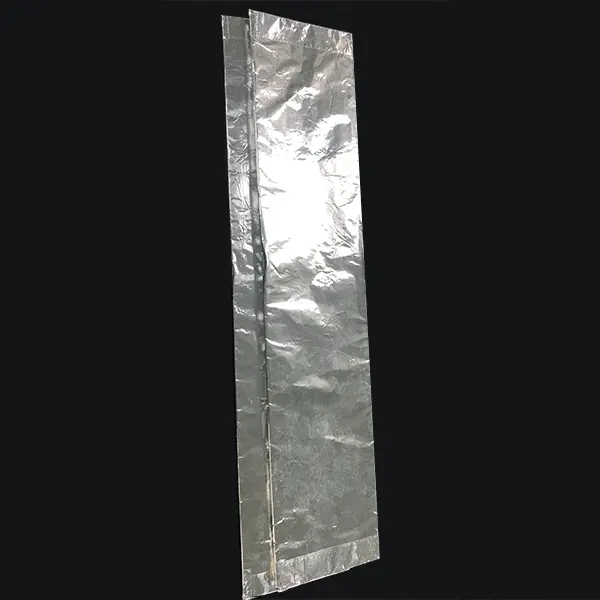
Thickness range from 5mm upwards, customized to exact vehicle architecture to control cell thermal propagation.
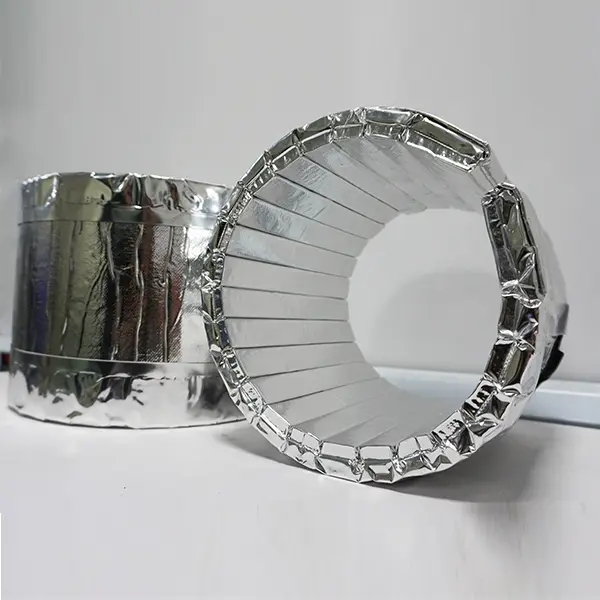
Engineered for high-temp industrial environments where water contact or moisture ingress is an active threat.
Superior temperature barriers suitable for heavy-duty industrial furnaces and metallurgical applications.
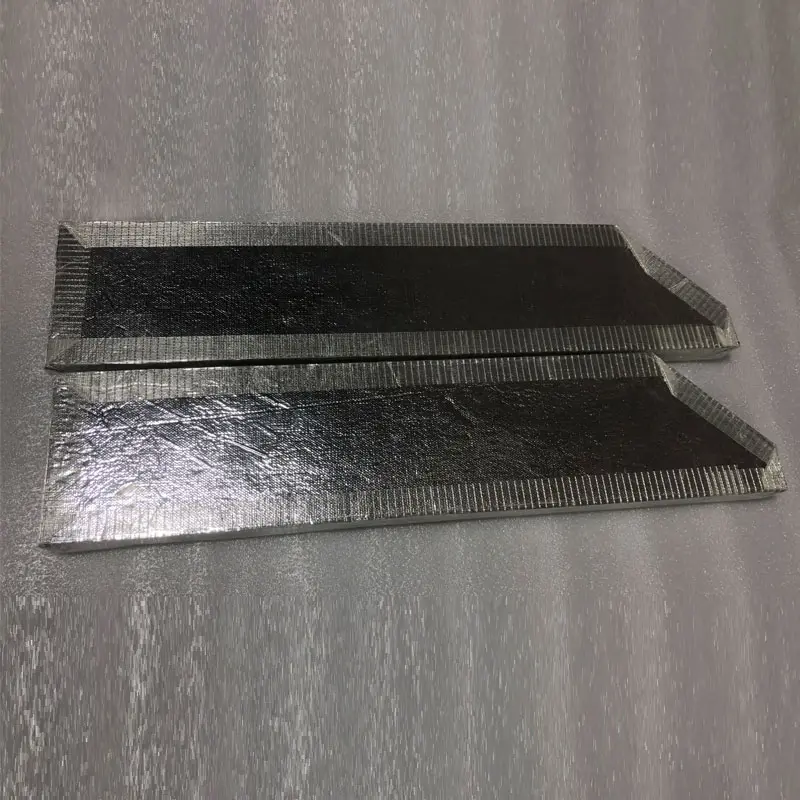
Optimized 3D geometry vacuum panels custom-manufactured to wrap around complex pipelines and structural profiles.
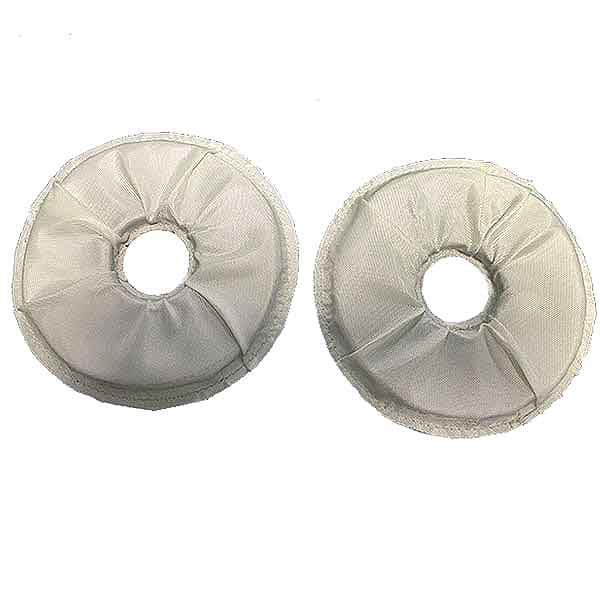
Flexible heat shields and mats tailored for complex, curved geometry components in industrial systems.
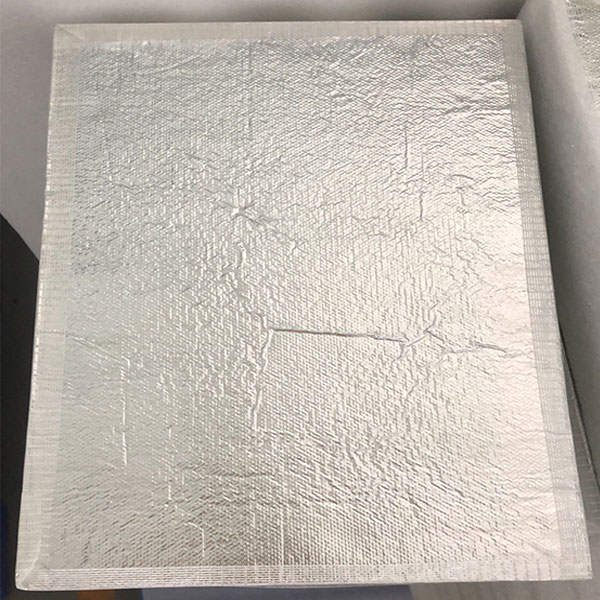
High-efficiency VIP cores designed to deliver stable, long-term thermal resistance in architectural walls.
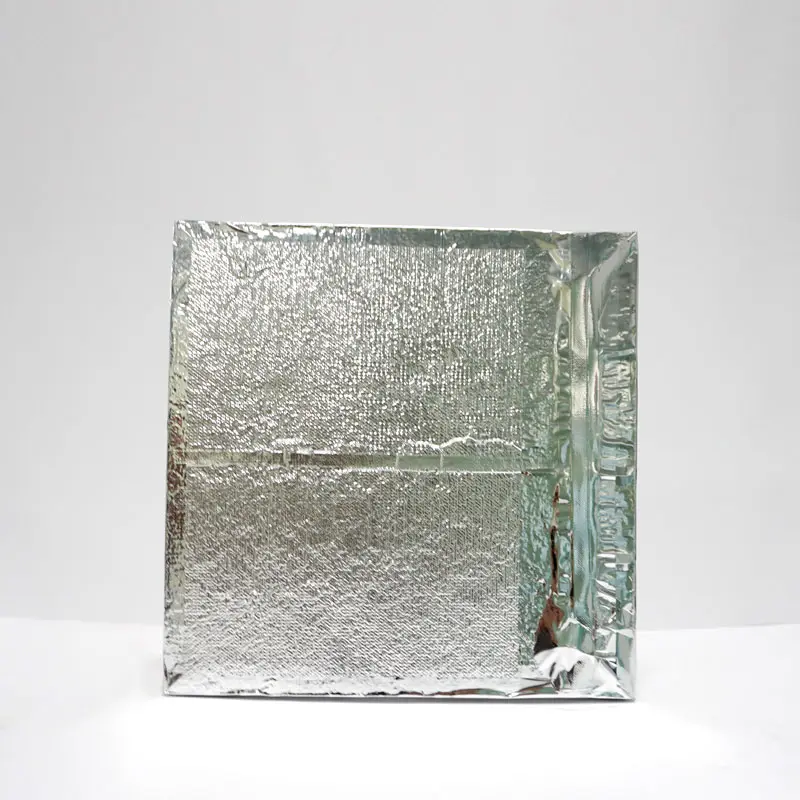
Robust vacuum thermal packaging designed for bio-pharma logistics and food transport supply chains.
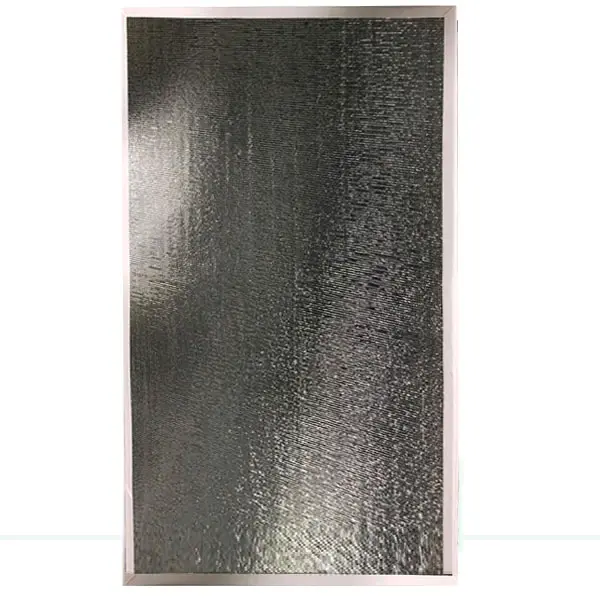
Large-format vacuum insulation panels tailored to optimize container space and simplify modular setups.
Zerothermo Technology Co., Ltd., a subsidiary of the CBVAC Group and a national high-tech enterprise, is headquartered in the Beijing Economic-Technological Development Area, with its primary production base located in Nanchong City, Sichuan Province. This facility is one of China’s largest and most comprehensive manufacturing sites for vacuum technology application products.
We combine advanced vacuum engineering, materials science, and structural design. Leveraging CBVAC’s decades of vacuum experience, we manufacture ultra-thin, low-conductivity thermal management products that serve sectors worldwide, including green architecture, cold chain packaging, clean industrial furnaces, and new energy vehicles.


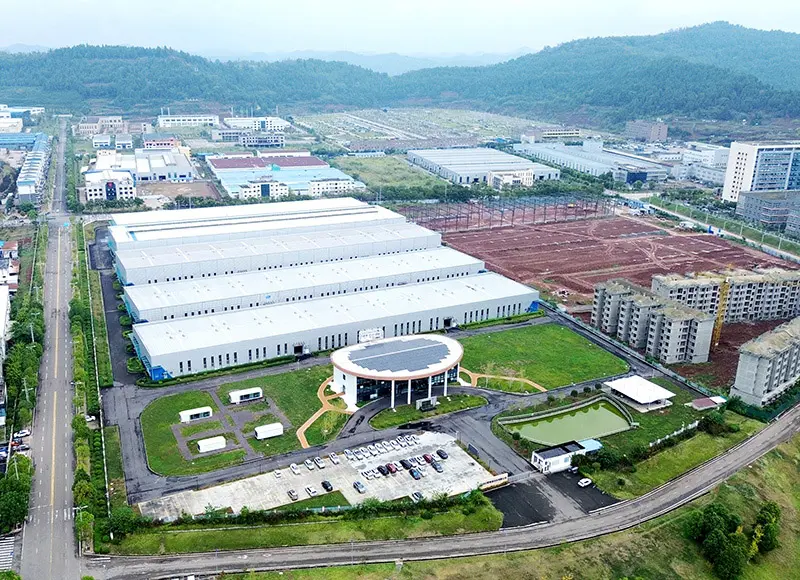

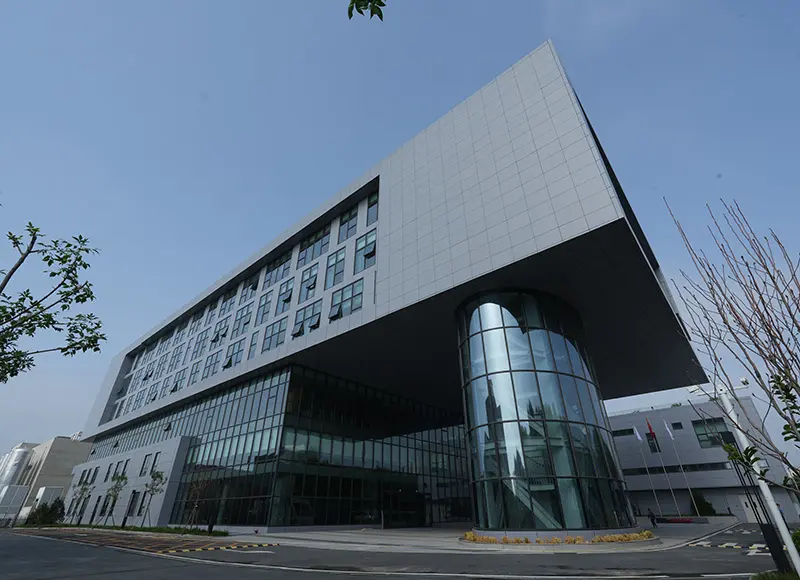

Our manufacturing lines operate under rigorous quality control frameworks, meeting strict global certifications for dimensional tolerances and thermal values.

We customize insulation thickness, core density, structural skins, and physical dimensions to match specific project requirements.

Our continuous, automated vacuum-sealing lines scale production capacity while maintaining product reliability and consistency.

We work with international logistics partners to ensure fragile vacuum-sealed components arrive safely at project sites worldwide.

We provide full engineering support, lifetime thermal degradation analysis, and installation guidance to build lasting client partnerships.



Thin vacuum envelope installation to meet strict cleanroom temperature control requirements.

Modern architectural cladding integration using fumed silica VIP insulation boards.
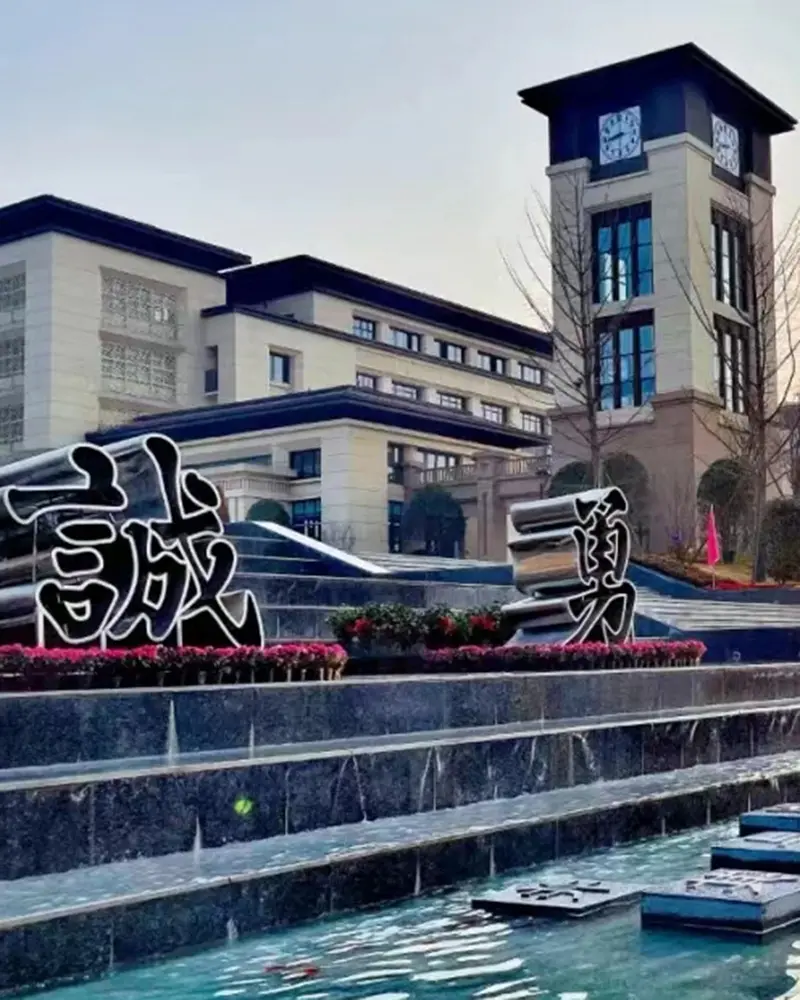
Thermal retrofitting project upgrading institutional wall assemblies to meet A-class fire and insulation rules.
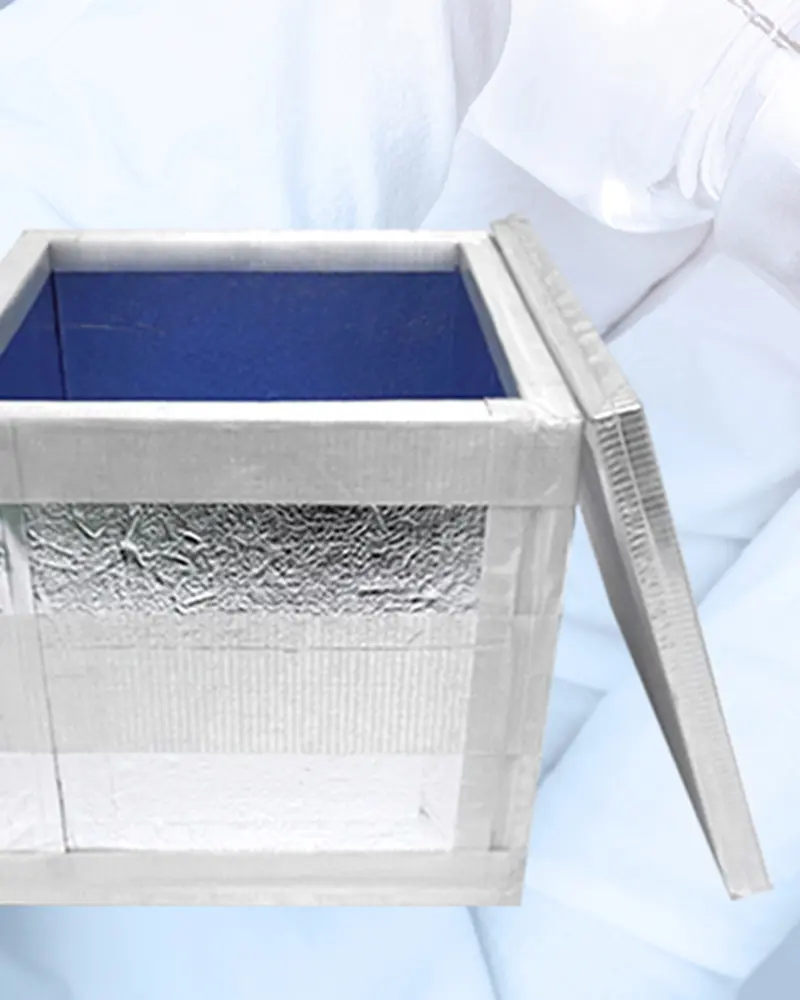
Supplying pharmaceutical logistics networks with high-integrity VIP vaccine containers.
Purchasing high-performance insulation panels requires verifying core technical specifications. Because vacuum insulation panels (VIPs) rely on a sealed internal vacuum, quality issues can lead to performance loss over time. Engineering and purchasing teams should pay close attention to the following factors:
Over time, small gas and moisture molecules can pass through the laminated outer envelope. To maintain the vacuum, quality VIPs use integrated "getter" materials inside the core. These materials absorb residual gases and water vapor, keeping the internal pressure low and maintaining the panel's low thermal conductivity ($k$-value) for decades.
Traditional metal brackets or joints can create pathways for heat transfer, compromising the thermal efficiency of the wall assembly. Specifying engineers should look for integrated, non-conductive mounting systems or overlapping joint profiles that maintain a continuous thermal barrier across the facade.
Fumed silica cores offer high stability and durability, maintaining low thermal conductivity even if the vacuum envelope is slightly compromised. They are also non-combustible. Fiberglass cores offer lower initial cost and good initial R-values, but are more sensitive to moisture and vacuum loss over time. Understanding this distinction is key to choosing the right solution for the project's lifetime requirements.
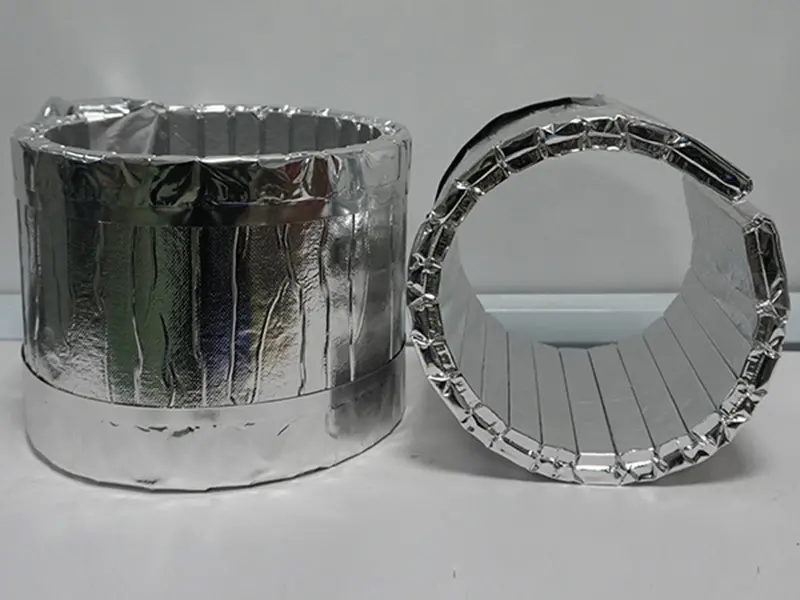
An in-depth look at how ultra-thin microporous layers prevent heat transfer in fire-rated elevator doors.
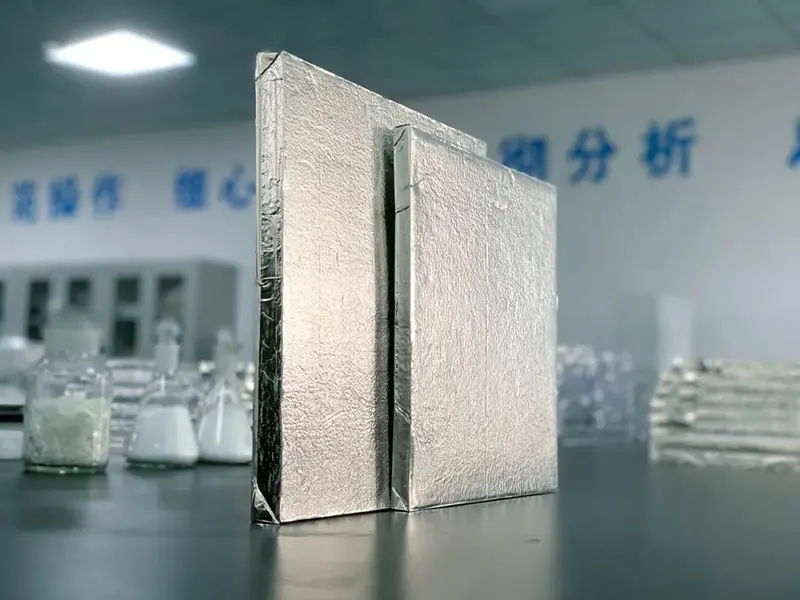
Showcasing our newest vacuum insulation panels and custom architectural cladding line to international buyers.
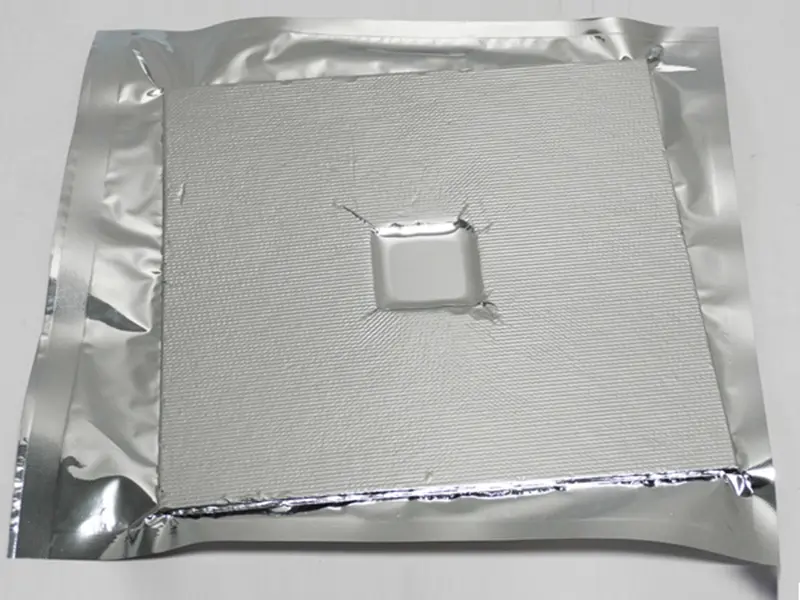
Reviewing recent improvements in thermal performance and durability for materials operating above 800°C.
We provide full structural and thermal modeling services to help integrate our vacuum insulation panels and decorative components into your projects. Reach out to our technical team for custom configurations, material inquiries, or detailed pricelists.






Thin vacuum panels designed for refrigeration units, deep-freeze environments, and residential construction envelopes.
View Details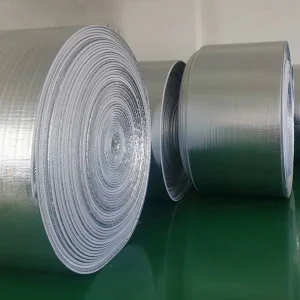
Reflective foil-faced thermal insulation rolls, designed for roof assemblies to control heat absorption.
View Details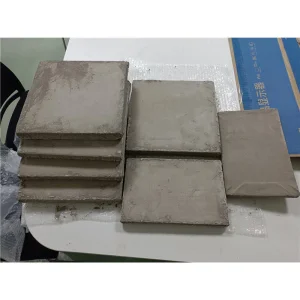
Heavy-duty, structurally reinforced VIPs designed to withstand mechanical stress during handling and installation.
View Details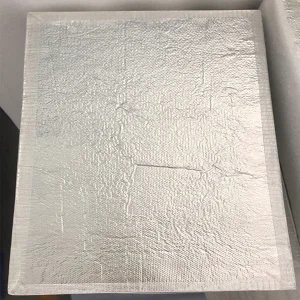
Fumed silica core vacuum panels with dynamic PET barrier film for moisture protection and long-term thermal control.
View Details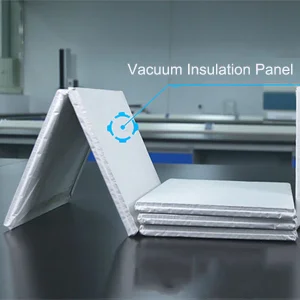
Thin, high-performance thermal shield boards for building wall upgrades and new construction envelopes.
View Details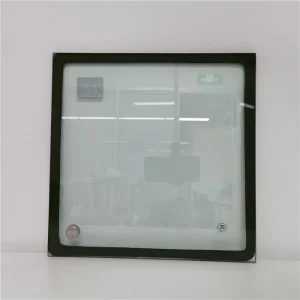
Double-sealed structural glazing utilizing vacuum thermal barriers to minimize edge thermal bridging.
View Details
Integrated facade components combining structural strength, insulation, and outer finish in one modular panel.
View Details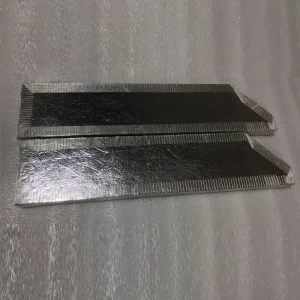
Custom-shaped fumed silica vacuum insulation panels wrapped with multi-layer PET barrier film for pipelines and equipment.
View Details
