
Featured Chicago Thermal Infrastructure Solutions

Elevator fire door safety systems engineered to withstand intense thermal stress in Chicago commercial developments, offering unmatched resistance.
View Details →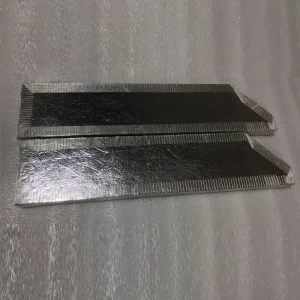
Custom core shapes wrapped with premium PET protective films, providing optimal thermal efficiency for space-restricted urban layouts.
View Details →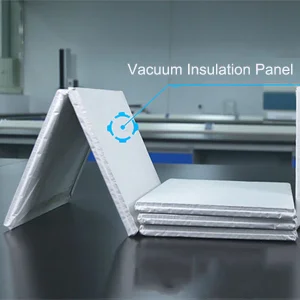
High-grade construction thermal barrier sheets tailored for standard drywalls and concrete frames throughout the Great Lakes region.
View Details →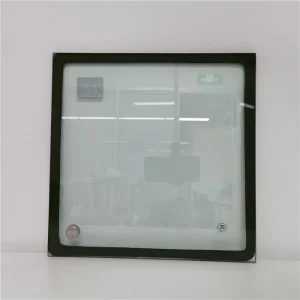
Superior strength, double-sealed vacuum glass configurations meeting heavy wind loads and strict energy efficiency codes in Chicago.
View Details →Strategic Technical Whitepaper
The architectural landscape of Chicago—defined by its iconic high-rise skyline, dense urban transit lines, and sprawling logistics facilities near O'Hare Airport—poses exceptional demands for passive fire protection (PFP) and thermal performance. Navigating these requirements involves reconciling severe seasonal temperature swings (ranging from sub-zero winter chills to hot, humid summers) with stringent building safety codes inherited from a historical legacy of structural fire prevention. Modern structures in Chicago require thermal envelopes that are space-saving, low-maintenance, and fully compliant with the Chicago Municipal Code, NFPA Standards, and ASTM E119 requirements.
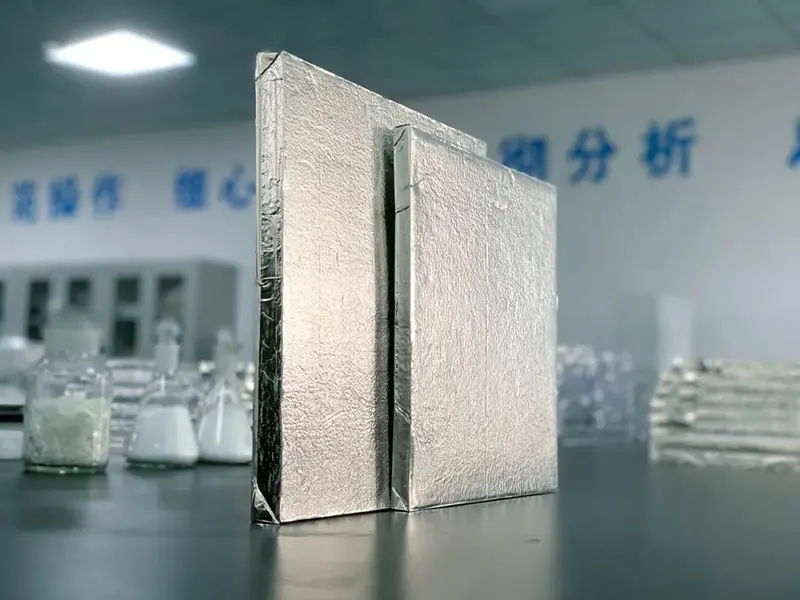
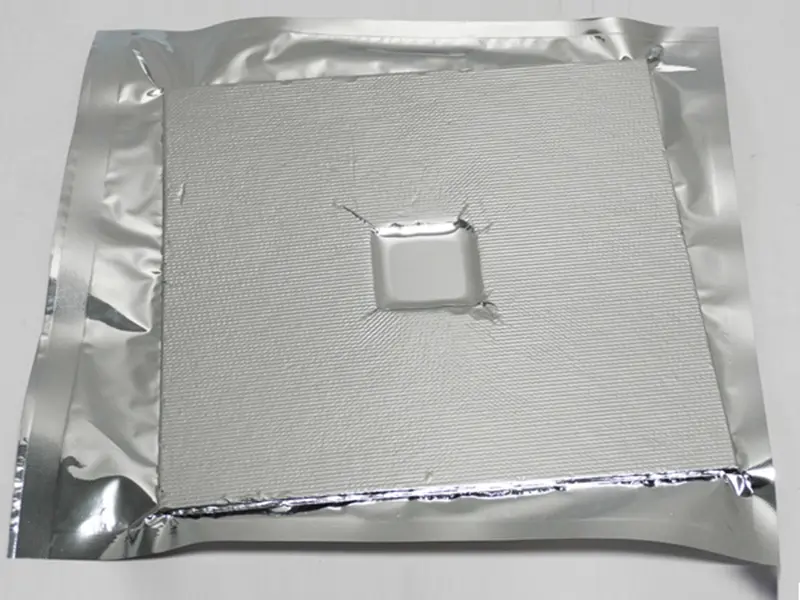
Traditional insulation materials, such as standard fiberglass and mineral wool, are increasingly proving inadequate due to their substantial bulk. When dealing with premium downtown Chicago commercial real estate, every inch of space counts. Standard installations often require thick, cumbersome layers to achieve acceptable R-values, which in turn reduces usable indoor square footage. In contrast, vacuum insulation panels (VIPs) and nano-microporous panels achieve equivalent thermal performance at a fraction of the thickness, offering a highly efficient design alternative that maximizes rentable area while providing robust fire barriers.
Chicago’s skyscrapers are subject to unique chimney-effect dynamics (stack effect) where air flows vertically through elevator shafts, stairwells, and service conduits. In the event of a structural fire, this physical phenomenon can rapidly accelerate the spread of smoke and heat. Passive fire protection systems, particularly elevator shaft assemblies and fire door cores, must be capable of resisting thermal transmission for extended ratings of 1, 2, or up to 4 hours. By implementing nano-microporous core panels, building designers can secure a highly uniform barrier against extreme heat, ensuring structural integrity and providing building occupants with vital evacuation windows.
Bespoke Project Engineering
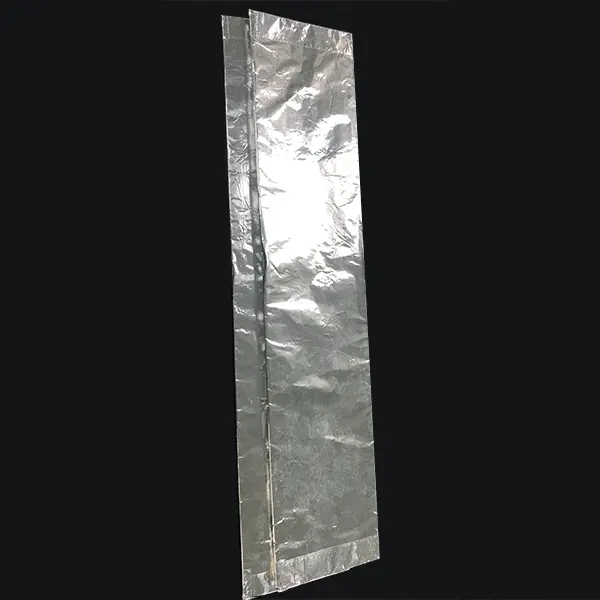
Size: Customized | Thickness: 5-50mm. Specially optimized for high thermal run-away protection in cold climates.
View More +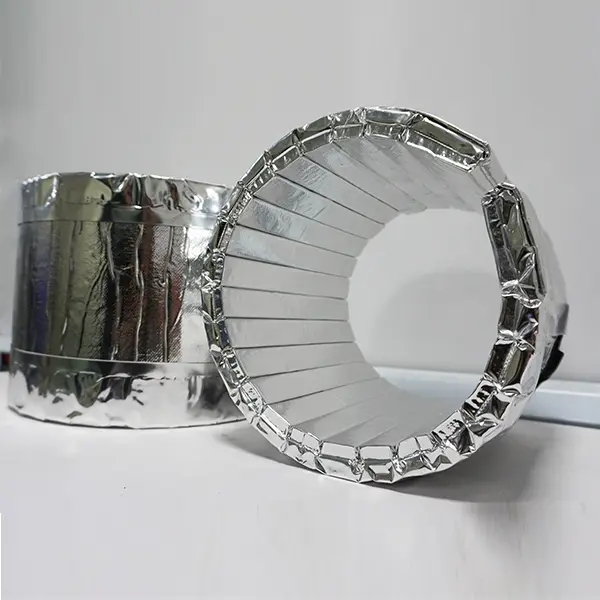
Size: Customized | Thickness: 5-50mm. Water-repellent surface treatment ideal for damp subterranean Midwest conditions.
View More +
Specifically engineered nano-microporous cores tailored to standard American elevator door fabricators.
View More +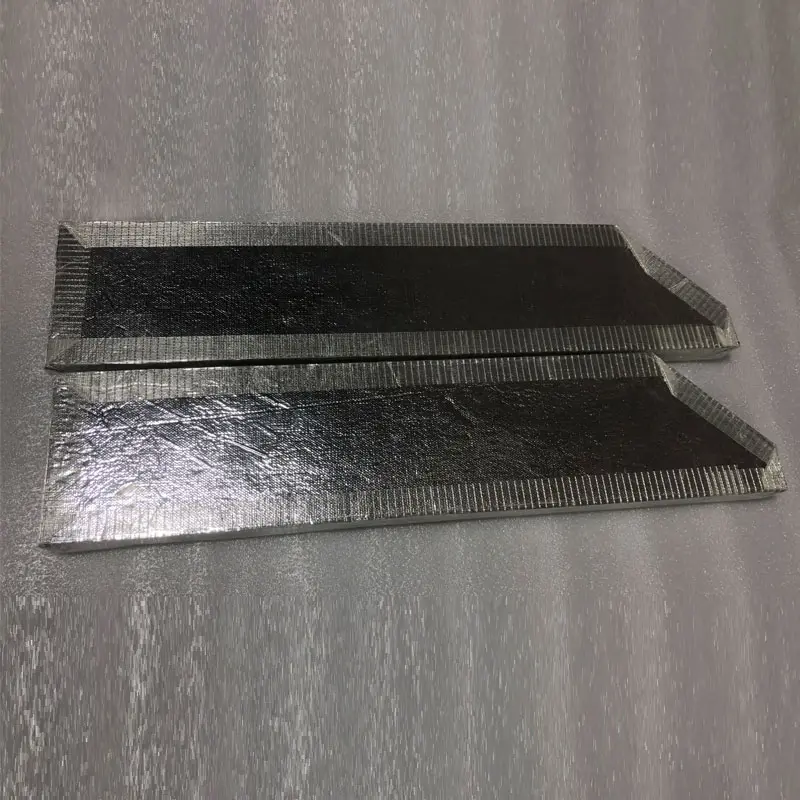
Advanced vacuum panels shaped to fit specific profiles, piping conduits, and custom architectural envelopes.
View More +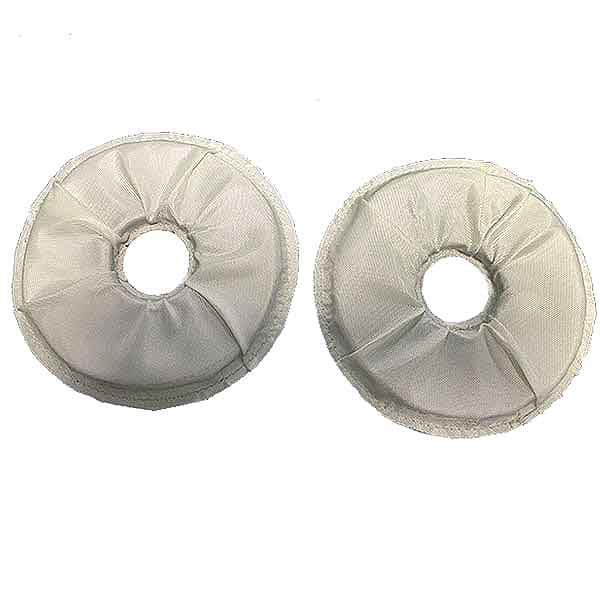
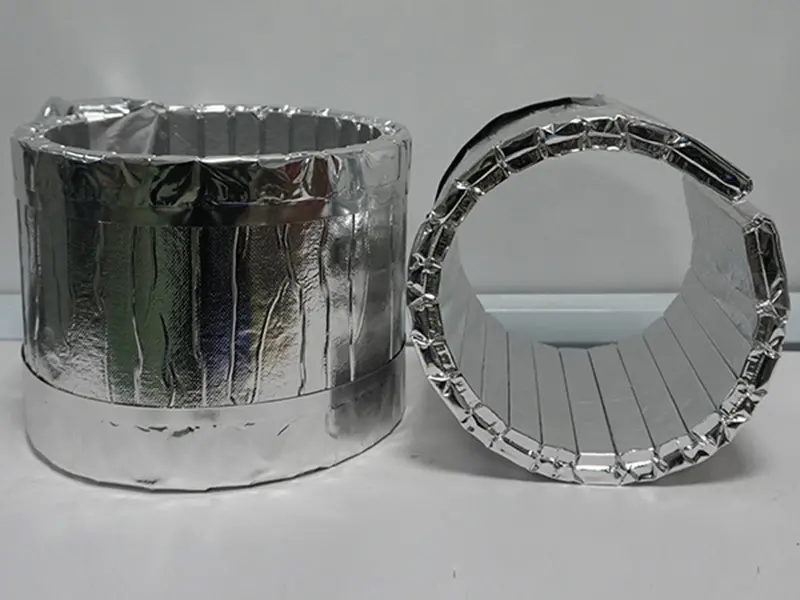
Flexible insulated blankets engineered for curved high-temperature machinery piping in industrial processing plants.
View More +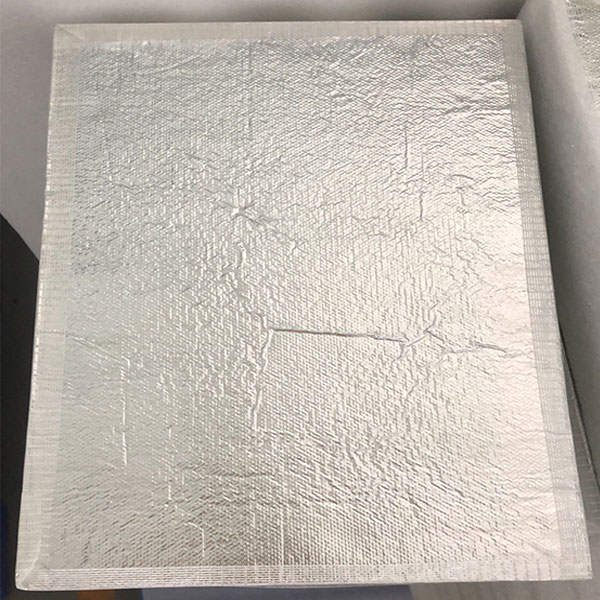
Optimal core formulations designed for cold-chain logistic containment walls and ultra-efficient HVAC ducts.
View More +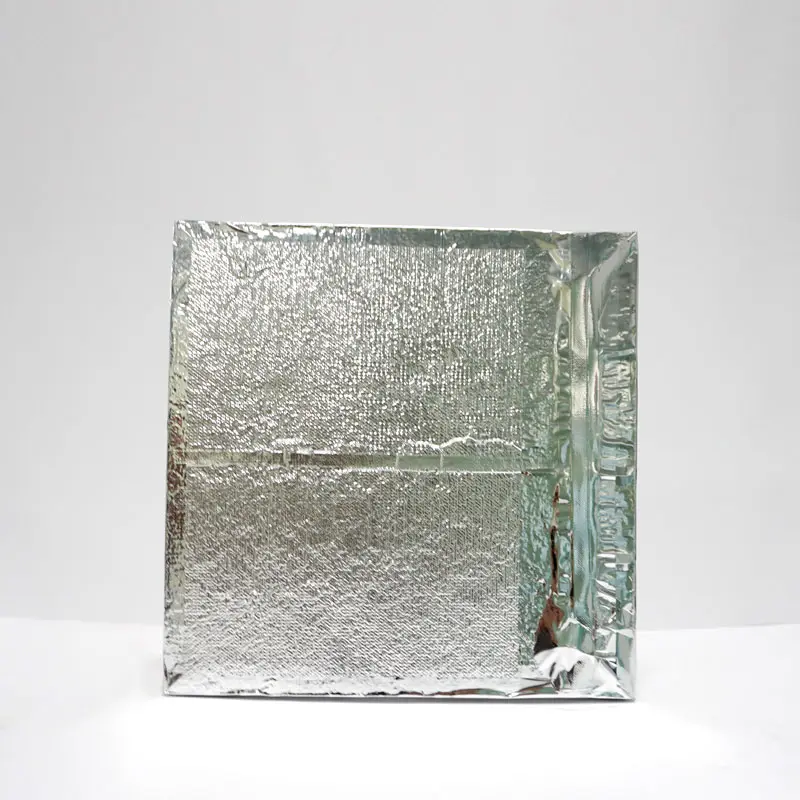
Providing superior cold retention capabilities for medical, biological, and deep-freeze logistics units.
View More +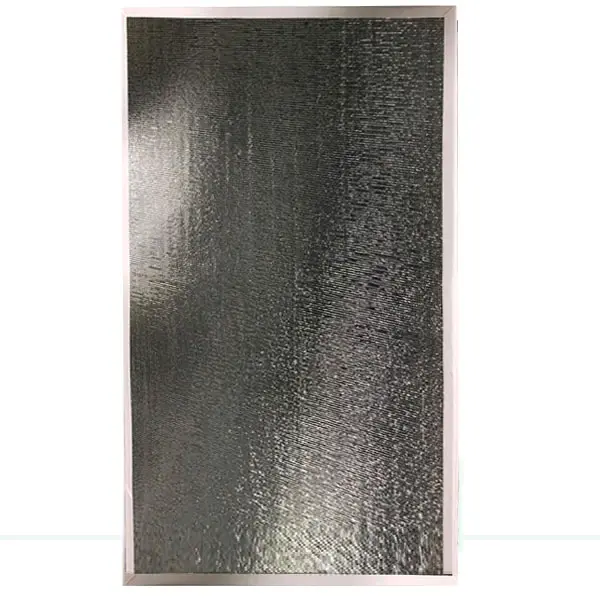
Large format panels designed for structural transport systems, maritime containers, and large cold storage units.
View More +About Us
Zerothermo Technology Co., Ltd., a subsidiary of CBVAC Group and a national high-tech enterprise, is headquartered in the Beijing Economic-Technological Development Area with its production base located in Nanchong City, Sichuan Province. This facility stands as one of China’s largest comprehensive production centers for vacuum technology application products.

Special sizes (beyond the range of ANSI/ASME/DIN and other standards) are produced according to customers' drawings or technical parameters.

Square, oval, or other special shaped flanges. - Oversize/small diameter: such as diameter over 60 inches or micro precision flanges.

Global supply chain integration ensures on-time freight forwarding with certified conformity matching ISO standards.





Technical Analysis & Engineering Guidelines
At the heart of Zerothermo’s competitive advantage is the advanced manipulation of the Knudsen effect in nano-scale pores. The primary source of thermal transmission through traditional materials is gas-phase conduction. However, when the pore sizes within the material core are engineered to be smaller than the mean free path of air molecules (typically under 70 nanometers), the air molecules can no longer collide with one another to transfer thermal energy.
This microstructural mechanism achieves an extremely low thermal conductivity of approximately 0.004 W/(m·K) for vacuum insulation panels and under 0.018 W/(m·K) for high-temperature nano-microporous panels at ambient conditions. Consequently, our systems provide superior fire barriers and space-saving efficiency compared to standard foam or fiber insulation.
When subjected to a simulated ASTM E119 fire curve testing environment (rising to over 1000°C within 2 hours):
Our Technology

Precision-controlled vacuum seal testing and core stability validation for reliable operation under high thermal stress.

Bespoke panel dimensions, shape wrapping, and surface treatments tailored to Chicago construction schedules.

State-of-the-art automated manufacturing lines capable of fulfilling high-volume commercial real estate developer requests.

Integrated global shipping networks handling secure, shockproof deliveries directly to project sites across Chicago.

Providing comprehensive technical support, product documentation, and custom architectural layouts for commercial structures.
Strategic Applications
Empowering cold chain facilities with high-efficiency thermal insulation cores to reduce ambient heat infiltration. Ideal for medical storage systems and sensitive biological transport containers.
Optimizing structural insulation in modern high-rises by integrating vacuum insulated panels with high-strength tempered glass units. Reduces thermal bridging and lowers building energy consumption.
Providing robust thermal barriers for furnace linings, industrial boilers, and exhaust pipelines. Increases operational safety while reducing thermal dissipation losses.






Case Studies

Integrated vacuum glass panels to reduce structural weight and meet municipal energy codes.

High-efficiency VIP installation providing consistent temperature control for logistics bays.

Retrofitting structural partitions with eco-friendly fire barrier panels for enhanced safety.
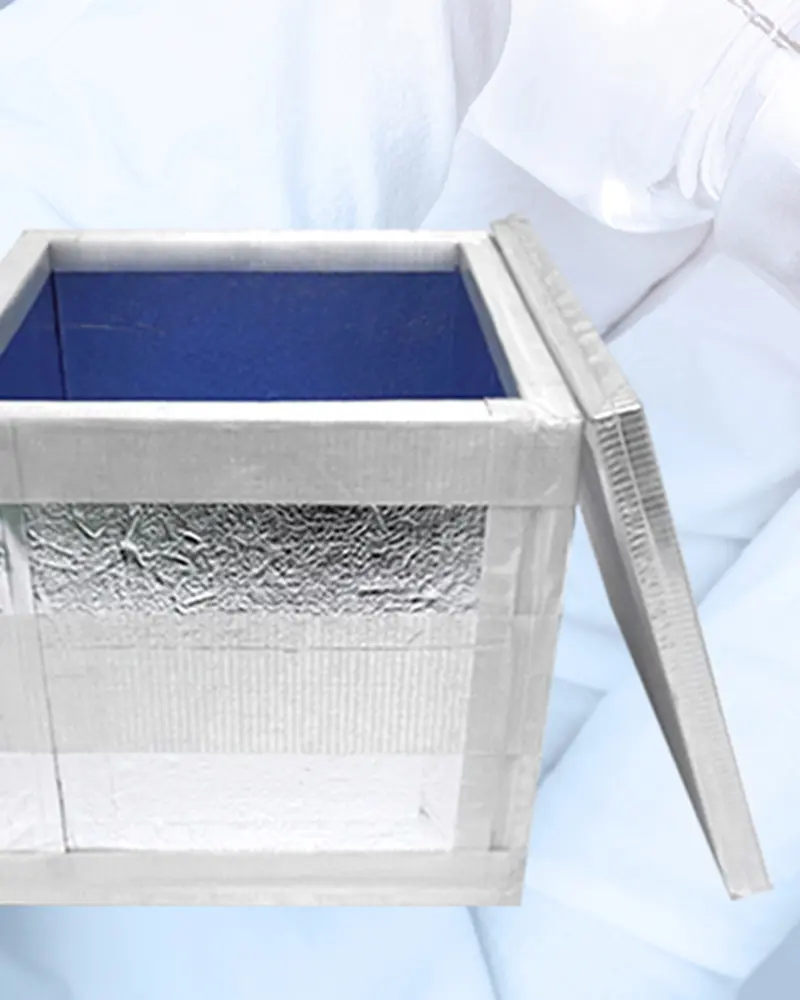
Vacuum-insulated temperature transport boxes designed to support cold-chain clinical research.
Regulatory Compliance & Local Logistics
Deploying building insulation and passive fire protection systems within Chicago’s municipal jurisdiction requires complete compliance with Title 14B of the Chicago Building Code. This code adopts and amends the International Building Code (IBC), enforcing strict flame spread indexes, smoke development limits, and structural heat transmission standards. Furthermore, structural fire assemblies must undergo rigorous testing under UL 263 / ASTM E119 protocols, which simulate severe architectural load and intense heating scenarios.
Unlike conventional foam plastic insulation, which can release toxic gases and melt when exposed to high heat, our nano-microporous and vacuum insulation panels are primarily composed of non-combustible inorganic materials, such as fumed silica. This composition ensures that Zerothermo panels remain structurally stable at temperatures up to 1100°C without contributing to flame propagation or hazardous smoke release.
This outstanding level of safety is essential for high-occupancy environments, including high-rises in the Chicago Loop, healthcare facilities in the Illinois Medical District, and educational centers. Architects, specifiers, and contractors can use our comprehensive technical data sheets to support project reviews by the Chicago Department of Buildings (DOB), helping to streamline the permitting process for complex designs.
Technical & Commercial Q&A
Technical Insights
Complete Industrial Catalog
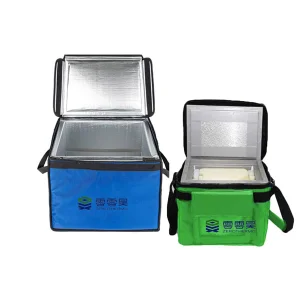
Fumed silica VIP-insulated cooler containers designed to maintain stable temperatures for sensitive bio-logistics.
View Details →
High-efficiency insulation panels developed to protect temperature-sensitive materials during transit.
View Details →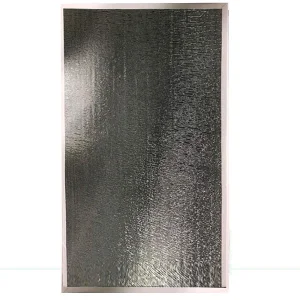
Large-format fumed silica insulation panels designed to optimize cargo volume and thermal protection.
View Details →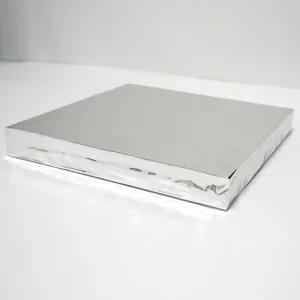
Industrial insulation boards engineered to withstand high thermal loads in heating and processing applications.
View Details →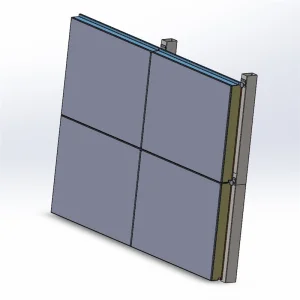
Pre-engineered structural wall panels designed to speed up installation and improve thermal envelope ratings.
View Details →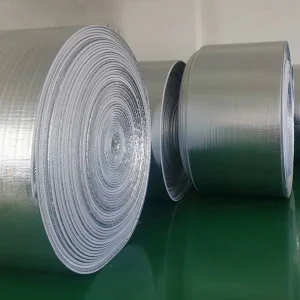
Foil-faced thermal insulation panels designed to reflect radiant heat in industrial roof assemblies.
View Details →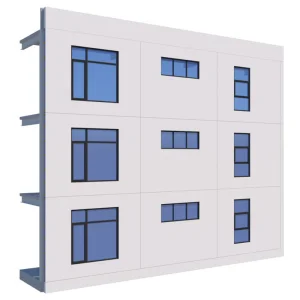
Integrated wall panels combining decorative exterior finishes with high-performance insulation cores.
View Details →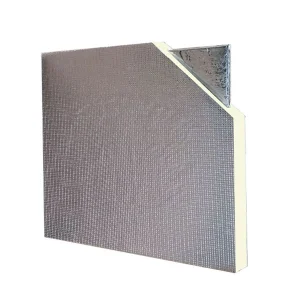
Composite insulation panels featuring polyurethane foam jackets for added durability in mobile transport units.
View Details →Get in Touch
We provide comprehensive vacuum insulation and passive fire protection solutions. Contact our engineering team for design assistance, custom dimension requests, and current pricing sheets.


