
Industry-leading vacuum insulation panels (VIPs) engineered for optimal thermal conductivity, mechanical resilience, and structural versatility.
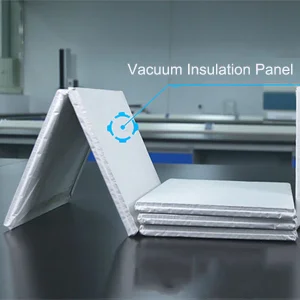
Highly effective thermal wall VIP systems customized to boost building insulation performance while saving valuable spatial real estate.
Explore Tech Details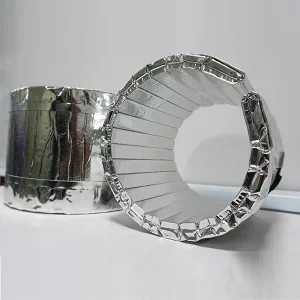
Superior heat retention blankets utilizing advanced nano micropores to significantly decrease thermal energy loss in storage tanks.
Explore Tech Details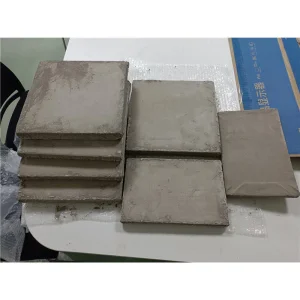
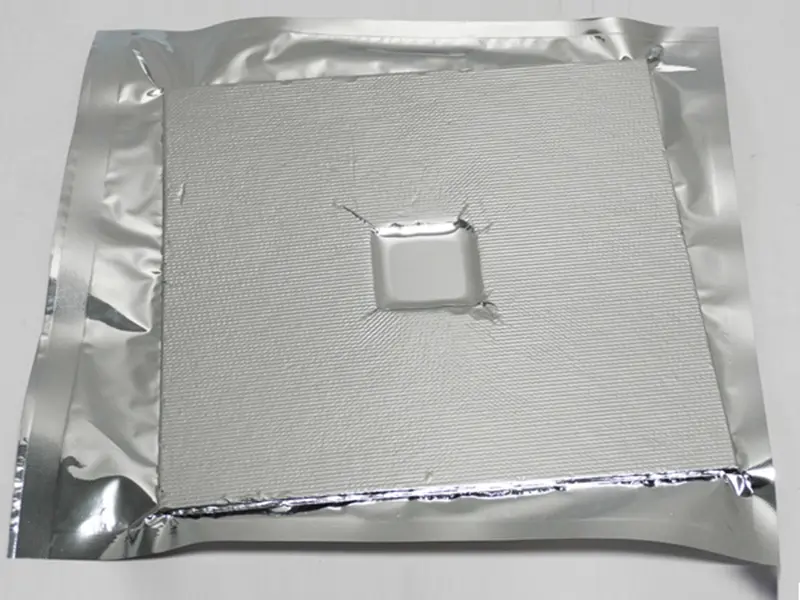
Reinforced vacuum panels structured to offer high mechanical durability alongside ultra-low heat transmission for demanding architectural needs.
Explore Tech Details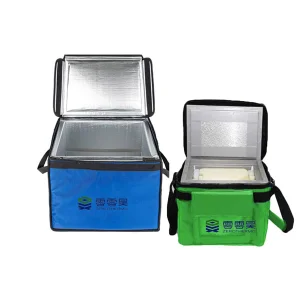
Cold chain logistics shippers integrated with fumed silica VIPs for medical vaccine storage and food temperature regulation.
Explore Tech Details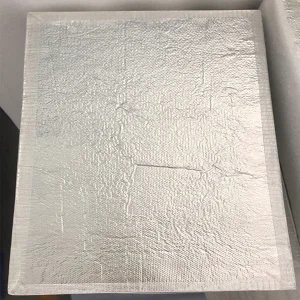
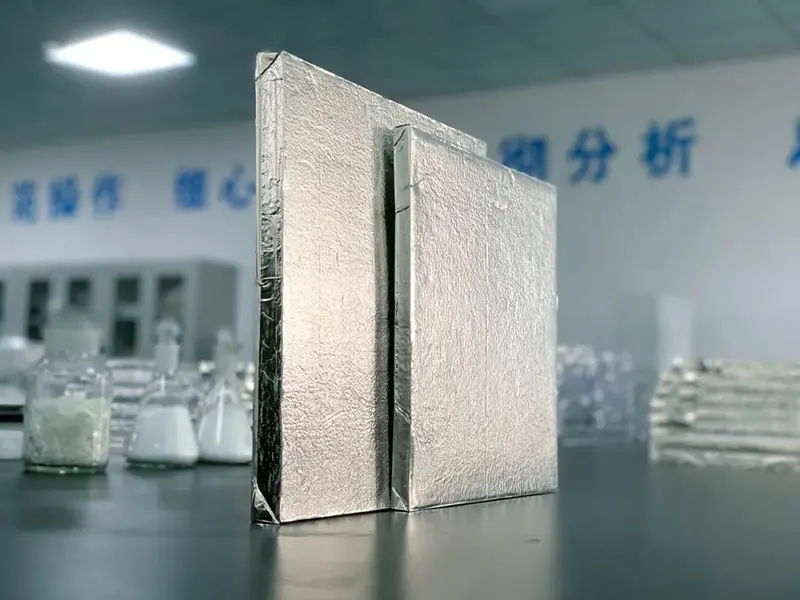
Core fumed silica VIPs covered in durable PET protective film layers, minimizing heat transmission to unprecedented limits.
Explore Tech Details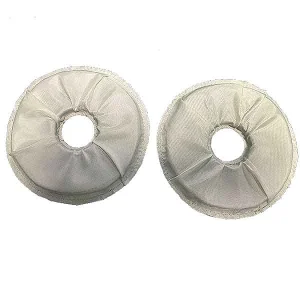
Tailored round high-temperature flexible nano mats designed specifically to insulate non-linear industrial process pipework.
Explore Tech Details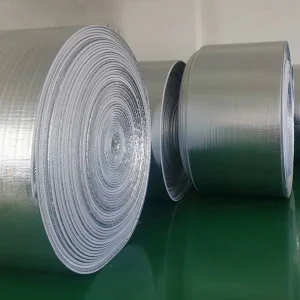
Reflective metal aluminum foil rolls designed for radiant roof thermal insulation and high-efficiency building retrofits.
Explore Tech Details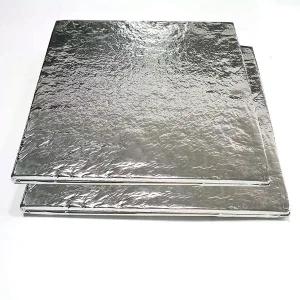
Fibreglass core vacuum insulation panels providing superior energy rating compliance for commercial appliances and buildings.
Explore Tech DetailsThermal transmission in porous insulation materials occurs via three main vectors: solid conduction, gas conduction, and radiation. In standard materials such as polyurethane foam or expanded polystyrene (EPS), gas conduction dominates due to the atmospheric air trapped inside cell micro-cavities. Vacuum Insulation Panels (VIPs) virtually eliminate this major thermal transfer mode by evacuation, bringing the core's interior pressure down to a fine range between 1 and 10 mbar.
By applying the Knudsen Effect, when the mean free path of gas molecules becomes larger than the structural pore dimensions of the core, molecular collisions are restricted. The fumed silica core's nanoscale structure, with pore diameters averaging 10 to 20 nm, easily blocks molecular gas conduction even at partial vacuum levels. As a result, VIP thermal conductivity values drop to as low as 0.004 W/(m·K) to 0.005 W/(m·K). This performance is roughly five to ten times better than typical polymer foams.
Core material choice defines the panel's performance profile, pricing structure, and aging cycle. Fumed silica cores offer high thermal stability and maintain their insulating properties even when vacuum degradation occurs slowly over several decades. Fiberglass cores offer lower initial thermal conductivity values but require higher vacuum pressures (< 1 mbar) and are more susceptible to performance loss over time without high-barrier barrier films.
| Core Material Type | Core Pore Size | Initial Conductivity | Expected Lifespan |
|---|---|---|---|
| Fumed Silica Core | 10 - 20 nm | 0.004 W/(m·K) | Up to 50 Years |
| Fiberglass Core | 1 - 10 µm | 0.0015 W/(m·K) | 10 - 15 Years |
| PU Rigid Foam | 30 - 150 µm | 0.022 W/(m·K) | Varies (Aging) |
| Aerogel Blanket | 10 - 40 nm | 0.015 W/(m·K) | Up to 30 Years |
Note: Values are measured at 25°C mean temperature. Real world thermal aging depends heavily on ambient relative humidity and installation environments.
We deliver custom-fabricated thermal systems and structural panels to fit precise space constraints and thermal requirements.
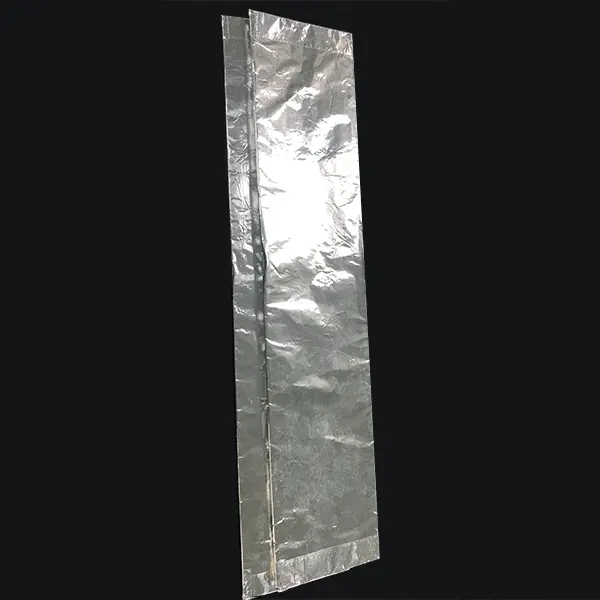
Customized thin-barrier blankets (5mm+) designed to prevent thermal runaway and insulate modern lithium battery packs.
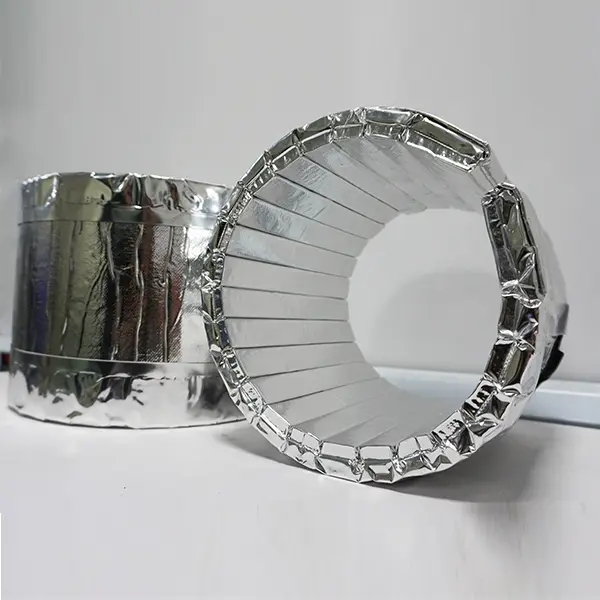
Flexible and shaped insulation jackets structured to keep heat losses minimal in domestic and industrial water systems.
Elevator fireproof door thermal cores designed to withstand high temperatures and maintain structural safety standards.
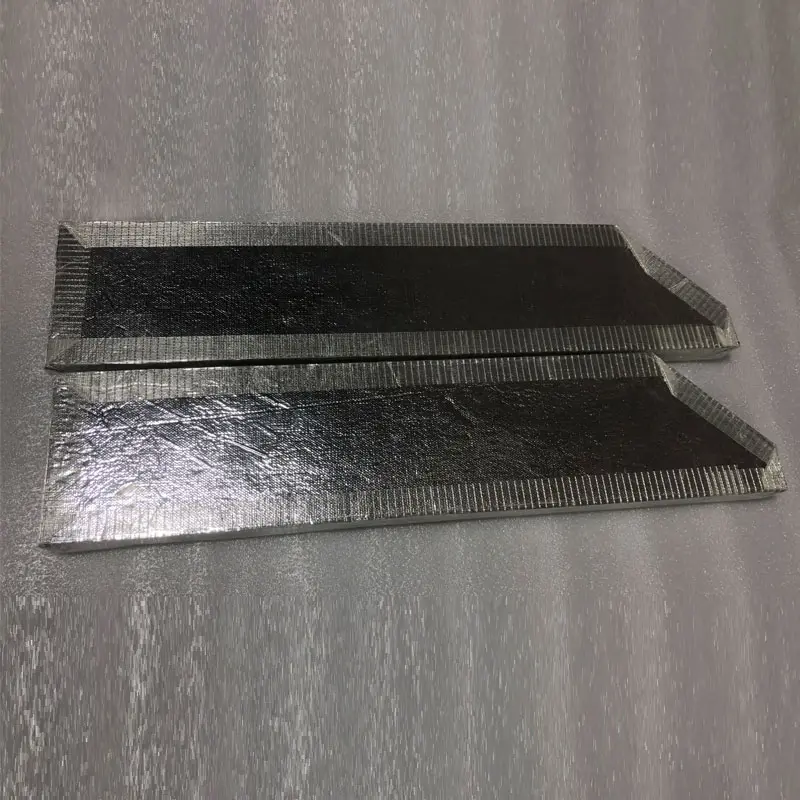
Non-planar and customized vacuum insulation profiles shaped to fit curved appliance cavities and complex duct layouts.
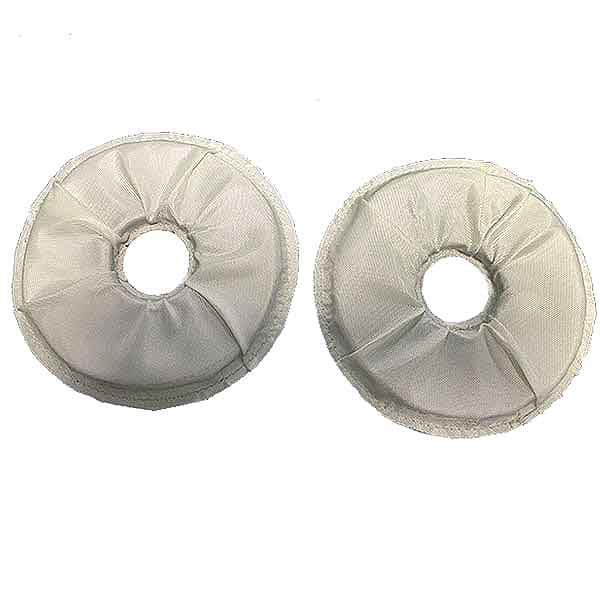
Circular thermal mats optimized for cylindrical heat systems, offering low weight and high safety levels.
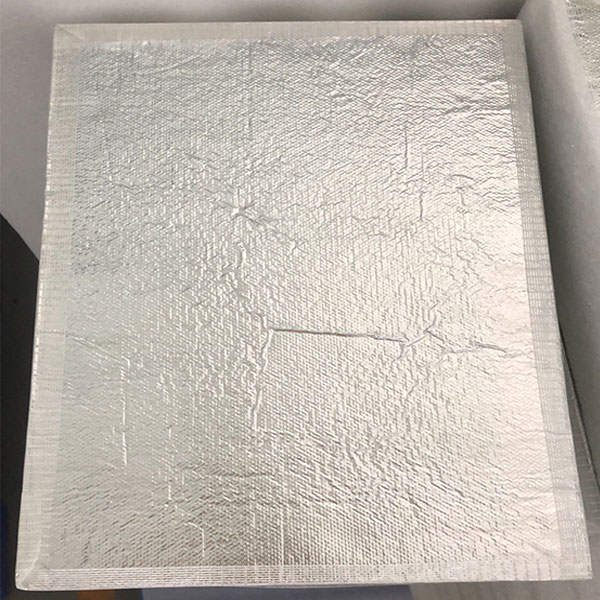
Specialized film layers over a fumed silica base core, delivering optimal insulation with a slim profile.
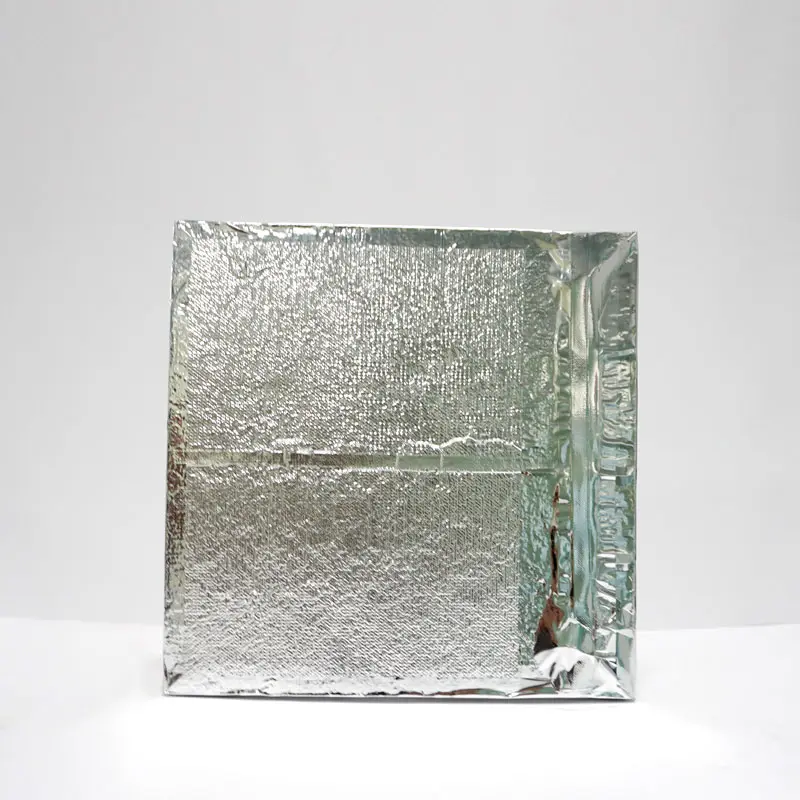
Thermal shipper panels designed for pharmaceutical cold chain transport, keeping vaccines and medical supplies safe.
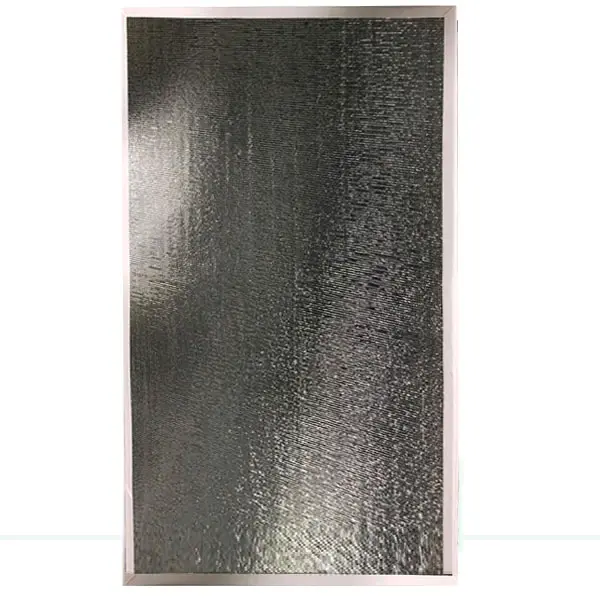
Oversized vacuum insulation sheets designed for shipping containers, reducing active refrigeration energy needs.
Zerothermo Technology Co., Ltd., a subsidiary of the distinguished CBVAC Group, is a national high-tech enterprise. Headquartered in the Beijing Economic-Technological Development Area, our state-of-the-art production base is situated in Nanchong City, Sichuan Province. This facility stands as one of China’s largest and most technologically advanced centers for manufacturing vacuum application products.
By utilizing industrial vacuum technology, CBVAC Group and Zerothermo provide high-quality thermal insulation boards to global markets. Our products undergo rigorous helium mass spectrometry leak testing and precision quality checks to ensure long-term thermal performance in various environments.

Custom dimensions manufactured to client engineering prints, matching or exceeding international pressure standards.

Square, oval, and complex custom flanges designed to seal securely under demanding vacuum conditions.

Precision-milled flanges ranging from micro-machined components to large diameters over 60 inches.
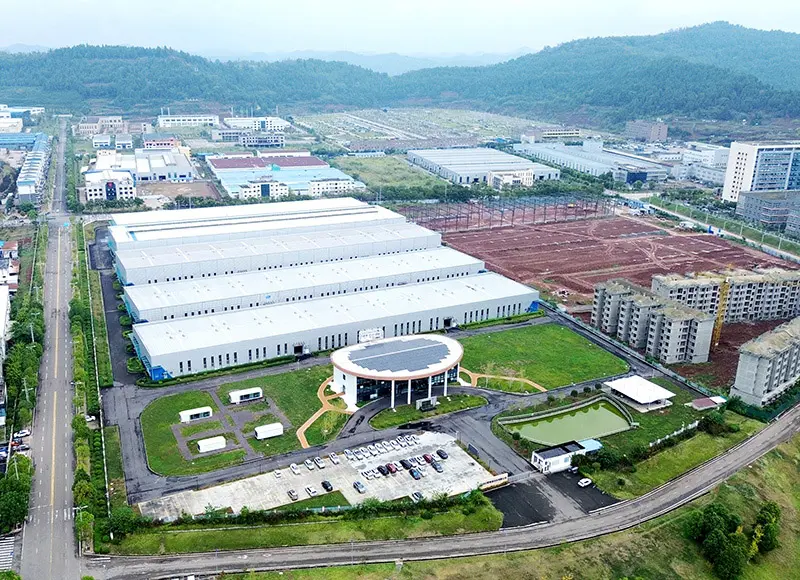

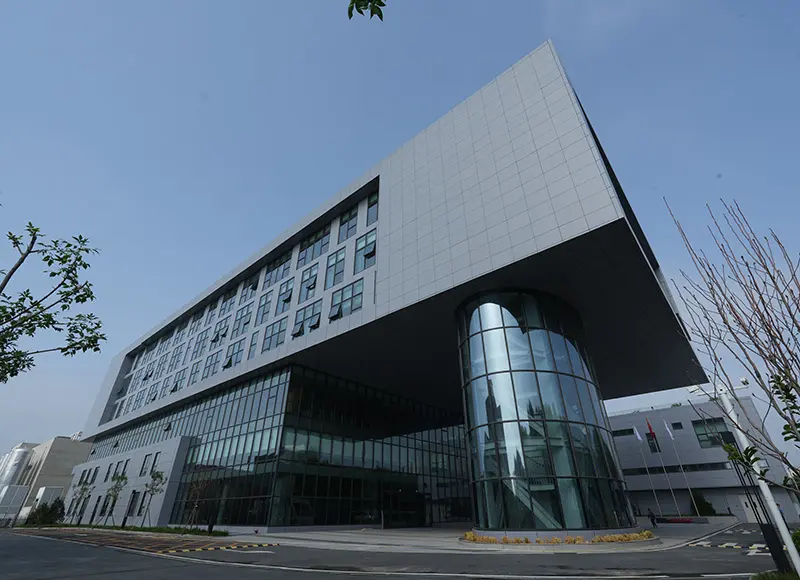
Our Nanchong facility manages the complete production cycle, from core compounding and protective bag fabrication to final evacuation. By maintaining strict control over the manufacturing process, we minimize edge thermal bridging and deliver reliable, low-conductivity products to our clients.
Purchasing high-performance insulation involves balancing thermal performance with total manufacturing cost. Operating out of our extensive facility in Nanchong City, Sichuan Province, Zerothermo leverages China's industrial infrastructure to offer cost-competitive solutions without compromising on product quality.
Sichuan has access to high-purity silica reserves, which helps stabilize our core raw material supply and shield our pricing from volatile international commodity markets.
Our automated production lines reduce labor variance, shorten lead times for large orders, and maintain dimensional precision within narrow tolerances.
As a subsidiary of CBVAC Group, we integrate advanced vacuum valves, seals, and testing instrumentation directly into our manufacturing processes.
This localized supply chain helps us offer competitive pricing for bulk industrial projects. Whether you require standard panels for commercial buildings or custom insulation blankets for new energy vehicles, our Sichuan facility provides reliable production capacity and consistent product quality.


Why global OEMs and engineering firms choose Zerothermo Technology for high-performance insulation projects.


Global procurement teams must navigate local building codes, transportation safety rules, and environmental regulations. Our vacuum insulation panels comply with international standards like CE, RoHS, and REACH, verifying they contain no hazardous materials and are suitable for cleanroom and pharmaceutical storage environments.
To support global logistics, our packaging is built to withstand ocean shipping conditions. We package products in heavy-duty, moisture-sealed wooden crates with shock indicators to maintain internal vacuum integrity during transit. We also offer customs clearance assistance to streamline imports into European, North American, and Asia-Pacific ports.
Additionally, we work closely with engineering teams during the integration process. Because VIPs cannot be cut, drilled, or altered post-production, we assist with precise layout planning and CAD coordination before manufacturing begins. This helps eliminate installation issues and ensures maximum thermal performance on-site.
Our high-performance thermal insulation boards and microporous blankets are engineered for demanding industrial and building applications.
Our fumed silica VIPs help maintain stable sub-zero environments in passive shippers. By extending hold times for temperature-sensitive therapeutics, they reduce dry ice consumption during global distribution.
Integrating vacuum panels into exterior walls, balconies, and roofs allows architects to design thinner insulation profiles. This helps optimize interior floor space while meeting strict building energy efficiency codes.
Our microporous nano materials provide excellent thermal insulation in space-constrained industrial systems, such as kiln linings, laboratory furnaces, and refinery process piping.
We supply modular, insulated panel structures for mobile cabins, temporary eco-lodges, and specialty exhibits. This helps keep heating and cooling costs manageable in remote off-grid locations.






Explore real-world installations where our vacuum insulation panels and custom jackets solved complex thermal challenges.

Supplied high-density nano insulation to protect micro-cavity systems from thermal interference.

Custom envelope systems engineered to manage hot zones in industrial process equipment.

Supplied certified, fire-resistant VIP panels for school construction to meet local building standards.
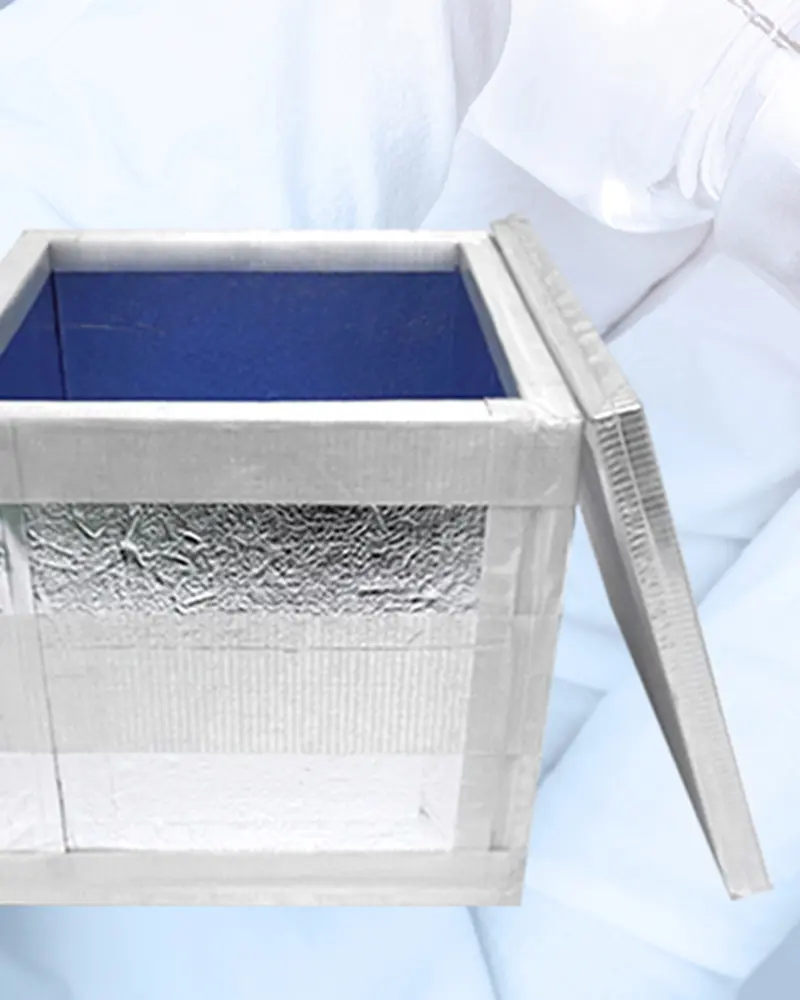
Engineered lightweight shippers that extended medical storage hold times during transport.
Stay updated on our recent projects, new product releases, and exhibition schedules.
Technical answers regarding vacuum insulation panels, core structures, thermal performance, and pricing variables.
Our VIP pricelist is influenced by several factors: core material type (fumed silica commands a premium over fiberglass due to its longer service life), panel dimensions, envelope film specifications (multi-layer laminate vs. basic film), shape complexity (notched or curved profiles), and order volume. Custom dimensions require specialized sealing parameters, which can affect pricing compared to standard sizes.
Fumed silica core materials have small nano-pores (10 to 20 nm) that limit gas conduction even if the internal vacuum pressure degrades over time. In contrast, fiberglass cores have larger micro-pores, making them reliant on maintaining a very high vacuum level (< 1 mbar). If air or moisture penetrates the barrier film, a fiberglass panel's thermal conductivity can rise quickly, while a fumed silica panel maintains much of its insulation value.
No, VIPs cannot be cut, drilled, or reshaped after manufacturing. The panel relies on a hermetically sealed barrier envelope to maintain its internal vacuum. Puncturing this skin releases the vacuum, causing the thermal conductivity to rise to that of the unevacuated core material (approximately 0.020 W/(m·K)). All dimensions and cutouts must be planned during the design phase and manufactured to size at the factory.
To reduce thermal bridging at panel borders, we use multi-layer installation techniques, staggered layout patterns, or high-efficiency foam tape along the joints. Some architectural configurations combine VIPs with a thin layer of traditional insulation (like PIR or PU foam) to cover the joints and create a continuous thermal barrier.
Under typical ambient temperature and humidity levels, our fumed silica VIPs are designed to last between 30 and 50 years. This performance is sustained by using thick outer barrier foils and integrated getters that absorb residual moisture and gases over the lifetime of the installation.
We provide end-to-end design, engineering, and manufacturing services for vacuum insulation boards. Contact our sales and engineering team for project quotes, custom sizes, and technical evaluations.


High-temperature microporous boards and custom thermal blankets built for specialized industrial, automotive, and building needs.
Microporous core panels designed for high-temperature applications, offering reliable thermal protection for industrial systems.
Explore Tech Details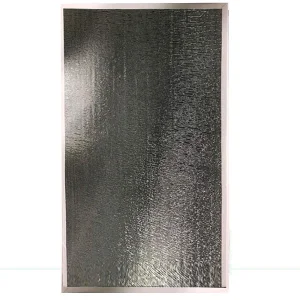
Oversized vacuum panels manufactured to line large shipping containers, reducing thermal ingress during long-distance shipping.
Explore Tech Details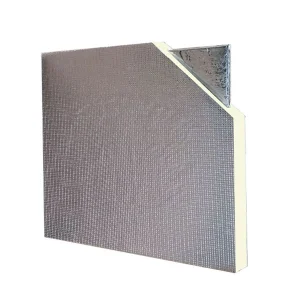
Hybrid PU-sheathed vacuum panels that combine structural support with low thermal conductivity for cold chain coolers.
Explore Tech Details
Fire-rated core panels for elevators, engineered to limit heat transfer during high-temperature scenarios.
Explore Tech Details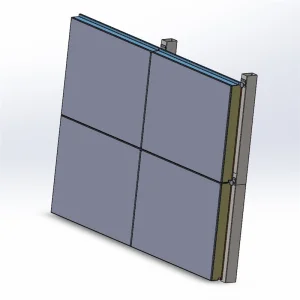
Pre-finished exterior wall cladding modules with built-in VIP cores, saving installation steps on-site.
Explore Tech Details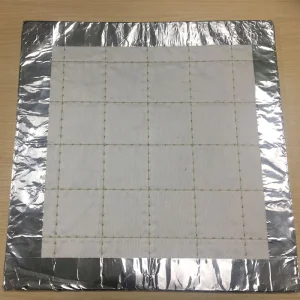
Flexible thermal insulation mats designed to wrap around industrial equipment, preventing heat loss from curved surfaces.
Explore Tech Details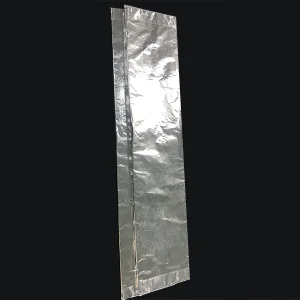
Specialty insulation layers for electric vehicle batteries, designed to manage thermal performance under varying conditions.
Explore Tech Details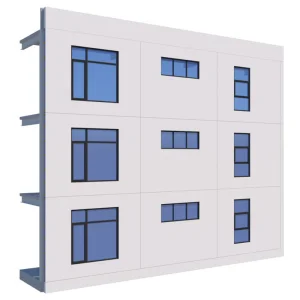
Combined decorative wall paneling with integrated vacuum cores, offering exterior finishing and insulation in one step.
Explore Tech Details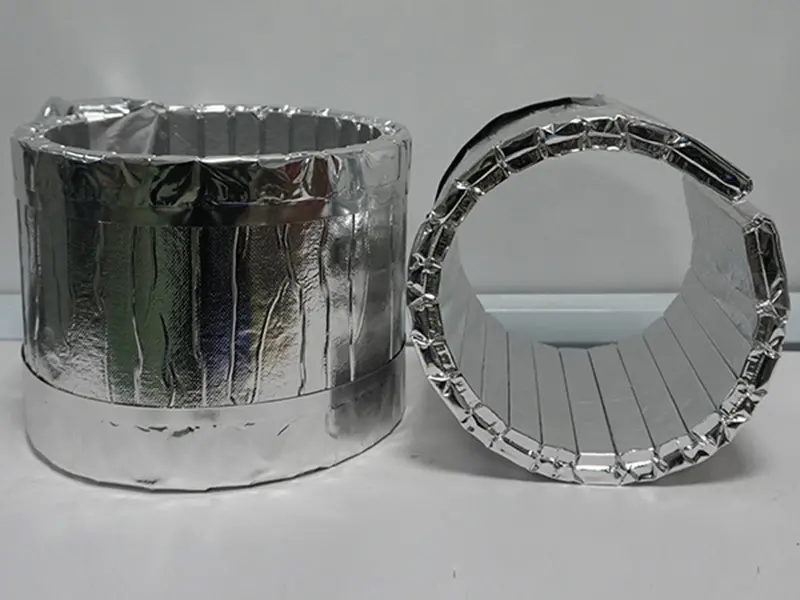


 +86 15892792306