
Explore our premium grade fumed silica VIPs, temperature-resistant nanoporous materials, and structural glazing components.
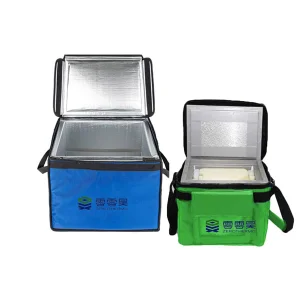
Ultra-low thermal conductivity VIP cooler box designed specifically for cold chain vaccine distribution and food preservation storage.
Get Pricing →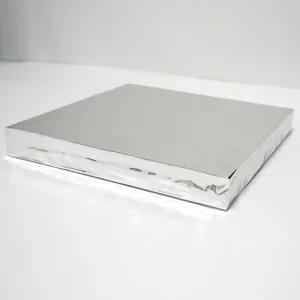
High-density nano microporous boards manufactured to withstand extreme thermal conditions in industrial processing environments.
Get Pricing →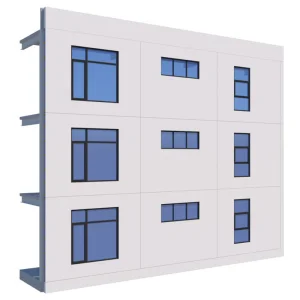
Architectural-grade modular cladding combining aesthetic exterior finishes with integrated vacuum core insulation systems.
Get Pricing →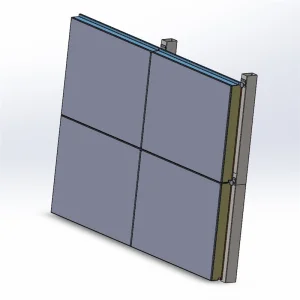
Ready-to-install integrated wall systems offering unmatched space-saving profiles with elite-tier thermal barrier index parameters.
Get Pricing →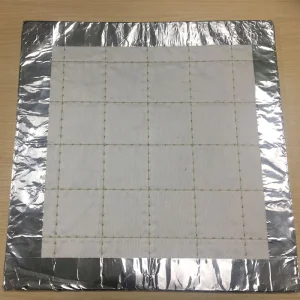
Highly flexible thermal insulation mats engineered with nano-porous cores for complex geometry wrapping in high-heat systems.
Get Pricing →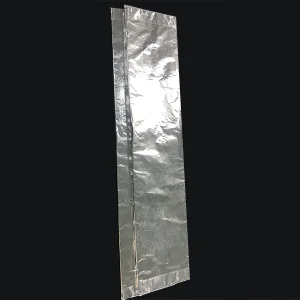
Specially formulated safety insulation layers designed to mitigate thermal runaway events in electric vehicle lithium packs.
Get Pricing →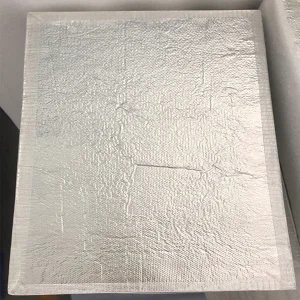
Premium PET laminated fumed silica panels optimized to prevent gas permeation, ensuring decades of reliable performance.
Get Pricing →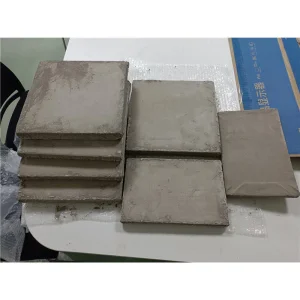
Heavy-duty structural core VIPs reinforced to withstand physical stress and impact in harsh industrial settings.
Get Pricing →In modern commercial architecture and high-performance cold-chain logistics, building fenestration systems are no longer treated as simple aesthetic components. Instead, global B2B procurement managers view windows as critical engineering points directly linked to structural energy ratings, operational expenditures (OPEX), and decarbonization certifications. Conventional double and triple glazing options struggle to meet the increasingly stringent requirements of energy efficiency initiatives such as the European Union’s Energy Performance of Buildings Directive (EPBD) or the United States’ Net-Zero Building initiatives.
Industrial procurements are transitioning rapidly to vacuum insulated glass (VIG). The primary objective is to obtain ultra-thin glass constructs that yield thermal transmittance metrics comparable to heavily insulated solid walls. For high-volume projects, industrial procurement teams seek raw factories capable of executing custom dimensions, implementing reliable mechanical edge seals, and maintaining rigorous quality controls to ensure the vacuum's structural integrity over long spans of service life (often exceeding 25 years). Selecting the right manufacturing partner translates directly to lower heat transfer coefficients (U-values below 0.6 W/m²K) and a substantial return on investment (ROI) derived from minimized HVAC system loads.
"B2B procurement metrics have evolved beyond initial cost-per-square-meter values. The modern industry prioritizes structural lifespan, verified condensation resistance indices, thermal stability under high thermal cycling conditions, and sound transmission class (STC) ratings."
The core operating principle of a vacuum insulated window lies in the extraction of air from the cavity between two panes of glass, generating an internal vacuum chamber characterized by pressures below 0.1 Pascals. By eliminating the gaseous medium, heat transfer via conduction and convection is almost entirely neutralized. The remaining challenge in thermal transfer optimization is minimizing radiation, which is addressed by applying specialized low-emissivity (low-E) coatings to the internal glass faces.
The primary point of failure in low-grade vacuum windows is edge seal degradation. Our factory utilizes a high-durability alloy or solder glass compound processed under precise temperature curves, creating a physical molecular bond that prevents micro-leakage over decades of intense atmospheric exposure.
To resist massive atmospheric pressures (nearly 10 tons per square meter), high-strength micro-spacers are systematically arrayed between the glass panes. Our proprietary layout minimizes thermal bridging and optical distortion, keeping the pillars virtually invisible to the naked eye.
Over extended operational lifespans, trace outgassing from glass inner surfaces can degrade internal vacuum levels. The integration of advanced chemical getters absorbs these residual molecules, maintaining the internal vacuum environment for over 25 years.
Under the global imperative to lower carbon footprints, buildings account for roughly 40% of global energy usage, with windows responsible for nearly half of a structure's heating and cooling energy loss. Integrating vacuum insulated glazing directly into new architectural envelopes and historical retrofits yields a tremendous operational advantage. In cold regions, vacuum insulated systems reduce heat leakage to a fraction of standard fenestration profiles. In warm zones, they dramatically block incoming ambient heat, reducing mechanical cooling demand.
For structures built to Passive House standards, achieving a window U-value of less than 0.8 W/m²K is critical. Standard triple-glazed systems achieve this through thick profiles, heavy glass structures, and multiple gas cavities. Vacuum insulated windows deliver matching or superior thermal performance in a configuration that is up to 70% thinner and 30% lighter. This reduction in structural weight reduces the load on building framework, lowering structural steel and concrete requirements, and saving significant embodied carbon in new developments.
| Glazing System Type | Overall Thickness (mm) | U-Value (W/m²·K) | Acoustic Insulation (dB) | Total Weight Reduction (%) |
|---|---|---|---|---|
| Standard Double Glazed (Argon Filled) | 24 mm | 1.2 - 1.6 | ~ 31 dB | 0% (Baseline) |
| Standard Triple Glazed (Argon Filled) | 36 - 44 mm | 0.7 - 0.9 | ~ 35 dB | Weight Increase: +45% |
| Zerothermo Vacuum Glazing (VIG) | 6 - 12 mm | 0.4 - 0.6 | 39+ dB | Weight Saved: 30% to 50% |
Explore our bespoke manufacturing capabilities spanning battery thermal runaways, microporous materials, and custom-shaped panels.
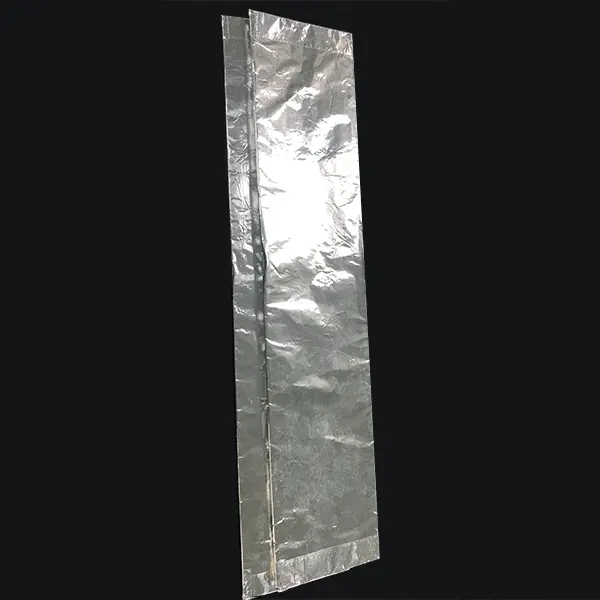
Product Details: Size: Customized Thickness: 5-50mm. Specially optimized for electric vehicle battery packs, providing structural safety barriers against thermal spikes.
Learn More →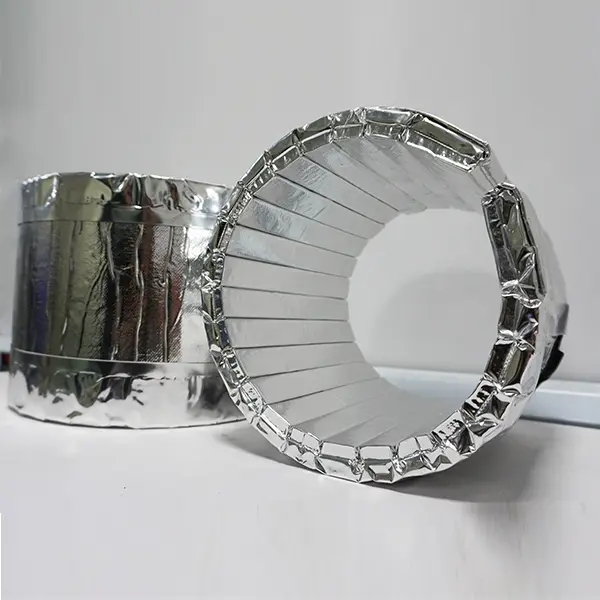
Product Details: Size: Customized Thickness: 5-50mm. Waterproof coating and extreme heat protection for severe environments.
Learn More →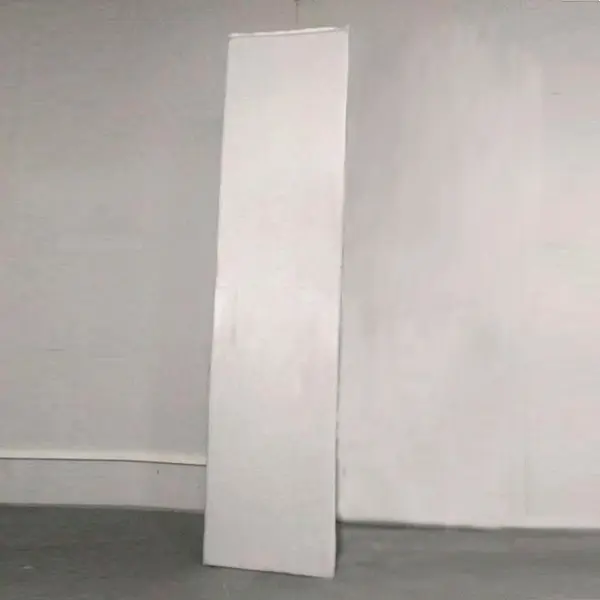
Our elevator fireproof door high temperature nano panel ensures compliance with fire safety codes while maintaining low profile dimensions.
Learn More →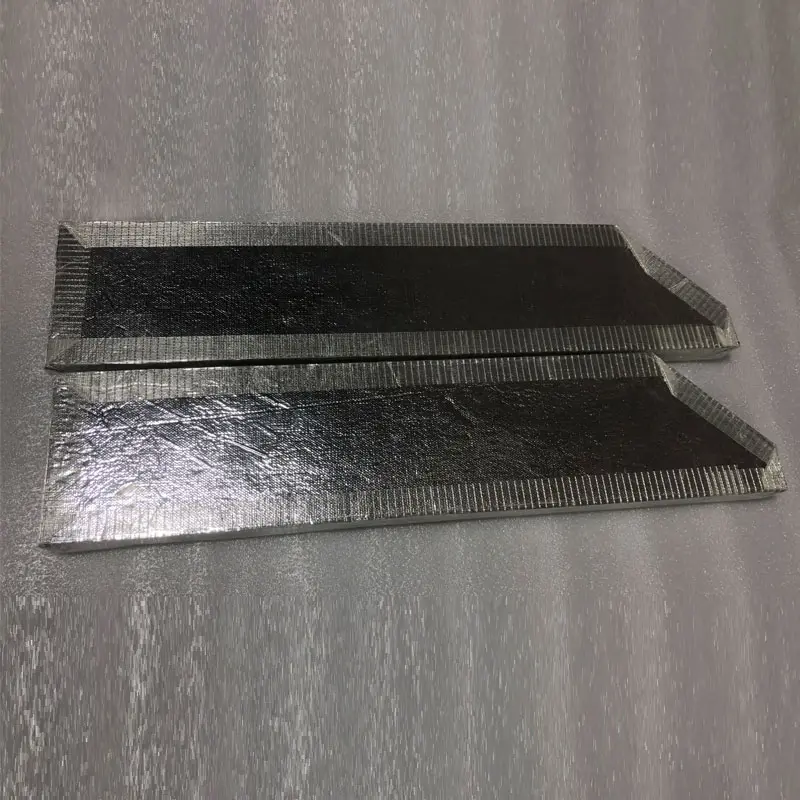
Complex geometries and shaped vacuum panels engineered specifically for modern architectural components and unique structural constraints.
Learn More →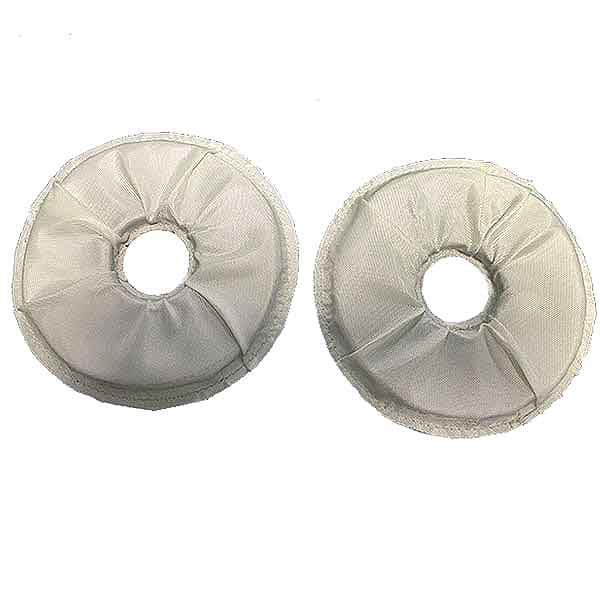
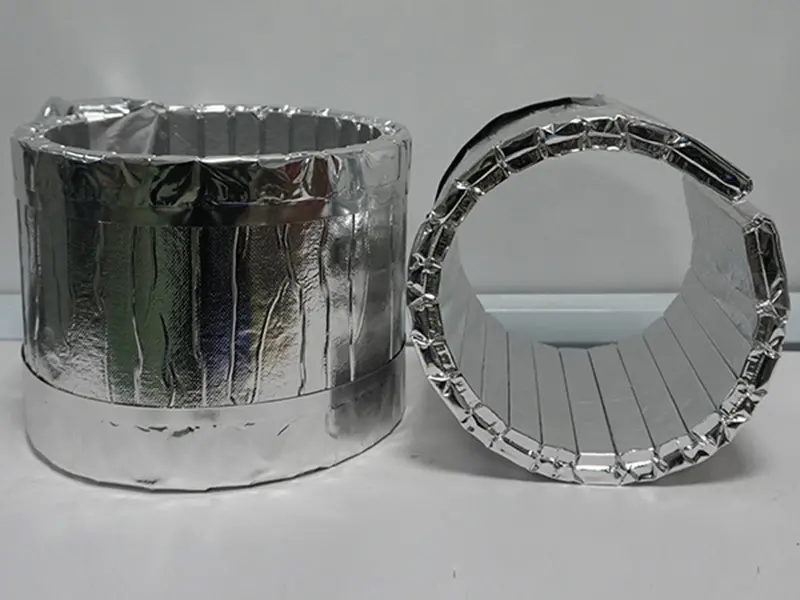
Product Specification Product Features: Custom round and curved flexible blankets designed to fit complex pipework and cylindrical systems.
Learn More →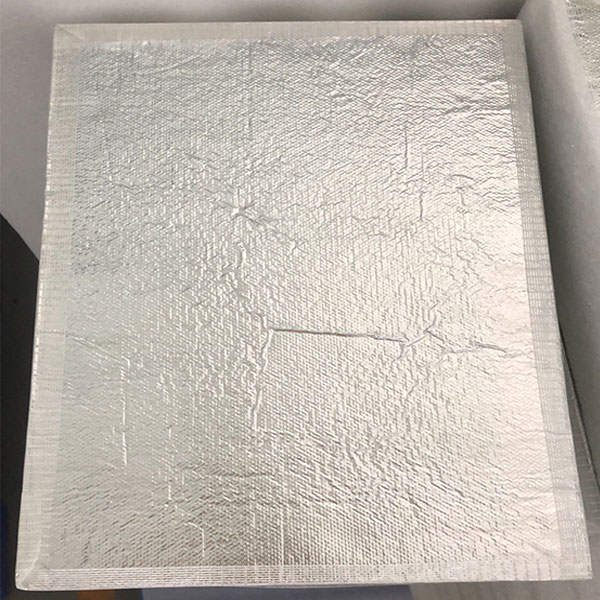
Product Features Size Details: Zerothermo vacuum insulation panels utilizing fumed silica core structures for maximum insulating performance.
Learn More →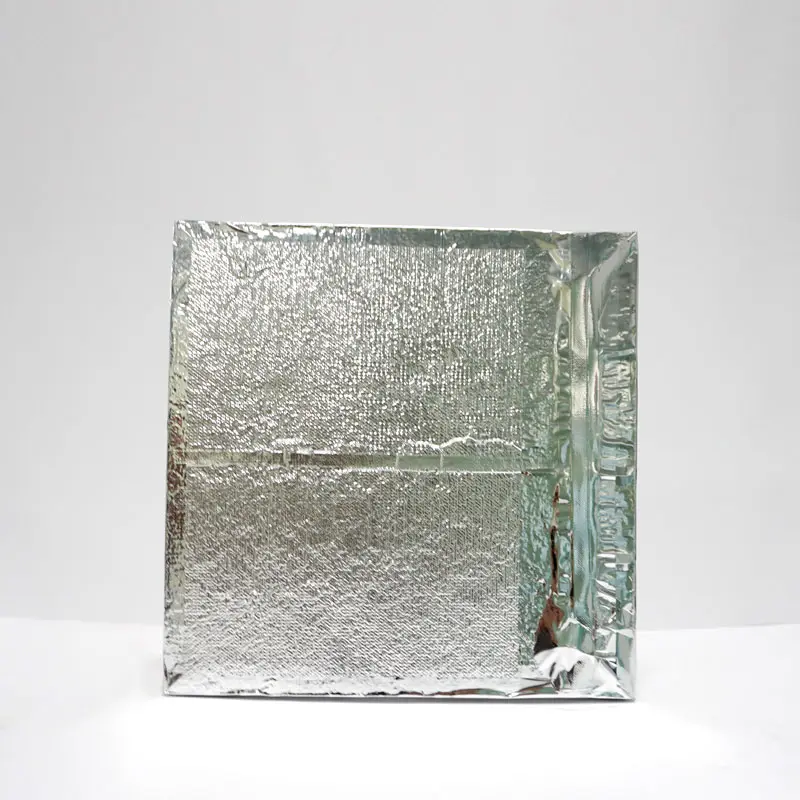
Product Features: Vacuum insulation panels designed for critical medical vaccine and high-value biologics transport coolers.
Learn More →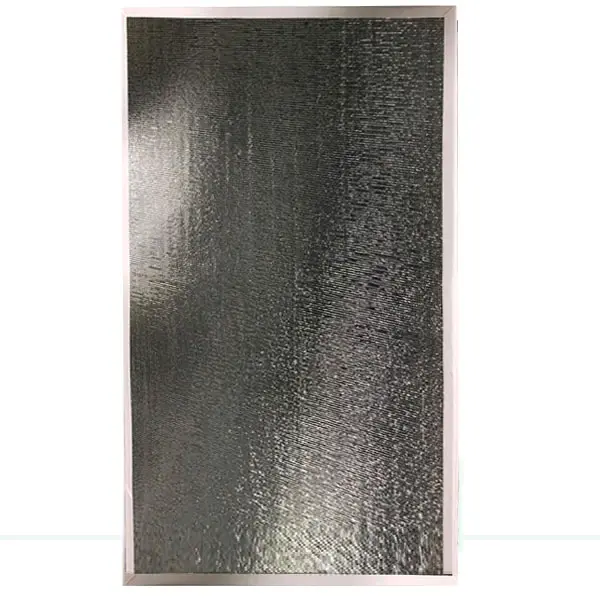
Product Features Product Specification: Large format panels engineered to cover expansive structural facades and cold rooms efficiently.
Learn More →A subsidiary of CBVAC Group and a national high-tech enterprise, pioneering the next generation of vacuum application technology.
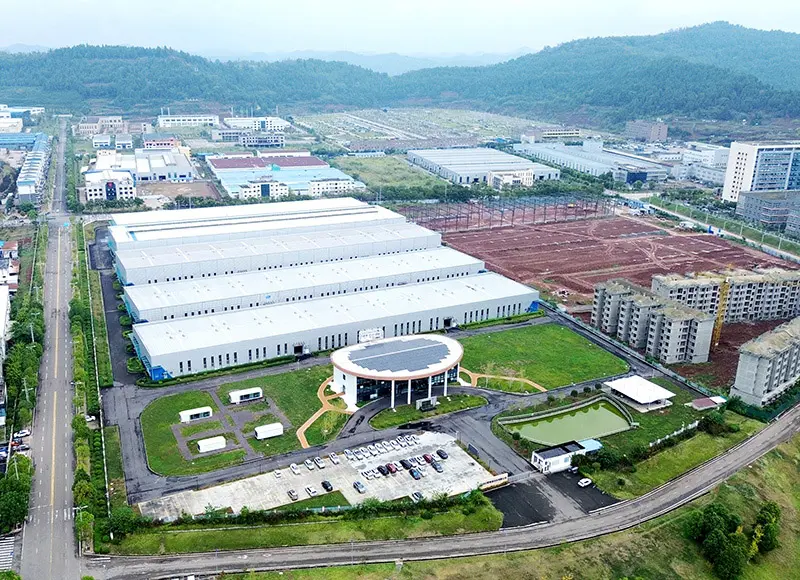
Headquartered in the prestigious Beijing Economic-Technological Development Area, with our primary large-scale production base located in Nanchong City, Sichuan Province. This facility stands as one of China’s largest and most technologically advanced comprehensive production hubs for vacuum application products. By leveraging CBVAC Group's deep vacuum R&D background, Zerothermo specializes in manufacturing ultra-performance thermal materials, fireproof panels, and high-spec structural flanges.

Special dimensions produced beyond standard ANSI, ASME, or DIN profiles, customized strictly to client diagrams.

Square, oval, and specialty configurations. Large diameters (>60 inches) and micro precision fittings built to spec.

Specialist custom components engineered for ultra-high vacuum applications and extreme-pressure environments.

Why Tier-1 developers and international cold chain networks choose Zerothermo Technology.

Our processes follow strict QA checks, achieving compliance with international certifications including ISO 9001 and CE.

From specialty architectural curves to dynamic battery insulation wraps, we turn client specs into reality rapidly.

Our Nanchong facility manages high-volume architectural runs without sacrificing dimensional accuracy or vacuum life.

We deploy specialized B2B logistics pipelines, ensuring vacuum materials arrive free from micro-cracking and transit shocks.

We provide ongoing engineering support, vacuum life testing models, and post-installation project reviews globally.
Providing high-efficiency thermal insulation solutions for building envelope systems through innovative products such as vacuum insulation panels and vacuum insulated glass, empowering the construction sector to reduce carbon emissions and achieve carbon neutrality.

Preserving vaccines and biopharmaceuticals within exact temperature boundaries using silica vacuum systems.

Enabling structural designs to meet Passive House certification guidelines using ultra-slim profile glazing.

Thermal barriers for extreme manufacturing environments, heavy refining ovens, and dynamic elevator firedoors.

Providing high-efficiency insulation cladding for tourism centers and modular cabins with minimal wall profiles.
From high-tech research centers to cold chain vaccine shipping systems, our products deliver consistent thermal protection.

Integrated high-performance thermal insulation panels to protect heat-sensitive semiconductor development labs.
View Case Study →
Supplied custom-dimension vacuum insulation boards to meet strict environmental controls within processing wings.
View Case Study →
Eco-friendly retrofit project implementing structural vacuum insulation panel systems to optimize classroom environments.
View Case Study →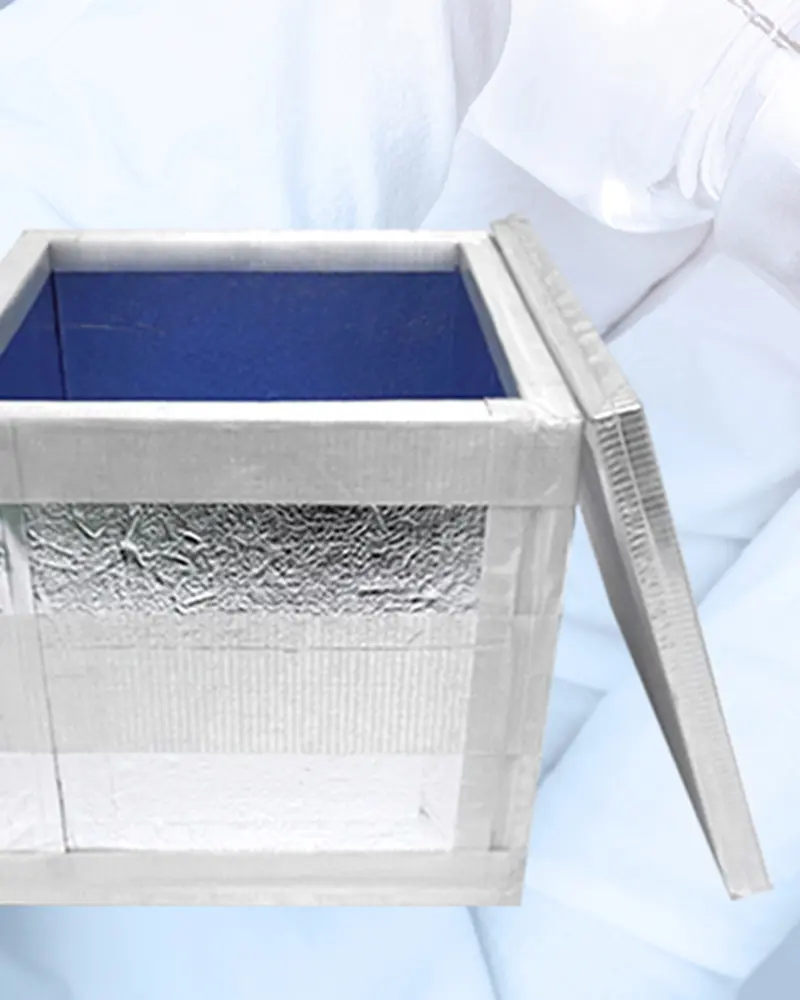
Supplied over 10,000 highly efficient vaccine cooler boxes to state healthcare units during critical logistics operations.
View Case Study →Deploying vacuum insulated materials on high-rise facades or vaccine logistics requires verified certification to prevent on-site failures. Our manufacturing process operates under ISO 9001 and ISO 14001 management protocols. Each batch of vacuum insulated glass (VIG) and fumed silica panels undergoes automated internal vacuum testing before packing, verifying long-term vacuum retention.
Our panels are tested against leading international performance standards:
Furthermore, our structural glazing undergoes rigorous physical stress testing, including simulated wind loading up to 5.0 kPa, extreme thermal cycling (-40°C to +80°C), and acoustic damping audits. By partnering with Zerothermo, B2B procurement managers secure both high performance and certified compliance.
Get answers to key technical questions about vacuum insulation systems, durability, and customization.
Committed to supporting China’s “dual-carbon” goals, Zerothermo Technology drives high-quality development of new quality productivity while promoting sustainable industrial advancement.
Analyzing fire safety standards and how nano panels provide thin, highly effective thermal barriers to prevent structural failures.
Read Article →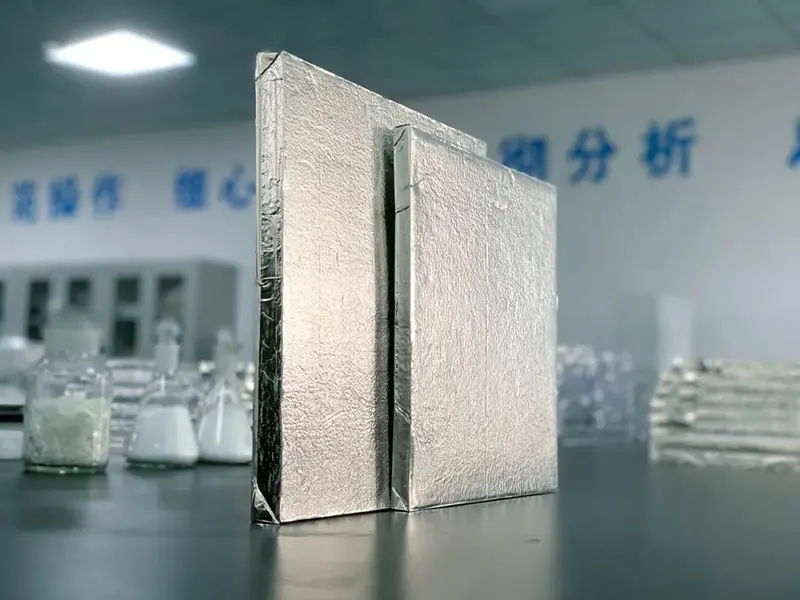
We showcased our latest fumed silica VIP models and next-generation vacuum glazing products to international B2B buyers.
Read Article →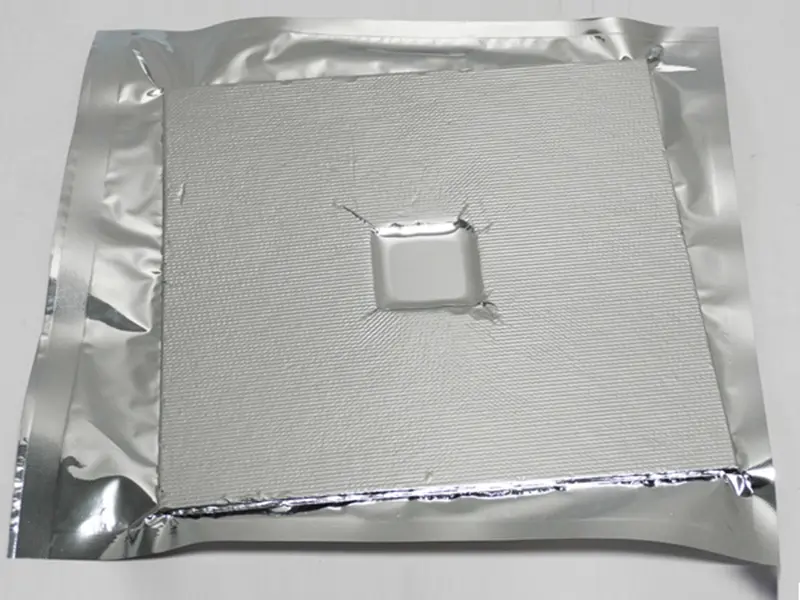
Exploring how vacuum and nano insulation technologies improve thermal efficiency and reduce energy loss in high-temperature industrial sectors.
Read Article →Our sales support team and thermal engineering department can assist with system drawings, thermal simulations, and price quotes.
Zerothermo provides complete design assistance, structural modeling, and thermal performance calculations. Connect with us directly to discuss your project requirements.


Further explore our catalog of custom high-temperature mats, building envelopes, and insulated solutions.
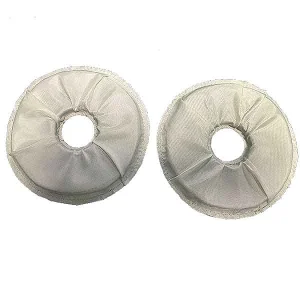
Cost-efficient, flexible circular mats featuring ultra-low thermal conduction for wrapping pipe bends and hot channels.
Get Pricing →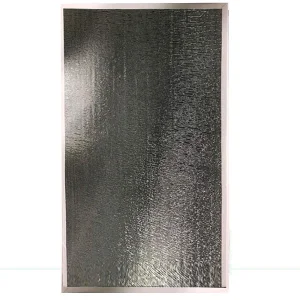
Large-format panels designed specifically for shipping containers, providing long-lasting thermal stability.
Get Pricing →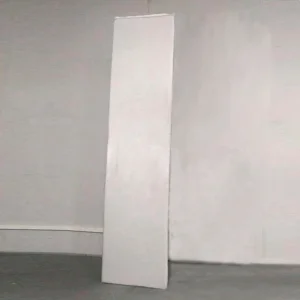
Fire-resistant nano microporous boards engineered to protect elevator shaft enclosures and entry points.
Get Pricing →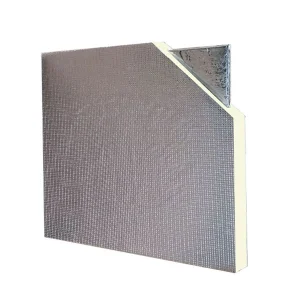
Composite panels combining polyurethane foam with a vacuum insulation core for cold chain boxes.
Get Pricing →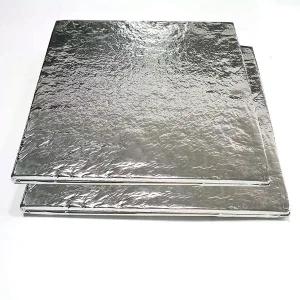
Fiberglass-core vacuum panels designed for deep-freeze systems and low-thickness wall cavities.
Get Pricing →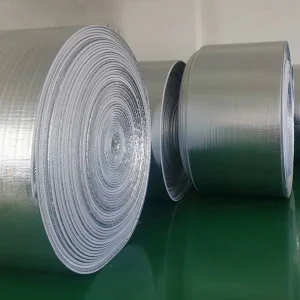
Heavy-duty aluminum foil-faced insulation boards, optimized to block heat radiation on roofs.
Get Pricing →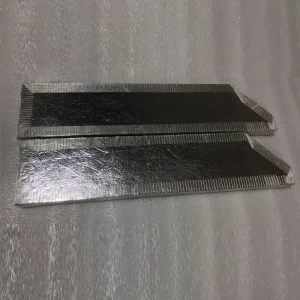
Custom-cut vacuum panels laminated with protective PET film, designed for complex spatial configurations.
Get Pricing →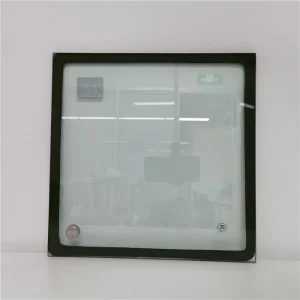
Thermally tempered vacuum insulated glass panels designed to provide structural safety and low U-values.
Get Pricing →