Austria's commitment to the European Green Deal, reinforced locally by the Austrian Institute of Construction Engineering through OIB Guideline 6 (OIB-Richtlinie 6 - Energieeinsparung und Wärmeschutz), has set aggressive targets for building decarbonization. Traditional triple-pane glazing, while thermally effective, faces structural limits due to its extreme weight, thickness, and high embodied carbon. In historical city centers like Vienna, Graz, and Salzburg, where facade preservation regulations (Altbauerhaltung) prevent structural frame widening, traditional thermal glazing cannot be installed.
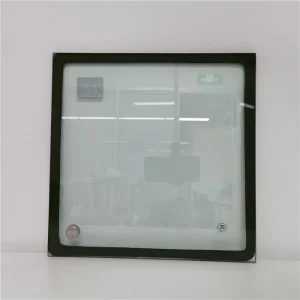
This physical constraint drives the soaring demand for Vacuum Insulated Glass (VIG). Achieving center-of-glass U-values as low as 0.4 to 0.6 W/(m²K) within a profile of under 10 millimeters, VIG delivers the thermal efficiency of a solid wall while keeping the lightweight footprint of single or slim double glazing. Austrian architects and construction developers are rapidly specifying VIG to achieve Passive House targets without compromising historic structural integrity.
In alpine areas such as Tyrol and Vorarlberg, buildings face structural demands from snow loads and severe temperature differentials. Vacuum Insulated Glass must endure extreme pressure cycles. Because VIG relies on a vacuum cavity supported by micro-spacers, it bypasses the expansion and contraction failures typical of gas-filled (Argon/Krypton) triple glazing at high altitudes. This makes it an ideal solution for luxury alpine hotels, high-altitude research installations, and premium Austrian residential projects.
Furthermore, Austria's industrial sectors—ranging from advanced commercial refrigeration to bio-pharmaceutical logistics hubs in Linz—require high-performance thermal barriers to maintain stable cold storage conditions. Vacuum insulation panels (VIPs) and high-temperature nano-microporous materials are no longer niche products; they are critical building blocks for modern cold-chain infrastructure, ensuring energy savings and compliance with strict EU temperature-monitoring mandates.
Procuring high-performance architectural materials like Vacuum Insulated Glass and Vacuum Insulation Panels for European markets requires navigating complex logistical, regulatory, and quality hurdles. Austrian contractors require materials certified to European standards (such as EN 1279 for insulating glass durability and CE marks). The challenge lies in scaling production to achieve cost-efficiency without sacrificing reliability.
At Zerothermo Technology, our production facilities are built on advanced Factory 4.0 manufacturing processes. Strategically positioned as a subsidiary of the CBVAC Group, our Nanchong facility employs automated high-vacuum sealing lines, robotic glass handling, and real-time helium mass spectrometer leak detection. This automated precision ensures our VIG units retain their high vacuum (10^-4 Pa) for decades, preventing edge seal failures and condensation.
By combining localized production scale with global supply chain management, we solve the common trade-off between price and performance. Our Austrian and European procurement partners benefit from factory-direct quotes, tailored packaging to prevent transit damage, and full documentation to support regional building approvals.
We deliver tailored, high-performance solutions designed to meet specific engineering criteria, including custom sizes, specialized shapes, and high-temperature tolerance.
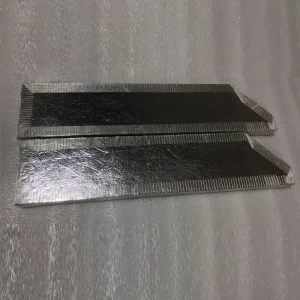
Customized high-efficiency thermal barriers optimized for EV battery packs. Thickness range: 5mm+.
Request Customized Quote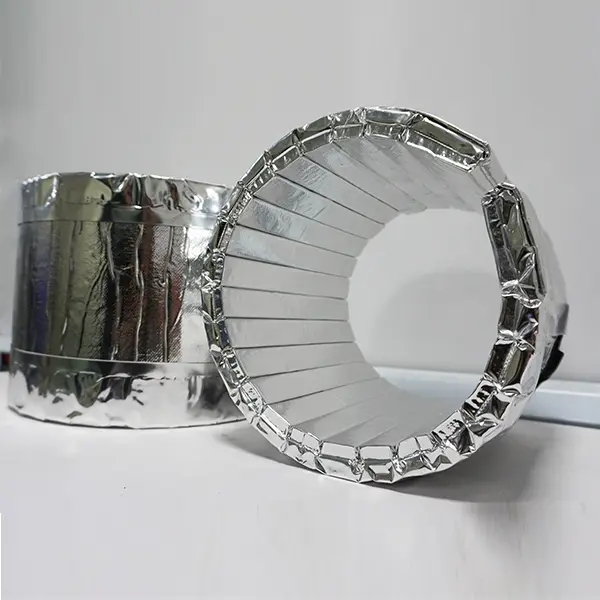
Engineered for high-temperature applications demanding reliable moisture and water resistance.
Request Customized Quote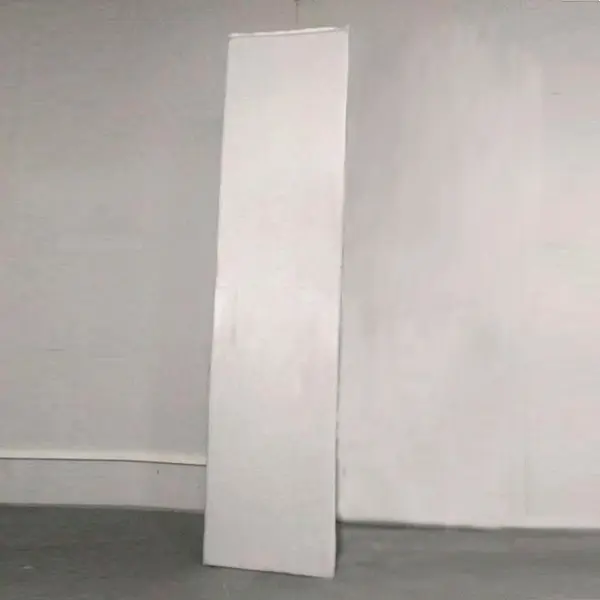
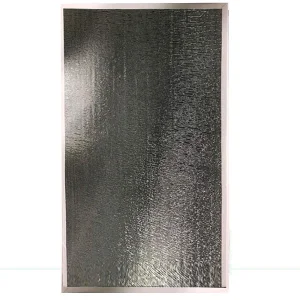
Advanced fire protection and heat retention barriers designed for elevator fire doors.
Request Customized Quote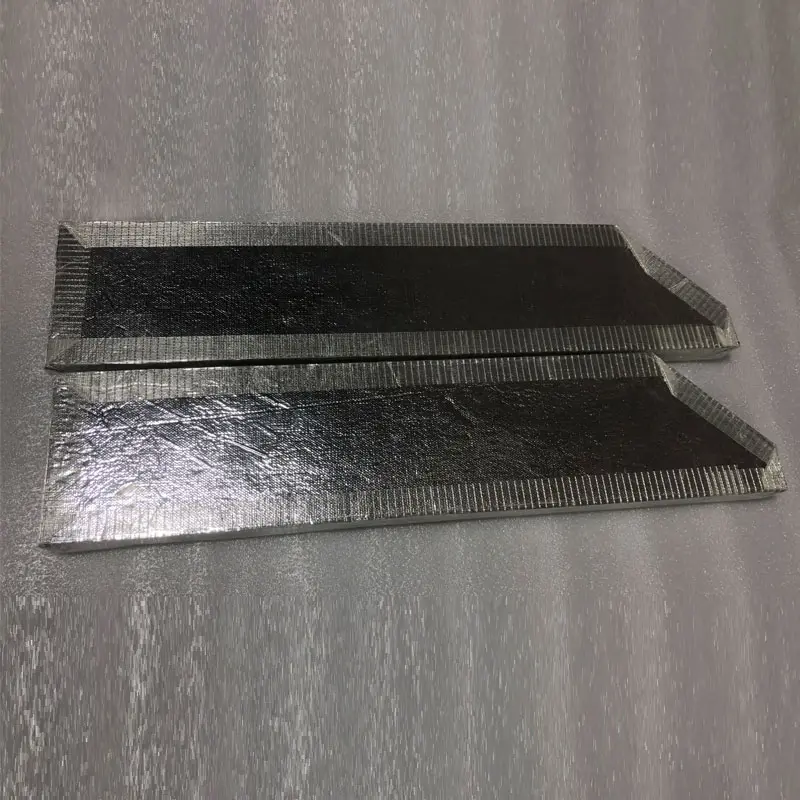
Custom shapes molded to complex geometries for specialty architectural and logistical installations.
Request Customized Quote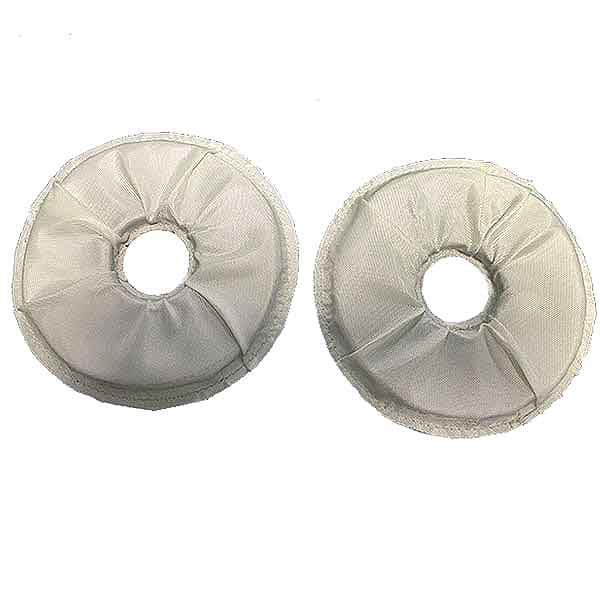
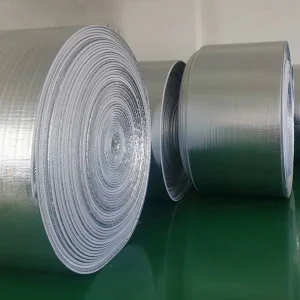
Flexible thermal insulation blankets tailored for curved pipes, cylinders, and industrial equipment.
Request Customized Quote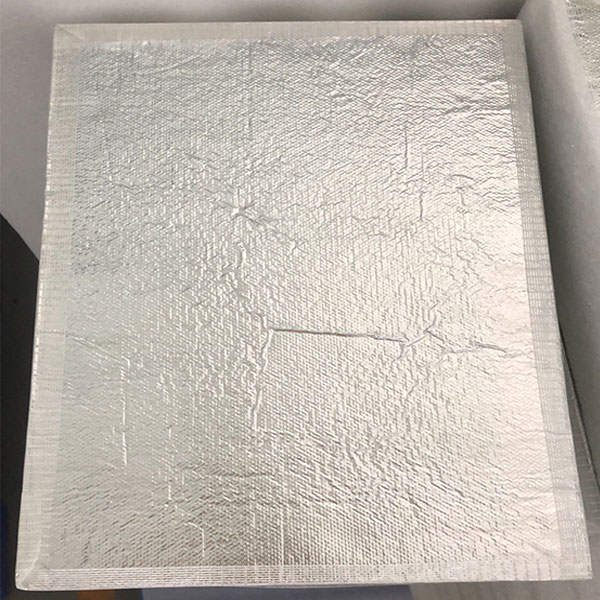
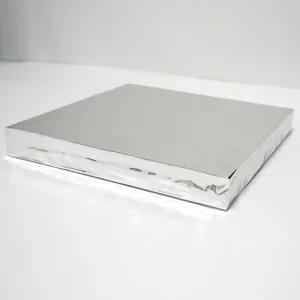
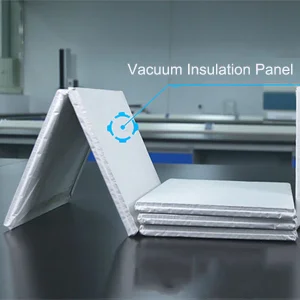
Ultra-low thermal conductivity panels optimized for cold chain and construction insulation.
Request Customized Quote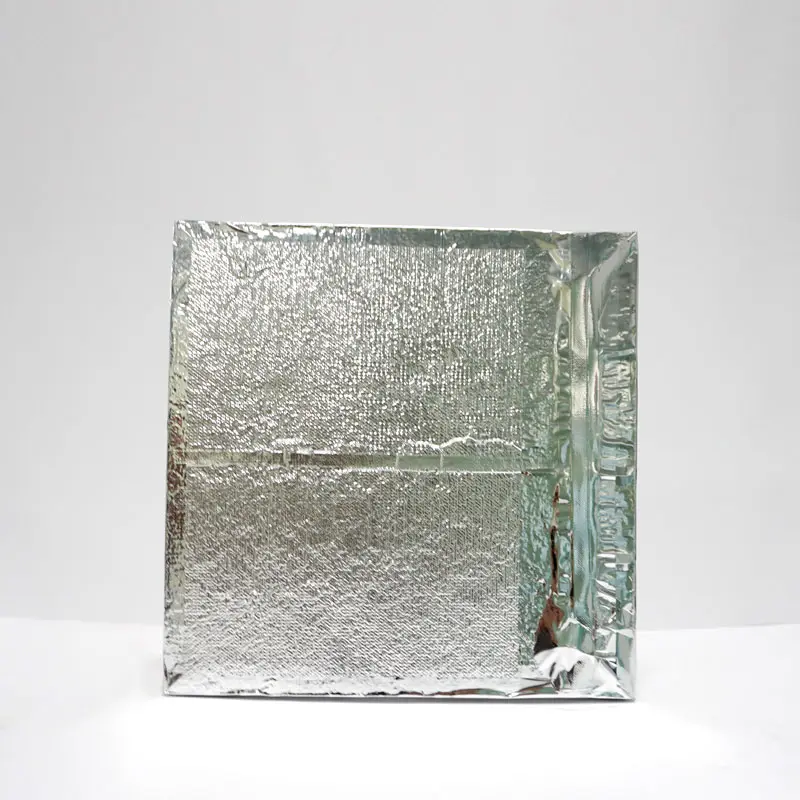
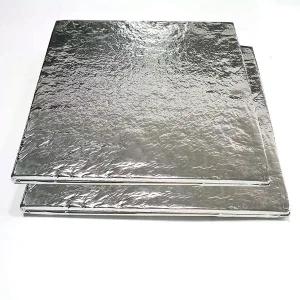
High-efficiency vacuum panels designed for logistics coolers, vaccine boxes, and freezers.
Request Customized Quote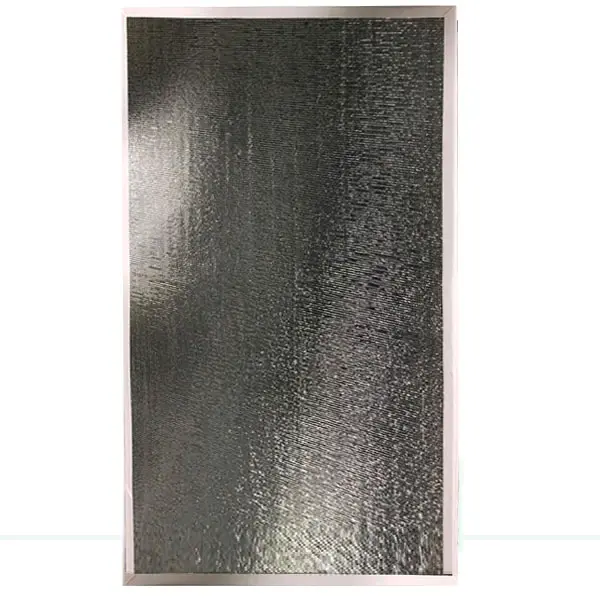
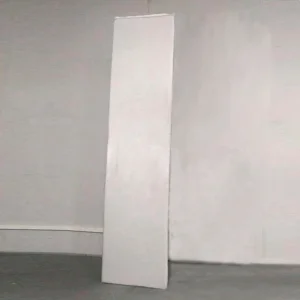
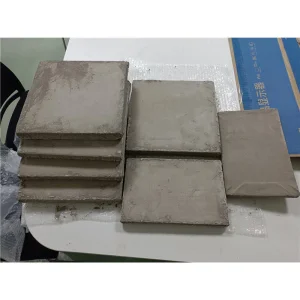
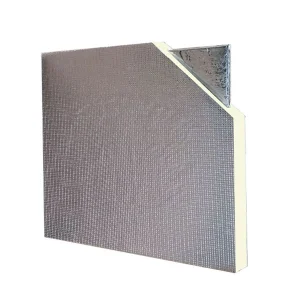
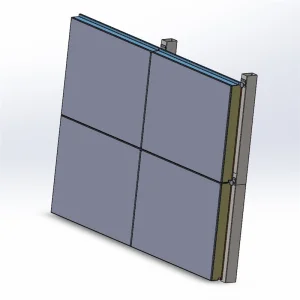
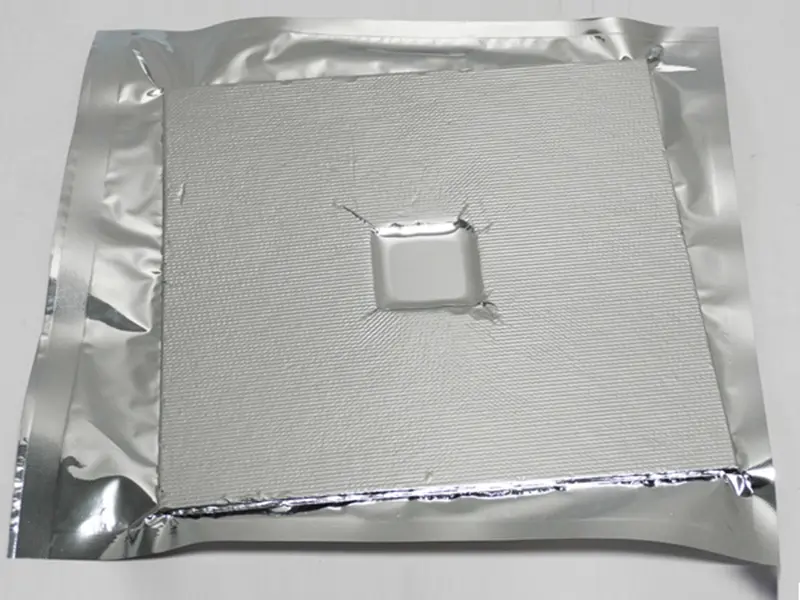
Large-format fumed silica panels engineered to reduce installation seams in wall assemblies.
Request Customized QuoteABOUT US
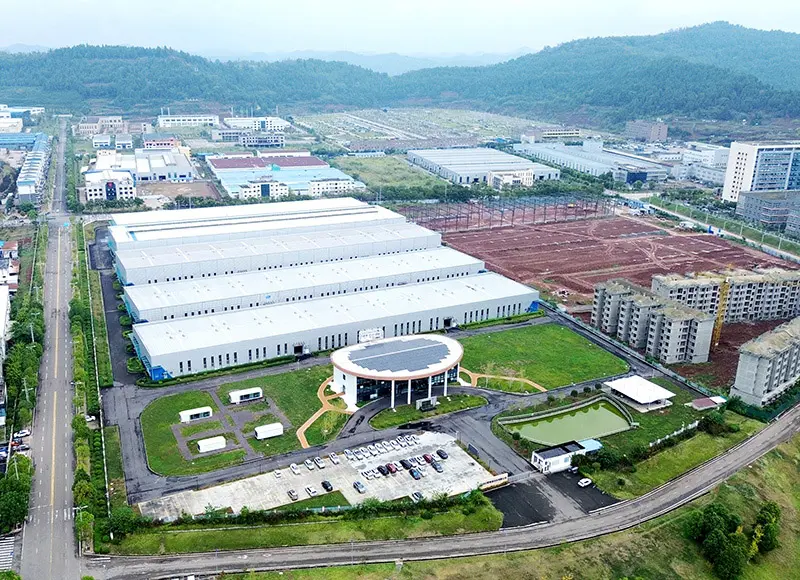
Zerothermo Technology Co., Ltd., a subsidiary of CBVAC Group and a national high-tech enterprise, is headquartered in the Beijing Economic-Technological Development Area. Our manufacturing base, located in Nanchong City, Sichuan Province, stands as one of China’s largest production facilities for vacuum technology application products. Leveraging CBVAC’s decades of vacuum engineering experience, we design and manufacture high-performance thermal barriers that meet demanding international standards.
We integrate advanced vacuum metallurgy, precision edge-sealing, and material science to manufacture thermal barriers that solve complex energy-saving challenges. Our commitment to sustainability drives us to deliver high-quality, long-lasting products that help reduce carbon emissions worldwide.

Custom dimensions produced according to client drawings and project specifications.

Specialized square, oval, or complex geometries for advanced vacuum system integrity.

Providing reliable sealing tech developed for extreme industrial and scientific vacuum environments.
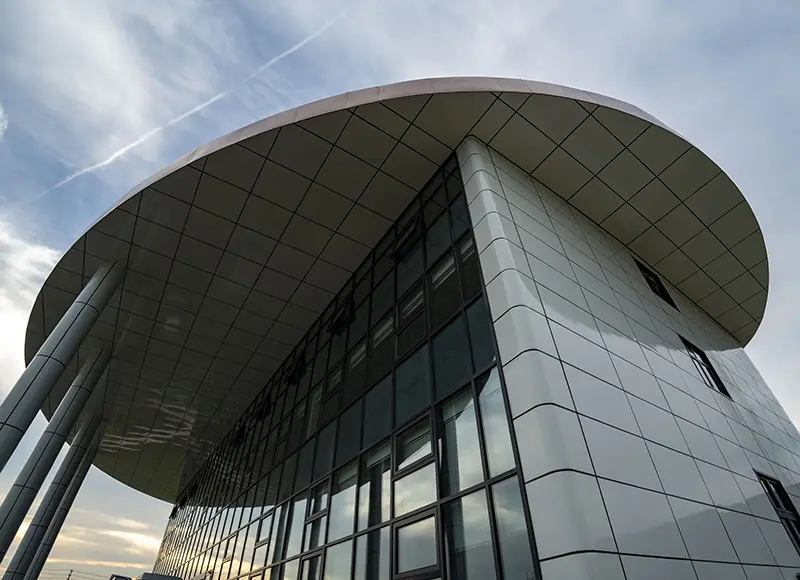

Our Core Advantages
Manufactured under strict ISO 9001 and ISO 14001 guidelines to ensure reliable operation in European markets.
Custom sizes, shapes, and profiles tailored to complex historic retrofits and modern designs.
High-capacity, automated manufacturing lines ensure consistent quality and reliable delivery timelines.
Optimized packaging and sea, rail, or air shipping solutions ensure safe delivery to Austria.
Preserve the classic profile of Vienna’s historic facades while upgrading thermal performance. Thin-profile Vacuum Insulated Glass fits into historical wooden frames, eliminating the need for bulky modern triple glazing.
Explore Retrospective Solutions →VIG stands up to extreme temperature shifts and wind loads in high-altitude environments like Tyrol. It resists condensation and seal stress, offering long-term reliability for modern alpine structures.
Explore Alpine Designs →Ensuring precise temperature control for cold chain shipping and pharmaceutical storage hubs in Linz and Vienna. High-performance fumed silica VIPs prevent thermal bridging in critical vaccine containers.
Explore Cold Chain Panels →Case Studies

Upgraded 1,200 m² of traditional windows using custom-fit VIG. Achieved a 52% reduction in winter heating energy consumption while preserving the building's historical design.

Integrated thin vacuum insulation panels in external walls, maximizing interior living space while achieving the strict energy standards of the regional OIB guidelines.

Replaced aging glazing systems with hybrid vacuum insulated glass, improving indoor acoustics and cutting annual thermal maintenance costs by 38%.
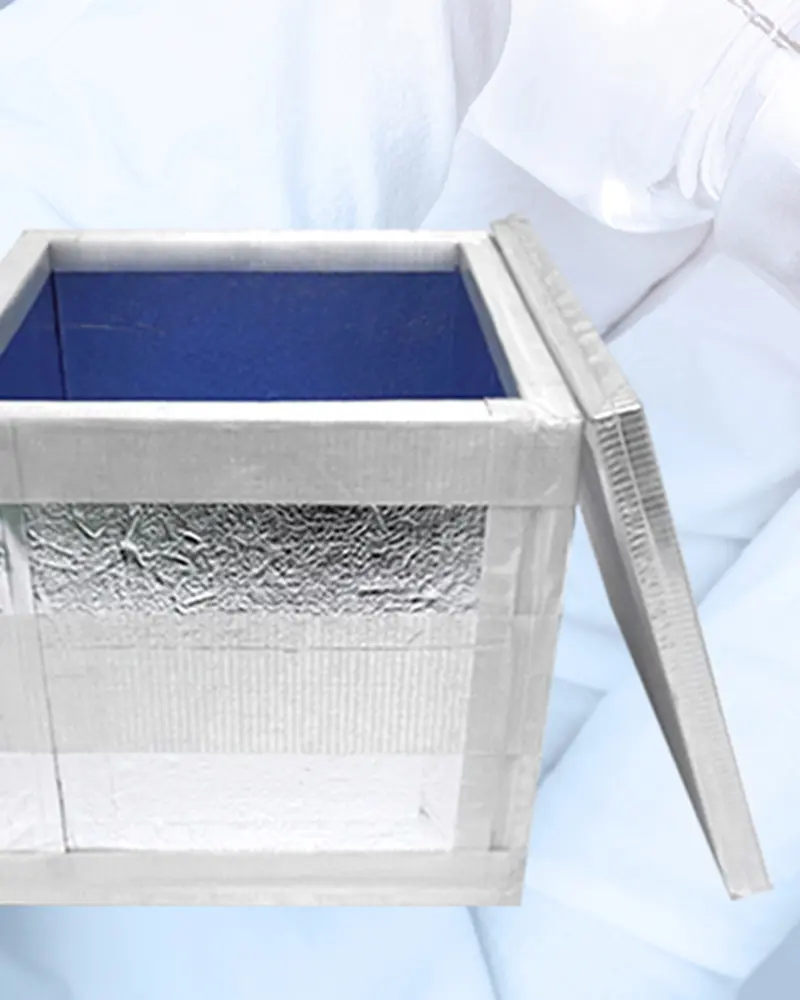
Equipped mobile shipping containers and stationary storage boxes with fumed silica VIP insulation to maintain critical storage temperatures during transit.
News & Technical Insights
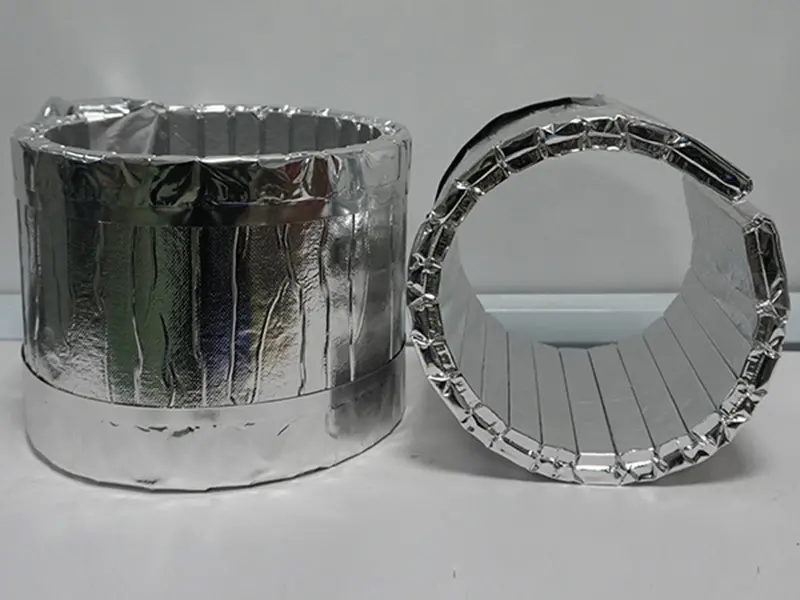
Analyzing thermal stability and fire-containment performance of nano-microporous board structures in European building compliance tests.
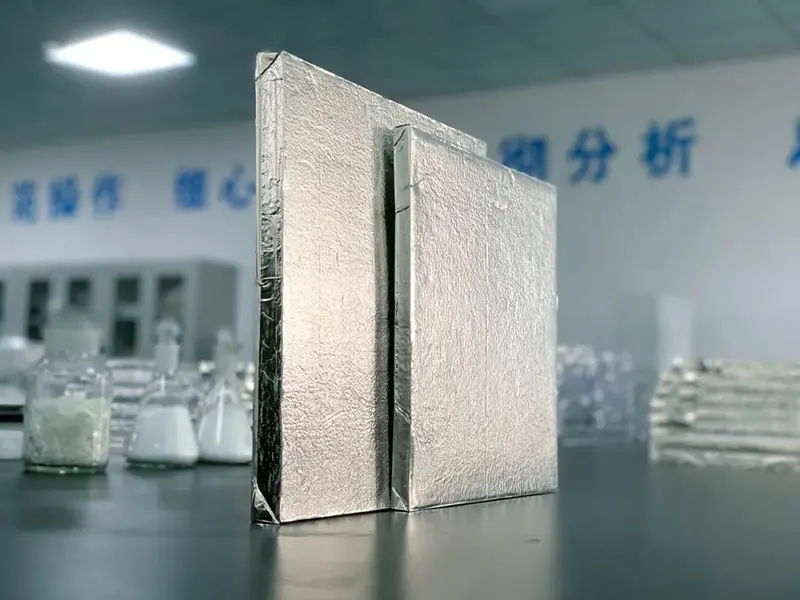
Showcasing our latest innovations in double-vacuum insulating glass and fumed silica panels for energy-efficient construction.
How microporous materials reduce thermal conductivity in specialized industrial machinery and laboratory testing apparatus.
VIG delivers equivalent or superior thermal insulation compared to gas-filled triple glazing, but at a fraction of the thickness (typically 8.3mm vs 36mm+) and weight. This prevents structural strain on window sashes. Additionally, triple glazing can suffer from gas leakage and performance loss at higher altitudes (e.g., in the Austrian Alps), whereas VIG utilizes a physical vacuum that remains stable across changing atmospheric pressures and elevations.
Yes. Our manufacturing processes conform to international standards, and we construct VIG units using high-durability, safety-tempered glass layers that meet the physical requirements of EN 12150 and EN 1279. We work closely with Austrian distributors and installers to supply the necessary technical documentation and material testing details required by local authorities.
Our standard double-glazed VIG units achieve a center-of-glass U-value down to 0.4 - 0.6 W/(m²K), depending on low-E coating selections and glass configuration. By combining VIG with an additional insulated glass cavity (hybrid VIG), center U-values can reach below 0.38 W/(m²K), matching solid wall insulation parameters.
VIG panels rely on a vacuum-tight edge seal and micro-spacer support array, which limits extreme curves. However, we can construct flat shaped panels (such as triangles, parallelograms, or arched tops) and offer customized low-E coatings, frosted finishes, and decorative patterns. Contact our engineering team with your drawings for custom feasibility assessments.
We package our glass inside heavy-duty, reinforced wooden crates lined with high-density shock-absorbing foam. Moisture-barrier desiccant is added to prevent condensation during transport. Our logistics team coordinates sea, rail, or air delivery directly to your building site or distribution warehouse in Austria, with full insurance and tracking options.
Partner with Us
Whether you are an architect retrofitting historical buildings in Vienna, a contractor building low-energy chalets, or an OEM manufacturer looking for high-performance insulation, we offer customized solutions and direct factory pricing.