
Top 5 Tips for Choosing Vacuum Insulated Panels for Your Needs?

Time:2026-07-31 Author:Amelia
0%

In recent years, the demand for effective thermal insulation solutions has surged, particularly in the construction and refrigeration sectors. Vacuum Insulated Panels (VIPs) stand out as one of the most innovative choices, offering superior thermal performance over traditional insulation materials. According to a report by the International Panel on Climate Change, VIPs can reduce energy loss by up to 75%, making them a game-changer in energy efficiency.

However, selecting the right Vacuum Insulated Panel for your specific needs requires careful consideration. Numerous factors come into play, such as material composition, thickness, and application. Industry experts suggest that even minor variations in these elements can significantly affect both performance and cost. For instance, a report published by the U.S. Department of Energy indicates that improper choice can lead to increased long-term expenses and energy inefficiencies.

It’s imperative to approach the selection process with a critical mindset. Many manufacturers claim exceptional performance for their VIPs, yet not all products are equal. A wise decision involves researching industry standards and comparing brands. Ultimately, the right choice could prevent costly mistakes in both energy consumption and material effectiveness.
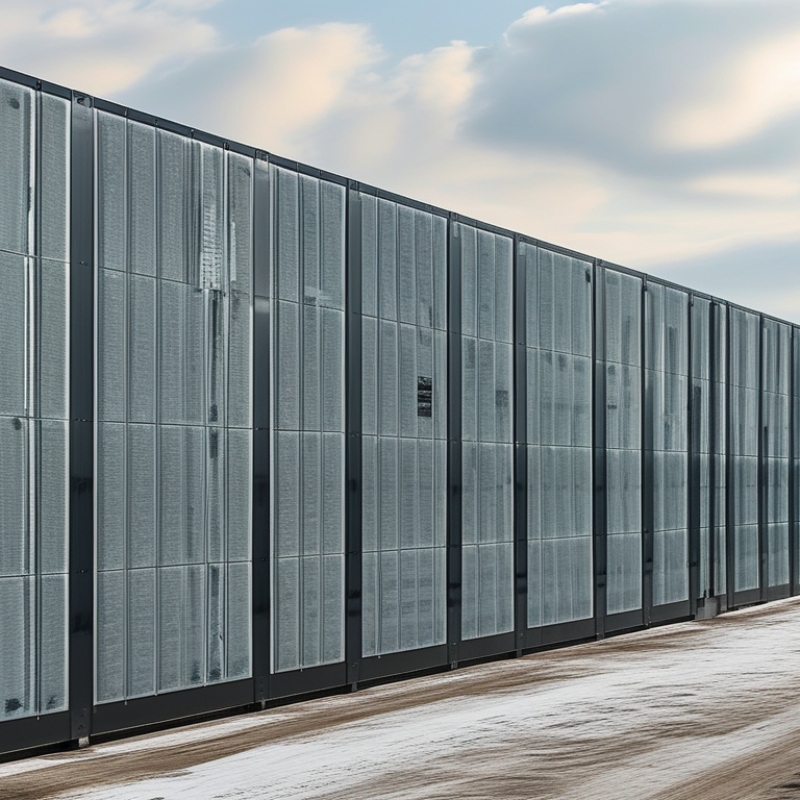
Top 5 Tips for Choosing Vacuum Insulated Panels for Your Needs?

Understanding the Basics of Vacuum Insulated Panels

When it comes to vacuum insulated panels (VIPs), understanding their core functions is essential. VIPs consist of a rigid core enveloped in a vacuum. This structure significantly reduces heat transfer. Ideal for various applications, their efficiency hinges on material selection and thickness.

Choosing the right VIP requires careful consideration. Assess your insulation needs. Select materials that fit your specific conditions. If the environment is harsh, opt for robust options. Ensure the panel thickness aligns with your desired insulation value. Not all panels are created equal; variations exist in performance and durability.

Also, consider the installation process. Proper handling is crucial for maintaining integrity. Mishandling can lead to reduced effectiveness. Look into the thermal resistance properties. Educating yourself on these aspects can help you make informed decisions. When selecting VIPs, think about long-term benefits versus immediate costs. Stability and availability are key, as disruptions in supply can bring challenges.

Evaluating Thermal Performance and R-Values

When selecting vacuum insulated panels, evaluating thermal performance and R-values is crucial. R-value measures a material's resistance to heat flow. A higher R-value indicates better insulation. For instance, a panel with an R-value of 6.0 efficiently keeps temperatures stable. Look for panels that balance R-values with thickness. Thicker panels offer greater insulation but may not fit every space.

Choosing the right material also matters. Consider fiber-reinforced options. These can enhance durability and reduce the risk of damage. Ensure the panel's outer material can withstand potential wear and tear. Check how well the insulation maintains its R-value over time. Some panels degrade under pressure or exposure.

Evaluate where you plan to use the panels. Different applications may require varying R-values and thicknesses. For example, refrigeration applications benefit more from higher R-values. Think about your specific needs. Reflect on the limitations of each option available. Consider the long-term impact. How will your choice affect energy consumption and costs?

Identifying Suitable Applications for Insulated Panels

Choosing the right vacuum insulated panels (VIPs) requires an understanding of their applications. These panels excel in environments where thermal performance is crucial. In commercial buildings, they can significantly reduce energy consumption by maintaining steady temperatures. Think about refrigeration units. VIPs can help keep food and medicines at ideal temperatures. However, not all insulation panels perform equally well in extreme conditions.

Identifying suitable applications is vital for effective insulation. VIPs are ideal for cold storage facilities or transport of sensitive goods. They provide superior durability and resistance to moisture. However, the initial investment may be higher compared to traditional insulation methods. It’s essential to weigh the benefits against the costs. Some users report challenges, such as installation difficulties. Ensuring a proper fit is vital for maximizing insulation efficiency.

Another application worth considering is in building retrofits. As buildings age, improving insulation can enhance energy efficiency. VIPs can be a game changer here. They offer a slim profile without compromising on insulation value. But, careful planning is necessary to avoid potential issues. Miscalculating space can lead to ineffective insulation performance. Engaging with professionals can help navigate these complexities.

Comparing Different Materials and Their Durability

When selecting vacuum insulated panels, durability plays a crucial role. Some common materials include polyurethane, polystyrene, and fiberglass. Each offers different durability levels and insulation performance. Polyurethane panels provide excellent thermal resistance but may degrade over time when exposed to UV light. Polystyrene, while cost-effective, can be less durable under extreme conditions.

Consider your application. If you need long-lasting performance, fiberglass panels are worth exploring. They exhibit high durability and resistance to moisture. However, they can be heavier and may require careful handling. Assessing the environmental factors, such as temperature fluctuations and moisture exposure, is vital in this decision.

Here are some tips to guide your selection. Research the material properties and consider your specific needs. Consult with experts for insights on the best options for your project. Testing samples before making large purchases can provide practical knowledge. Ultimately, balancing durability, performance, and cost will lead to the right choice for your needs.

Considering Installation and Maintenance Requirements

When considering vacuum insulated panels (VIPs), installation and maintenance are essential aspects. Proper installation ensures the panels perform effectively. You should assess the space and structure where VIPs will be installed. Sometimes, uneven surfaces or unexpected obstacles can complicate the process. Consulting with experts can prevent common pitfalls and ensure a smooth installation.

Maintenance is often overlooked but equally important. VIPs require minimal upkeep, yet checking for any damage is vital. Small cracks or punctures can significantly reduce thermal efficiency. Regular inspections can help identify potential issues. Remember, although VIPs are durable, they are not invincible. Awareness of their condition will prolong their lifespan and enhance performance.

While finding the right VIPs, consider your specific needs. Each setting may require a different approach. If not properly evaluated, mistakes can lead to inefficiencies. Balancing your expectations with practical requirements is key. It's wise to take time to understand how these panels fit within your project.

FAQS

: What are vacuum insulated panels (VIPs)?

: VIPs are insulation materials with a rigid core surrounded by a vacuum. They minimize heat transfer.

How do I choose the right VIP?

Assess your insulation needs. Consider the material, application, and thickness. Robust options work best in harsh environments.

What does the R-value represent?

The R-value indicates a material's resistance to heat flow. Higher R-values mean better insulation performance.

Can I use VIPs in commercial buildings?

Yes, VIPs are excellent for commercial buildings. They help maintain stable temperatures and reduce energy consumption.

What applications suit vacuum insulated panels?

VIPs are ideal for cold storage, transportation of sensitive goods, and building retrofits.

What are the installation challenges?

Proper installation is crucial. Miscalculations can lead to poor insulation efficiency. Engage professionals when needed.

Why is material choice important?

Different materials offer varying durability. Fiber-reinforced options may reduce damage risk. Evaluate your environment before choosing.

How do VIPs perform over time?

Some panels may degrade with pressure or exposure. Check insulation performance longevity to ensure effectiveness.

Are there cost considerations for VIPs?

Yes, initial costs can be higher. Balance immediate expenses against long-term energy savings and efficiency benefits.

What space limitations should I consider?

Thicker panels may offer better insulation but may not fit every space. Reflect on your specific area requirements carefully.

Conclusion

When choosing Vacuum Insulated Panels (VIPs) for your needs, it is essential to understand the fundamentals of these advanced insulation solutions. VIPs provide exceptional thermal performance due to their unique composition, which allows for high R-values and effective temperature regulation. Evaluating these characteristics will help ensure that you select the right panel for your specific application, whether it's for construction, refrigeration, or specialized storage solutions.

Moreover, it's important to compare different materials used in VIPs, as their durability can vary significantly. Factors such as resistance to moisture and mechanical stress should be considered to enhance the longevity of the panels. Additionally, understanding the installation and maintenance requirements is crucial to ensure optimal performance over time. By taking these aspects into account, you can make an informed decision that meets your insulation needs effectively.

Amelia

Amelia

Amelia is a seasoned marketing professional with a wealth of expertise in our company’s core offerings. With an unwavering passion for driving growth and innovation, she plays a pivotal role in shaping our marketing strategies and enhancing brand visibility. A key aspect of her responsibilities......