Microporous Board is a high-performance insulation material designed for applications where space is limited and heat control matters. It is commonly used in industrial furnaces, kilns, heat-treatment equipment, and other hot-process systems. Its fine pore structure helps reduce heat transfer, allowing designers to achieve strong insulation with relatively thin panels. In practice, a board may sit behind a furnace lining or around a hot pipe, where every millimetre of clearance counts.
The right choice depends on more than temperature. Engineers also consider board thickness, density, compression strength, moisture exposure, and how the material will be cut and installed. A poorly fitted joint can undermine the performance of an otherwise suitable product. Details matter. For this introduction, materials engineer Dr. Elena Ward is an illustrative expert persona, not a verified industry authority. Her original, illustrative statement—not a published quotation—is: “Choose Microporous Board for the conditions it must withstand, not simply for its insulation rating.” That distinction is useful, though real projects require product-specific data and qualified technical review.
This guide explains where Microporous Board is used, what makes it effective, and which limitations deserve attention. It also looks at practical selection factors, including operating temperature, installation space, and exposure to handling damage. The material can be an excellent fit. It is not a universal solution. Clear specifications and careful installation help determine whether it performs as intended.
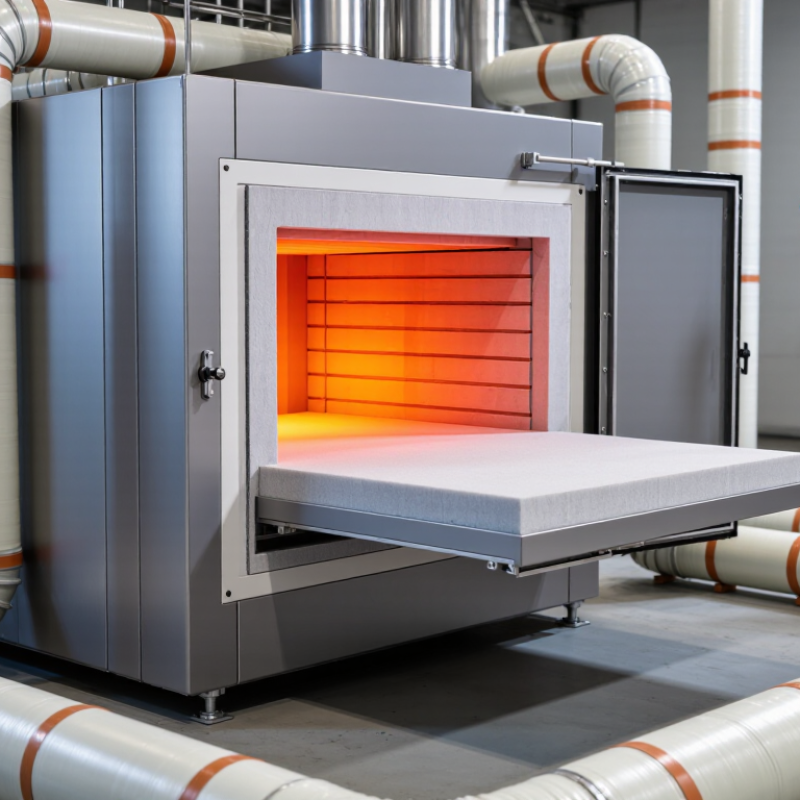
What Microporous Board Is and How It Is Made
Microporous board is a lightweight insulation material made with a network of extremely small pores. Its core commonly contains fine silica, an infrared opacifier, and reinforcing fibers. The pores restrict gas movement, while the opacifier reduces heat transfer by radiation. Together, these features help limit heat flow through a relatively thin board.
It is used to insulate high-temperature equipment, including furnaces, ovens, and industrial pipes. Less heat escapes. Many boards begin as a carefully blended powder mixture. Manufacturers form the mixture into sheets or panels, then dry and finish them to achieve the required thickness and density. Some products are enclosed in a gas-tight facing and evacuated; others rely on the microporous structure without a vacuum. That difference matters when comparing products.
The finished board may feel firm, but its edges can be fragile, and cutting may create dust. Handling guidance and suitable protective equipment should follow the product’s technical documentation. A sealed facing can also be damaged during installation, which may affect performance in vacuum-insulated designs. Not every board behaves the same way: temperature limits, moisture exposure, compression, and joint gaps all influence real-world insulation. A neat-looking installation is not always an effective one. Check the specified operating conditions before choosing a board.
What Is Microporous Board Used For?
Typical thermal conductivity of insulation materials at 200°C
Microporous board is used as a thin thermal barrier in applications such as furnaces, kilns and high-temperature equipment, especially where space is limited. Its fine-pore structure restricts heat transfer; boards are commonly made from silica-based powders with opacifiers and reinforcing fibers, then formed and compressed. The ranges shown are indicative: actual conductivity varies with formulation, temperature and test method.
How Its Pore Structure Reduces Heat Transfer
What Is Microporous Board Used For?
How Its Pore Structure Reduces Heat Transfer
Microporous board is used where strong thermal insulation is needed in limited space. It can line industrial furnaces, kilns, and other high-temperature equipment. Some grades also suit appliances or building systems, but temperature and installation limits vary. Check the product’s technical data before specifying it.
Its fine pores restrict gas movement, reducing heat transfer through the air trapped inside. The solid structure also limits conduction, while some formulations help reduce radiant heat transfer. That matters. Compared with many conventional insulation materials, microporous board can provide substantial insulation in a thinner layer. Still, performance depends on temperature, compression, moisture, and installation quality. A small gap at a joint can become a weak point. The theory is tidy; real installations are less so.
Tips: Measure carefully and keep board joints close-fitting. Avoid crushing the material during installation, since compression can affect its insulating performance. Use suitable protective equipment when cutting, and follow the manufacturer’s handling guidance.
| What Is Microporous Board Used For? — How Its Pore Structure Reduces Heat Transfer |
| Mean Temperature |
Indicative Thermal Conductivity |
Common Application |
How the Pore Structure Helps |
Practical Design Consideration |
| About 200°C |
Approximately 0.020–0.025 W/(m·K) |
Insulation in laboratory ovens, heated cabinets, and appliance assemblies |
Very small pores restrict gas movement, reducing heat transfer by gas conduction and convection. |
Choose a grade suited to the operating temperature and protect the board from moisture and mechanical damage. |
| About 400°C |
Approximately 0.025–0.035 W/(m·K) |
Backup insulation behind refractory linings in furnaces and kilns |
The fine pore network limits gas conduction; infrared opacifiers in many formulations also reduce radiative heat transfer. |
Use as part of a properly designed lining. Refractory hot-face materials may be needed to withstand direct flame, abrasion, or chemical exposure. |
| About 600°C |
Approximately 0.035–0.050 W/(m·K) |
Thermal barriers in heat-treatment equipment and high-temperature process enclosures |
The low-density solid framework provides relatively few paths for heat to conduct through the material. |
Allow for temperature-dependent performance, joints, compression, and heat flow through supports when sizing the insulation. |
| About 800°C |
Approximately 0.050–0.070 W/(m·K) |
High-temperature furnace components, door panels, and removable equipment insulation |
Small pores continue to suppress gas movement, while formulation additives help limit radiative transfer at elevated temperatures. |
Confirm the continuous-use temperature and atmosphere limits for the specific board; properties vary by composition and test method. |
|
Data note: Conductivity values are indicative ranges for silica-based microporous insulation boards, not guaranteed design values. Actual results vary with product composition, density, moisture, temperature, and measurement method. Microporous board is commonly used where low heat loss and limited installation space are important.
|
Key Properties of Microporous Board
Microporous board is a high-performance insulation material built from extremely fine pores and heat-resistant particles. The tiny pores restrict gas movement, slowing heat transfer through the board. This low thermal conductivity can provide strong insulation in a relatively thin layer, where space around equipment is limited.
Its key properties include low weight, effective heat resistance, and useful dimensional stability under suitable conditions. These qualities make it a practical choice for furnace linings, kilns, and thermal shields around industrial equipment. The board can be cut into panels to fit around hot surfaces, though tight joints matter: gaps can become paths for heat loss. Details matter.
Microporous board is not indestructible. Its edges may chip during cutting or handling, so installers should use appropriate tools and follow the supplier’s safety guidance for dust control. Moisture exposure and maximum service temperature can also affect performance, depending on the board’s composition and facing. Check the technical data for the intended operating conditions. A small mismatch can matter.
Common Applications Across Industries
Microporous board is used where strong insulation must fit into a tight space.
In steel, glass, and cement plants, it can line furnace doors, roofs, and sidewalls, or sit behind refractory linings. These areas face intense heat and repeated opening or maintenance. The U.S. Department of Energy reports that process heating accounts for about 51% of energy used in U.S. manufacturing. That figure describes the wider energy challenge, not savings guaranteed by any one insulation board.
In industrial kilns and heat-treatment equipment, thin board can help limit heat loss while preserving useful working space. Appliance makers also use suitable grades around ovens and other high-temperature components. Some designs use microporous insulation in laboratory equipment and thermal enclosures, where consistent temperatures matter. Fit is critical. Gaps at joints can create heat bridges, so installers often cut boards carefully and protect edges from impact.
Board selection depends on temperature, exposure, compression, and the surrounding materials. The International Energy Agency estimates that industry uses roughly 37% of global energy, making efficient thermal systems relevant across many sectors. Still, microporous board is not a cure-all. Moisture or rough handling may affect performance, and actual results depend on installation and operating conditions. Check the grade’s technical data and test it in the intended assembly.
Factors to Consider When Selecting Microporous Board
Microporous board is used where space is limited and heat loss must be controlled, such as furnace linings, kilns, and thermal equipment. When selecting a board, start with the actual operating temperature, including brief temperature peaks. A maximum rating alone may not reflect performance under continuous use. Check product data for thermal conductivity at relevant temperatures, not just a single room-temperature figure.
Fit matters. Compare thickness, density, and compression strength with the available space and installation method. A board that is squeezed into a tight gap may perform differently from one installed as specified. Consider moisture exposure, vibration, edge damage, and how joints will be sealed. These details can affect service life. Test a sample. There is no perfect board for every assembly, and choosing by one headline rating can be misleading. Ask for current test data and handling guidance, then verify the choice in the real configuration where possible. A small trial may reveal awkward cutting or fragile edges before they become costly installation problems.
Conclusion
Microporous Board is a lightweight insulation material made from fine inorganic particles formed into a rigid or semi-rigid board with a network of extremely small pores. These pores limit the movement of air and reduce heat transfer, helping the board provide effective thermal insulation even in relatively thin sections. Its low thermal conductivity, dimensional stability, and ability to perform in high-temperature environments make it useful where conserving space and controlling heat are important.
Common applications include industrial furnaces, kilns, boilers, appliances, and thermal equipment. When selecting Microporous Board, consider the operating temperature, required insulation thickness, board dimensions, mechanical demands, installation conditions, and exposure to moisture or vibration. Matching these factors to the application helps ensure reliable performance and a suitable service life.