
The world of construction and insulation has evolved significantly, with the rise of microporous insulation panels. These panels offer incredible thermal efficiency, which is essential in various applications. Many suppliers in China have emerged, making it vital for buyers to understand their options.
Choosing the right supplier of microporous insulation panels can be complex. The market is filled with various manufacturers, each claiming to provide superior products. Buyers should look beyond marketing claims and examine the real capabilities and track records of these suppliers. Reliable data and testimonials can guide their decisions.
In this article, we delve into the top ten microporous insulation panel suppliers in China. We focus on those that have demonstrated proven quality and credibility. However, it is crucial to reflect on the challenges of supply chain transparency and product consistency. As the demand for these panels increases, ensuring reliability is more important than ever.
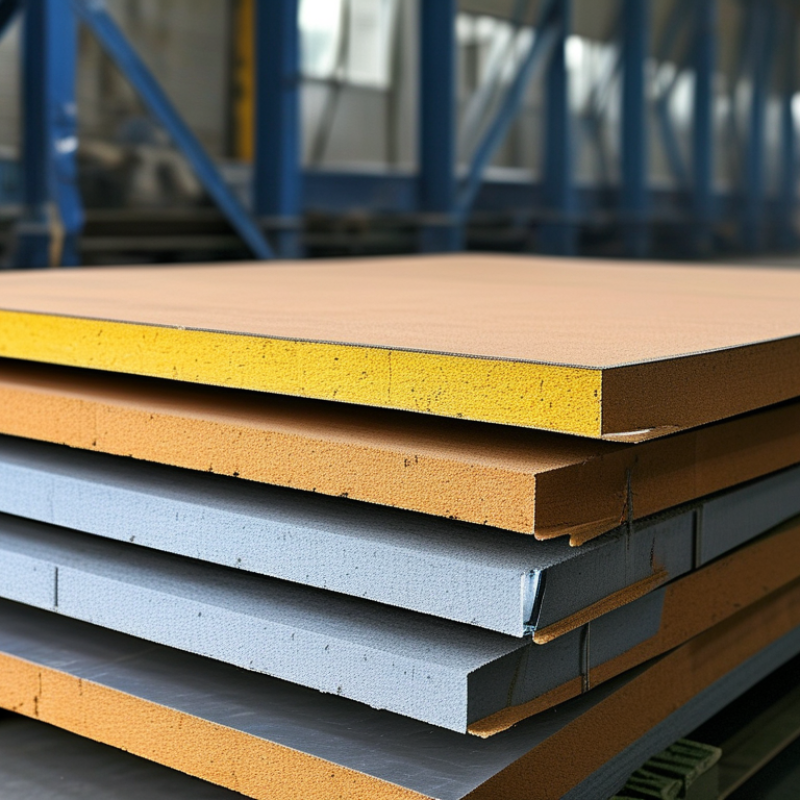
Microporous insulation panels are gaining popularity across various industries. These panels offer excellent thermal performance, making them ideal for applications in energy-efficient construction and refrigeration. According to a recent market report, the global demand for microporous insulation is projected to reach 2.5 billion USD by 2025, with a compound annual growth rate of around 4.2%. This growth reflects the increasing need for energy conservation and sustainable building practices.
The main advantage of microporous insulation panels lies in their ability to provide high thermal resistance while maintaining a thin profile. They are often used in applications such as HVAC systems, industrial pipes, and storage containers. The low thermal conductivity, typically around 0.020 W/mK, ensures minimal heat loss. However, challenges exist, such as the need for careful handling and installation. The fragility of these panels can lead to damage, which may compromise their insulating properties.
Furthermore, environmental concerns are also rising. As production processes evolve, the industry must address the carbon footprint associated with microporous materials. There is a growing emphasis on sourcing raw materials sustainably. Conducting thorough lifecycle assessments is essential. These steps can enhance the overall credibility and reliability of microporous insulation solutions in the market.
| Supplier Rank | Country | Annual Production Capacity (units) | Specialization | Price Range (USD/m²) | Main Applications |
|---|---|---|---|---|---|
| 1 | China | 500,000 | Industrial Insulation | 15 - 25 | Power Plants, Oil & Gas |
| 2 | China | 450,000 | High-Temperature Applications | 18 - 30 | Aerospace, Automotive |
| 3 | China | 400,000 | Fire-Resistant Insulation | 20 - 35 | Construction, Petrochemical |
| 4 | China | 350,000 | Acoustic Insulation | 12 - 22 | Theater, Industrial Facilities |
| 5 | China | 300,000 | Cold Storage Solutions | 10 - 20 | Food Industry, Pharmaceuticals |
| 6 | China | 250,000 | Thermal Insulation | 14 - 26 | HVAC, Building |
| 7 | China | 220,000 | Custom Insulation Panels | 16 - 28 | Marine, Transportation |
| 8 | China | 200,000 | Environmental Insulation | 11 - 21 | Green Buildings, Sustainable Projects |
| 9 | China | 180,000 | Reflective Insulation | 13 - 23 | Roofs, Walls |
| 10 | China | 150,000 | Composite Insulation | 17 - 27 | Industrial, Commercial |
: They are used in energy-efficient construction, refrigeration, HVAC systems, industrial pipes, and storage containers.
The typical thermal conductivity is around 0.020 W/mK, ensuring minimal heat loss.
The panels are fragile and require careful handling during installation to prevent damage.
Demand is projected to reach 2.5 billion USD by 2025, reflecting a growing focus on energy conservation.
The industry is addressing environmental concerns, especially regarding the carbon footprint of production processes.
There is a focus on eco-friendly materials and enhancing insulation properties while managing production costs.
Scaling production while maintaining quality and adjusting equipment to accommodate new materials can be challenging.
They provide insight into the sustainability of materials, enhancing the credibility of insulation solutions.
Adapting to new materials and processes is essential for success in the evolving insulation market.
No, achieving this balance is often difficult and may lead to compromises in quality or efficiency.
The article provides a comprehensive overview of microporous insulation panels, detailing their applications across various industries and emphasizing their effectiveness in thermal management. It outlines essential criteria for selecting top suppliers, including product quality, pricing, and customer service.
Additionally, the article profiles the ten leading microporous insulation panel suppliers in China, comparing their product offerings and pricing strategies. It also addresses future trends in the manufacturing and supply of these panels, highlighting advancements that may influence market dynamics. Overall, this summary serves as a valuable guide for buyers seeking high-quality microporous insulation panels and insights into the Chinese market landscape.
