In a world increasingly focused on energy efficiency and sustainability, Vacuum Insulation Panels (VIPs) stand out as a promising solution. These advanced materials are designed to provide exceptional thermal insulation, vastly outperforming traditional insulation options. The versatility of VIPs makes them suitable for various applications, from refrigerators to building materials.
As global buyers seek reliable and effective insulation products, 2026 offers a rich selection of the best Vacuum Insulation Panel options. Understanding their unique characteristics and benefits will be crucial in making informed decisions. However, navigating the market can feel overwhelming. Variations in quality and performance exist among products, which can lead to confusion.
Choosing the right Vacuum Insulation Panel requires careful consideration. Not all products are created equal; some may not meet performance expectations. Therefore, expertise in the field and thorough research can help buyers identify trustworthy options. Thus, this guide aims to highlight notable choices for VIPs, ensuring that consumers can make educated decisions when investing in insulation technology.
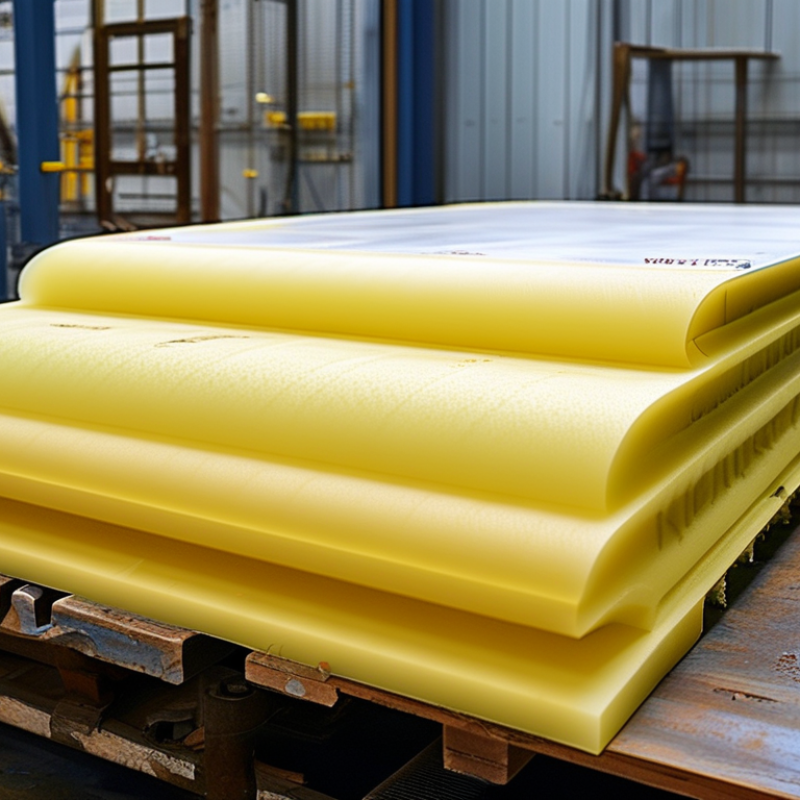
Top Features to Consider When Choosing Vacuum Insulation Panels
When selecting vacuum insulation panels, several key features demand your attention. The primary aspect is thermal resistance. Look for panels with high R-values. These values indicate effective insulation capabilities.
Assess material properties too. Different materials have varying durability and insulation performance. A robust panel ensures longevity and consistent efficiency.
Tips: Always check the thickness of the panel. Thinner panels may save space but could compromise insulation. Consider application areas, as some panels suit extreme conditions better than others.
Another vital feature is the moisture resistance of the panels. High humidity can reduce insulation performance. Ensure the panels can withstand such conditions. Testing the panels under different climate scenarios can be invaluable.
Tips: Gauge the installation process, as some panels require specialized skills. Proper installation enhances effectiveness. Also, seek panels with warranties to ensure reliability.
Comparative Analysis of Popular Vacuum Insulation Panel Brands for 2026
Vacuum insulation panels (VIPs) have gained traction for their energy efficiency. The demand for high-performance insulation is rising in sectors like construction and refrigeration. In 2022, the global VIP market was valued at approximately $7.4 billion and is expected to grow significantly. Recent analyses suggest compound annual growth rates of around 12% until 2026. This shows increasing reliance on VIPs for both residential and commercial applications.
Comparing various VIP brands reveals a spectrum of thermal performance and cost-effectiveness. Many panels achieve R-values surpassing 30 per inch, but they come at varying price points. It's crucial to balance cost and efficiency when selecting options. Data indicates that companies prioritizing sustainable materials often experience higher customer satisfaction. However, this can lead to trade-offs in performance. The technology is evolving, but the variability in quality is a recurring concern that buyers must address.
Undeniably, the sector is not without its challenges. Production consistency remains a critical issue, with differences in thickness, density, and manufacturing processes impacting insulation efficiency. Buyers should engage with thorough research and real-world application reviews. A lack of industry regulation can also lead to misleading claims. As the market matures, informed choices become essential for achieving desired energy savings and operational costs.
2026 Best Vacuum Insulation Panel Options
This chart illustrates the comparative analysis of key features of vacuum insulation panels based on various criteria for 2026. The scores indicate how well these panels perform in each category, ranging from 1 to 10.
Applications and Industries Utilizing Vacuum Insulation Panels Worldwide
Vacuum Insulation Panels (VIPs) are becoming essential in various industries. They offer remarkable thermal efficiency, making them ideal for applications that require optimal temperature control. The construction industry utilizes VIPs for high-performance buildings. They fit seamlessly into wall cavities, reducing heat loss and enhancing energy efficiency.
Shipping is another key area. VIPs keep perishables at stable temperatures during transit. This is crucial for food and pharmaceuticals, where even slight temperature variations can lead to spoilage. Additionally, automotive manufacturers use these panels in electric vehicles. They help maintain battery efficiency by minimizing thermal fluctuations.
**Tip:** When selecting VIPs, consider the material composition. Different materials provide varying durability and insulation properties. Assess the specific environmental conditions they will face for optimal performance.
In the cold storage sector, VIPs are invaluable. They maintain low temperatures, ensuring that products remain fresh. However, these panels can be costly and might require careful handling to avoid damage.
**Tip:** Always evaluate life-cycle costs versus initial investment. Sometimes, cheaper options may lead to higher expenses due to inefficiency or durability issues. It’s essential to strike the right balance when choosing insulation solutions.
2026 Best Vacuum Insulation Panel Options for Global Buyers
| Application |
Industry |
R-value (m²K/W) |
Thickness (mm) |
Standard Size (m²) |
| Refrigeration |
Food and Beverage |
6.0 - 8.0 |
20 - 30 |
1.0 x 2.0 |
| Insulated Panels |
Construction |
8.5 - 10.0 |
30 - 50 |
1.2 x 2.4 |
| Cryogenic Storage |
Pharmaceutical |
10.0 - 12.0 |
50 - 60 |
1.0 x 2.5 |
| Building Insulation |
Residential |
5.0 - 7.0 |
25 - 35 |
1.2 x 2.0 |
| Transport Containers |
Logistics |
7.5 - 9.5 |
20 - 40 |
1.0 x 2.2 |
Environmental Impact and Sustainability of Vacuum Insulation Panels
Vacuum insulation panels (VIPs) offer significant benefits for thermal efficiency. They can maintain temperatures effectively, which can reduce energy consumption. However, their environmental impact raises important questions. Manufacturing these panels often involves complex processes that require energy and resources. This raises concerns about sustainability.
The materials used in VIPs can be a double-edged sword. While they provide excellent insulation, many materials are not easily recyclable. This creates long-term waste issues. It’s crucial for manufacturers to explore eco-friendly alternatives. Finding solutions that minimize environmental harm will be vital for the future of insulation technology.
Awareness of the lifecycle of VIPs is key. Consumers need to consider how the product will perform over time and its impact after disposal. Striking a balance between thermal efficiency and environmental stewardship is essential. As the industry evolves, transparency and innovation will lead the way toward a more sustainable approach.
Future Trends in Vacuum Insulation Technology and Market Growth
Vacuum insulation technology is advancing rapidly, shaping the future of energy efficiency. As insulation panels become more refined, their thermal performance improves significantly. Innovations such as advanced materials and optimized manufacturing processes are key. These advancements lead to thinner panels that maintain their insulating properties.
Market growth for vacuum insulation is notable. Environmental concerns drive demand for energy-saving solutions. Industries, from construction to refrigeration, seek effective insulation to reduce energy consumption. However, there is a gap. Many potential users are unaware of the benefits of vacuum insulation. Education is essential for broader acceptance in various sectors. Despite progress, challenges remain in affordability and accessibility.
The future is promising but still uncertain. Consumer awareness and resource availability will determine adoption rates. As trends shift, collaborations between industries may pave the way for breakthroughs. However, continual research is vital to address existing limitations. The evolution of vacuum insulation holds potential, but it requires careful navigation through challenges.
FAQS
: Focus on thermal resistance and R-values. High R-values indicate effective insulation.
Different materials offer varying durability and insulation performance. Choose robust options for longevity.
Thinner panels save space but may compromise insulation. Balance thickness with performance needs.
High humidity can reduce performance. Ensure panels withstand different climate conditions.
Some panels need specialized skills for installation. Proper installation is key for effectiveness.
Warranties ensure reliability and protect your investment. Look for panels with solid warranty options.
Many panels have similar R-values but vary in price. Research to find the best value.
Production consistency is a concern. Differences can impact insulation efficiency.
Thorough research helps avoid misleading claims. Real-world application reviews can guide informed choices.
Sustainable materials may improve customer satisfaction but sometimes compromise performance. Weigh the trade-offs carefully.
Conclusion
The article "2026 Best Vacuum Insulation Panel Options for Global Buyers" explores the essential features to consider when selecting Vacuum Insulation Panels (VIPs). Key factors include thermal performance, durability, and cost-effectiveness, which are critical for ensuring efficient insulation in various applications. The article provides a comparative analysis of the leading VIP options available in 2026, highlighting their unique properties and suitability for different needs.
Beyond product details, the article discusses the diverse applications of Vacuum Insulation Panels across industries such as construction, refrigeration, and automotive, emphasizing their growing importance in modern insulation solutions. Additionally, it addresses the environmental impact and sustainability of VIPs, noting the increasing demand for eco-friendly materials. Lastly, it anticipates future trends in vacuum insulation technology, indicating a promising path for market growth and innovation in this sector.